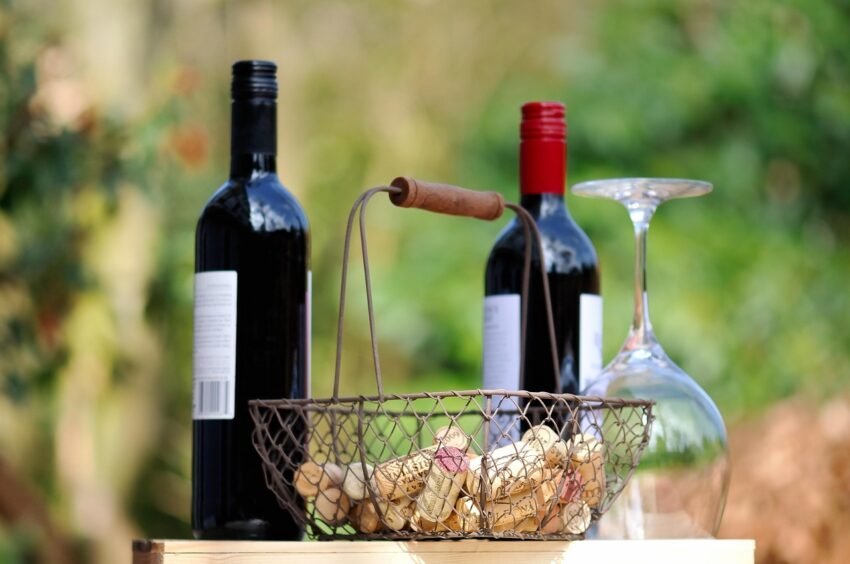
Wine not aged in oak barrels refers to styles fermented and stored in inert vessels such as stainless steel or concrete, preserving the pure primary characteristics of the fruit. This approach highlights the intrinsic acidity, vibrant aromatics, and distinct varietal notes of the grapes without introducing secondary wood-derived compounds like vanilla, toast, or spice.
Producers choose inert vessels to emphasize freshness, clarity, and precision in the finished beverage. By avoiding wood contact, winemakers prevent oxidation and micro-oxygenation effects that typically soften tannins and add texture, resulting in a cleaner, more direct expression of both the vineyard site and the grape variety itself.
Exploring these styles offers a deeper understanding of fundamental winemaking mechanics. Without oak influence, structural elements like natural acidity, mineral undertones, and primary fruit flavors take center stage, providing a foundational baseline for evaluating diverse wine regions, grape species, and traditional cellar practices.
Production Methods for Stainless Steel and Concrete Fermentation
Stainless Steel Vessels
Stainless steel tanks offer a highly inert environment for fermentation and storage, with minimal oxygen transfer, allowing winemakers to preserve delicate volatile aromas that might otherwise dissipate during barrel aging.
Temperature control is precise in steel setups due to external cooling jackets. This thermal regulation ensures that yeast activity proceeds steadily, safeguarding the fresh fruit characteristics essential to unoaked white and red wine styles.
Concrete and Clay Amphorae
Concrete tanks offer a middle ground between inert steel and porous oak. While unlined concrete allows for very slow, micro-scale oxygen ingress, it does not impart wood flavors, maintaining the pure profile of the grape juice.
Clay amphorae can also permit some oxygen exchange, though the degree varies with vessel thickness, lining, and sealing method, and may gently round out mouthfeel. Both materials stabilize wine structure naturally while keeping the primary aromatics unmasked by oak-derived compounds or heavy toast characteristics.
Preventing Malolactic Conversion
Many unoaked styles are managed with sulfur dioxide additions, temperature control, or filtration to inhibit or block malolactic conversion. This process retains sharp malic acidity, ensuring the final beverage maintains a crisp, refreshing profile rather than a buttery texture.
Preventing this secondary fermentation preserves green apple or citrus notes in white varieties. Winemakers carefully monitor chemical markers to decide whether to permit softening or to maintain the bright, linear acidity characteristic of clean vinification.
For related wine guidance, see dry red wine without sulfites.
Flavor Profiles and Grape Variety Expressions
Sauvignon Blanc and Crisp Whites
Sauvignon Blanc serves as a prime example of a varietal that thrives without oak aging. Its hallmark aromas of green grass, passion fruit, and lime shine clearly when protected from wood contact in stainless steel tanks.
The absence of barrel tannins lets the natural herbaceous and mineral qualities dominate. This direct expression showcases how specific regional soils and cool climates shape the sensory profile without cellar manipulation.
Unoaked Chardonnay Characteristics
Chardonnay fermented without wood displays a completely different personality compared to traditional barrel-aged counterparts. Instead of butter and vanilla, the wine typically features crisp green apple and pear, and may show mineral qualities depending on the vineyard site and winemaking approach.
This pure style allows consumers to experience the grape’s natural texture and acidity. Without toast masking the fruit, regional soil variations become much more apparent during structured tasting sessions.
Light Red Wine Styles
Red grapes like Gamay and Pinot Noir are frequently crafted without oak to highlight juicy red berry flavors. These wines focus on bright raspberry, cherry, and floral notes supported by soft, accessible tannin structures.
Restricting wood aging avoids drying out delicate red fruit qualities. The resulting beverage emphasizes immediate drinkability and straightforward varietal typicity valued in various bistro-style settings.
For related wine guidance, see secondary fermentation in bottle wine.
Practical Serving and Temperature Guidelines
Optimal Chill Temperatures
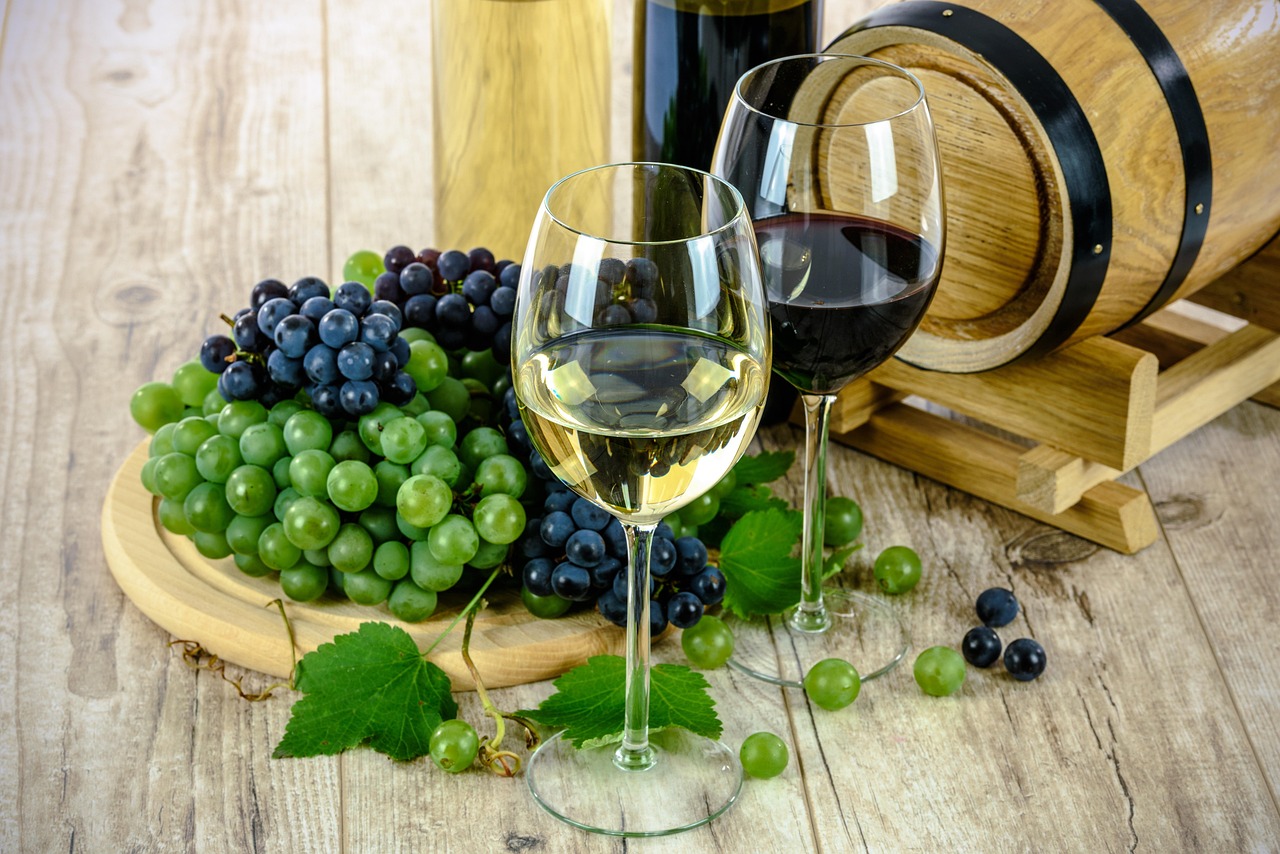
Unoaked white wines require precise chilling to accentuate their natural acidity and floral aromatics. Serving these bottles between seven and ten degrees Celsius ensures the refreshing structural components remain prominent in the glass.
Over-chilling can mute subtle fruit notes, while serving too warm highlights alcohol over freshness. A moderate temperature allows volatile compounds to release evenly without masking the clean, direct character of the liquid.
Glassware Selection Principles
Standard tulip-shaped white wine glasses work well for unoaked styles because they concentrate volatile aromas toward the nose. The smaller bowl size helps maintain cooler temperatures longer during active tasting sessions.
For light unoaked reds, slightly larger universal glasses permit gentle aeration. This design encourages bright fruit expression to emerge while softening any sharp edges in the youthful tannin profile.
Decanting and Aeration Needs
Most unoaked wines do not require traditional decanting because they lack heavy structural tannins that need softening. Pouring them directly from the bottle preserves their delicate primary aromas and effervescent freshness.
In rare cases of reduction, which can result from low-oxygen winemaking conditions and certain yeast or sulfur chemistry, a brief swirl in the glass is often sufficient. This simple action allows trapped sulfur compounds to dissipate without altering the wine’s core balance.
For related wine guidance, see grapes when to harvest.
Culinary Pairings for Fresh and Crisp Styles
Seafood and Shellfish Pairings
The high natural acidity in unoaked whites cuts cleanly through the rich fats found in fish and shellfish. Oysters, grilled prawns, and pan-seared white fish benefit immensely from the citrus contrast provided by stainless steel-aged bottles.
This pairing principle relies on structural harmony rather than flavor mirroring. The crisp backbone lifts delicate marine flavors, creating a balanced palate experience without overwhelming subtle culinary ingredients.
Herb-Driven Vegetarian Dishes
Vegetable dishes featuring fresh herbs, citrus dressings, and bitter greens pair exceptionally well with unoaked wines. The herbal notes in Sauvignon Blanc or Verdejo complement parsley, cilantro, and vinaigrette-based salads seamlessly.
Traditional oaked styles can sometimes clash with green vegetables, as oak-derived tannins and toasty flavors may compete with delicate herbal or bitter notes. Inert-vessel wines bypass this issue, maintaining a clean palate when matched with garden-fresh produce.
Soft Cheeses and Charcuterie
Fresh, unaged cheeses like goat cheese, feta, and fresh mozzarella match well with crisp, unoaked profiles. The lactic tang of the cheese mirrors the bright acidity of the beverage, establishing a cohesive pairing.
Lean charcuterie items, such as mild prosciuttos or herb-infused sausages, also benefit from these styles. The wine’s structural acidity cleanses the palate between rich bites of cured meat.
Frequently Asked Questions
Do unoaked wines contain less alcohol than oaked wines?
Alcohol levels depend primarily on grape ripeness at harvest rather than the vessel used for aging. Winemakers determine potential alcohol in the vineyard through sugar accumulation, making oak usage irrelevant to final ABV.
An unoaked wine can have a high alcohol percentage if harvested late, just as an oaked wine can be low in alcohol. Consumers should check the label percentage rather than assuming vessel type dictates strength.
How long can unoaked wines be stored safely?
Most unoaked styles are crafted for immediate consumption while their primary fruit flavors are freshest. Without preservative tannins and oxygen exposure from wood, these beverages generally lack the structure required for long-term cellaring.
While certain high-acid or mineral-driven whites can evolve for a few years, standard bottles should be consumed within one to three years. Proper storage in a cool, dark environment helps maintain their intended crisp profile.
How can consumers identify unoaked wines on labels?
Labels often explicitly state terms like unoaked, stainless steel aged, or unwooded to signal production methods. Additionally, back labels frequently describe flavor profiles focusing on fresh fruit, citrus, and mineral notes.
Researching specific producers or regional regulations also provides clarity. Certain appellations mandate stainless steel fermentation by law, making regional knowledge a reliable tool for identifying these specific styles.
Can light red wines not aged in oak barrels be served slightly chilled?
Light red wines crafted without oak aging, such as Gamay or young Pinot Noir, often benefit from a slight chill before serving. Lowering the temperature to around twelve to fourteen degrees Celsius highlights their bright red berry fruit, floral aromatics, and refreshing structural profile.
Because these styles lack heavy wood tannins, which can become unpleasantly astringent or bitter at lower temperatures, chilling them does not negatively affect their overall structural balance. Instead, a mild reduction in temperature emphasizes their clean, fruit-forward characteristics, tightens up the perceived acidity, and makes them particularly versatile companions for various casual dining occasions and warmer weather menus without masking the grape’s natural identity.
How do concrete and clay vessels affect wine differently than stainless steel?
While stainless steel provides a completely impermeable and neutral environment, unlined concrete and clay amphorae permit minimal, controlled oxygen exchange during storage. This subtle breathability allows for a very slow, gentle micro-oxygenation process that gradually softens natural mouthfeel without imparting any unwanted wood-derived flavors, toast, or structural compounds into the liquid.
Winemakers utilize these porous vessels when they want to round out sharp edges in a wine’s texture while strictly preserving the pure, unmasked primary fruit characteristics of the grape variety. This traditional technique offers an intermediate stylistic option between the absolute neutrality of steel tanks and the pronounced secondary spice flavors introduced by traditional oak barrels, allowing vineyard specific traits to remain clearly articulated.
Why do unoaked wines often taste more noticeably acidic than barrel-aged alternatives?
Unoaked wines frequently showcase a brighter, more assertive acidity because they often lack the softening influence of barrel maturation and, in many cases, malolactic conversion is deliberately inhibited. Without wood contact or buttery conversion processes, the inherent malic acid present naturally in the harvested grape juice remains intact rather than being converted to softer lactic acid, keeping the wine’s acidity sharper and more prominent. Tartaric acid, the other principal grape acid, is largely unaffected by malolactic conversion.
Furthermore, traditional barrel aging often introduces textural compounds and micro-oxygenation effects that create a rounder, creamier mouthfeel, which can tactilely mask high natural acidity levels on the palate. In contrast, inert storage vessels preserve the linear, crisp profile of the fruit, delivering a direct tasting experience where structural freshness and mineral undertones take clear precedence over rich, heavy textures.
Are unoaked wines generally less expensive than oaked wines?
Unoaked wines often carry a lower retail price compared to their barrel-aged counterparts, primarily due to the significant operational costs associated with oak barrels. High-quality oak barrels require substantial financial investment, meticulous maintenance, and frequent replacement, whereas inert stainless steel tanks can be utilized across many consecutive vintage cycles without incurring comparable material expenses.
However, vessel cost is only one factor among many in determining final retail pricing. Vineyard land valuation, farming labor methods, harvest yields, and regional appellation laws also significantly influence the market value of any given bottle, meaning some premium unoaked styles can command high prices based strictly on terroir and producer reputation.