Exploring dry red wine without sulfites requires an understanding of traditional winemaking practices modified to minimize chemical additions. These independent educational guides help adults navigate the landscape of low-intervention viticulture, focusing on how grapes transform into wine without standard preservative measures. By examining grape selection, cellar management, and sensory characteristics, enthusiasts can better appreciate the diverse expressions found within this specific category.
The absence of added sulfur dioxide changes how wines evolve in the bottle, requiring closer attention to handling, storage, and consumption timelines. Independent studies and educational resources emphasize that these wines reflect a return to foundational agricultural techniques. Understanding these methods provides valuable context for consumers seeking insight into minimalist winemaking philosophies.
Defining Dry Red Wine Without Sulfites
What “Without Added Sulfites” Means
Sulfur dioxide is a common antimicrobial and antioxidant agent used widely in commercial winemaking to stabilize liquids. Wines labeled without added sulfites rely entirely on natural stability, clean cellar hygiene, and careful fruit selection to prevent spoilage. Winemakers choosing this path omit chemical additions during crushing, fermentation, and bottling.
This approach demands rigorous vineyard management because damaged fruit cannot be easily corrected later in the cellar. Consumers encountering these bottles experience a product shaped by micro-flora native to the vineyard rather than laboratory-adjusted parameters.
Natural Fermentation and Preservation Basics
Without added chemical preservatives, natural defenses rely on ambient yeasts, lactic acid bacteria, and the natural tannins extracted from grape skins and seeds. Tannins act as natural antioxidants, protecting the liquid from rapid oxidation during early fermentation stages.
Maintaining strict hygiene throughout the winery prevents unwanted bacterial contamination that would otherwise be suppressed by sulfur additions. Temperature control remains crucial to ensure native yeasts complete fermentation cleanly without producing volatile off-flavors.
Understanding “Dry” in Red Winemaking
A dry red wine contains virtually all fermentable sugars converted into alcohol by yeast during the fermentation process. Residual sugar levels remain extremely low, typically under two grams per liter, ensuring a structured profile dominated by fruit, acid, and tannin.
In unsulfited winemaking, ensuring complete dryness is essential because residual sugars left in unpreserved wine can easily trigger refermentation in the bottle. Winemakers monitor density and sugar conversion carefully before transferring the liquid to aging vessels.
When exploring options beyond a completely dry bottle, you might occasionally prefer a distinct red wine that is not dry for your dinner party.
Grapes and Styles of Low-Intervention Reds
Common Grape Varieties Used
Thick-skinned grape varieties like Cabernet Sauvignon, Merlot, Syrah, and various regional grapes provide the natural structural backbone needed for unsulfited production. Thick skins yield higher concentrations of anthocyanins and polyphenols, which naturally shield the wine from oxidative degradation.
Winemakers working without commercial additives frequently select robust varietals that tolerate minimalist handling. These grapes possess inherent resilience, allowing the finished product to maintain structural integrity throughout its shelf life.
Structural Differences in Unsulfited Styles
Wines crafted without added sulfites often present unique aromatic profiles characterized by pronounced earthiness, secondary fruit notes, and varied textural weight. Because chemical stabilizers are absent, structural elements like tannin and acidity take on a more prominent role on the palate.
Tasting through these styles reveals a direct connection to the raw fruit, often displaying a slightly rustic edge. This divergence from standardized commercial profiles highlights the natural variation inherent in seasonal agricultural production.
Regional Influences on Grape Expression
Climate and soil composition dictate how successfully grapes adapt to low-intervention winemaking. Cooler regions produce high natural acidity, which naturally guards the wine, while warmer regions yield higher sugar levels and deeper pigmentation.
Understanding these regional factors helps consumers anticipate what to expect from a specific bottle. Winemakers tailor their cellar techniques to match the specific climatic challenges presented by their vineyard locations each harvest year.

Cellaring and Storage Guidelines
Temperature and Humidity Control
Proper temperature stability is paramount for storing dry red wine without sulfites. Fluctuations can cause the liquid to expand and contract, drawing air past the closure and accelerating oxidation in the absence of protective sulfur dioxide.
Maintaining a consistent cellar temperature between 50 and 55 degrees Fahrenheit minimizes chemical stress on the wine. Relative humidity around 70 percent prevents corks from drying out while avoiding mold growth on packaging materials.
Light Exposure and Bottle Orientation
Ultraviolet light degrades organic compounds quickly, leading to premature aging and unpleasant flavor defects. Storing bottles in dark environments or opaque containers protects the delicate balance achieved during minimalist winemaking.
Keeping bottles in a horizontal position ensures the cork remains moist and swollen against the bottle neck. This seal prevents ambient oxygen ingress, which is especially critical for wines lacking chemical preservatives.
Managing Shorter Shelf Life Realities
Unsulfited red wines generally possess a shorter commercial lifespan than their conventionally preserved counterparts. Consumers should plan to consume these bottles relatively soon after purchase rather than holding them for long-term cellaring.
Monitoring vintage information and inquiring about release dates helps ensure the wine is enjoyed at its structural peak. Appreciating these bottles requires a shift toward immediate enjoyment rather than speculative aging.
If you happen to misplace the original stopper, understanding how to store red wine without cork becomes essential for maintaining quality.
Proper Serving Techniques
Optimal Serving Temperatures
Serving dry red wine at the correct temperature influences how aromatic compounds and tannins register on the palate. Serving these reds slightly below typical room temperature enhances fruit expression and curbs any perception of alcohol heat.
A temperature between 60 and 65 degrees Fahrenheit provides an ideal baseline for most medium-to-full-bodied unsulfited styles. Allowing the bottle to rest briefly in a cool room before opening achieves this balance effectively.
Decanting and Oxygen Exposure
Decanting allows low-intervention reds to shed any reductive aromas that may have accumulated during bottle aging without sulfur additions. Exposing the wine to air for thirty to sixty minutes softens firm tannins and opens up complex secondary notes.
Careful observation during decanting ensures the wine does not oxidize excessively. Pouring a small taste first helps determine whether the wine benefits from extended breathing time or immediate serving.
Glassware Selection for Red Wines
Using appropriately shaped glassware directs the wine toward specific areas of the palate, optimizing flavor perception. Large-bowled glasses provide sufficient surface area for aromatic compounds to collect and concentrate before tasting.
Choosing a standard universal red wine glass with a generous bowl accommodates the rustic textures and diverse aromatic profiles typical of low-intervention winemaking without requiring specialized equipment.
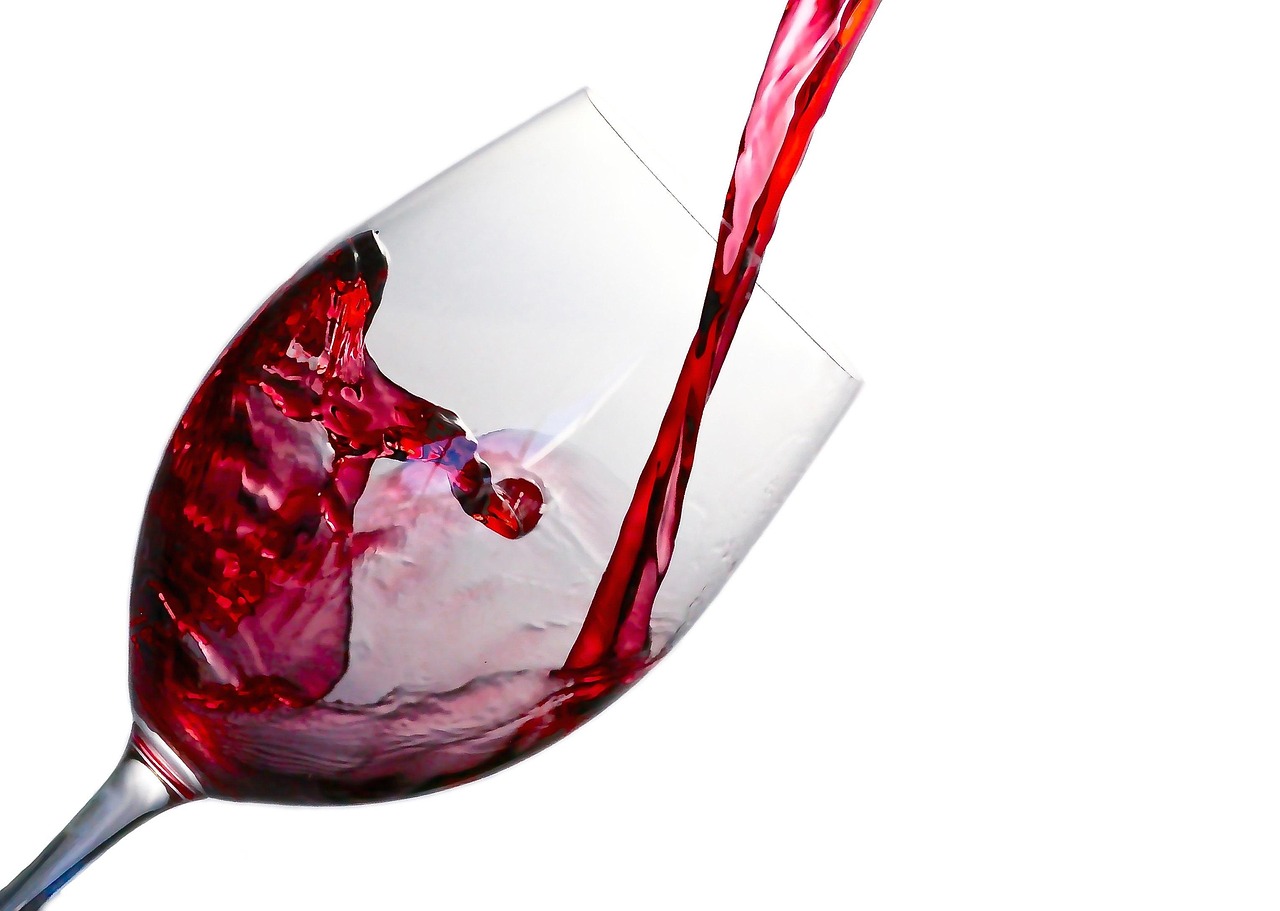
To fully appreciate the nuanced flavors of minimal-intervention bottles, knowing how to serve red wine properly makes a significant difference.
Food Pairing Principles for Unsulfited Reds
Matching Weight and Tannin Structure
Pairing food with unsulfited red wine relies on balancing the structural weight of the dish with the body of the wine. Rich meat dishes and savory roasts provide enough protein and fat to soften assertive tannins naturally found in these styles.
Matching intensity prevents either the food or the wine from dominating the dining experience. Lighter unsulfited styles pair well with poultry or vegetarian proteins, while heavier options suit hearty braises.
Acid Balance with Earthy Dishes
The natural acidity present in low-intervention red wines cuts through earthy flavors found in mushrooms, root vegetables, and aged cheeses. This acidity acts as a bridge, refreshing the palate between bites and enhancing overall food enjoyment.
Incorporating dishes featuring herbs, roasted vegetables, or mushrooms highlights the savory qualities inherent in natural fermentation. The interplay between food acid and wine structure creates a harmonious culinary combination.
Avoiding Overwhelming Flavors
When pairing food, avoid overly sweet or aggressively spiced dishes that can clash with the dry, rustic nature of unsulfited red wines. High sugar content in food makes the wine taste harsh, stripping away its fruit characteristics.
Selecting balanced, minimally processed ingredients ensures the nuanced flavors of the wine remain distinct. Simple culinary preparations allow the unique profile of the bottle to shine through during the meal.
Frequently Asked Questions
Do dry red wines without sulfites taste different?
Yes, dry red wines without added sulfites often display distinct aromatic profiles characterized by earthy, rustic, and fruit-forward notes. Because chemical stabilizers are omitted, these wines reflect the direct influence of native yeasts and vineyard micro-flora. Consumers may notice a more immediate, unmasked expression of the grape variety, accompanied by varying textural weights that set them apart from conventional commercial alternatives.
How long do bottles remain stable after opening?
Unsulfited red wines oxidize much faster once opened because they lack chemical preservatives. It is generally recommended to consume these bottles within one to two days of opening. Storing an opened bottle with a vacuum pump or in a refrigerator can slow down degradation slightly, but enjoying the wine promptly ensures it retains its intended aromatic freshness and structural balance.
Are sulfites completely absent in natural wines?
Sulfites are a natural byproduct of yeast fermentation, meaning trace amounts are naturally present in virtually all alcoholic beverages. Wines labeled without added sulfites simply mean the winemaker did not introduce additional sulfur dioxide during processing or bottling. Therefore, while commercial additions are avoided, trace natural sulfites may still exist in microscopic quantities within the final bottled liquid.
Why do some unsulfited reds exhibit sediment?
Sediment formation is common in low-intervention winemaking because producers frequently bypass heavy filtration and fining processes. These natural deposits consist of spent yeast cells, grape solids, and polymerized tannins that settle over time. Decanting the wine carefully before serving leaves this harmless sediment behind in the bottle, ensuring a clear pour and a smooth tasting experience.
What causes bottle variation in low-intervention wines?
Bottle variation occurs more frequently in unsulfited wines due to the absence of stabilizing chemical additives. Each individual bottle interacts slightly differently with minor amounts of oxygen trapped beneath the closure during packaging. This organic evolution means two bottles from the exact same batch can exhibit subtle differences in aroma, color, and texture upon opening.
Do these wines require special storage equipment?
Standard wine storage conditions are sufficient for unsulfited red wines, provided temperature and humidity remain stable. A dedicated wine refrigerator or a cool, dark basement environment works best to prevent thermal shock. Avoiding exposure to direct sunlight and extreme temperature swings is critical, as these wines lack the chemical buffers that protect conventional bottles from environmental stress.