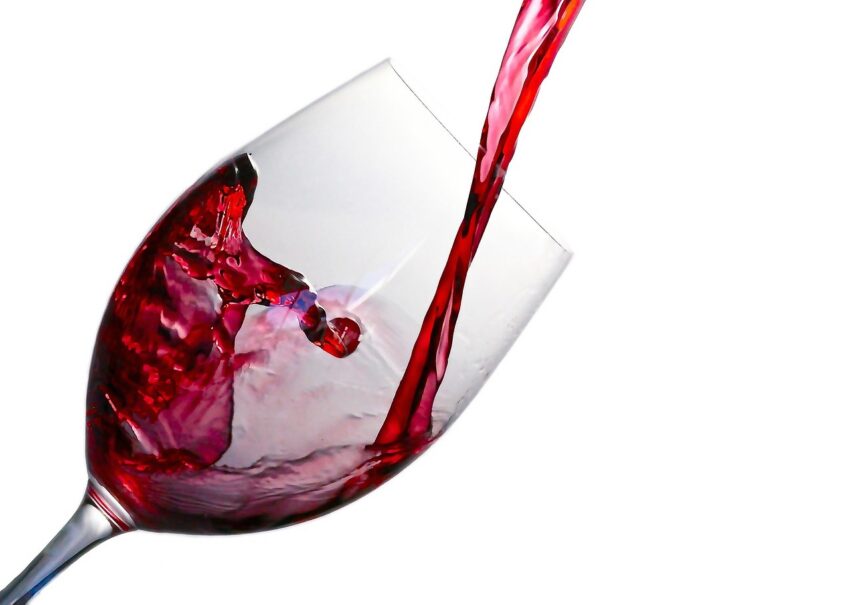
When considering what temp should red wine be kept, the general rule of thumb for long-term storage is a stable 55°F (13°C). However, the ideal temperature can vary slightly depending on whether you are storing bottles for aging or preparing them for immediate service. Most red wines thrive in environments between 55°F and 65°F, where chemical reactions occur at a slow, predictable pace without accelerating premature aging.
In contrast, serving temperature is often slightly cooler than modern room temperature, allowing volatile aromas to lift gracefully without being overwhelmed by alcohol vapors. Understanding the distinct difference between storage and service temperatures ensures that each bottle maintains its structural balance, aromatic complexity, and textural integrity over time.
The Foundations of Proper Wine Storage
Ideal Ambient Temperature Ranges
Maintaining a consistent ambient temperature is the single most critical factor in wine storage. Rapid temperature fluctuations cause the liquid inside the bottle to expand and contract, which can compromise the cork seal and push air into the vessel.
While 55°F is widely regarded as the gold standard for cellaring, temperatures up to 65°F are generally acceptable if they remain completely stable. The greatest enemy of wine is not a specific degree within this range, but rather sudden, extreme shifts caused by proximity to heat sources or direct sunlight.
Humidity and Cork Preservation
Relative humidity plays a vital role in preserving traditional natural cork closures. Ideal storage environments maintain a humidity level between 65 percent and 75 percent to prevent the cork from drying out and allowing unwanted oxygen ingress.
If the air is excessively dry, corks shrink prematurely. Conversely, if humidity rises too high, mold can develop on the labels and packaging materials. Modern screw caps and synthetic closures reduce this humidity sensitivity, but stable moderate conditions remain universally beneficial.
Light Exposure and Chemical Degradation
Ultraviolet and blue light rays present a significant hazard to wine stability. Photochemical reactions can break down delicate organic compounds, leading to premature aging, off-aromas, and unpleasant flavor profiles often referred to as lightstruck defects.
Dark storage areas or UV-protected glass doors on wine cabinets help shield bottles from harmful radiation. Storing wine in pitch-black cellars or opaque boxes provides the most effective defense against continuous light exposure in domestic settings.
Vibration and Sediment Disturbance
Constant mechanical vibration can disrupt the slow chemical reactions occurring inside a maturing bottle of wine. Continuous motion keeps particulate sediment suspended rather than allowing it to settle naturally at the base.
Dedicated wine storage appliances are engineered with dampened compressors to minimize vibrational energy. Keeping bottles away from heavy foot traffic, laundry appliances, and speakers protects the structural evolution of fine wines.
When managing your home collection, understanding how cold should red wine remains essential for preserving overall bottle quality.
Serving Temperatures Across Different Red Styles
Light-Bodied Reds and Cooler Service
Light-bodied red wines, such as Pinot Noir, Gamay, and Trousseau, often express their delicate red fruit characteristics best when served slightly chilled, around 55°F to 60°F. Cooler service tightens loose fruit notes and enhances perceived acidity.
Serving these varieties too warm can cause alcohol to dominate the palate, masking subtle floral and herbal nuances. Placing a bottle in a refrigerator for twenty to thirty minutes before opening achieves this optimal temperature.
Medium-Bodied Reds and Balanced Fruit
Medium-bodied styles like Merlot, Chianti, and Barbera benefit from service temperatures ranging between 60°F and 65°F. This slight chill balances moderate tannins with bright fruit profiles without subduing flavor complexity.
Allowing a medium-bodied red to sit on a cool counter after removal from a temperature-controlled cellar brings it into the ideal range naturally. Temperature management remains one of the simplest ways to elevate everyday tasting experiences.
Full-Bodied Reds and Room Temperature Realities
Full-bodied reds like Cabernet Sauvignon, Syrah, and Nebbiolo are often mischaracterized as needing traditional “room temperature.” Historic European room temperatures of 60°F to 65°F are significantly cooler than modern heated homes.
Serving these high-tannin wines at 65°F ensures the structure feels velvety rather than harsh. If a bottle sits in a 72°F living room, a brief fifteen-minute spell in a cooler environment restores harmony to the glass.
Temperature Adjustments Before Pouring
Adjusting wine temperature requires patience and conservative methods rather than rapid intervention. Immersing a bottle in an ice bucket for a few minutes or letting a cool bottle rest on a table achieves balanced results.
Avoid drastic measures like microwave heating or excessive refrigeration, as sudden shocks damage delicate flavors. Monitoring the exterior feel of the glass provides a reliable tactile gauge of internal temperature.
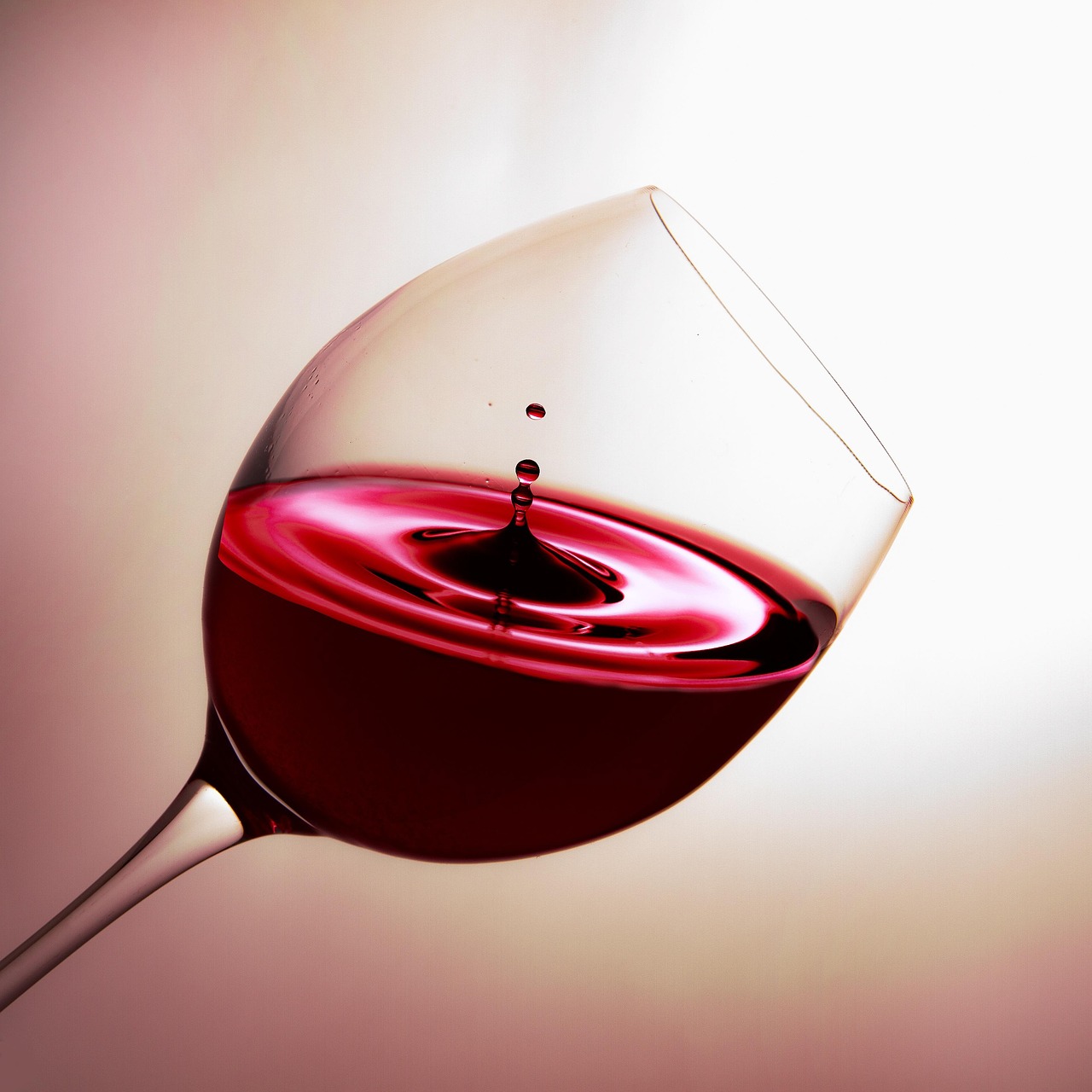
As you explore various bottle profiles, learning how to serve red wine correctly enhances your overall tasting experience.
Core Grape Varieties and Characteristic Styles
Understanding Tannin, Acid, and Alcohol
Three core structural elements define the profile of any wine: tannin, acidity, and alcohol. Tannins, derived from grape skins, seeds, and stems, provide drying astringency and structural framework essential for red wine aging.
Acidity supplies freshness, mouth-watering energy, and preservation qualities, while alcohol contributes body, warmth, and textural weight. Balance among these three components dictates whether a wine feels harmonious or disjointed on the palate.
Classic Red Grape Varieties
The global landscape of red wine is anchored by a few foundational grape varieties. Cabernet Sauvignon offers deep color, firm tannins, and blackcurrant notes, while Pinot Noir displays thin skins, translucent color, and bright red berry aromatics.
Syrah brings savory black pepper, dark fruit, and meaty characteristics, while Zinfandel exhibits lush, jammy berry profiles and spice notes. Each variety reflects its unique botanical makeup and geographical origins.
White and Sparkling Wine Style Basics
White and sparkling wine styles rely on crisp acidity and fruit preservation rather than skin-contact extraction. Varieties like Chardonnay range from crisp and unoaked to rich and buttery, depending on vinification techniques.
Aromatic whites like Riesling and Sauvignon Blanc showcase floral, citrus, and herbal notes. Sparkling wines introduce carbon dioxide bubbles, which scrub the palate and amplify aromatic volatility upon release.
Systematic Tasting Methodologies
A systematic tasting approach involves observing appearance, smelling aromas, and evaluating structural palate components. Swirling the glass introduces oxygen, releasing volatile compounds that reveal primary fruit and secondary fermentation notes.
Evaluating persistence, or finish, helps determine the quality and concentration of a wine. Independent tasting focuses on descriptive observation rather than subjective scoring or ranking systems.
For robust flavor profiles, examining french red wine cabernet sauvignon bottles provides great insight into bold structural tannins.
Practical Food Pairing Principles
Matching Weight and Intensity
The foundational rule of food and wine pairing is matching weight and intensity. Delicate dishes require light-bodied wines to prevent the beverage from overpowering subtle culinary flavors.
Conversely, robust, heavily spiced stews demand powerful, full-bodied reds with high tannin and alcohol levels to stand up to rich ingredients. Equal intensity ensures neither the food nor the wine is eclipsed.
Acidity, Fat, and Palate Cleansing
High-acidity wines act as natural palate cleansers when paired with fatty or oily foods. The sharp acidity cuts through rich textures, refreshing the palate between bites.
For example, high-acid red or white wines pair exceptionally well with rich cheeses and fatty meats. This balancing mechanism prevents richness from becoming cloying during a meal.
Tannins and Protein Interactions
Tannins bind readily to dietary proteins in food rather than saliva proteins, effectively softening their astringent impact on the palate. This interaction makes robust red wines ideal partners for red meat.
Lean fish paired with high-tannin reds often results in a metallic or harsh taste because insufficient protein is present to soften the tannins. Matching protein density remains a key guiding principle.
Sweetness and Salt Balances
Salt in food enhances the perception of sweetness and fruitiness in wine while subduing bitterness and astringency. Conversely, high salt can make low-alcohol or dry wines taste muted or overly acidic.
Sweet wines paired with salty foods create a delightful contrast, as seen in traditional dessert pairings. Understanding these fundamental chemical interactions allows for reliable, enjoyable culinary combinations.
Introductory Viticulture and Winemaking Concepts
The Influence of Climate and Soil
Viticulture begins in the vineyard, where climate and soil composition dictate vine growth and grape ripening. Cool climates generally produce wines with higher acidity and lower alcohol, while warm climates yield riper fruit and higher alcohol levels.
Soil types, including limestone, clay, gravel, and schist, influence drainage and root development. These environmental factors, collectively known as terroir, imprint subtle mineral and structural characteristics onto the harvested fruit.
Harvesting Decisions and Ripeness
Determining the optimal harvest date involves measuring sugar accumulation, acid degradation, and phenolic ripeness of the grape skins and seeds. Winemakers must balance potential alcohol levels with aromatic complexity.
Manual harvesting allows for rigorous cluster selection in the vineyard, whereas mechanical harvesting offers speed during ideal weather windows. Each method impacts the condition of the fruit arriving at the winery facility.
Fermentation and Maceration Basics
Fermentation is the biochemical process where yeasts convert grape sugars into alcohol and carbon dioxide. In red winemaking, maceration involves soaking grape skins in the fermenting juice to extract color, flavor compounds, and tannins.
Temperature control during fermentation ensures that volatile aromas are preserved. Winemakers manage extraction through gentle pump-overs or punch-downs of the cap formed by floating grape skins.
Aging Vessels: Oak Versus Stainless Steel
Following fermentation, wines are transferred to aging vessels that shape their final texture and flavor profile. Stainless steel tanks preserve pure fruit characteristics without imparting oak flavors or allowing micro-oxygenation.
Wooden barrels, particularly oak, permit slow, controlled oxygen ingress while imparting subtle vanilla, spice, and toast aromas. The choice of aging vessel depends entirely on the desired style of the finished wine.
Frequently Asked Questions
What is the single best temperature for long-term wine storage?
The single best temperature for long-term wine storage is a stable 55°F (13°C). This specific temperature slows chemical maturation processes to an ideal rate while protecting the structural integrity of the cork and liquid. Consistency is far more critical than achieving an exact mathematical degree, provided the environment remains free from drastic thermal swings and excessive heat.
Does room temperature mean modern household temperature for red wine?
No, historical room temperature refers to unheated European castle and stone dwelling temperatures of roughly 60°F to 65°F, which is noticeably cooler than modern heated homes. Serving red wine at typical modern room temperatures of 70°F to 72°F causes the alcohol to taste harsh and masks delicate fruit aromas. Cooling reds down slightly yields better balance.
How quickly does wine warm up in the glass after pouring?
Wine warms up surprisingly fast once poured into a glass, often rising several degrees within ten to fifteen minutes due to ambient room heat and hand warmth. Because of this natural warming trend, it is beneficial to serve both whites and reds slightly cooler than your target tasting temperature so they evolve nicely while in the glass.
Can fluctuating temperatures ruin a bottle of red wine?
Frequent and severe temperature fluctuations can indeed ruin a bottle of wine over time. As temperatures rise, liquid expands, pushing against the cork and letting air inside; as it cools, it contracts, drawing more air in. This constant breathing accelerates oxidation and degrades the flavor profile, making stable storage paramount for preservation.
Should red wines ever be served chilled?
Light-bodied red wines, such as Gamay, Pinot Noir, and Mencía, benefit greatly from being served lightly chilled, between 55°F and 60°F. Chilling tightens the fruit profile, refreshes the palate, and restrains high alcohol perception. Even fuller-bodied reds can be temporarily cooled if ambient room temperatures are excessively warm before pouring.
How does bottle orientation affect storage longevity?
Storing wine bottles on their side keeps the liquid in constant contact with the natural cork closure, ensuring the cork remains moist and swollen. If a bottle is stored upright for extended periods, the cork can dry out, shrink, and allow air to enter. Screw caps and synthetic closures eliminate this orientation requirement entirely.