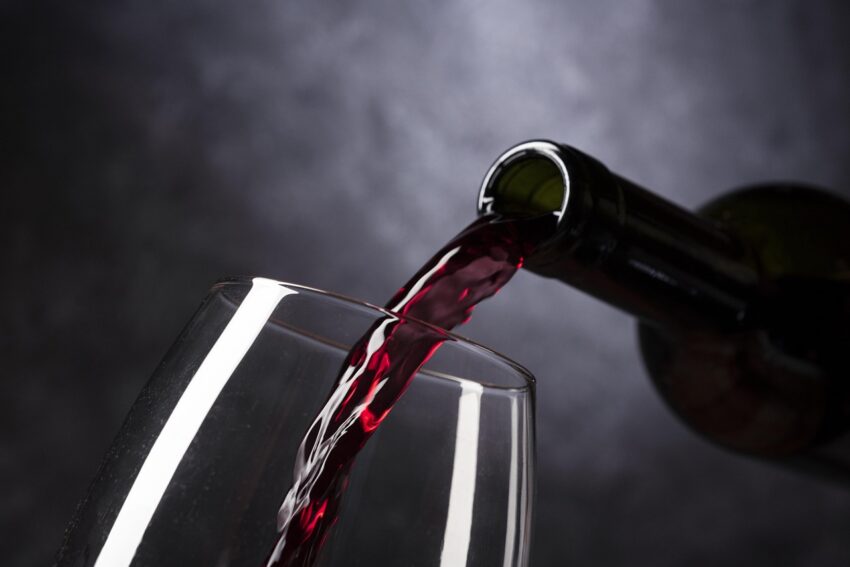
Red wine is ideally stored at a consistent temperature between 50°F and 55°F (10°C to 13°C) to preserve its delicate chemical balance, structural integrity, and aromatic compounds over extended periods. Subjecting red wine to wide thermal swings, sudden temperature spikes, or excessive ambient heat accelerates chemical aging, leading to premature oxidation, loss of vibrant fruit characteristics, and structural collapse.
While many traditional households suggest serving red wine at ambient room temperature, modern living spaces are often far too warm—frequently exceeding 70°F (21°C). Storing and serving reds slightly cooler than modern room temperature ensures that volatile aromatics remain balanced while the underlying structural components, such as tannins and acidity, express themselves clearly without alcoholic harshness overpowering the palate or masking subtle varietal nuances.
Fundamentals of Wine Storage Environments
Temperature Stability Mechanics
Maintaining a stable thermal environment is the single most critical factor in successful long-term wine preservation. Rapid shifts in temperature cause the liquid inside the glass bottle to expand and contract, which can compromise the tight seal around the cork and draw ambient air directly into the bottle cavity.
Dedicated wine refrigerators or subterranean cellars provide the necessary insulation and active cooling mechanisms to prevent these damaging fluctuations. Consistent cool temperatures slow down chemical reactions, allowing the wine to mature at a graceful, predictable pace without heat-induced degradation, loss of freshness, or structural imbalance.
Humidity Control for Cork Integrity
Relative humidity levels play a vital secondary role in protecting bottled wine, particularly when traditional natural cork closures are utilized in the packaging. Ideal storage environments maintain a strict relative humidity range of seventy to eighty percent to prevent the natural cork from drying out prematurely.
If the ambient air becomes excessively dry, natural corks can shrink and let air penetrate the bottle, leading directly to accelerated oxidation. Conversely, relative humidity that is too high can foster mold growth on paper labels and wooden packaging materials, requiring careful environmental monitoring.
Minimizing Light and Vibration Exposure
Ultraviolet rays and continuous mechanical vibrations represent persistent environmental threats to the chemical stability of aging red wine. UV light interacts negatively with phenolic compounds and sulfur molecules, producing unpleasant aromas and flavors often described as lightstruck or cooked faults.
Constant mechanical vibrations disrupt the quiet sedimentation process that occurs naturally inside older bottles, keeping fine particles suspended and potentially accelerating unwanted chemical changes over time. Storing wine in dark, stable spaces away from household appliances and heavy foot traffic protects its structural integrity.
Before setting your cellar controls, understanding if wine should be cold helps prevent premature aging and structural damage over time.
Red Wine Temperature Profiles by Style
Light-Bodied Reds and Chilling Needs
Light-bodied red wines, such as Pinot Noir, Gamay, and Frappato, benefit significantly from a light chill before being poured into glasses. Serving these delicate styles at roughly 55°F accentuates their bright acidity and charming red fruit characteristics without dampening the overall experience.
Chilling light reds slightly tames the perception of alcohol and brings forward refreshing floral, herbal, and mineral notes. Placing the bottle in a standard refrigerator for twenty to thirty minutes prior to serving achieves this ideal temperature profile safely and efficiently.
Medium-Bodied Reds and Ambient Service
Medium-bodied reds like Merlot, Chianti, and Barbera occupy a middle ground where moderate cellar temperatures allow both fruit and structural tannin to shine. Storing these versatile bottles around 55°F to 60°F prevents the alcohol from feeling hot, disjointed, or overly aggressive on the palate.
When poured at these moderate temperatures, medium-bodied reds display balanced savory, earthy, and fruit-forward profiles. If a home environment is particularly warm, placing the bottle in an ice bucket for a very brief period restores sensory harmony before the meal begins.
Full-Bodied Reds and Room Temperature Realities
Full-bodied red wines, including Cabernet Sauvignon, Syrah, and Nebbiolo, possess robust tannin structures that can feel overly astringent if served too cold. However, historical room temperature references apply to drafty nineteenth-century European stone castles rather than modern centrally heated homes.
The ideal serving temperature for robust reds sits comfortably around 62°F to 65°F. Achieving this often requires briefly cooling bottles that have been sitting in a warm living room, ensuring the dense fruit extract remains vibrant rather than baked or heavy.
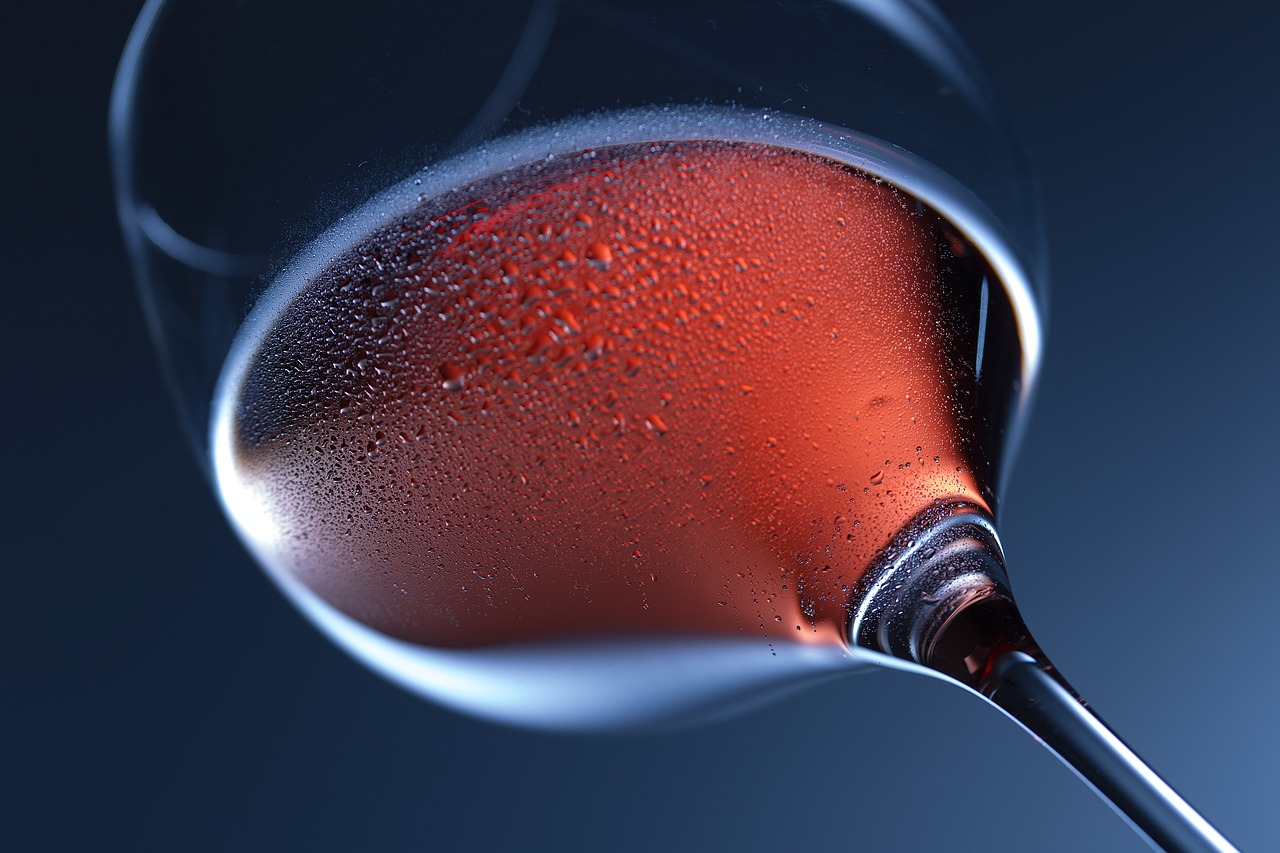
When managing lighter-bodied bottles for summer service, knowing how to chill red wine correctly ensures optimal aromatic expression in the glass.
Grape Varieties and Viticultural Influences
Cool-Climate vs. Warm-Climate Fruit Profiles
Viticultural practices and regional climates heavily dictate how a grape variety behaves in the bottle and how it responds to storage conditions. Cool-climate vineyards produce grapes with higher natural acidity and lower sugar levels, resulting in leaner, tighter wines that require careful cellaring.
Warm-climate regions yield grapes with higher sugar accumulation, producing higher alcohol content and riper fruit characteristics. Understanding these foundational differences helps educators explain why certain bottles demand stricter temperature control to prevent alcohol dominance during consumption.
Tannin Structure and Serving Temperature Interaction
Tannins are natural polyphenols found in grape skins, seeds, and stems that contribute essential astringency and structural framework to red wine. The human perception of tannin is directly influenced by temperature, becoming noticeably harsher and more drying when the wine is chilled excessively.
Maintaining appropriate storage and serving temperatures ensures that tannins integrate smoothly with the wine’s alcohol and body. This crucial balance allows the tactile sensations on the palate to remain pleasant and velvety rather than unpleasantly aggressive or chalky.
Acidity Retention in Red Wine Varieties
Natural acidity provides a vital structural backbone and refreshing edge, balancing the rich fruit extracts and alcohol found in red wines. Grapes harvested from cooler agricultural sites retain tartaric and malic acids much more effectively throughout the growing season.
Proper storage conditions safeguard this essential acidity, preventing premature chemical breakdown that can make aged red wines taste flabby or dull. Acid retention remains a primary metric for evaluating a wine’s long-term aging potential and structural longevity.
Winemaking Choices and Chemical Stability
Oak Aging and Structural Evolution
Winemakers frequently utilize oak barrels to introduce controlled oxygenation and complex aromatic compounds like vanilla, spice, and toast to red wines. The porous nature of wood allows tiny, measured amounts of oxygen to interact with the wine, softening structural components over time.
This maturation process changes the wine’s chemical profile, requiring stable storage environments to ensure the oak influence integrates harmoniously with the fruit rather than overpowering it over extended periods of time in the cellar.
Sulfites and Preservation Mechanisms
Sulfur dioxide is widely used in winemaking as an antioxidant and antimicrobial agent to protect wine from spoilage and oxidation. Sulfites bind with various chemical compounds in the wine, stabilizing its vibrant color and extending its viable lifespan significantly.
While sulfites play a crucial protective role, they do not replace the need for proper temperature-controlled storage conditions. Maintaining cool, dark environments works in tandem with sulfite additions to keep the wine chemically stable and structurally sound.
Bottling Closures: Corks Versus Screw Caps
The choice of bottle closure significantly impacts how ambient air interacts with red wine over years of storage. Traditional natural cork allows micro-oxygenation, whereas modern metal screw caps create an airtight seal that virtually eliminates oxygen transfer entirely.
Each closure style presents distinct management considerations for long-term cellaring and service. Screw-capped wines retain primary fruit aromas longer in cool environments, while cork-finished bottles require careful humidity regulation to maintain proper closure integrity.
Practical Food Pairing and Culinary Contexts
Balancing Tannin and Protein Interactions
Food pairing relies on understanding how chemical components in food interact directly with the structural elements of red wine. Proteins and fats in dishes like grilled meats bind seamlessly with tannins, softening the wine’s astringency on the palate.
This interaction makes robust, tannic red wines taste remarkably smooth when accompanied by rich, protein-dense meals. Conversely, high-tannin wines can taste metallic and harsh when paired with delicate fish or low-protein vegetarian dishes lacking sufficient fat content.
Acid Matching with Rich Culinary Dishes
High-acid red wines act as an effective palate cleanser when served alongside rich, oily, or fatty culinary preparations. The bright acidity cuts through heavy fats, refreshing the palate between bites and enhancing the overall dining experience.
Selecting a wine with complementary acidity prevents rich foods from feeling heavy or cloying on the palate. Understanding this mechanism allows educators and enthusiasts to craft balanced menus without relying on overly complex culinary rules.
Temperature Effects on Flavor Perception
Serving red wine at the correct temperature directly influences how food flavors harmonize with the beverage. Overly warm red wines emphasize alcohol over fruit, clashing unpleasantly with delicate spices and sauces present on the plate.
Conversely, serving red wine slightly cool accentuates its freshness, creating a harmonious bridge between the beverage and the culinary dish. Precise temperature control remains a vital component of successful food and wine pairing in any setting.
Balancing meal flavors with beverage temperatures requires attention to detail, especially regarding how to serve red wine alongside rich main courses.
Frequently Asked Questions
How cold should red wine be stored long-term?
Red wine should ideally be stored long-term at a consistent temperature between 50°F and 55°F (10°C to 13°C). Maintaining this steady environment prevents thermal expansion and contraction of the liquid inside the bottle, which protects the cork seal from failing. Additionally, cool temperatures slow down chemical aging reactions, ensuring that the wine matures at a gradual, predictable pace without suffering heat damage or losing its complex aromatic profile over years of quiet cellaring.
Can red wine be stored in a standard kitchen refrigerator?
A standard kitchen refrigerator is generally set too cold for long-term red wine storage, usually operating around 35°F to 38°F (2°C to 3°C). Furthermore, standard refrigerators lack humidity control, which can dry out natural corks over extended periods, and they experience frequent vibrations from motor compressor cycles. However, placing a red wine in a standard fridge for thirty minutes before serving to achieve proper consumption temperature is perfectly acceptable.
What happens if red wine gets too warm during storage?
When red wine is exposed to elevated temperatures exceeding 70°F (21°C), chemical reactions accelerate rapidly. This heat-induced stress causes the wine to cook, resulting in flat, stewed fruit flavors and loss of vibrant freshness. Prolonged heat exposure can also cause the liquid to expand forcefully, pushing the cork outward and allowing damaging oxygen into the bottle, which quickly ruins the beverage through advanced oxidation.
Is room temperature a good guide for serving red wine?
The traditional advice to serve red wine at room temperature originated in European castles before modern central heating, when indoor temperatures hovered around 60°F to 65°F (15°C to 18°C). In contemporary homes, where temperatures frequently exceed 70°F (21°C), serving reds at true room temperature makes the alcohol taste harsh and masks delicate fruit notes. Consequently, lightly chilling most red wines before pouring yields a much more balanced experience.
How does light exposure affect stored red wine?
Exposure to direct sunlight or harsh indoor fluorescent lighting can chemically alter red wine through ultraviolet radiation. UV rays interact negatively with phenolic compounds and sulfur molecules in the beverage, generating unpleasant sulfurous off-odors often referred to as lightstruck faults. To protect structural integrity and maintain flavor fidelity, red wine should always be stored in dark environments or inside UV-protected glass bottles and specialized cabinets.
Why is humidity important for wine storage cellars?
Relative humidity levels between seventy and eighty percent are ideal for wine cellars primarily to preserve natural cork closures. If the surrounding air is too dry, the cork loses moisture, shrinks, and permits air to seep into the bottle, causing premature oxidation. Conversely, maintaining balanced humidity prevents cork degradation while avoiding excessive moisture that can foster mold growth on wine labels and wooden storage racks.