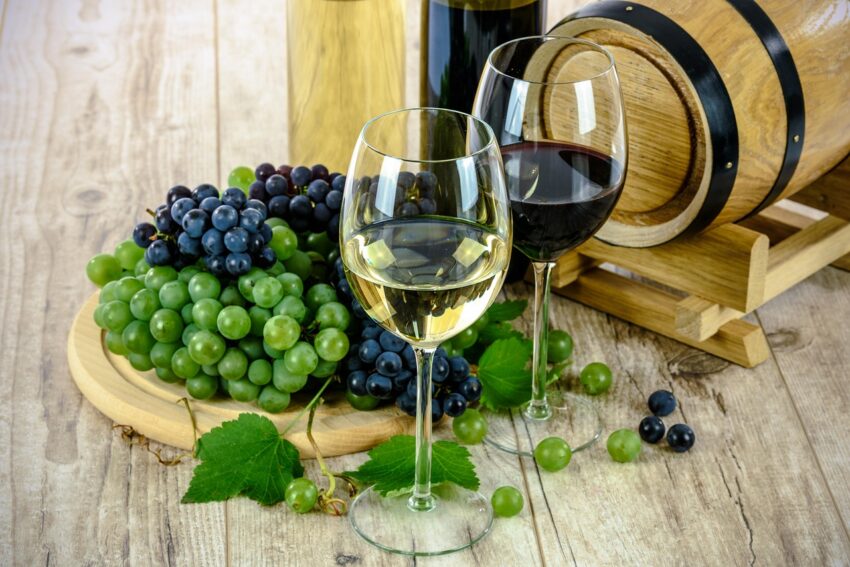
Pairing wine with turkey chili requires balancing the dish’s lean protein, earthy beans, and often moderate spice levels. Because ground turkey is milder than beef, overly heavy and tannic red wines can overpower the poultry, creating a metallic or overly astringent finish on the palate.
Instead, look toward versatile red wines with bright acidity and moderate tannins, or structured white and rosé wines that can cool down chili heat. The key components of successful pairings rely on matching the intensity of the beans, tomatoes, and chili peppers used in the recipe.
Whether your chili features smoky chipotle peppers, green chilis, or traditional kidney beans, understanding basic grape characteristics helps elevate the dining experience. Exploring regional styles, acidity levels, and serving temperatures ensures a harmonious meal without overwhelming your palate.
Flavor Profiles of Turkey Chili
Lean Meat and Texture
Ground turkey provides a distinctively lighter culinary base than heavier red meats like beef, lamb, or venison. This lower overall fat content means the poultry absorbs surrounding aromatic spices quickly while maintaining a delicate mouthfeel that requires thoughtful wine selection to avoid completely masking the subtle meat flavors in your bowl during dinner.
When pairing wines with lean poultry dishes, excessively high tannin levels can clash uncomfortably with the delicate proteins. Selecting bottles featuring supple fruit notes, gentle structural elements, and moderate alcohol levels keeps the palate balanced and lets the turkey remain the central focus throughout the meal without ever tasting metallic or astringent. Careful consideration of these structural traits ensures a truly cohesive pairing experience.
Spices and Seasonings
Turkey chili frequently incorporates warm spices like ground cumin, coriander, chili powder, and smoked paprika. These aromatic elements demand wines with bright fruit profiles and sufficient natural acidity to bridge the gap between earthy spice blends and the savory base of the dish without tasting disjointed or completely overwhelmed on the palate.
High alcohol wines can dangerously accentuate the burning sensation of spicy chili peppers on the tongue. Choosing lower alcohol options with vibrant red fruit characteristics helps tame the heat effectively without overwhelming the complex spice rack utilized during the simmering and cooking process in your home kitchen. Monitoring the heat intensity keeps the flavor balanced.
Beans and Accompaniments
Traditional chili recipes often feature kidney beans, black beans, or pinto beans alongside stewed tomatoes and onions. These starchy, earthy ingredients introduce a rustic quality that pairs wonderfully with medium-bodied wines featuring subtle herbal, savory, and mineral undertones that complement the garden flavors beautifully in every single comforting bite you take.
Common toppings like sharp cheddar cheese, sour cream, and fresh cilantro also alter the dining dynamic significantly. Dairy components coat the palate, which actually allows slightly higher acidity in wine to cut through the richness and refresh the taste buds efficiently between spicy bites of hearty comfort food on game day.
For related wine guidance, see orange chicken wine pairing.
Red Wine Selections
Lighter Reds with Low Tannins
Light-bodied red wines serve as natural companions for poultry-based chilis because they lack the aggressive astringency found in heavier, heavily oaked bottles. Varieties like Pinot Noir, Gamay, and Zweigelt offer vibrant red fruit flavors that harmonize seamlessly with ground turkey without dominating the overall meal structure on your dinner table.
These lighter reds often display high natural acidity, which provides a refreshing contrast to warm spices and rich tomato-based sauces. Chill these versatile selections slightly before serving to emphasize their bright fruit characteristics and enhance the pairing experience with your homemade bowl on a cozy autumn evening.
Medium-Bodied Reds and Fruit
Medium-bodied reds bring a bit more weight to the table while still respecting the delicate nature of turkey chili. Grapes such as Merlot, Grenache, and Barbera deliver lush plum and cherry notes that bridge the gap between rich beans and savory meats successfully without overpowering your palate during a casual meal.
Barbera, in particular, boasts remarkable acidity and low tannins, making it an exceptional candidate for tomato-forward dishes. Its fruit-forward profile stands up to moderate spice levels while keeping the palate clean and engaged throughout the entire dining experience from the first bite onward during dinner.
Earthy and Spicy Red Varieties
Certain red grapes possess inherent earthy, herbal, and pepper notes that echo the seasonings inside a pot of turkey chili. Varieties like Cabernet Franc and Mencia provide wonderful aromatic complexity that mirrors the cumin and chili powder in the recipe without creating flavor friction during your meal.
These cool-climate or moderately structured reds avoid heavy jammy qualities, ensuring the wine tastes refreshing alongside savory poultry. Their savory herbal undertones create a sophisticated bridge between the wine glass and the rustic ingredients in your serving bowl during weekend dinner parties with friends.

For related wine guidance, see tuscan chicken wine pairing.
White and Rosé Alternatives
Crisp Whites for Heat
When turkey chili leans heavily into fiery habanero or jalapeño peppers, traditional red wines can fail due to high alcohol content accentuating the heat. Crisp white wines featuring residual sugar or vibrant natural acidity, such as off-dry Riesling or Chenin Blanc, offer incredible relief during spicy meals.
The refreshing chill and bright citrus flavors of these white wines act as an immediate palate cleanser against intense capsaicin burn. This stark temperature and flavor contrast cools down the spice, allowing you to enjoy both the food and the wine without experiencing unwanted palate fatigue.
Full-Bodied Whites for Richness
If your turkey chili recipe incorporates heavy doses of cream cheese, sour cream, or white beans, a textured white wine works wonderfully. Unoaked or lightly oaked Chardonnay and Viognier provide the necessary weight to match rich dairy additions bubbling away in the pot.
These wines offer stone fruit and floral aromatics that contrast nicely with savory poultry. The rich mouthfeel complements the creamy elements of the dish while maintaining enough structural acidity to prevent the pairing from feeling heavy or sluggish on the palate during dinner.
Dry Rosé Versatility
Dry rosé wines represent some of the most versatile options for pairing with complex poultry dishes. Made from red grapes with minimal skin contact, they combine the vibrant red fruit characteristics of reds with the refreshing crispness of whites flawlessly throughout the meal.
A structured, dark-hued rosé made from grapes like Syrah or Grenache possesses enough body to handle tomatoes and beans. The cool serving temperature and zesty acidity provide an effortless pairing bridge for transitional weather and hearty comfort food meals at home.
For related wine guidance, see chicken francese wine pairing.
Serving and Temperature Considerations
Wine Serving Temperatures
Serving temperature plays a critical role in how a wine interacts with spicy and savory foods. Lighter red wines and dry rosés benefit from a slight chill, which enhances their refreshing qualities and prevents alcohol from feeling hot against chili spices.
Conversely, serving reds too warm can amplify the perception of alcohol, making the pairing taste harsh and disjointed. Aim for cellar temperature or slightly cooler to ensure the wine remains vibrant, balanced, and complementary to your homemade dinner on any evening.
Chili Spice Adjustments
The heat level in your turkey chili dictates the ideal wine style more than any other single factor. As capsaicin levels increase, tannins in red wine taste increasingly bitter, making it essential to adjust your bottle selection toward fruitier or off-dry styles.
Tasting your chili before pouring the wine allows you to evaluate the spice profile accurately. If the dish turns out spicier than anticipated, switching to a chilled white or rosé can instantly rescue the meal and restore complete flavor harmony at the table.
Glassware and Aeration
Proper glassware enhances the aromatic appreciation of both the chili and the selected wine. Using standard universal wine glasses allows fruit aromas to concentrate while letting undesirable ethanol vapors dissipate freely away from the rim during dinner service.
Allowing younger red wines a brief period of aeration before serving softens their initial edges. This simple step integrates the fruit and acidity, ensuring a smoother transition when paired with the savory, spiced flavors of homemade turkey chili on your table.
Frequently Asked Questions
Does sweet wine work with spicy turkey chili?
Off-dry and slightly sweet wines can work surprisingly well when the turkey chili features intense heat from chili peppers. Residual sugar acts as a natural buffer against capsaicin, reducing the burning sensation on the tongue while highlighting savory flavors effectively.
However, highly sweet dessert wines will clash with the savory, acidic nature of tomatoes and beans. Stick to off-dry styles like Riesling, Chenin Blanc, or lightly sweet Gewurztraminer to maintain a pleasant culinary balance without feeling cloying or heavy during dinner.
Should I use red or white wine for turkey chili?
Both red and white wines can pair successfully with turkey chili, depending entirely on the specific recipe ingredients and spice levels. Lighter red wines suit tomato-heavy, traditional batches, while crisp white wines excel with fiery green chilis or creamy white bean variations.
Personal preference also dictates the choice, but matching the weight and flavor intensity of the wine to the dominant elements of the chili remains the golden rule. Experimenting with different styles helps discover your favorite personal combination over time.
How do bean varieties affect wine pairing choices?
Different beans impart distinct textures and earthy flavors that influence wine selection. Black beans and kidney beans bring a rustic, starchy density that calls for earthy, medium-bodied reds with good acidity to cut through the weight of the bowl.
White cannellini beans offer a smoother, creamier mouthfeel that pairs harmoniously with textured, medium-bodied white wines like Chardonnay or Viognier. Considering the bean base ensures the wine bridges the gap between the poultry and the starches effectively.