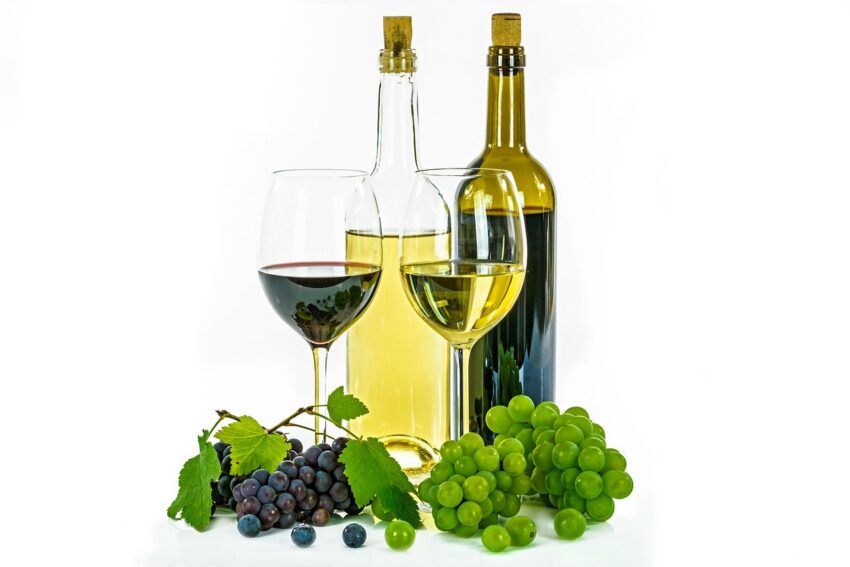
Pairing wine with orange chicken requires balancing a dish defined by sweet citrus glazes, savory soy undertones, and crispy fried textures. The sauce typically centers on sugar, vinegar, and orange zest, which can overwhelm delicate wines or clash with heavy tannins. Successful pairings must account for both the pronounced sweetness and the acidity inherent in the glaze.
The ideal wine selections generally feature high acidity, moderate alcohol levels, and varying degrees of residual sweetness. Off-dry white wines, aromatic styles, and sparkling varieties tend to perform exceptionally well against the rich, breaded poultry. These options bridge the gap between sweet and savory flavor profiles without creating metallic or overly bitter sensations on the palate.
Exploring this pairing involves understanding how sugar and acidity interact with wine components. While heavy reds usually struggle with sweet-and-sour dishes, lighter reds with low tannins can occasionally succeed if served slightly chilled. The following sections examine specific grape varieties, regional styles, and practical strategies to enhance your dining experience.
Flavor Profiles of Orange Chicken
Sweet and Tangy Sauce Dynamics
The sauce coating orange chicken relies on a heavy concentration of sugar balanced by vinegars, soy sauce, and fresh citrus zest. This creates a dual sensation of sweetness and sharpness that directly impacts how a wine’s fruit notes and acidity are perceived.
High sugar levels in food can make a dry wine taste thin, acidic, and austere by stripping away its fruit perception. Matching the sweetness or ensuring the wine possesses vibrant, balancing acidity prevents the dish from tasting cloying and keeps the pairing refreshing.
Textural Elements of Crispy Poultry
Orange chicken features bite-sized pieces of poultry coated in batter, deep-fried until golden, and tossed in the glossy glaze. This fried coating introduces a rich, oily element that coats the mouth, demanding a beverage capable of cutting through lipids.
Wines with high acidity act as a palate cleanser, slicing through the fried batter’s oiliness and resetting the taste buds between bites. Carbonation or effervescence in sparkling wine provides an additional textural contrast that enhances the crispy mouthfeel of the dish.
Navigating Subtle Spice and Aromatics
Beyond basic sweet and sour notes, authentic preparations often incorporate garlic, ginger, crushed red pepper flakes, and scallions. These aromatic additions introduce subtle heat and savory depth that require thoughtful consideration when selecting a beverage.
Spicy elements can, in some cases, accentuate the perception of alcohol in wine, making higher-ABV options taste more burning or harsh. Opting for lower-alcohol wines with expressive aromatics ensures the ginger and garlic notes harmonize rather than fight with the glass.
For related wine guidance, see chicken francese wine pairing.
White Wine Selections
Off-Dry Riesling Characteristics
Off-dry Riesling stands out as a classic companion for sweet-and-sour poultry dishes due to its natural balance of residual sugar and piercing acidity. The slight sweetness mirrors the orange glaze, while the high acid structure cuts cleanly through the fried exterior.
Furthermore, Riesling offers distinctive stone fruit and citrus aromas that echo the primary flavors in the sauce. This aromatic alignment creates a seamless bridge between the glass and the plate, elevating the overall dining experience without overwhelming the palate.
Gewürztraminer Spice Alignment
Gewürztraminer is renowned for its intense floral aromas, lychee notes, and ginger-like spice characteristics. These exotic flavor profiles naturally complement the complex aromatics found in modern Chinese-American cooking, particularly dishes featuring fresh ginger and garlic.
Because this grape variety typically exhibits lower acidity and fuller body, it matches the weight of the battered chicken. Selecting a style with a touch of sweetness ensures the wine does not taste bitter when contrasted with the sugary glaze.
Unoaked Chardonnay and Crispness
Unoaked Chardonnay provides a clean, fruit-forward alternative that avoids the heavy oak influence and buttery flavors associated with barrel-aged styles. Without oak-derived texture and flavour compounds interfering, the wine focuses on green apple, lemon, and mineral characteristics.
This crisp profile refreshes the palate after heavy fried food, while the wine’s medium body prevents it from getting lost beside the protein. Serving it well-chilled enhances its thirst-quenching properties during a flavorful meal.
For related wine guidance, see chicken milanese wine pairing.
Rosé and Sparkling Options
Fruit-Forward Dry Rosé Styles
Dry rosé wines made from red grapes offer a versatile middle ground, combining the refreshing acidity of white wine with subtle red berry fruit notes. Styles crafted from Grenache or Syrah often possess enough weight to handle fried chicken.
The vibrant red fruit flavors, such as strawberry and cherry, contrast nicely with the savory soy components in the sauce. Meanwhile, the dry finish ensures the beverage remains crisp and cleansing rather than adding extra sweetness to the table.
Prosecco and Effervescent Cuts
Italian Prosecco brings lively bubbles and approachable, fruit-driven profiles featuring green pear and white peach. The carbonation provides a cleansing textural contrast to the greasy residue left by deep-frying, helping to refresh the palate between bites.
Additionally, the gentle effervescence lifts the heavy citrus glaze, making the entire dining experience feel lighter and more dynamic. Selecting an extra-dry style provides just enough sugar to match the dish without tasting overly sweet.
Traditional Method Sparkling Wines
Traditional method sparkling wines, such as Cava or Crémant, offer complex brioche and crisp citrus notes backed by fine, persistent bubbles. Their high acidity and structured effervescence make them exceptional partners for rich, fried proteins.
The complexity of these sparkling wines adds sophistication to a casual weeknight meal, turning standard takeout into a thoughtful pairing exercise.
For related wine guidance, see tuscan chicken wine pairing.
Red Wine Considerations
Light-Bodied Pinot Noir Nuances
Pinot Noir is prized for its low tannin structure, high acidity, and bright red cherry and raspberry flavors. When selecting a lighter-bodied expression, it can work with poultry if the sauce is not excessively sweet.
Serving the wine at a slightly cooler temperature can emphasize its acidity and freshness, which may help prevent harsh interactions with the vinegar in the glaze. However, it requires careful assessment of the dish’s sugar levels before pouring.
Gamay and Fruit-Driven Profiles
Gamay, famously associated with Beaujolais, offers juicy red fruit characteristics, low tannins, and vibrant acidity. Its youthful, grape-forward profile bypasses the heavy astringency that ruins sweet pairings, focusing instead on pure fruit expression.
This style acts as a refreshing counterweight to the savory fried chicken, provided the glaze does not overpower the wine’s delicate structure. It represents a fun, unconventional choice for red wine enthusiasts exploring Asian-inspired cuisine.
Avoiding Heavy Tannin Clashes
Full-bodied red wines like Cabernet Sauvignon, Syrah, or Malbec present significant pairing challenges when matched with orange chicken. Their high tannin levels react poorly with sugar and vinegar, producing a bitter, metallic finish on the tongue.
Furthermore, the elevated alcohol content in robust reds can clash with the spicy elements of ginger and chili flakes. Keeping bold red wines away from sweet-and-sour poultry dishes generally improves the pairing outcome.
Frequently Asked Questions
Can you pair dry red wine with orange chicken?
Pairing dry red wine with orange chicken is generally discouraged because the sugar and vinegar in the sauce react poorly with heavy tannins. This interaction can create a harsh, bitter, or metallic impression that detracts from both the food and the wine.
If you prefer red wine, choosing very low-tannin options like light Pinot Noir or Gamay, served chilled, gives the best chance of a workable pairing. Even then, the sweetness of the glaze requires careful tasting to ensure the flavors do not conflict awkwardly.
Why do sweet wines work well with this dish?
Sweet and off-dry wines tend to work well because the sweetness in food can suppress the perceived fruitiness and sweetness of a dry wine, making it taste more austere or sharply acidic by contrast. Matching the sugar level in the glass preserves the wine’s fruit flavors and prevents it from tasting thin.
Additionally, residual sugar softens the impact of vinegar and spice, creating a smoother transition on the palate. This balance allows the complex aromatics of the dish to shine without competing against an overly austere beverage.
Should chilled wine be served with Chinese-American cuisine?
Chilled wine tends to work well with Chinese-American dishes featuring fried textures, sweet glazes, and subtle spice, though ideal serving temperature still depends on the specific wine style. Cooler temperatures enhance a wine’s refreshing acidity and downplay any harsh alcohol notes present in the bottle.
Whether serving crisp whites, dry rosés, or sparkling varieties, keeping them well-chilled provides a vital contrast to warm, savory foods. This temperature difference revitalizes the palate, making each bite of the meal taste as vibrant as the first.
How do wine label terms help identify the right sweetness level for an orange chicken wine pairing?
Navigating wine labels for sweet-and-sour dishes is helped by understanding terminology that signals approximate sweetness. Wines categorized as off-dry, medium-dry, or containing a measured amount of natural sweetness provide the necessary structural buffer against the rich glaze. Terms like trocken on German or Austrian bottles indicate a dry style, which may taste more austere alongside a sweet glaze; labels marked halbtrocken, feinherb, or off-dry signal some residual sweetness that can harmonize better with the dish.
Reviewing tech sheets or producer tasting notes for explicit clues about residual sugar helps prevent purchasing errors. Words like lush, ripe, or off-dry signal that the beverage will complement rather than fight the citrus elements. Recognizing these descriptors helps adult diners select bottles that bridge the gap between savory poultry and sugary sauces, reducing the risk of harsh or bitter impressions on the palate.
How does wine acidity interact with the umami and soy sauce found in the dish?
Umami depth, savory profiles, and sodium from soy sauce heavily influence how a wine tastes on the palate during a meal. Salt in prepared foods may suppress some bitterness and astringency in a beverage, though these effects vary with the specific wine and dish. High-acidity wines can complement this effect by cutting through the umami weight and maintaining a sense of freshness on the palate.
When soy sauce combines with sweet citrus glazes, the structural demands placed on the glass increase significantly. Acidic white, sparkling, or fruit-forward rosé selections prevent the savory components from feeling heavy or sluggish. This sensory interplay can help keep the rich, salty, and umami-driven profile of the dish feeling lively throughout the meal.