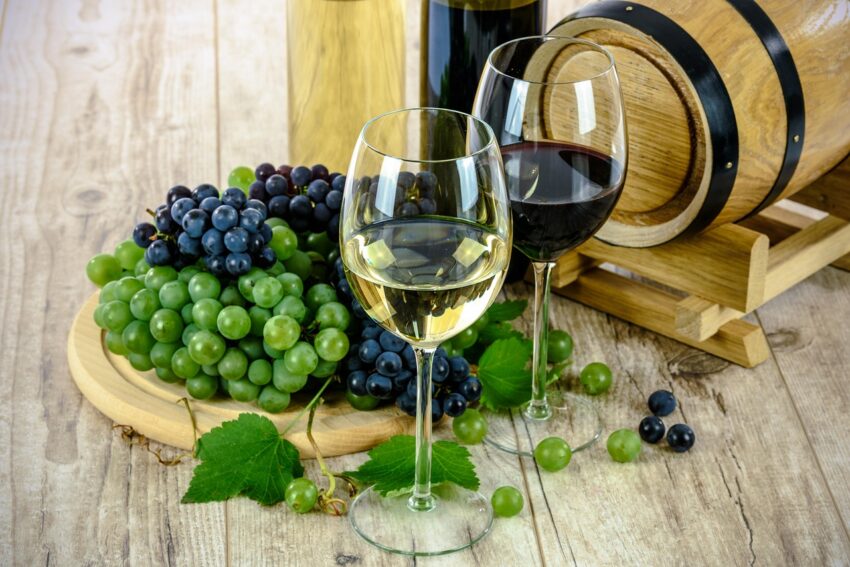
Sauvignon Blanc is globally celebrated for its vibrant acidity, herbaceous aromas, and crisp citrus profile. However, winemakers frequently manipulate these foundational characteristics through specific cellar choices, most notably malolactic fermentation.
While traditionally blocked to preserve sharp freshness, allowing malolactic fermentation in Sauvignon Blanc softens the wine’s natural malic acid, introducing lactic acid, creamy textures, and complex secondary flavors. This educational guide explores how viticultural decisions and bacterial conversions shape distinct stylistic expressions of this popular grape.
Fundamentals of Sauvignon Blanc Viticulture and Primary Chemistry
Grape Characteristics and Climatic Influences
Sauvignon Blanc thrives in cool to moderate climates, where lower temperatures help retain its signature bright acidity and pungent thiol compounds. Regions with significant diurnal temperature variation allow grapes to develop aromatic complexity while preserving essential natural acids.
Soil composition heavily influences the expression of the fruit. Limestone, flint, and alluvial soils impart distinct mineral and structural qualities, guiding how the grape responds to subsequent winemaking interventions in the cellar.
Winemakers study these regional variations carefully before deciding whether to pursue a crisp, un-oaked style or a richer, textured expression that incorporates secondary bacterial conversions.
Natural Acidity and Malic Acid Profile
The grape juice naturally contains high concentrations of tartaric and malic acids. Malic acid provides a sharp, green-apple-like tartness that defines the youthful profile of standard, un-oaked styles.
Managing this high acidity is a primary objective during harvest. Winemakers monitor pH levels closely to ensure the base material achieves stability without sacrificing the refreshing bite expected from the varietal.
Understanding this initial acid structure is essential for predicting how the wine will react if secondary fermentation is either encouraged or actively prevented by the cellar team.
Harvesting Decisions and Ripeness Metrics
Harvest timing directly dictates the chemical balance of the final wine. Picking earlier preserves green, herbaceous notes and elevated acidity, whereas waiting longer encourages tropical fruit aromas and lower overall acid levels.
Winemakers evaluate sugar accumulation alongside acid degradation to pinpoint the optimal window. This initial balance sets the framework for whether the wine will undergo secondary fermentation or remain strictly primary-fruit driven.
Agricultural practices in the vineyard ultimately establish the biochemical parameters that govern every subsequent decision made during the winemaking process.
Understanding Malolactic Fermentation in Winemaking
The Role of Lactic Acid Bacteria
Malolactic fermentation is a secondary biochemical process driven by lactic acid bacteria, primarily Oenococcus oeni. These bacteria consume harsh malic acid and convert it into softer lactic acid.
While common in red wines and rich whites like Chardonnay, initiating this conversion in Sauvignon Blanc requires careful temperature and pH management to prevent microbial spoilage.
Cellar masters must monitor bacterial populations closely to ensure the conversion proceeds smoothly without introducing unwanted volatile acidity or compromising the clean profile of the white wine.
Transforming Malic Acid into Lactic Acid
The physical transformation alters the mouthfeel of the liquid significantly. Transforming sharp malic acid into smoother lactic acid reduces perceived acidity and creates a rounder, more integrated texture on the palate.
This process also generates diacetyl, a chemical compound that imparts buttery or nutty aromatic nuances. In Sauvignon Blanc, winemakers must balance these secondary notes against the grape’s natural citrus character.
The resulting chemical shift changes the wine from a sharp, bracing beverage into a softer, more texturally complex liquid suitable for diverse culinary applications.
Controlling Temperature and Sulfur Dioxide
Lactic acid bacteria require specific environmental conditions to thrive, typically temperatures between 15 and 20 degrees Celsius. Excessive sulfur dioxide will inhibit bacterial activity, allowing winemakers to block fermentation entirely if desired.
Cellar hygiene and precise monitoring are essential during this phase. If left uncontrolled, secondary bacterial actions can introduce volatile acidity or undesirable off-flavors that compromise the wine’s cleanliness.
Winemakers utilize precise laboratory testing to track malic acid depletion, ensuring they can halt the bacterial activity at the exact moment desired for their stylistic goals.
Winemakers must carefully monitor the ideal temperature for malolactic fermentation to ensure bacterial activity proceeds without interruption.
The Impact of Malolactic Fermentation on Sauvignon Blanc Styles
Retaining Crispness Versus Softening Acidity
The decision to permit or block malolactic fermentation creates a stark stylistic divide. Blocking the process preserves the razor-sharp freshness and zesty citrus profile characteristic of classic cool-climate bottles.
Conversely, allowing the conversion softens the acidity, transforming a bracing sip into a smooth, approachable experience. This divergence lets producers craft radically different expressions from the exact same agricultural harvest.
Consumer preferences often dictate this choice, with traditionalists favoring crispness while adventurous drinkers explore the softer textures enabled by bacterial conversion.
Aromatics: From Green Herb to Creamy Textures
Standard Sauvignon Blanc displays aromas of freshly cut grass, bell pepper, and grapefruit. Introducing bacterial conversion shifts the aromatic spectrum away from aggressive green notes toward subtle baked-apple and pastry-dough nuances.
This aromatic shift broadens the stylistic appeal of the wine, attracting drinkers who typically prefer fuller-bodied whites but still appreciate the underlying structural integrity of the base varietal.
Evaluating these aromatic changes helps educators explain how cellar techniques transform a grape’s native expression into something entirely distinct.
Oak Aging and Texture Interaction
Malolactic fermentation is frequently paired with barrel aging in neutral or lightly toasted oak. The wood vessel allows micro-oxygenation, which works synergistically with the softer acid profile to build palate weight.
Lees stirring further enhances this creamy texture by suspending dead yeast cells in the liquid. Together, these techniques transform a light, aromatic white into a complex, textural gastronomic wine.
Understanding this synergy between wood, lees, and bacterial conversion provides deep insight into advanced white winemaking methodologies.
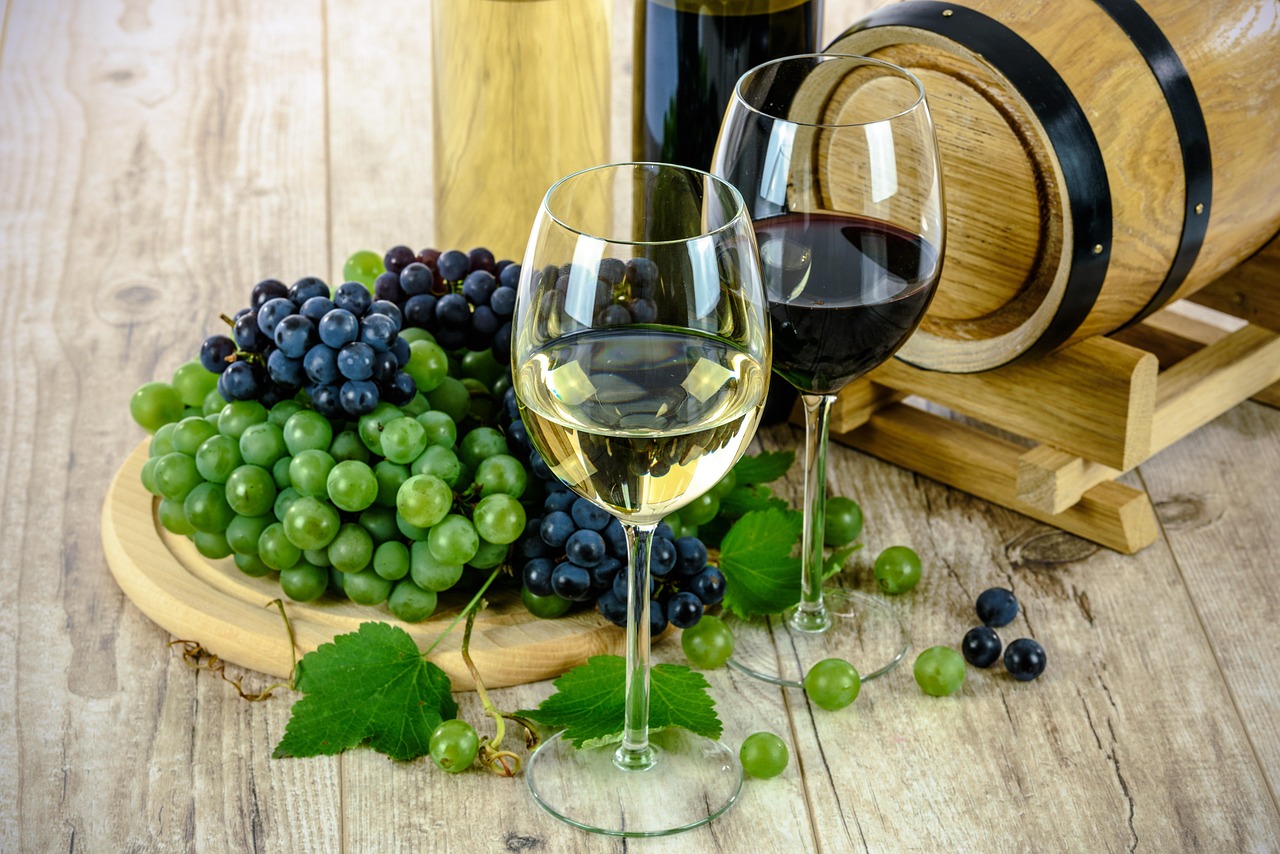
Exploring malolactic fermentation in white wine reveals how buttery textures can modify traditional crisp acidity.
Serving, Storage, and Temperature Protocols
Ideal Serving Temperatures for Different Styles
Serving temperature significantly dictates how aromas and structural elements present themselves. Crisp, high-acid styles benefit from chilling between 7 and 10 degrees Celsius to accentuate their refreshing mineral bite.
Wines that have undergone malolactic fermentation and oak aging perform better slightly warmer, around 11 to 13 degrees Celsius. This elevated temperature allows complex buttery and tertiary aromas to emerge fully.
Proper temperature control ensures that drinkers experience the wine exactly as the winemaker intended, balancing acidity and texture effectively.
Glassware Selection for Aromatic Varietals
Glass design influences the concentration of volatile compounds reaching the nose. A standard tulip-shaped white wine glass directs focused aromatics toward the center, highlighting the fruit and herbal notes of crisp styles.
For richer, barrel-fermented expressions with malolactic influence, a slightly wider bowl provides adequate oxygen contact. This broader surface area encourages integrated creaminess and dampens overly sharp alcoholic edges.
Selecting the appropriate vessel enhances the sensory evaluation of both un-oaked and malolactic-softened white wines.
Cellaring and Short-Term Storage Guidelines
Most standard, unoaked Sauvignon Blancs are produced for immediate consumption while primary fruit characteristics remain vibrant. Prolonged cellaring can cause these fresh profiles to fade into muted, oxidized notes.
Conversely, structured versions subjected to malolactic conversion and oak aging possess greater structural resilience. Proper storage in a temperature-controlled, dark environment allows these complex bottles to develop secondary traits over several years.
Educational guidelines emphasize that aging potential depends heavily on the specific winemaking choices applied in the cellar rather than the grape variety alone.
Culinary Pairing Strategies for Diverse Sauvignon Blanc Profiles
Pairing High-Acidity, Non-MLF Wines with Seafood
High-acid, crisp styles act as a palate cleanser when paired with rich or oily foods. The sharp acidity cuts through fats, making these wines ideal companions for raw oysters, grilled fish, and vinaigrette-dressed salads.
The citrus and herbal undertones naturally mirror the salinity of coastal seafood, creating a harmonious and refreshing culinary combination that highlights both the food and the wine’s structural backbone.
This classic pairing demonstrates how natural grape acidity interacts functionally with the proteins and fats found in fresh marine dishes.
Accommodating Creamy, MLF-Treated Styles with Poultry
Wines softened by malolactic fermentation require different culinary partners. Their rounder texture and buttery undertones complement roasted poultry, pork chops, and dishes featuring rich cream-based sauces.
The reduced acidity prevents the wine from clashing with heavier fats, allowing the subtle nutty and baked-apple characteristics to integrate smoothly with savory, roasted flavors on the plate.
Exploring these richer pairings broadens the culinary versatility of a grape typically pigeonholed into light seafood applications.
Working with Herbaceous Notes and Plant-Based Dishes
The inherent herbaceous character of Sauvignon Blanc makes it an exceptional match for green vegetables. Asparagus, zucchini, and fresh herbs often challenge other wines, but the varietal’s natural green notes bridge the gap.
When the wine features malolactic softening, it pairs wonderfully with roasted root vegetables or squash dishes, where the creamy texture matches the dense, earthy sweetness of the cooked produce.
These vegetable-focused pairings highlight the adaptability of different Sauvignon Blanc styles across various dietary preferences.
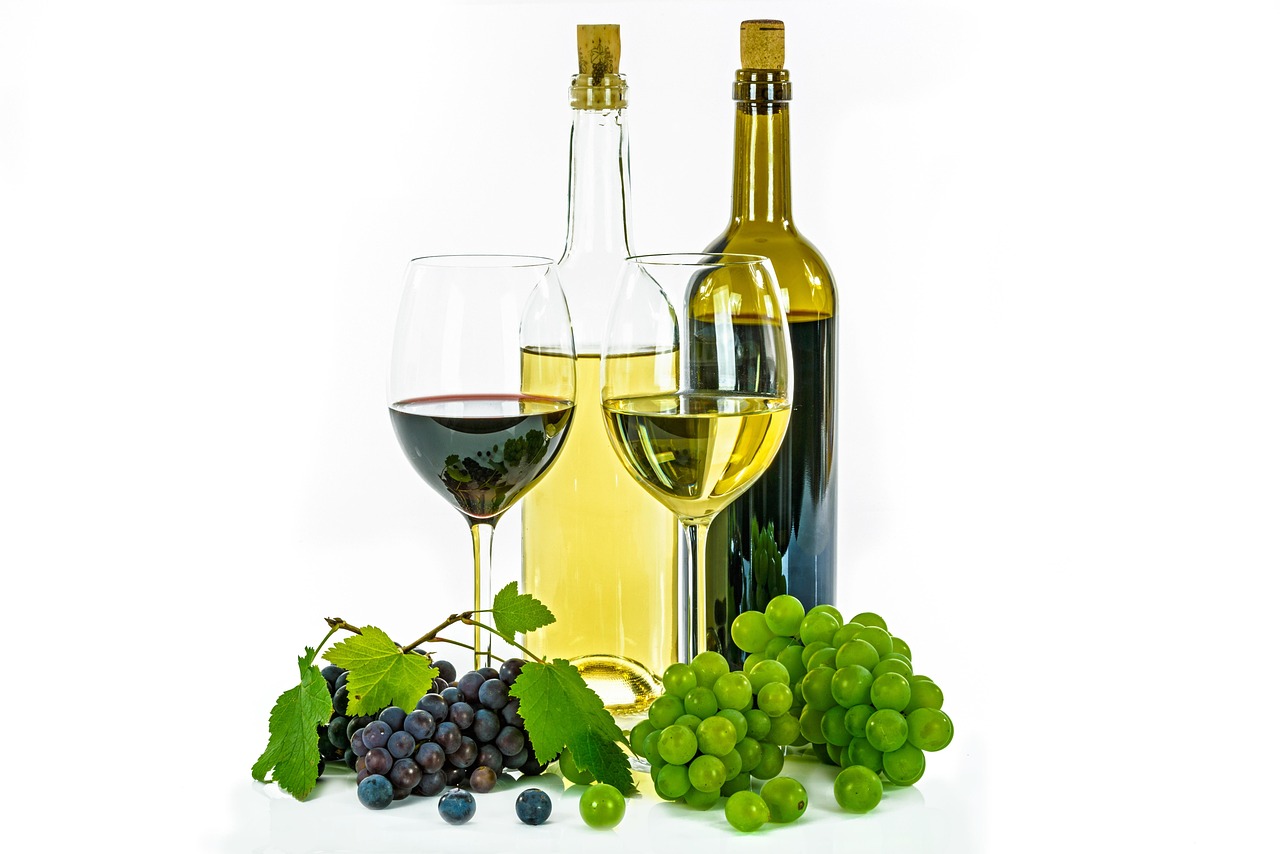
Pairing a richer style of sauvignon blanc with salmon creates a balanced and harmonious dining experience.
Frequently Asked Questions
What is malolactic fermentation in simple terms?
Malolactic fermentation is a secondary winemaking process where lactic acid bacteria convert sharp malic acid, naturally found in grapes, into softer lactic acid. This microbial conversion reduces overall perceived acidity, lowers the wine’s tartness, and creates a smoother, rounder mouthfeel while frequently introducing subtle buttery or creamy aromatic nuances.
Why do most winemakers block malolactic fermentation in Sauvignon Blanc?
Most winemakers deliberately block malolactic conversion in Sauvignon Blanc to preserve the grape’s signature vibrant acidity, crisp freshness, and bright citrus-and-herb profile. Allowing the process would remove the razor-sharp edge that defines classic styles, shifting the aromatic spectrum away from fresh green fruit toward heavier, less typical characteristics.
How does malolactic fermentation change the texture of white wine?
The bacterial conversion fundamentally alters mouthfeel by replacing aggressive, sharp malic acid with gentler lactic acid. This chemical shift reduces total acidity perception and often generates diacetyl, contributing a rich, velvety, or creamy texture that coats the palate differently than crisp, unoaked white wines.
Can you have partial malolactic fermentation in Sauvignon Blanc?
Yes, winemakers frequently utilize partial malolactic fermentation to strike a stylistic balance. By stopping the bacterial conversion midway through temperature adjustments or sulfur additions, producers retain enough crisp, natural acidity to maintain freshness while gaining a moderate increase in mid-palate roundness and texture.
What food pairs best with a creamy, MLF-softened Sauvignon Blanc?
Creamier, malolactic-softened Sauvignon Blanc styles pair exceptionally well with roasted poultry, pork tenderloin, and dishes prepared with rich cream or mushroom sauces. The rounder texture and lowered acidity prevent the wine from clashing with heavy fats while harmonizing with savory, roasted flavors.
Does malolactic fermentation reduce the aging potential of white wines?
Malolactic fermentation does not inherently reduce aging potential, but it changes how a wine evolves. While fresh, un-oaked styles rely on high acid for longevity, wines undergoing malolactic conversion often depend on balanced oak integration, phenolic compounds, and proper storage conditions to develop complex tertiary characteristics over time.