Malolactic fermentation, frequently abbreviated as MLF, is a secondary winemaking process where sharp malic acid is converted into softer lactic acid by specialized lactic acid bacteria. While commonly associated with robust red wines, applying this bacterial conversion to white wines dramatically transforms their textural profile, mouthfeel, and aromatic expression.
Understanding how this microbial transformation operates provides valuable insight into contemporary wine styles, grape characteristics, and flavor profiles. By examining the biological mechanics, stylistic applications, and sensory results, wine enthusiasts can better appreciate the diverse range of white wines available on the market today.
Biological Mechanics of Malolactic Fermentation
The Role of Lactic Acid Bacteria
The primary agents responsible for malolactic fermentation are lactic acid bacteria, most notably strains of Oenococcus oeni. These beneficial bacteria thrive in the slightly acidic environments typically found in wine after primary alcoholic fermentation concludes.
Winemakers carefully monitor bacterial populations to ensure the process proceeds smoothly. Unlike yeast, which converts sugar into alcohol and carbon dioxide, these bacteria consume malic acid and metabolize it into lactic acid and carbon dioxide gas.
Chemical Transformation of Acids
Malic acid is a diprotic organic acid naturally present in unripened and ripe wine grapes, known for imparting a sharp, tart taste reminiscent of green apples. Lactic acid is a weaker monocarboxylic acid found naturally in dairy products like yogurt.
During the conversion process, one carboxyl group is removed from the malic acid molecule through enzymatic action. This chemical shift reduces the total acid concentration in the liquid and elevates the overall pH level of the wine.
Temperature and pH Influences
Lactic acid bacteria are sensitive organisms requiring specific environmental parameters to survive and metabolize efficiently. Cellar temperatures must generally remain between fifteen and twenty-two degrees Celsius for optimal bacterial activity.
Additionally, wine pH levels must not be excessively low, as high acidity inhibits bacterial growth. Winemakers often adjust sulfur dioxide levels carefully, because excessive free sulfur can stall or completely prevent malolactic fermentation from occurring.
Managing Fermentation Timing
The timing of malolactic fermentation varies depending on regional climate, grape maturity, and intentional cellar practices. Some winemakers encourage concurrent fermentation where bacteria are introduced while primary yeast fermentation is still active.
Alternatively, secondary fermentation can occur weeks or months after alcoholic fermentation finishes. Cellar workers frequently taste and test chemical samples to track progress and determine the exact moment to halt the process.
Monitoring the ideal temperature for malolactic fermentation is crucial for ensuring bacteria successfully convert harsh acids.
Grape Varieties and Winemaker Intentions
Classic Expressions in Chardonnay
Chardonnay is the white grape variety most frequently associated with malolactic fermentation. Cool-climate Chardonnay often features aggressive natural malic acid that benefits significantly from the softening effect of bacterial conversion.
Winemakers seeking a rich, rounded style rely on this process to build complexity. When combined with barrel aging and lees stirring, malolactic fermentation helps create the signature broad texture associated with traditional styles.
Enhancing Aromatic Whites like Viognier
Aromatic white varieties such as Viognier, Marsanne, and Roussanne also frequently undergo malolactic fermentation. These grapes possess naturally low to moderate acidity and complex floral aromatics that integrate well with a softer palate.
Applying the process to these varieties helps prevent the wine from feeling flabby while amplifying exotic fruit notes. The resulting balance allows the rich structural components to shine without aggressive tartness interfering.
Preserving Crisp Acidity in Sauvignon Blanc
Conversely, many white wine varieties are intentionally kept away from malolactic fermentation to preserve their vibrant freshness. Sauvignon Blanc, Pinot Grigio, and dry Riesling rely on crisp malic acid for their lively character.
Winemakers typically block malolactic fermentation in these aromatic, high-acid grapes by chilling the wine, adding sulfur dioxide, or sterile filtering to remove any lingering bacteria before transformation can begin.
Deliberate Partial Fermentation Styles
Modern winemaking often employs partial malolactic fermentation as a precise stylistic tool. By allowing only a designated percentage of a wine lot to undergo the bacterial conversion, producers achieve a delicate balance.
The blended final product retains enough bright, primary acidity to maintain structural freshness while gaining a hint of creamy texture and added aromatic depth from the fermented portion.

Winemakers often choose to encourage malolactic fermentation in stainless steel tanks when they want to preserve crisp primary fruit notes.
Sensory Shifts in Texture and Flavor
Softening Perceived Acidity
The most immediate structural change resulting from malolactic fermentation is a noticeable reduction in perceived acidity. Because lactic acid is chemically softer on the human palate than malic acid, the wine tastes less sharp and tart.
This alteration is not merely a drop in total acidity numbers; it represents a fundamental shift in how the liquid feels in the mouth. Harsh edges disappear, yielding a more approachable and harmonious tasting experience.
Developing Diacetyl and Creaminess
A major byproduct of malolactic fermentation is a chemical compound known as diacetyl. In low concentrations, diacetyl imparts distinct buttery, nutty, and popcorn-like aromas to the finished white wine.
Combined with the transformation of acids, diacetyl contributes directly to a rich, viscous mouthfeel. This buttery characteristic is a hallmark of traditional barrel-fermented styles crafted around the world.
Altering Fruit and Floral Aromas
Beyond texture, malolactic fermentation shifts the aromatic profile of white wines away from green, herbaceous notes toward riper expressions. Crisp green apple aromas often evolve into baked apple, pear, or tropical fruit descriptors.
Furthermore, subtle creamy or pastry-like secondary aromas emerge, replacing raw fruit characteristics with complex, integrated sensory impressions that develop further with careful bottle maturation.
Evaluating Structural Balance
Tasting an educational flight of white wines with and without malolactic fermentation highlights the importance of structural balance. Winemakers must ensure that reduced acidity does not lead to a flabby or lifeless palate.
Successful malolactic wines maintain an underlying framework of mineral elements or fruit concentration, ensuring that the rich texture remains anchored by clean, refreshing persistence on the finish.
Serving and Storage Parameters
Optimal Serving Temperatures
White wines that have undergone malolactic fermentation generally benefit from slightly warmer serving temperatures than crisp, un-oaked styles. Chilling these wines too aggressively mutes the complex buttery aromatics and rich textural notes.
An ideal serving temperature ranges between ten and fourteen degrees Celsius. Allowing the glass to sit briefly at ambient room temperature helps release the nuanced diacetyl and baking spice compounds.
Selecting Appropriate Glassware
The choice of wine glass influences the perception of structured white wines. A broader, rounder bowl with a wider opening directs the wine toward the center and sides of the palate, highlighting creamy textures.
This traditional Burgundy-style glass shape provides adequate surface area for oxygen interaction, allowing complex secondary aromas derived from malolactic fermentation and oak aging to become fully expressive.
Short-Term Storage Best Practices
Storing white wines safely at home requires consistency, especially for styles shaped by secondary fermentation. Fluctuating temperatures and direct ultraviolet light can degrade delicate organic compounds quickly.
Bottles should be kept in a cool, dark environment with moderate humidity. If stored upright for brief periods, cork-sealed bottles remain secure, though long-term cellaring requires horizontal storage.
Aging Potential of MLF Whites
While many white wines are crafted for immediate consumption, premium versions featuring malolactic fermentation often possess notable aging potential. The absence of harsh malic acid and the addition of complex bacterial byproducts provide stability.
Over time, these wines develop tertiary notes of hazelnuts, honey, and dried stone fruit, offering a fascinating study in white wine evolution for curious enthusiasts and educational tasting groups.
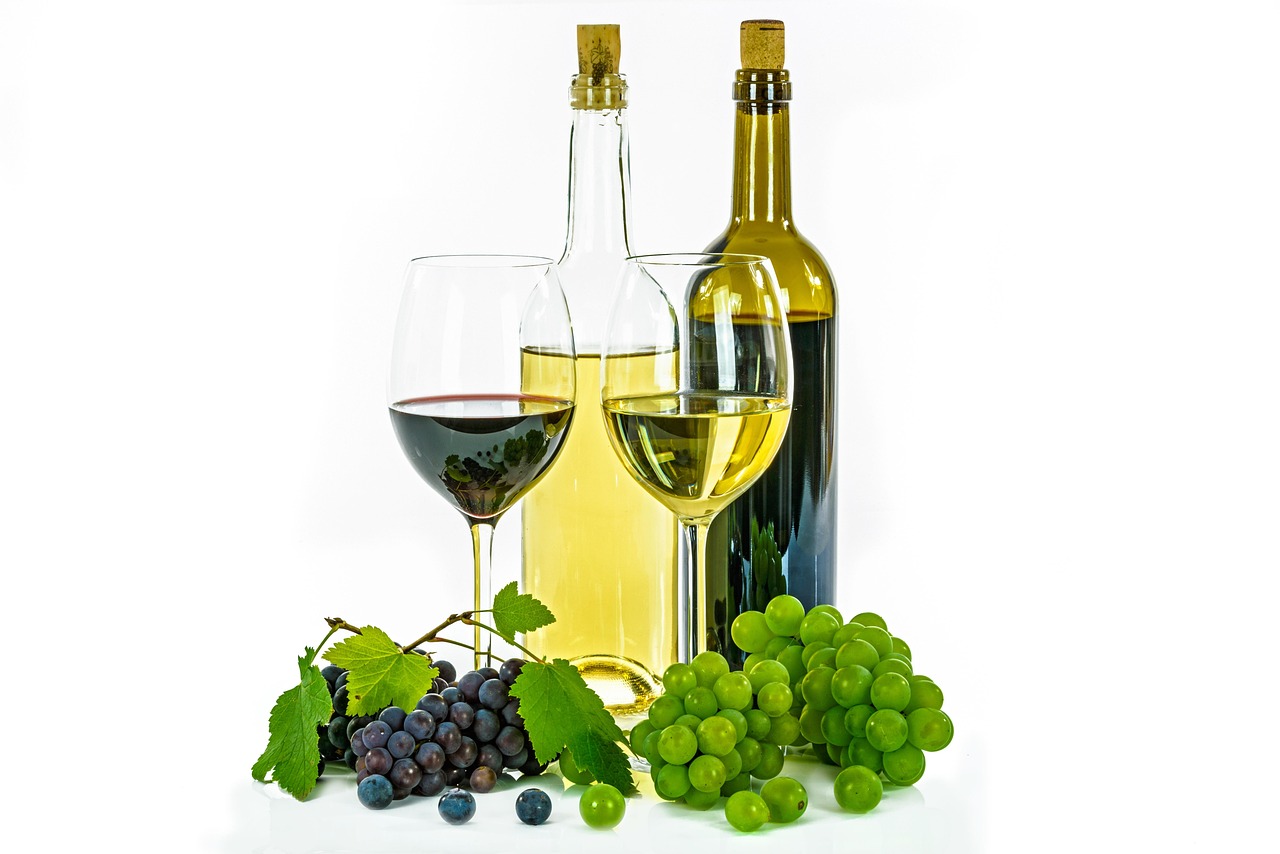
Understanding how to serve white wine properly ensures that buttery textures and complex aromas are fully appreciated at the table.
Food Pairing Principles for MLF Whites
Matching Creamy Sauces and Dishes
The rich texture and buttery flavor profile of malolactic white wines make them exceptional companions for dishes featuring cream-based sauces. The structural weight of the wine mirrors the weight of rich culinary preparations.
Classic pairings include pasta with rich alfredo sauce, potato gratin, or velvety chowders. The soft acidity of the wine cuts through heavy fats while complementing the savory qualities of the dish.
Pairing with Roasted Poultry
Roasted chicken, turkey, and game birds pair exceptionally well with full-bodied, barrel-aged white wines that have completed malolactic fermentation. The savory meat notes harmonize with the nutty and buttery undertones.
When poultry is prepared with herbs, butter, or pan gravies, the wine acts as a seamless bridge across flavors, enhancing both the food and the beverage without overwhelming either component during the meal.
Balancing Rich Seafood Preparations
While crisp, unoaked whites typically accompany raw seafood, fuller-bodied styles with malolactic fermentation suit richer fish preparations. Seared salmon, lobster with drawn butter, and scallops in cream reduction are ideal choices.
The natural roundness of the wine supports the dense protein structure of the seafood, while the subtle acidity prevents the pairing from feeling heavy or tiring on the palate.
Interplay with Aged Cheeses
Cheese pairing offers a rewarding avenue for exploring malolactic white wines. Semi-hard and washed-rind cheeses, such as Gruyère, Comte, or mature Cheddar, provide a wonderful textural dialogue with creamy white wines.
The nutty, savory elements found in aged cheeses find common ground with the diacetyl compounds and barrel influences typical of these structured, complex white wine styles.
Frequently Asked Questions
What is the primary difference between malic and lactic acid in wine?
Malic acid is a naturally occurring fruit acid that tastes sharp and tart, similar to green apples. Lactic acid is a softer, smoother organic acid produced when bacteria convert malic acid during secondary fermentation. This biological shift significantly lowers perceived tartness and creates a rounder, creamier mouthfeel in the finished wine style.
Do all white wines undergo malolactic fermentation?
No, many white wines do not undergo malolactic fermentation. Winemakers intentionally block the process for crisp, aromatic grape varieties like Sauvignon Blanc, Pinot Grigio, and Riesling to preserve their vibrant natural acidity, fresh fruit characteristics, and lively palate profile without softening their structural edge.
What causes the buttery flavor in certain white wines?
The buttery flavor in white wine is primarily caused by diacetyl, a natural chemical compound produced by lactic acid bacteria during malolactic fermentation. When present in moderate concentrations, diacetyl imparts distinct aromas reminiscent of butter, toasted nuts, and baked pastry to the wine.
Can malolactic fermentation occur naturally without winemaker intervention?
Yes, malolactic fermentation can occur spontaneously if ambient bacteria are present in the winery environment and cellar temperatures rise sufficiently. However, modern winemakers frequently choose to inoculate the wine with specific bacterial cultures to ensure predictable timing and prevent unwanted microbial spoilage.
How does malolactic fermentation affect the pH of white wine?
Malolactic fermentation increases the pH level of wine, meaning it reduces the overall active acidity. Because strong malic acid is converted into weaker lactic acid, the liquid becomes less acidic, which alters both the chemical stability and the tactile sensation on the human palate.
Should malolactic white wines be served chilled?
Malolactic white wines should be served lightly chilled rather than ice cold. Temperatures between ten and fourteen degrees Celsius allow the complex buttery aromatics, nutty notes, and rich textural elements to express themselves fully, whereas excessive chilling suppresses these subtle sensory characteristics entirely.