Malolactic fermentation in stainless steel represents a specialized winemaking technique where sharp malic acid is converted into softer lactic acid by lactic acid bacteria, all within neutral, temperature-controlled metal tanks. Unlike traditional oak barrel aging, this inert vessel choice allows winemakers to modify wine texture and acidity without imparting wood-derived tannins, vanillin, or heavy toast characteristics.
This educational guide examines the biochemical mechanisms, technical controls, and sensory outcomes associated with conducting secondary fermentation in stainless steel. Winemakers utilize this method to craft balanced white, rosé, and select red wines that maintain crisp primary fruit expressions while achieving a smoother, more approachable palate texture.
Fundamentals of Malolactic Fermentation
Biological Conversion of Acids
Malolactic fermentation is not strictly a fermentation driven by yeasts, but rather a decarboxylation process managed by lactic acid bacteria. During this phase, bacteria such as Oenococcus oeni consume the harsher malic acid naturally present in the wine or must and convert it into softer lactic acid and carbon dioxide gas.
This biological reaction reduces total titratable acidity and elevates the pH of the wine. Understanding this microbial activity is essential for producers aiming to stabilize wines against microbial spoilage after bottling, ensuring chemical stability throughout the commercial lifespan of the product.
Bacterial Strains and Inoculation
Winemakers often manage malolactic fermentation by introducing selected commercial strains of lactic acid bacteria. These targeted strains are chosen for their reliability, alcohol tolerance, and ability to conduct the conversion efficiently without producing undesirable volatile acidity or off-flavors.
Inoculation timing varies based on operational goals. Some practitioners introduce bacteria simultaneously with primary alcoholic fermentation, while others wait until primary fermentation finishes entirely. Each approach carries distinct management requirements regarding nutrient availability and temperature stabilization.
Temperature and Ph Control
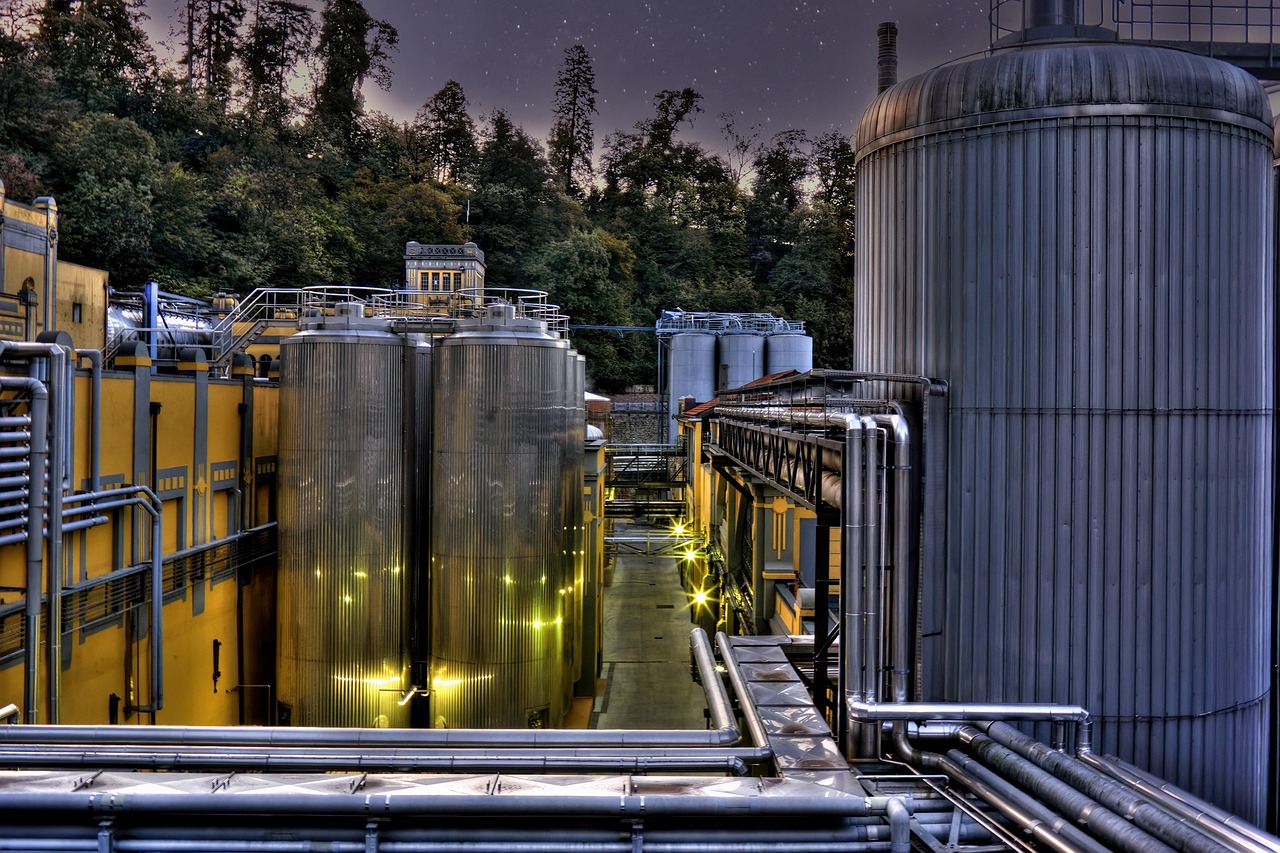
Lactic acid bacteria are sensitive to their physical environment, requiring specific temperature and pH ranges to thrive. Stainless steel tanks provide a distinct advantage here, as internal cooling or heating jackets allow precise regulation of the liquid environment throughout the bacterial cycle.
Optimal bacterial activity typically occurs when wine temperatures remain between sixteen and twenty degrees Celsius, coupled with a pH level above three point two. If the environment becomes too cold or acidic, bacterial populations may enter a sluggish state or undergo stuck fermentation.
For related wine guidance, see stainless steel wine fermentation tanks.
Stainless Steel Versus Oak Vessels
Inert Nature of Stainless Steel
Stainless steel vessels are completely non-porous and chemically inert, meaning they do not impart any structural compounds, tannins, or flavors to the fermenting liquid. This neutrality ensures that the primary grape characteristics remain unmasked during secondary microbial conversions.
By eliminating wood contact, winemakers can focus purely on the textural softening of malolactic conversion without adding secondary elements like clove, smoke, or coconut notes. This creates a clean framework where delicate fruit profiles stand at the forefront of the tasting experience.
Preserving Primary Fruit Aromas
In traditional oak aging, wood tannins and micro-oxygenation interact with volatile aroma compounds, potentially subduing bright, fresh fruit attributes. Stainless steel tanks prevent excessive oxygen transfer, protecting volatile thiols and esters responsible for vibrant citrus, green apple, and floral notes.
When malolactic conversion happens in stainless steel, the resulting wine balances a rounder mouthfeel with remarkably pristine fruit aromas. This contrast appeals to consumers who prefer fruit-forward profiles over traditional buttery, heavily oaked styles.
Managing Oxidation Risks
Oxygen management differs significantly between wood barrels and stainless steel tanks. Barrels allow continuous, slow ingress of oxygen through staves, whereas sealed stainless steel tanks protect the wine from uncontrolled oxidative degradation during the bacterial conversion phase.
To maintain freshness, winemakers monitor dissolved oxygen levels carefully and utilize inert gases like nitrogen or carbon dioxide to blanket the tank headspace. This protective protocol prevents premature aging and preserves the intended color stability of white and rosé wines.

For related wine guidance, see malolactic fermentation in white wine.
Practical Winemaking Control Mechanisms
Monitoring Malic Acid Depletion
Accurate tracking of malolactic fermentation progress is vital before applying sulfur dioxide to halt microbial activity. Winemakers employ laboratory techniques such as paper chromatography, enzymatic assays, or high-performance liquid chromatography to measure residual malic acid levels precisely.
Completing these assays ensures that malic acid has dropped below detectable thresholds, typically under zero point one grams per liter. Neglecting this step risks unintended fermentation inside sealed bottles, which can create turbidity, effervescence, and unwanted aromatic faults.
Sulfur Dioxide Management Post-MLF
Once malolactic conversion concludes, winemakers immediately adjust sulfur dioxide levels to protect the wine from spoilage bacteria and oxidation. Because lactic acid bacteria consume protective acids and raise pH, the effectiveness of sulfur dioxide decreases, requiring careful recalculation.
Maintaining adequate molecular sulfur dioxide levels is critical at this stage to inhibit acetic acid bacteria and Brettanomyces. Stainless steel tanks facilitate precise chemical additions, allowing operators to mix amendments thoroughly through automated or manual pump-over systems.
Cross-Flow and Depth Filtration
Clarifying wine after malolactic fermentation removes residual bacteria, yeast lees, and particulate matter that could compromise clarity. Modern stainless steel cellars often utilize cross-flow filtration systems, which operate gently and efficiently without stripping desirable flavor compounds.
Filtration parameters must be calibrated based on turbidity measurements and filter pore size ratings. Achieving microbial stability through filtration ensures that the wine remains brilliantly clear and chemically sound prior to final packaging and distribution.
Winemakers must carefully maintain the optimal temperature for malolactic fermentation to ensure bacterial health and prevent stuck secondary transformations.
Sensory Profiles of Stainless Steel MLF Wines
Diacetyl Formation and Perception
Diacetyl is a natural byproduct of bacterial citrate metabolism during malolactic conversion, imparting a distinct creamy, nutty, or popcorn-like aroma. In stainless steel tanks, oxygen exposure is minimized, which generally limits excessive diacetyl accumulation compared to barrel aging.
Winemakers can modulate diacetyl perception by controlling yeast contact and dissolved oxygen levels during and after the conversion. Lower diacetyl levels preserve a cleaner, fruit-driven profile, while moderate levels introduce subtle complexity without overwhelming the palate.
Mouthfeel Enhancement and Softening
The primary sensory objective of malolactic fermentation is textural modification rather than aromatic alteration. By converting aggressive malic acid into milder lactic acid, the overall perceived acidity drops, creating a rounder, more harmonious tactile sensation across the mid-palate.
This textural shift is particularly noticeable in cooler-climate white wines that might otherwise exhibit piercing tartness. The resulting wine feels more approachable and balanced, allowing food pairings to integrate smoothly without structural harshness.
Balancing Crispness with Creaminess
Achieving equilibrium between crisp structural acidity and creamy textural weight requires careful management of the malolactic conversion extent. Some producers choose partial malolactic fermentation, allowing only a fraction of the malic acid to convert to retain high natural freshness.
This partial conversion technique bridges the gap between linear, razor-sharp white styles and heavy, rich textures. Stainless steel environments provide the precise thermal control needed to halt bacterial activity mid-process when the target balance is achieved.
Grape Varieties Suited for Stainless Steel MLF
Chardonnay and Clean Expression
Chardonnay serves as a benchmark variety for exploring malolactic fermentation techniques. While traditional styles rely on oak barrels for rich, buttery textures, stainless steel aging paired with malolactic conversion highlights crisp orchard fruit characteristics alongside a sleek, creamy mouthfeel.
This approach lets the inherent terroir and grape-derived flavors shine without interference from toasted oak compounds. Consumers experience a refreshing yet texturally polished wine style that highlights the versatility of cool-climate viticulture.
Cool-Climate Sauvignon Blanc Considerations
Sauvignon Blanc rarely undergoes malolactic fermentation because winemakers typically prioritize preserving its ultra-crisp pyrazines and vibrant acidity. However, experimental lots subjected to gentle, partial malolactic conversion in stainless steel occasionally display softened edges while maintaining citrus brightness.
Producers must exercise caution with thiol-rich varieties, as bacterial activity can sometimes mute desirable herbal and tropical aromatics. Careful strain selection and precise temperature management are essential prerequisites when applying this technique to aromatic white grapes.
Red and Rosé Applications
While red wines nearly always undergo malolactic fermentation to ensure stability, conducting this process in stainless steel is common for lighter styles like Beaujolais-inspired reds or structured dry rosés. Neutral tanks maintain clean berry flavors and vibrant color stability.
For rosé wines, preventing excessive color loss and managing iron-phosphate complexes are key technical priorities. Stainless steel vessels provide a hygienic, easily monitored environment that protects delicate pink hues while achieving microbial stability.
Frequently Asked Questions
What is malolactic fermentation in stainless steel?
Malolactic fermentation in stainless steel is a secondary winemaking process where lactic acid bacteria convert sharp malic acid into softer lactic acid inside neutral, temperature-controlled metal tanks. This method modifies the texture and acidity of the wine without imparting any oak-derived flavors, tannins, or structural compounds.
Why do winemakers choose stainless steel over oak barrels for this process?
Winemakers choose stainless steel to maintain complete control over temperature and prevent oak influence. The inert metal walls do not add wood tannins or vanilla notes, allowing the primary fruit characteristics, clean aromas, and natural acidity of the grape variety to remain prominent in the finished wine.
How long does malolactic fermentation take in stainless steel tanks?
The duration of malolactic fermentation typically ranges from two to six weeks, depending heavily on temperature, pH levels, and bacterial inoculation rates. Stainless steel tanks equipped with thermal jackets allow winemakers to maintain an ideal environment, ensuring the biological conversion proceeds steadily and predictably.
Can any grape variety undergo malolactic fermentation?
Technically, almost any grape variety can undergo malolactic fermentation, but it is most commonly applied to red wines and select white varieties like Chardonnay. Aromatic white grapes with delicate floral or herbaceous notes are often managed carefully or kept without malolactic conversion to preserve their sharp, crisp profiles.
How do winemakers know when malolactic conversion is finished?
Winemakers track completion using laboratory assays such as paper chromatography or enzymatic testing to measure residual malic acid levels. Once malic acid drops below detectable limits, typically under zero point one grams per liter, operators apply sulfur dioxide to halt bacterial activity and stabilize the wine.
Does stainless steel malolactic fermentation produce buttery flavors?
While malolactic fermentation produces diacetyl, a compound associated with buttery aromas, stainless steel aging generally yields lower diacetyl levels than oak barrel aging. The absence of oxygen and wood contact restrains diacetyl accumulation, resulting in a cleaner, more fruit-forward profile with a subtly softened mouthfeel.