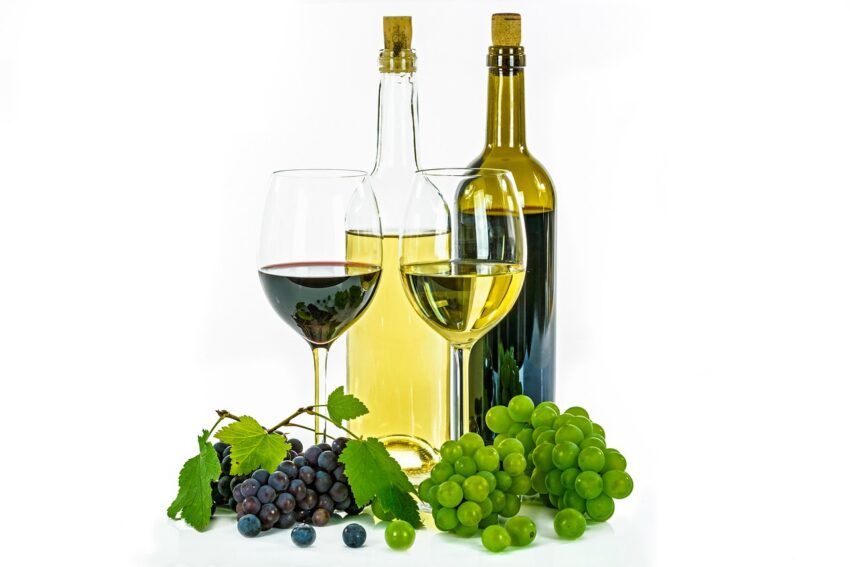
The ideal temperature for a wine chiller generally ranges between forty-five and sixty-five degrees Fahrenheit, corresponding to seven to eighteen degrees Celsius, depending entirely on the specific styles of wine you intend to store. Dual-zone chillers provide the greatest flexibility, allowing white and sparkling wines to rest at a crisper forty-five to fifty degrees Fahrenheit, while red wines benefit from a warmer fifty-five to sixty-degrees environment.
Maintaining a stable thermal environment prevents premature aging and protects the complex volatile compounds within each bottle. Sudden temperature fluctuations cause liquid inside the glass to expand and contract, which can compromise the cork seal and allow unwanted oxygen to seep into the bottle over time, degrading delicate aromatic profiles and shifting structural balance.
Fundamentals of Wine Preservation and Storage Mechanics
Understanding Thermoelectric Versus Compressor Chillers
Thermoelectric wine chillers rely on the Peltier effect, offering exceptionally quiet operation and minimal vibration, making them ideal for smaller collections and stable indoor environments. Compressor-based units use mechanical cooling systems similar to household refrigerators, providing superior cooling power and reliable temperature maintenance in warmer ambient rooms. Selecting the appropriate technology depends heavily on your local room temperature and total inventory size.
Ambient Room Conditions and Insulation Efficiency
The external environment heavily influences how hard a wine chiller must work to maintain its internal set point. Units placed in garages, uninsulated pantries, or direct sunlight experience severe thermal stress, reducing energy efficiency and potentially causing internal temperature spikes. Proper clearance around ventilation grilles ensures optimal heat dissipation, protecting internal components and maintaining consistent thermal stability across all interior storage racks.
Long-term Aging Versus Short-term Temperature Holding
Short-term service chillers keep bottles at immediate ready-to-drink temperatures, whereas long-term storage cellars focus on a stable fifty-five degree baseline to facilitate slow chemical evolution. Storing wine at standard kitchen refrigerator temperatures long-term can dry out natural corks due to low humidity and overly cold conditions. Understanding this functional distinction prevents unintended degradation of fine vintage wines over multi-year storage periods.
Vibrations, Light Exposure, and Internal Humidity
Constant mechanical vibrations can disrupt delicate sediment bonds in aged wines and accelerate unwanted chemical reactions, making low-vibration mounting essential. Ultraviolet light exposure degrades organic compounds, producing off-flavors commonly known as lightstruck faults; hence, solid or UV-filtered glass doors are critical. Maintaining moderate internal humidity levels around fifty-five to seventy percent prevents natural corks from shrinking while discouraging mold growth on labels.
Proper refrigeration setup relies heavily on maintaining the correct temperature for white wine fridge units to prevent premature spoiling.
Determining Optimal Temperature Ranges by Varietal and Style
Crisp Whites and Sparkling Wines Thermal Requirements
Crisp, un-oaked white wines and traditional method sparkling wines showcase their highest aromatic clarity at colder temperatures between forty-five and fifty degrees Fahrenheit. This cooler range accentuates natural acidity, sharpens citrus profiles, and sustains effervescence longer in the glass. Over-chilling these bottles below forty degrees can mute delicate floral and mineral aromas entirely, masking the true character of the wine.
Full-Bodied Whites and Delicate Aromatics
Full-bodied whites, such as barrel-fermented Chardonnay or Viognier, benefit from slightly warmer serving temperatures between fifty and fifty-five degrees. Higher temperatures allow complex buttery, nutty, and spicy secondary aromas to emerge from the glass without being overshadowed by chill. Serving these styles too cold suppresses their rich textural mouthfeel and integrated phenolic depth, limiting your overall sensory enjoyment.
Light-Bodied Reds and Chilling Protocols
Light-bodied red wines with lower tannin structures, including Pinot Noir, Gamay, and Frappato, shine when served slightly chilled around fifty-five degrees. Placing these bottles in a wine chiller for thirty minutes before opening enhances their vibrant red fruit characteristics and softens any rustic edges. This traditional serving approach balances fresh acidity with approachable structural weight and pleasant fruit expression.
Structured Reds and Cellar Temperature Realities
Full-bodied structured reds containing high tannin levels, such as Cabernet Sauvignon and Nebbiolo, are best enjoyed around sixty to sixty-five degrees Fahrenheit. Storing and serving these wines too warm accelerates alcohol perception, while serving them too cold accentuates aggressive astringency. Traditional room temperature is often too warm for modern centrally heated homes, making a calibrated wine chiller invaluable.
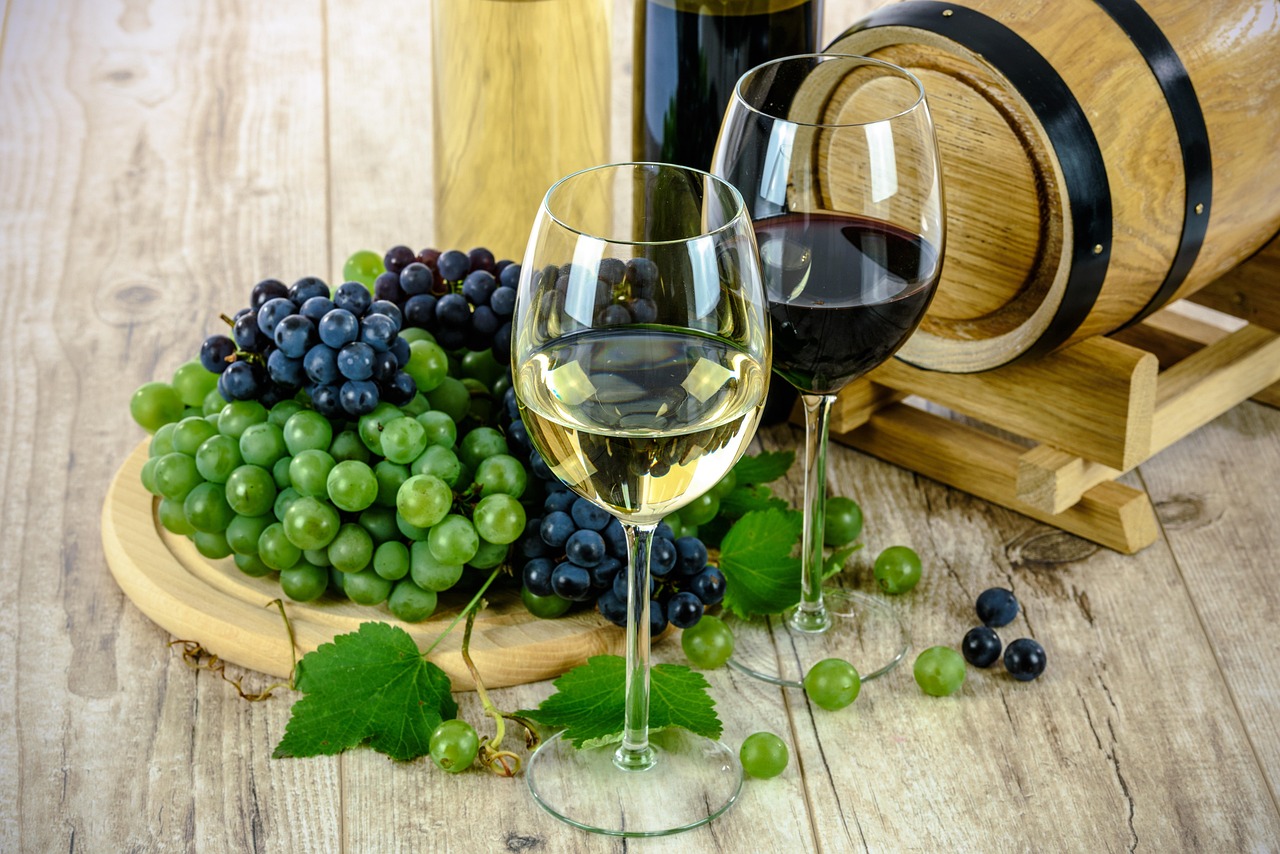
Different styles require specific cooling adjustments, making it essential to set the correct temperature for red wine fridge compartments accurately.
Grape Varieties, Climate Interactions, and Cooling Responses
Cool-Climate Grapes and Natural Acidity Retention
Grape varieties grown in cooler climate regions naturally accumulate higher malic and tartaric acid levels while developing moderate sugar concentrations. These high-acid wines respond exceptionally well to precise temperature control, as chilling highlights their refreshing crispness and structural balance. Understanding regional climate traits helps enthusiasts predict how a specific bottle will react to active cooling or warming cycles.
Warm-Climate Phenolics and Tannin Perception
Warm-climate viticulture produces grapes with thicker skins, higher sugar levels, and bolder phenolic compounds that result in pronounced alcohol and robust tannins. When these wines are chilled improperly, their tannins can feel harsh, while elevated alcohol levels become disproportionately sharp on the palate. A slightly warmer chiller setting helps integrate these heavier structural elements smoothly and comfortably.
Sugar Levels, Residual Sweetness, and Serving Temperatures
Wines containing residual sugar, from off-dry Rieslings to luscious dessert styles, require careful thermal management to balance sweetness and acidity. Chilling sweet wines closer to forty-five degrees suppresses cloying sugar sensations, providing a refreshing counterbalance that enhances overall drinkability. Conversely, serving sweet wines at warm temperatures accentuates heavy viscosity and diminishes structural freshness across the palate.
Acid Balance and Temperature-Induced Flavor Shifts
Temperature directly influences how human taste receptors perceive acidity and sweetness within any given liquid medium. As wine warms in the glass, perceived acidity softens while fruit flavors expand and evolve through increased aromatic volatility. Managing initial chiller temperatures allows you to anticipate and control this sensory progression throughout a meal or tasting session.
Serving Protocols and Sensory Evaluation Basics
The Impact of Temperature on Volatile Aromas
Volatile organic compounds evaporate at different rates depending entirely on the surrounding temperature of the liquid. A wine served too cold traps these aromatic molecules, preventing them from reaching the olfactory receptors in the nose. Calibrating your wine chiller ensures that each varietal releases its intended spectrum of fruit, earth, and spice notes upon pouring into the glass.
Glassware Selection to Complement Chiller Settings
Bowl shape and rim diameter interact directly with wine temperature to influence aeration and aromatic concentration. Larger bowls allow warm-leaning red wines to dissipate excess alcohol vapors gracefully, while narrower flutes preserve the low temperature and carbonation of sparkling styles. Pairing thoughtful glassware with proper chiller settings maximizes your sensory evaluation capabilities during tastings.
Blind Tasting Fundamentals and Thermal Drift
Thermal drift occurs rapidly once a glass of wine is poured and exposed to ambient room conditions. Blind tasting exercises require strict temperature control to prevent tasters from making assumptions based on premature warming or chilling flaws. Pouring wine directly from a precisely calibrated chiller ensures consistent baseline evaluation conditions across multiple comparative samples.
Oxygen Interaction and Decanting Considerations
Decanting exposes young, tannic wines to oxygen, softening structural elements and accelerating aromatic evolution. When decanted wine is too cold, oxygen integration slows down significantly, delaying the desired softening effect on heavy tannins. Warming structured reds slightly before decanting bridges the gap between mechanical preservation and optimal sensory readiness for consumption.
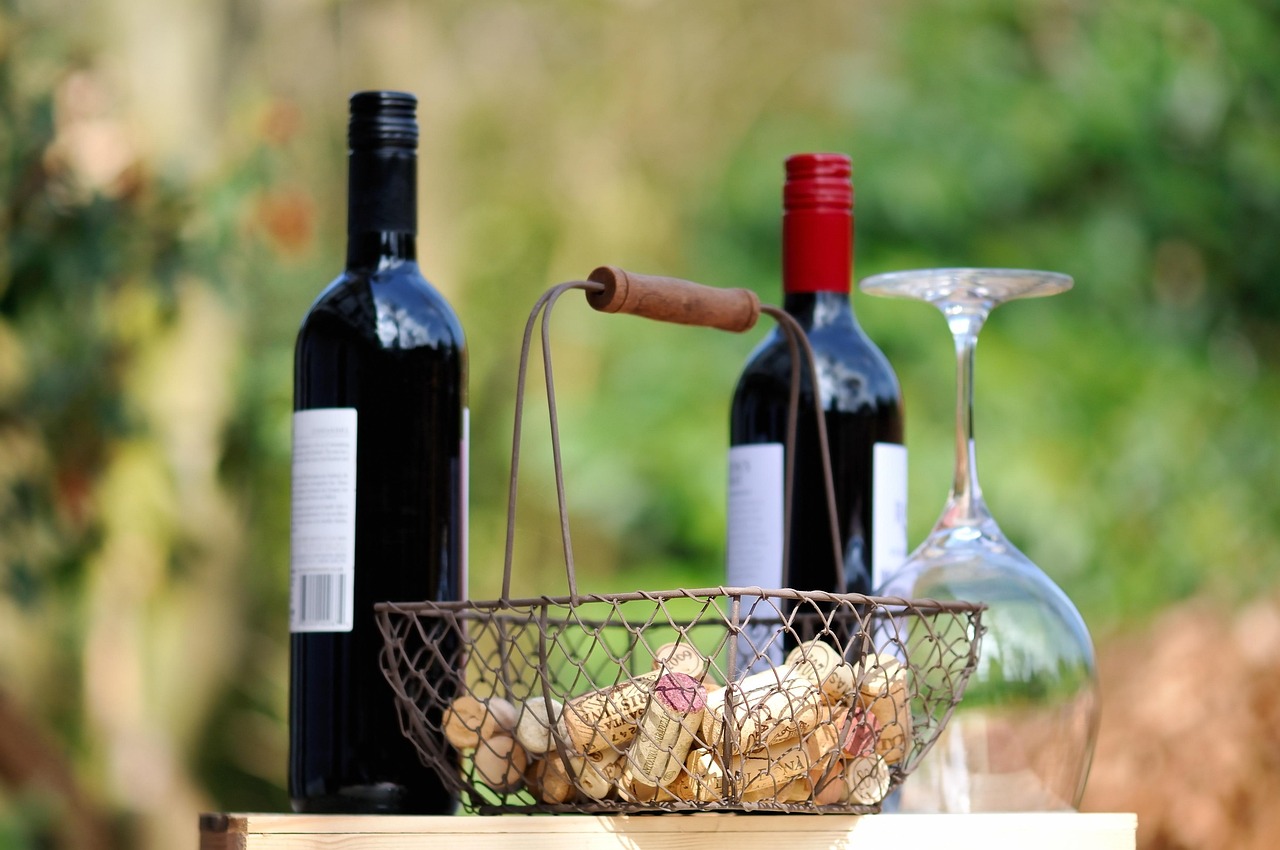
When evaluating flavor profiles at the table, knowing the ideal temperature to drink red wine ensures optimal aromatic expression.
Introductory Viticulture, Winemaking, and Temperature Management
Vineyard Microclimates and Ripening Dynamics
Viticulturists study vineyard microclimates, including slope exposure, wind patterns, and soil heat retention, to achieve optimal phenolic ripeness in harvested grapes. These natural environmental factors dictate the baseline chemical composition of the fruit before any human intervention in the winery begins. Grasping these agricultural fundamentals provides foundational context for understanding why finished wines react uniquely to storage temperatures.
Fermentation Control and Thermal Regulation in Production
Winemakers utilize jacketed stainless-steel tanks to monitor and control fermentation temperatures meticulously, preserving volatile fruit aromatics in white wines. Excessive heat during yeast activity can create unwanted chemical off-flavors or stall fermentation entirely, halting sugar conversion prematurely. Controlled thermal management during production represents the first vital step in safeguarding ultimate wine stability.
Barrel Maturation Environments and Cellar Design
Traditional underground barrel cellars maintain naturally cool, stable temperatures and high humidity levels ideal for prolonged oak maturation. Winemakers manage these subterranean spaces carefully to encourage slow, oxidative development that adds complexity to premium reds and whites. Replicating these natural cellar conditions is the core objective behind modern domestic wine chilling appliances.
Bottling Conditions and Supply Chain Thermal Stability
The final bottling process requires strict hygiene and precise oxygen management to protect the finished product from premature oxidation and spoilage. Maintaining thermal stability throughout the distribution and supply chain prevents wine from experiencing damaging heat spikes during transit. Proper storage practices at home complete this long journey, ensuring the bottle reaches your glass in pristine condition.
Frequently Asked Questions
What is the single best temperature setting for a single-zone wine chiller?
For a single-zone wine chiller holding a mixed collection, setting the internal thermostat to fifty-five degrees Fahrenheit offers the best compromise. This temperature safely preserves both red and white wines without causing long-term damage, though white wines will require a short chill in a standard refrigerator before serving.
Can I store regular kitchen food items in my wine chiller?
Storing food items in a dedicated wine chiller is strongly discouraged because food introduces moisture, potential odors, and variable temperatures. Kitchen refrigerators also operate at much colder temperatures and experience frequent door openings, creating humidity and vibration levels that can harm wine corks and delicate liquid stability over extended periods.
How long does it take for a warm bottle of wine to reach serving temperature?
A room-temperature bottle of white wine typically takes about twenty to thirty minutes in an ice bath or approximately two hours inside a refrigerator to reach proper service temperature. Placing the bottle in a dedicated wine chiller set to the correct zone will gradually bring it to optimal readiness within a similar timeframe.
Does vibration from a wine chiller compressor damage the wine?
Excessive vibration from low-quality compressors can disturb sediment in aged wines and potentially disrupt chemical stability over long periods. Modern high-end compressor chillers incorporate rubber dampeners and specialized inverter motors designed to isolate vibrations completely, making them safe for long-term storage of delicate older vintages.
Why do different wine styles require distinct storage temperatures?
Different chemical compounds in wine react uniquely to thermal energy, affecting how human senses perceive acidity, sweetness, tannin, and alcohol. Cooler temperatures highlight crisp acidity and suppress alcohol burn in lighter styles, whereas slightly warmer temperatures soften harsh tannins and allow complex aromatic volatiles to emerge in structured red wines.
How does external ambient room temperature affect my wine chiller?
High ambient room temperatures force the cooling mechanism to work harder, consuming more electricity and potentially causing internal temperature fluctuations if the unit lacks sufficient ventilation. Placing your chiller in a temperature-controlled room away from direct sunlight and heat-generating appliances ensures consistent performance and extends the lifespan of the equipment.