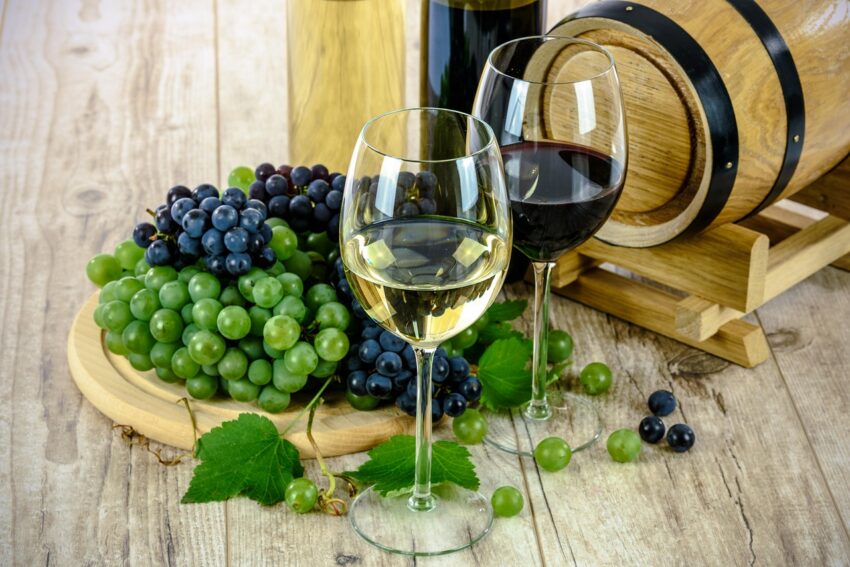
Setting the correct temperature for a white wine fridge generally ranges between 45°F and 50°F (7°C to 10°C). This specific thermal band preserves delicate floral aromas and crisp acidity without muting the wine’s intrinsic fruit characteristics through excessive chilling. Lower temperatures often suppress volatile compounds, making complex whites taste flat or overly muted.
Maintaining this balance requires understanding the distinct thermodynamic properties of dedicated wine cooling units. While standard kitchen refrigerators operate near 35°F to 38°F—which is overly cold for structured whites—a dedicated appliance allows precise climate control tailored to specific varietal needs, ensuring optimal serving readiness at any given moment.
Understanding Wine Temperature Mechanics
The Thermodynamics of Dedicated Wine Fridges
Dedicated wine refrigerators utilize either compressor or thermoelectric systems to manage internal cabinet temperatures. Compressor models use chemical refrigerants and mechanical pumps, offering powerful cooling capacity even in warm ambient environments. They are efficient at maintaining stable baselines across multi-zone setups.
Thermoelectric units rely on the Peltier effect, moving heat across a ceramic junction without moving parts. These systems operate quietly and with minimal vibration, protecting sediment from agitation. However, their cooling efficacy depends heavily on the surrounding room temperature, requiring careful placement.
Differentiating White, Red, and Sparkling Ranges
Different wine styles demand distinct thermal environments to express their structural profiles accurately. Sparkling wines benefit from colder storage between 40°F and 45°F to maintain effervescence and lively acidity. Lighter white wines perform best at 45°F to 48°F.
Full-bodied oaked whites, such as mature Chardonnay, shine slightly warmer at 50°F to 55°F. Serving these rich styles too cold conceals their secondary creaminess and integrated wood influence, underscoring the necessity of adjustable zoning within contemporary storage appliances.
Ambient Room Effects and Thermostat Calibration
External room conditions directly influence how efficiently internal cooling mechanisms function. Placing a refrigeration unit near direct sunlight or heat-generating appliances forces the thermostat to work harder, creating internal temperature fluctuations that can compromise long-term storage integrity.
Regular calibration checks using an independent digital thermometer placed inside the unit ensure the internal display matches actual conditions. Minor adjustments prevent gradual thermal creep, keeping bottles safely within the desired preservation range throughout every seasonal transition.
For related wine guidance, see correct temperature for red wine fridge.
Grape Varieties and Their Structural Profiles
Light-Bodied Whites and High-Acid Profiles
Light-bodied white wines, such as Sauvignon Blanc, Pinot Grigio, and Albariño, are defined by bright acidity and zesty structural frameworks. These varieties lack heavy tannin structures, relying instead on natural malic and tartaric acids to provide freshness and structural backbone on the palate.
When chilled correctly, these high-acid wines accentuate citrus, green apple, and mineral notes. Over-chilling, however, can mask these aromatic compounds entirely, demonstrating why precise temperature control is vital for fully experiencing these vibrant, refreshing varietal expressions.
Full-Bodied Whites and Oak Influence
Full-bodied white varieties like Chardonnay, Viognier, and Marsanne offer broad textures, lower perceived acidity, and often distinct oak aging signatures. Winemakers frequently employ barrel fermentation, lees stirring, and malolactic conversion to build creamy mouthfeels and complex secondary aromas of vanilla, butter, and toast.
Because these wines possess weight and structural complexity, they require slightly warmer service temperatures than their lighter counterparts. Allowing the wine to warm modestly in the glass releases integrated phenolic compounds, revealing layers of baked orchard fruit and subtle spice.
Tannin, Acid, and Red Wine Structures
Red wine structures rely heavily on phenolic compounds called tannins, derived from grape skins, seeds, and stems, combined with natural acidity and alcohol. Tannins provide a drying sensation on the gums and tongue, acting as a preservative element that assists with long-term bottle aging and evolution.
Lighter reds like Pinot Noir and Gamay possess lower tannin levels and higher acidity, benefiting from a slight cellar chill around 55°F. Bolder reds like Cabernet Sauvignon feature robust tannins that soften when served closer to standard ambient room temperatures of 60°F to 65°F.
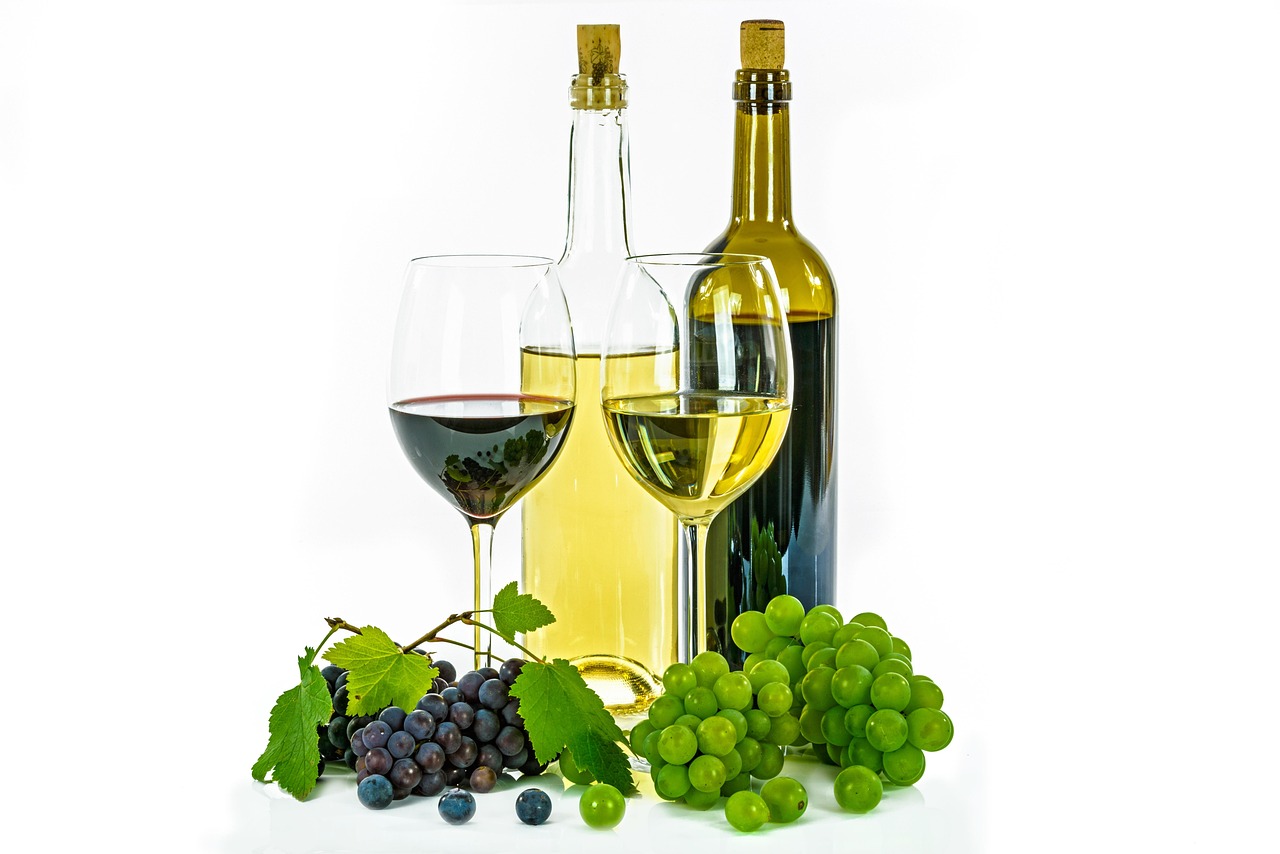
Acidity levels vary significantly across cultivars, making the natural ph of white wine an important indicator of structural balance.
Essential Wine Tasting Principles for Adults
Visual Inspection and Clarity Assessment
The formal evaluation of wine begins with a visual inspection under natural, neutral lighting against a white background. Observers check for overall clarity, brilliance, and depth of color, which offer preliminary clues regarding age, grape variety, and winemaking techniques.
White wines typically transition from pale lemon-green in youth to deep gold and amber hues as they mature and oxidize slowly in the bottle. Observing these chromatic shifts helps set accurate expectations for the aromatic and flavor profiles waiting to be discovered.
Olfactory Evaluation: Primary, Secondary, and Tertiary Notes
Swirling the wine gently inside the glass increases surface area, releasing volatile aroma compounds toward the rim. The olfactory assessment categorizes scents into three distinct groups: primary fruit and floral aromas, secondary fermentation notes, and tertiary aging bouquets.
Primary aromas stem directly from the grape variety itself, such as citrus, stone fruit, or herbal hints. Secondary characteristics arise from yeast and malolactic fermentation, introducing bread dough or dairy nuances. Tertiary traits develop through extended bottle maturation, yielding earthy, nutty, or savory dimensions.
Palate Mechanics and Texture Analysis
The final phase involves taking a small, deliberate sip and drawing air across the liquid to coat the entire oral cavity. Palate analysis evaluates sweetness, acidity, alcohol warmth, and tannin texture, noting how these structural elements integrate and balance one another.
A well-balanced wine displays harmonious interaction among these components, where no single element dominates unpleasantly. Assessing the finish—the lingering impression left after swallowing—provides additional insight into the overall quality, concentration, and structural integrity of the beverage.
Practical Serving and Storage Fundamentals
Glassware Selection for Different Styles
Glassware design plays a functional role in directing wine toward specific areas of the palate and concentrating volatile aromas. Larger, tulip-shaped bowls with wider openings allow complex red wines and full-bodied whites to breathe and diffuse intense aromatic compounds effectively.
Narrower, smaller-bowled glasses suit crisp, light-bodied white wines and sparkling styles by preserving cooler temperatures and directing delicate floral aromas straight toward the nose. Rim thickness and stem length also contribute to the tactile ergonomics of the tasting experience.
Decanting Mechanics for Reds and Mature Whites
Decanting serves two primary functions: separating aged sediment from mature wines and introducing oxygen to soften tightly wound young tannins. Younger, full-bodied reds benefit from broad-based decanters that maximize air contact, accelerating the softening of robust phenolic structures over a brief period.
Fragrant, mature white and red wines require gentle handling to avoid stripping delicate aromas through excessive aeration. Pouring carefully into a narrow vessel simply allows the liquid to breathe open without losing its subtle tertiary character or aromatic complexity.
Long-Term Storage vs. Short-Term Cooling
Differentiating between long-term cellaring conditions and short-term serving preparation protects wine investments from premature spoilage. Long-term storage demands darkness, minimal vibration, and constant humidity levels near 70 percent alongside a stable temperature of 55°F.
Short-term cooling units, such as white wine fridges, focus primarily on reaching and holding precise serving temperatures for immediate consumption. Using a dedicated cellar for long-term aging and a separate zone fridge for chilling guarantees that bottles remain structurally sound until opened.
Before pouring a glass from your chilled collection, knowing how to serve white wine properly maximizes its aromatic presentation.
Introductory Viticulture and Winemaking Concepts
Vineyard Climates and Soil Influences
Viticulture begins with the strategic selection of vineyard sites based on climate, macro-weather patterns, and underlying soil composition. Cool-climate regions foster high acidity and fresh fruit flavors in grapes, while warm-climate areas encourage higher sugar accumulation and fuller body.
Soil types—ranging from limestone and clay to gravel and schist—dictate water retention, root penetration, and mineral availability. These subterranean factors impart subtle stylistic nuances into the harvested fruit, shaping the fundamental identity of the resulting wine long before fermentation begins.
Fermentation Vessels and Yeast Selection
Winemaking transforms harvested grape juice into wine through the action of yeasts converting natural sugars into alcohol and carbon dioxide. Producers choose between stainless steel tanks, neutral concrete vats, and oak barrels, each imparting distinct thermal and textural characteristics to the fermenting liquid.
Inoculating with cultured yeast strains ensures reliable fermentation kinetics and predictable flavor profiles, whereas native or wild yeasts sourced from the vineyard environment contribute complex, unpredictable layers of regional character and rustic depth to the finished style.
Clarification, Stabilization, and Bottling
Following fermentation, wines undergo clarification and stabilization processes to ensure visual clarity and chemical stability in the bottle. Methods include racking, fining with natural agents, and cold stabilization to precipitate excess potassium bitartrate crystals before final packaging.
Once filtration and sulfite adjustments are completed to protect against unwanted microbial activity, the wine is bottled under cork, synthetic closure, or screw cap. Careful bottling practices minimize oxygen exposure, preserving the winemaker’s intent until the adult consumer uncorks the product.
Frequently Asked Questions
What is the ideal temperature range for a white wine fridge?
The ideal temperature range for a white wine fridge sits between 45°F and 50°F (7°C to 10°C). This specific band preserves the crisp acidity of lighter whites while preventing full-bodied styles from becoming overly cold, which would otherwise mute their nuanced aromatic compounds.
Can red wine be stored in a white wine fridge?
Red wine can be stored in a white wine fridge if the internal thermostat is adjusted to warmer settings, typically between 55°F and 60°F. However, standard white wine operating temperatures are generally too cold for long-term preservation or proper service of robust red varietals.
Why should standard kitchen refrigerators be avoided for wine?
Standard kitchen refrigerators operate at temperatures below 38°F, which is too cold for optimal wine service and suppresses complex aromas. Additionally, kitchen units experience frequent door openings, excessive internal vibrations, and low humidity levels that can dry out corks over time.
How does bottle position affect long-term wine storage?
Storing cork-sealed wine bottles horizontally ensures that the liquid remains in continuous contact with the cork. This constant moisture prevents the natural cork from drying out, shrinking, and allowing damaging oxygen to seep past the seal into the bottle interior.
What is the difference between thermoelectric and compressor wine coolers?
Compressor coolers use mechanical pumps and chemical refrigerants to deliver powerful cooling capacity across multiple zones, making them ideal for warm rooms. Thermoelectric coolers use electronic plates for quiet, vibration-free operation, though they depend more heavily on stable ambient room temperatures.
How long can an open bottle of white wine keep in a fridge?
An open bottle of white wine typically keeps for three to five days when tightly re-corked and stored inside a refrigerator. The lowered temperature slows down oxidation processes, though delicate floral notes will gradually fade over time as exposure to residual oxygen continues.