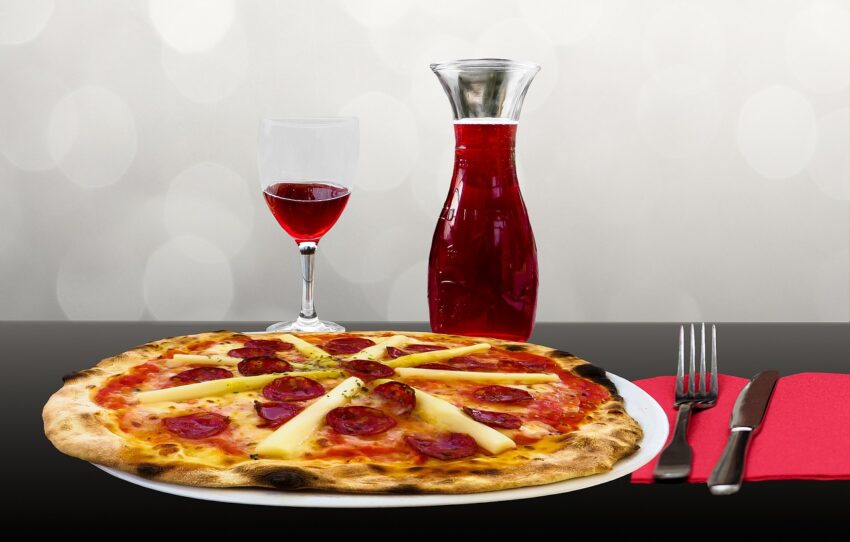
Warming red wine for serving requires a gentle approach to bring out optimal aromatics without disrupting the delicate balance of tannins and alcohol. When red wine is stored in a cool cellar or a chilly room, its structural components can become muted, causing tannins to feel overly astringent and masking complex fruit characteristics.
By gradually raising the temperature of the wine closer to its ideal serving range—typically between 55°F and 65°F depending on the varietal—you allow complex fruit notes and subtle spice elements to express themselves fully on the palate, creating a harmonious and balanced tasting experience.
Principles of Serving Temperature for Red Wine
The Impact of Temperature on Tannin and Alcohol Perception
Temperature profoundly influences how human taste receptors perceive wine structure. When a red wine is too cold, volatile aromatic compounds remain trapped, while structural elements like acidity and tannins become sharply pronounced.
As the liquid warms slightly, aromatic molecules evaporate more readily into the headspace of the glass. This gentle elevation softens the perceived grip of tannins, making the mouthfeel silkier and integrating the alcohol more harmoniously into the background profile.
Identifying When a Red Wine Is Too Cold
Pouring a small taste is the most reliable way to assess whether a red wine needs warming. If the glass feels cold to the touch and the aromatics are strictly closed or muted, the wine is likely below its optimal serving window.
Additionally, tasting the wine while it is overly chilled will often reveal a dominant tartness and a sharp alcoholic prickle on the finish. Recognizing these sensory cues prevents premature judgment of a wine’s overall balance and body.
Understanding Room Temperature Versus Cellar Temperature
Modern indoor heating often keeps homes around 70°F to 72°F, which is significantly warmer than traditional historic cellars or the ideal serving range for red wines. Serving reds at modern room temperature can make them taste flabby and alcohol-forward.
True cellar temperature sits comfortably between 55°F and 60°F. Warming a red wine from cool storage means moving it toward this moderate benchmark rather than matching ambient living room conditions.
When exploring wine appreciation, understanding how to serve red wine properly ensures the aromas and flavors develop correctly in your glass.
Gentle Methods for Warming Cool Red Wines
The Ambient Air Warming Technique
The safest and most foolproof method for warming a cool bottle of red wine is allowing it to adjust naturally in ambient room air. Placing the unopened bottle on a kitchen counter for thirty to forty-five minutes usually provides a steady, gradual thermal transition.
This passive method ensures that the entire bottle warms evenly without creating localized hot spots. It requires patience but completely eliminates the risk of altering the chemical stability of the wine through sudden temperature shifts.
Utilizing Warm Water Baths Safely
If time is limited, a lukewarm water bath offers a faster alternative for raising bottle temperature. Fill a container with tepid water—never hot water—and submerge the lower half of the bottle for ten to fifteen minutes.
Monitoring the water temperature closely is essential to prevent rapid heating. The goal is to gently transfer mild warmth through the glass, raising the internal liquid temperature by just a few degrees safely.
Avoiding Direct Heat and Microwave Damage
Direct heat sources, such as stovetops, radiators, or direct sunlight, must be strictly avoided when attempting to warm red wine. Excessive heat can cook the wine, destroying delicate fruit flavors and causing permanent structural degradation.
Microwaves are equally destructive because they heat unevenly and can damage the bottle closure or cause glass to fracture. Maintaining absolute patience protects the integrity and long-term stability of the beverage.
Grape Varieties and Ideal Serving Ranges
Lighter-Bodied Reds and Cooler Palates
Lighter-bodied red wines, such as Pinot Noir, Gamay, and Mencía, benefit from being served at the cooler end of the red spectrum. These varieties thrive when kept closer to 55°F, which emphasizes their bright red fruit profiles and crisp natural acidity.
Warming these delicate styles too much can accentuate their alcohol levels and mask their vibrant aromatic complexity. Consequently, gentle warming should be applied sparingly, stopping well before the bottle reaches ambient room temperature.
Full-Bodied Reds and Optimal Warmth
Full-bodied red wines like Cabernet Sauvignon, Syrah, and Nebbiolo possess high tannin levels and dense flavor structures that can handle slightly higher serving temperatures. These robust styles open up beautifully when warmed to around 62°F to 65°F.
At this moderate temperature, dense dark fruit flavors and complex secondary notes unroll smoothly on the palate. However, even robust reds should avoid exceeding standard cellar thresholds to prevent alcohol dominance.
Balancing Oak and Fruit at Moderate Temperatures
Many red wines spend time in oak barrels, absorbing vanillin, spice, and toast characteristics. Temperature control plays a vital role in balancing these barrel-derived elements against primary fruit flavors and natural grape tannins.
When a heavily oaked red is properly warmed, the wood integration improves noticeably. If it becomes too warm, however, oak tannins can clash aggressively with the fruit, creating an unbalanced and overly dry tasting experience.
Learning how to serve sweet red wine helps balance residual sugar levels against tannins and acidity at room temperature.
Common Serving Mistakes and Correction Strategies
Overheating and Tannin Aggressiveness
A common mistake during winter months is placing red wine too close to a heat vent or fireplace, resulting in an overheated bottle. Overheated red wine tastes hollow, with the alcohol overpowering the fruit and the tannins feeling aggressively chalky.
If a wine has become too warm, the only effective correction is to place it back in a refrigerator or ice bath for a brief period. Lowering the temperature helps restore a degree of balance and recalibrates the structural elements.
Thermal Shock Dangers in Glassware
Pouring cold wine into warm glassware, or vice versa, can introduce unexpected temperature variables that affect the initial tasting impressions. Pre-rinsing glasses with moderate room-temperature water helps stabilize the pouring environment.
This simple preparation ensures that the wine’s temperature remains consistent from the bottle to the glass, allowing the intended aromatic profile to unfold naturally without external thermal interference.
Adjusting Open Bottles Versus Unopened Bottles
Warming an already open bottle requires different management compared to an unopened one due to increased oxygen exposure. An open bottle will warm more quickly in ambient air because of the wider surface area inside the neck.
Monitoring an open bottle closely prevents it from overshooting the target serving window. Covering the top loosely during warming can also help preserve volatile aromatics while the liquid adjusts.
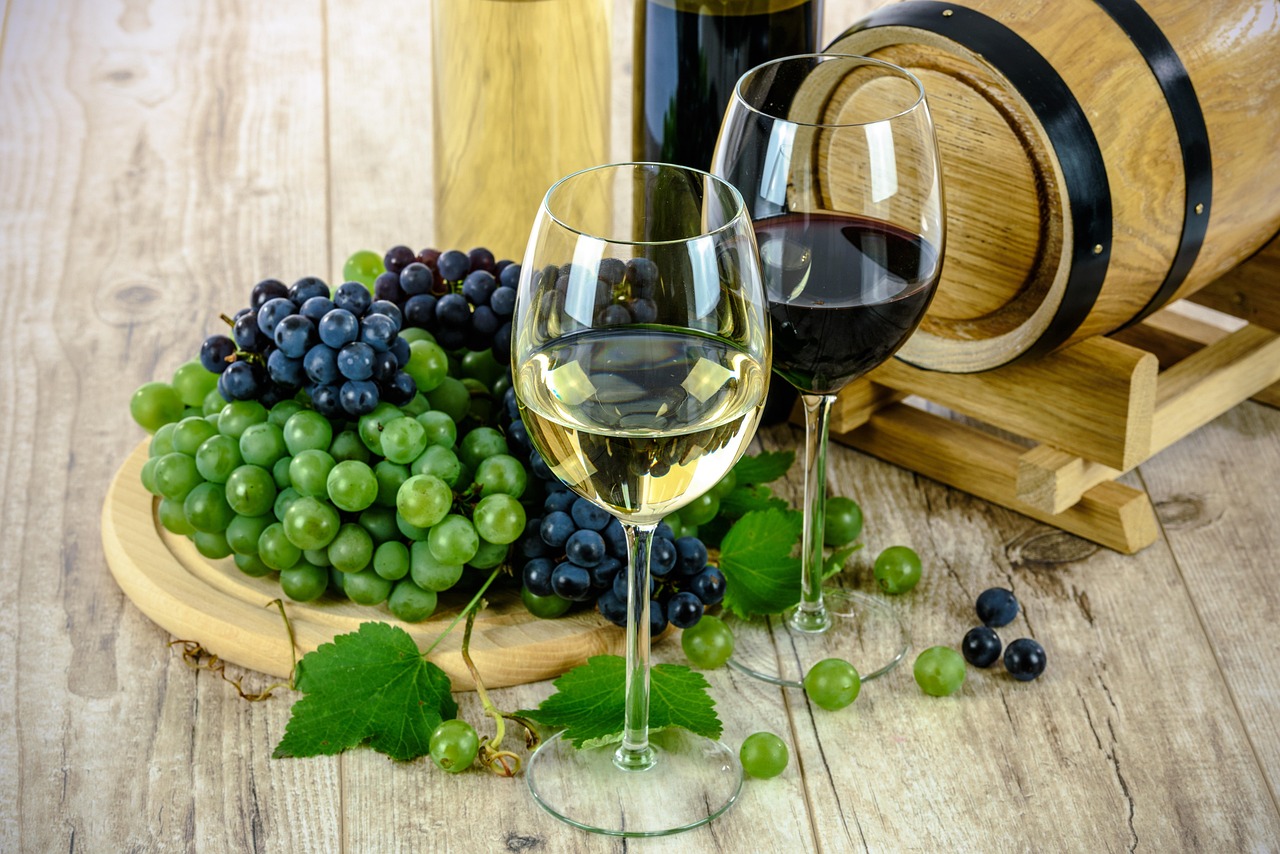
If a bottle becomes overly warm on a hot day, knowing how to chill red wine quickly restores balance before tasting.
Introductory Viticulture Context for Wine Serving
How Climate and Vintages Affect Initial Bottle Temp
The climatic conditions of the vineyard region where grapes were grown influence the overall density and alcohol structure of the wine. Cooler-climate regions yield wines with higher natural acidity and lighter bodies, which respond differently to temperature changes than warm-climate equivalents.
Understanding vintage variations also assists in determining how a wine will behave when brought to room temperature. A balanced vintage often requires less manual temperature adjustment than an exceptionally hot growing season.
Structure and Stability in Young Versus Mature Reds
Young red wines typically feature vibrant fruit and firm, unintegrated tannins that benefit from precise temperature control to soften their edges. Allowing a young red to rest at a moderate temperature helps smooth its primary characteristics.
Mature red wines, conversely, contain delicate, fragile aromatic compounds that degrade easily if subjected to improper temperature swings. Treating older bottles with extreme care preserves their fragile tertiary notes.
Preparing Storage Areas to Minimize Rapid Shifts
Maintaining stable storage conditions reduces the need for frequent corrective warming or chilling sessions. Basements, interior closets, or dedicated wine cabinets provide consistent environments that protect bottles from destructive temperature fluctuations.
Consistent storage ensures that every bottle remains in a stable state, ready to be brought to its ideal serving temperature with minimal effort and maximum preservation of quality.
Frequently Asked Questions
What is the ideal serving temperature for red wine?
The ideal serving temperature for most red wines generally ranges between 55°F and 65°F. Lighter-bodied reds like Pinot Noir taste best closer to 55°F, while fuller-bodied reds like Cabernet Sauvignon shine around 62°F to 65°F. Serving reds within this window balances fruit expression, alcohol warmth, and tannin texture effectively.
Why should red wine not be served at modern room temperature?
Modern indoor heating often keeps homes around 70°F or higher, which is significantly warmer than traditional cellars. Serving red wine at modern room temperature causes the alcohol to dominate the aroma and flavor profiles, making the wine taste unbalanced, flabby, and excessively warm on the finish.
Can I use a microwave to warm red wine quickly?
You should never use a microwave to warm red wine. Microwaves heat liquids unevenly, creating localized hot spots that can cook the wine, destroy delicate flavor compounds, and alter its chemical structure. Furthermore, rapid microwave heating can damage the bottle closure or cause the glass container to fracture under pressure.
How long does it take to warm a bottle of red wine in ambient air?
Warming an unopened bottle of red wine in ambient room air typically takes between thirty and forty-five minutes, depending on its starting temperature. This passive method provides a gentle, even thermal transition that protects the structural integrity of the wine without risking heat damage or altering delicate aromatic compounds.
Is it okay to put red wine in a warm water bath?
A lukewarm water bath is an acceptable method for warming red wine more quickly when short on time. Submerging the lower half of the bottle in tepid water for ten to fifteen minutes safely raises the internal temperature. Always avoid hot water to prevent thermal shock and structural degradation.
How does temperature affect wine tannins?
Temperature directly alters how human palates perceive tannin astringency. When a red wine is served too cold, its tannins feel sharp, chalky, and aggressively drying. Warming the wine slightly toward its optimal serving range softens the tannin structure, resulting in a smoother, more harmonious and pleasurable mouthfeel overall.