
Serving sweet red wine successfully involves balancing serving temperature, choosing appropriate glassware, and applying sensible storage practices. Unlike bone-dry reds, styles with notable residual sugar often benefit from a slight chill to highlight their fruit characteristics and balance their inherent sweetness.
Proper glassware further shapes the tasting experience by directing aromas toward the nose and guiding the liquid across the palate. Standard red wine glasses or medium-sized universal stems usually work well depending on the specific varietal, alcohol level, and regional blend characteristics.
Thoughtful attention to preservation and food pairing rounds out the service routine. Because sugar levels, tannin structures, and acidity vary widely among sweet reds, adapting these foundational steps helps present each distinct bottle effectively and enjoyably.

Temperature and Chilling Practices
Ideal Serving Temperatures
Sweet red wines generally benefit from temperatures noticeably cooler than standard room temperature, typically ranging between fifty-five and sixty degrees Fahrenheit. Serving these bottles too warm can cause the alcohol content to overpower the residual sugar and fruit flavors, masking the wine’s overall aromatic complexity and making the finish feel heavy.
Conversely, chilling a sweet red too heavily mutes its delicate fruit characteristics and accentuates unwanted structural elements. Finding the right thermal midpoint allows the natural acidity, residual sugar, and ripe fruit notes to integrate smoothly on the palate without any single element dominating the profile.
Refrigerator Chilling Methods
Placing a bottle of sweet red wine in a standard kitchen refrigerator for approximately twenty to thirty minutes before opening provides an efficient way to reach the target serving temperature. This brief window cools the liquid gradually without dropping it to temperatures designed for crisp white or sparkling wines.
If time is short, an ice bucket filled with equal parts water and ice chills a bottle even faster, usually achieving the desired temperature within ten to fifteen minutes. Monitoring the bottle closely prevents over-chilling, ensuring the wine retains its expressive aromas and approachable texture upon pouring.
Managing Temperature Shifts in the Glass
Once poured, sweet red wine naturally absorbs ambient heat from the surrounding room and the warmth of the drinker’s hands. Thicker glass bowls or holding the glass by the bowl rather than the stem accelerates this warming process, which can alter the flavor profile over the course of a meal.
Pouring smaller portions into the glass helps keep the wine closer to its ideal serving temperature throughout the entire tasting. If a bottle sits out for an extended period, returning it briefly to a cooler environment can restore the intended balance of fruit and sweetness.
For related wine guidance, see how to serve red blend wine.
Glassware Selection and Pouring Volumes
Choosing the Right Bowl Shape
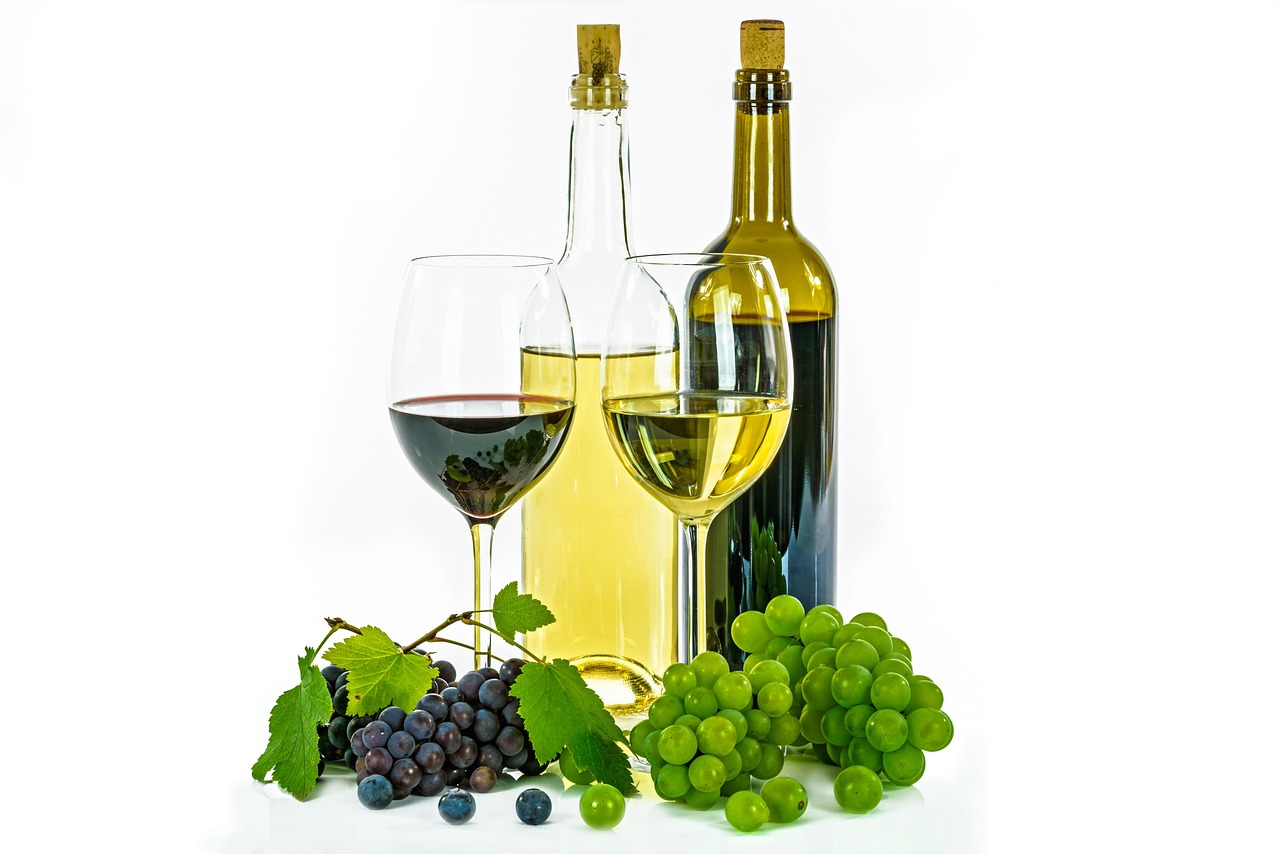
Glassware design significantly influences how aromas and flavors are perceived when drinking sweet red wine. A standard red wine glass featuring a moderately sized bowl allows sufficient oxygen contact to soften any residual tannins while concentrating the fruit-forward aromatics characteristic of these styles.
Taller bowls with slightly tapered rims direct the wine smoothly across the palate while funneling expressive fruit aromatics toward the nose. Avoid overly narrow flutes or heavy-lipped tumblers, as these shapes can distort the aroma profile and concentrate alcohol vapors unpleasantly.
Standard Pouring Sizes
Standard restaurant and tasting pours for sweet red wine generally range from three to five ounces per glass. Because these wines often contain higher residual sugar and sometimes elevated alcohol levels, smaller pours encourage moderation while preventing the wine from warming excessively in the glass.
Measuring or estimating pours carefully ensures that each guest receives an identical portion and leaves adequate empty space in the glass for swirling. This headspace is essential for gathering and releasing the wine’s volatile aromatic compounds before each sip.
Allowing Brief Aeration
Many sweet red wines benefit from a short period of exposure to air after the cork is removed. Allowing the bottle to breathe for fifteen to twenty minutes helps dissipate any initial storage odors and softens the wine’s overall texture on the palate.
Pouring the wine into glasses slightly ahead of time achieves a similar aeration effect without requiring a separate decanter. This gentle oxygenation lets complex berry, floral, and spice notes emerge fully before the first taste.
For related wine guidance, see how to serve sparkling red wine.
Food Pairing Principles for Sweet Red Styles
Balancing Residual Sugar with Spice
Sweet red wines pair exceptionally well with moderately spiced and heat-driven cuisines because the residual sugar acts as a natural counterweight to capsaicin. Dishes featuring chili heat, warming spices like cinnamon or ginger, and complex aromatic herbs find harmony alongside fruity, off-dry reds.
When selecting dishes, avoid pairing very sweet reds with extremely sugary foods, as the food can make the wine taste austere or metallic. Instead, focus on savory elements, subtle heat, and balanced acidity that interact harmoniously with the wine’s natural sweetness.
Pairing with Rich and Salty Cheeses
The salty, savory character of aged or blue-veined cheeses creates a classic contrast with the fruitiness and residual sugar of sweet red wines. The salt on the palate softens the perception of any subtle tannins while highlighting the lush fruit flavors in the glass.
Creamy cheeses like Gorgonzola, Roquefort, or aged Gouda provide a rich texture that coats the mouth, preparing the palate for the refreshing acidity and sweetness of the wine. This interplay prevents either the food or the beverage from overwhelming the other.
Matching Desserts and Chocolate
Pairing sweet red wine with dessert requires careful attention to relative sweetness levels to ensure the pairing succeeds. A standard pairing guideline suggests that the wine should generally be at least as sweet as the accompanying dessert to prevent the wine from tasting thin or tart.
Dark chocolate, berry-based tarts, and flourless chocolate cakes often pair well with fruity sweet reds. The cocoa bitterness and berry acidity merge cleanly with the concentrated fruit and sugar profile of the wine for a cohesive finish.
For related wine guidance, see how to serve red wine properly.
Short-Term Storage and Preservation Techniques
Resealing Opened Bottles
Properly resealing an opened bottle of sweet red wine helps slow down the oxidation process once the cork has been removed. Inserting the original cork firmly back into the bottle neck provides a reliable temporary seal for short-term keeping.
Alternative sealing methods, such as reusable silicone stoppers or vacuum pumps, also help protect the remaining wine. Vacuum pumps extract air from the bottle headspace, while airtight stoppers prevent fresh oxygen from circulating into the bottle.
Refrigerator Lifespan Limits
Once opened, sweet red wine should be stored in the refrigerator to slow chemical changes and microbial activity. The cooler environment extends the drinkable lifespan of the wine beyond what would occur if left out at room temperature.
Most sweet red wines retain their best flavor qualities for approximately three to five days when stored properly in the refrigerator. Beyond this window, the wine may begin to taste flat, oxidized, or acquire vinegar-like characteristics.
Preventing Oxidation and Spoilage
Oxygen exposure is the primary factor in wine degradation after opening, gradually turning fresh fruit aromas into dull, flat notes. Keeping opened bottles tightly sealed and shielded from direct light helps preserve the vibrant profile of the sweet red wine.
If a bottle has been open for longer than a week or exhibits off-aromas resembling vinegar or bruised fruit, it is generally past its peak drinking window. Utilizing leftover wine in culinary applications offers a practical alternative if the beverage loses its appeal for direct drinking.

Frequently Asked Questions
Should sweet red wine always be served chilled?
Sweet red wine does not always need heavy chilling, but it almost always benefits from a temperature slightly below standard room temperature. Serving these wines too warm can exaggerate the alcohol perception and obscure the fruit characteristics, while extreme chilling masks subtle aromas.
Aiming for a range between fifty-five and sixty degrees Fahrenheit provides the most reliable results for most styles. Adjusting the temperature slightly based on personal preference and room conditions remains an acceptable practice for casual enjoyment.
How long does an open bottle of sweet red wine last?
An open bottle of sweet red wine typically remains fresh for three to five days when securely recorked and stored inside a refrigerator. The higher sugar content in many sweet reds can offer minor preservation benefits compared to very dry wines, but oxidation still occurs steadily.
To maximize this lifespan, always return the bottle to refrigeration immediately after pouring a glass. If the wine develops sharp, acidic aromas or loses its primary fruit notes, it has likely exceeded its useful drinking window.
Can I use standard red wine glasses for sweet reds?
Standard red wine glasses work well for serving sweet red styles, provided the bowl offers enough room for the wine to breathe. Medium-sized universal stems or traditional Bordeaux glasses accommodate these wines effectively without requiring specialized glassware collections.
The important factor is ensuring the glass allows adequate space for swirling and aroma release. Avoiding excessively small glasses or heavy tumblers helps preserve the intended sensory experience of the wine.
Do sweet red wines require decanting before serving?
Most sweet red wines do not require traditional decanting, as they are typically crafted for immediate enjoyment and highlight fresh fruit characteristics rather than complex bottle aging. A simple fifteen to twenty-minute rest in the open bottle is usually sufficient to let the core aromas expand fully.
Full decanting is generally reserved for older, fuller-bodied styles that may have accumulated natural sediment over time. For standard commercial sweet reds, aggressive decanting can actually cause the wine to lose its vibrant, fruit-forward profile too quickly. Gentle exposure to air in the glass or a brief open-bottle window remains the most practical method for releasing subtle aromatics while allowing any minor storage odors to dissipate safely before the first pour.
What should I do if my sweet red wine gets too cold in the refrigerator?
If a bottle of sweet red wine spends too long in the refrigerator and drops significantly below its ideal serving temperature, simply remove it and let it rest on the counter at room temperature for fifteen to twenty minutes. This gradual warming allows the liquid to return safely to the target range without experiencing harsh thermal shock.
Always avoid using artificial heat sources such as microwaves, direct sunlight, or hot water baths to speed up the warming process. Rapid heating can drive off volatile aromas, make the alcohol taste harsh, and disrupt the delicate balance between residual sugar and fruit flavors. Exercising patience ensures the beverage regains its proper aromatic expression and approachable texture naturally before serving.