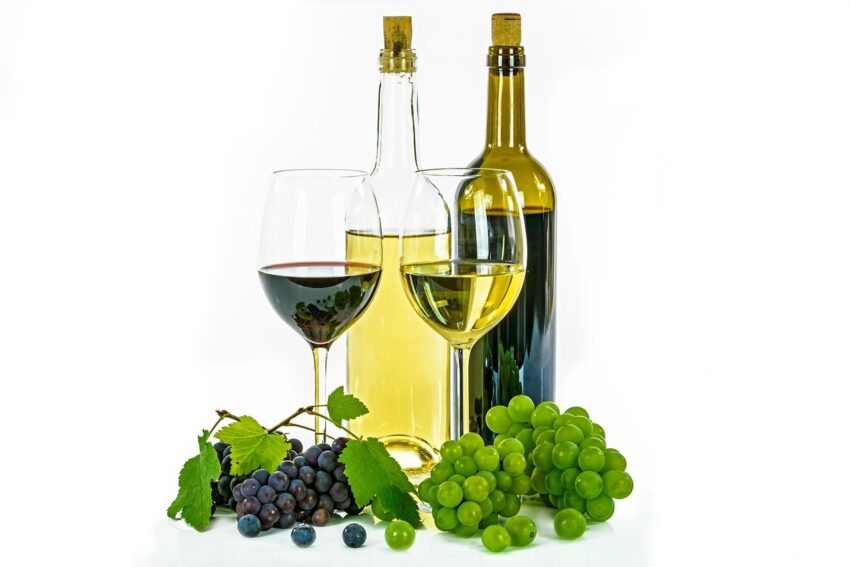
Serving red blend wine effectively involves managing temperature, selecting appropriate glassware, and providing sufficient aeration to highlight the distinct characteristics of mixed-varietal wines. Because red blends combine different grapes, their flavor profiles vary widely, requiring adaptable serving techniques rather than a single rigid protocol.
Proper preparation ensures that the aromatics and structural components, such as tannins and acidity, express themselves clearly in the glass. Whether dealing with a fruit-forward GSM blend or a structured Bordeaux-style formulation, precise control over the serving environment enhances the overall tasting experience.
This guide outlines practical, industry-standard methods for preparing and presenting red blends. By focusing on mechanical factors like thermal regulation and vessel geometry, hosts can optimize any bottle for immediate enjoyment without complex equipment or specialized training.
Temperature Control for Red Blends
Ideal Serving Ranges
Most red blends express their aromatic compounds and structural balance best when served slightly below typical room temperature, generally between sixty and sixty-five degrees Fahrenheit. Serving these wines too warm accentuates alcohol perception and mutes delicate fruit notes, while extreme cold makes tannins taste harsh and astringent.
Achieving this specific thermal window often requires minor adjustments depending on the specific grape composition. Lighter, fruit-driven blends lean toward the cooler end of the spectrum, whereas full-bodied, heavily structured iterations tolerate the upper boundary of traditional cellar ranges quite well.
Cooling Over-Chilled Bottles
When a red blend is stored in a refrigerator set below standard cellar levels, it frequently arrives at the table too cold for optimal tasting. Allowing the bottle to sit undisturbed on a counter for twenty to thirty minutes lets the wine warm naturally toward the correct temperature range.
Immersing the bottle in very hot water is generally discouraged because rapid or extreme thermal shifts can negatively affect the wine’s volatile compounds; if a water bath is used, lukewarm water and close monitoring help avoid overshooting the target temperature. Gradual ambient warming remains the safest and most reliable method to restore balance to an overly chilled red blend.
Managing Warm Ambient Temperatures
In environments where room temperature exceeds seventy degrees Fahrenheit, red blends can quickly become unpleasantly warm during a meal. Placing the bottle in an ice bucket for ten to fifteen minutes before serving helps counteract ambient heat and preserves structural freshness in the glass.
Monitored cooling prevents the wine from dropping past its ideal threshold while maintaining a pleasant, refreshing profile. Checking the bottle temperature by touch provides a simple, practical gauge during warm-weather gatherings or in unconditioned dining spaces.
For related wine guidance, see how to serve sparkling red wine.
Glassware Selection Mechanics
Bowl Shape and Aromatics
The geometry of a wine glass directly influences how volatile organic compounds reach the nose during evaluation. A moderately wide bowl provides sufficient surface area for oxygen interaction, allowing complex red blends to release concentrated aromas without overwhelming the senses.
Selecting a vessel with adequate volume ensures that ethanol vapors have space to dissipate before reaching the rim. This design feature prevents high-alcohol distraction, allowing subtler floral, herbal, and earthy characteristics of the blend to emerge clearly.
Rim Diameter and Flow
Rim diameter influences how the liquid enters the mouth and how aromas are directed toward the nose during each sip. A slightly tapered rim can concentrate the flow and help channel volatile compounds upward, which may affect how aromas are perceived alongside the wine’s flavors.
A wide rim, conversely, causes the wine to spread broadly across the oral cavity, which can emphasize acidity and structure simultaneously. Matching the rim width to the body of the red blend helps maintain structural harmony with every sip.
Stemware Material Considerations
Glass composition and thickness impact both thermal transfer and the tactile sensation of drinking. Thin-walled crystal or high-grade glass minimizes the barrier between the taster and the beverage, while keeping hand-induced warming to a manageable level during prolonged holding.
Heavier, thick-rimmed vessels often retain ambient heat from hands and alter the perceived weight of the wine. Utilizing smooth, clear, thin-walled stemware provides an uncompromised sensory experience when evaluating complex multi-varietal blends.

For related wine guidance, see how to serve sweet red wine.
Decanting and Aeration Practices
Determining Aeration Needs
Not every red blend requires extensive aeration before serving, making individual bottle assessment essential. Young, tightly wound blends benefit from exposure to oxygen, which softens prominent tannins and opens up closed fruit profiles within a relatively short timeframe.
Older red blends or delicate styles can lose their fleeting secondary aromatics if exposed to too much oxygen too quickly. Tasting a small sample upon opening helps determine whether the wine needs aggressive aeration or simply a gentle pour into the glass.
Using Standard Decanters
Pouring a red blend into a wide-bottomed decanter increases the liquid surface area exposed to ambient air. This mechanical process accelerates the softening of astringent elements, making robust, high-tannin blends feel smoother and more integrated on the palate.
For wines requiring minimal breathing time, a narrower vessel or simply pouring the wine a few minutes ahead of consumption provides sufficient oxygen exposure. The duration of decanting should always match the structural density and age of the specific blend.
Pouring and Sediment Control
Older red blends frequently form natural sediment during bottle aging, requiring careful extraction techniques. Keeping the bottle upright for several hours before serving allows solid particles to settle firmly at the base, simplifying the separation process.
When transferring the wine, pouring in one continuous motion under a light source helps detect sediment reaching the neck. Leaving the final ounce of liquid in the bottle prevents cloudy particles from entering the decanter or serving glasses.
For related wine guidance, see how to serve red wine properly.
Food Pairing Principles
Matching Weight and Body
Pairing red blends successfully relies heavily on matching the weight of the wine with the richness of the dish. Light-bodied blends complement delicate poultry or vegetable preparations, whereas full-bodied blends stand up effectively to heavy, robust meats and complex stews.
Disregarding weight differentials can result in either the food or the wine completely dominating the palate. Ensuring structural parity allows both elements to complement each other without masking individual flavors during the meal.
Balancing Tannin and Fat
The structural tannins found in many red blends interact directly with proteins and fats in food. High-fat dishes coat the palate, which in turn softens the perception of astringency in structured red wines, creating a harmonious and balanced combination.
Conversely, pairing high-tannin blends with lean, highly salted, or bitter foods can accentuate harsh qualities in the glass. Selecting appropriate protein sources ensures that the wine’s structural elements feel velvety rather than drying.
Accounting for Acidity and Spice
Acidity in red blends acts as a palate cleanser, cutting through rich sauces and complementing tomato-based dishes. Ensuring the wine possesses comparable or higher acidity than the food prevents the pairing from tasting flat or flabby.
Spicy or heavily seasoned dishes require careful consideration because high alcohol content in some red blends can magnify capsaicin burn. Choosing lower-alcohol or fruit-forward styles helps mitigate potential clashes with aggressive culinary heat.
Frequently Asked Questions
Should red blends ever be served chilled?
Lighter red blends, particularly those with high proportions of low-tannin grapes, benefit from a brief period in the refrigerator. Cooling them to around fifty-five degrees Fahrenheit may help highlight fresh berry notes and reduce the perception of alcohol warmth during hot weather, though the effect depends on the specific wine.
However, heavily structured, oak-aged red blends lose their aromatic complexity when over-chilled. Assessing the specific body and tannin level of the wine remains the best indicator for determining whether intentional cooling will enhance or detract from the experience.
How long can an open bottle last?
An opened bottle of red blend may remain reasonably stable for roughly two to three days under cool, dark storage, though this varies with wine style, fill level, and how well the bottle is resealed. Reinserting the original cork tightly and placing the bottle in a refrigerator slows oxidation significantly after the initial pour.
The presence of oxygen gradually alters the flavor profile, causing vibrant fruit characteristics to fade into dried fruit and vinegar notes over time. Using vacuum pumps or inert gas preservation systems can extend this usable window by a day or two.
Does the closure type affect serving preparation?
Both natural cork and screw cap closures protect the wine effectively during storage, but they require different physical actions upon opening. Cork-sealed bottles may occasionally require corkscrew extraction and inspection for flaws, while screw caps require only a simple twist.
Neither closure mechanism inherently changes how the wine should be aerated or served once opened. The choice of closure dictates opening mechanics rather than the subsequent thermal management, glassware selection, or decanting protocols required for optimal enjoyment.
Is simply uncorking a bottle sufficient for effective aeration?
Uncorking a wine bottle and letting it sit on the counter provides minimal internal aeration because the narrow bottle neck severely restricts air circulation. Only the tiny surface area at the very top of the liquid directly contacts oxygen, meaning only very limited oxygen contact occurs during a standard pre-dinner resting window of thirty to forty-five minutes, and any softening effect is typically minimal. Relying solely on this passive technique tends to leave the core structure of a tightly wound wine largely unchanged.
For tightly wound or highly structured red blends, this passive method fails to accelerate the chemical processes needed to tame harsh tannins or release trapped volatile compounds. Pouring the wine into a wide-bottomed vessel or utilizing a specialized physical aerating device remains far more effective for opening closed aromatic profiles quickly, ensuring the complex characteristics of the blend become fully accessible immediately upon serving.
Does using a mechanical aerator replace traditional decanting?
Mechanical aerators force rapid oxygen infusion as the wine pours through a specialized internal channel, which can soften prominent tannins and open up closed fruit aromas more quickly than passive resting. This handheld accessory can be useful for young, robust red blends that benefit from quick aeration, though results vary by wine and individual preference.
However, these mechanical gadgets cannot separate natural sediment from mature wines the way a traditional glass decanter does during a slow, illuminated manual pour. Therefore, instant pour-through aerators suit youthful, sediment-free commercial bottlings, while older vintage blends still require careful manual decanting methods and proper resting time to ensure absolute visual clarity and structural balance in the glass.