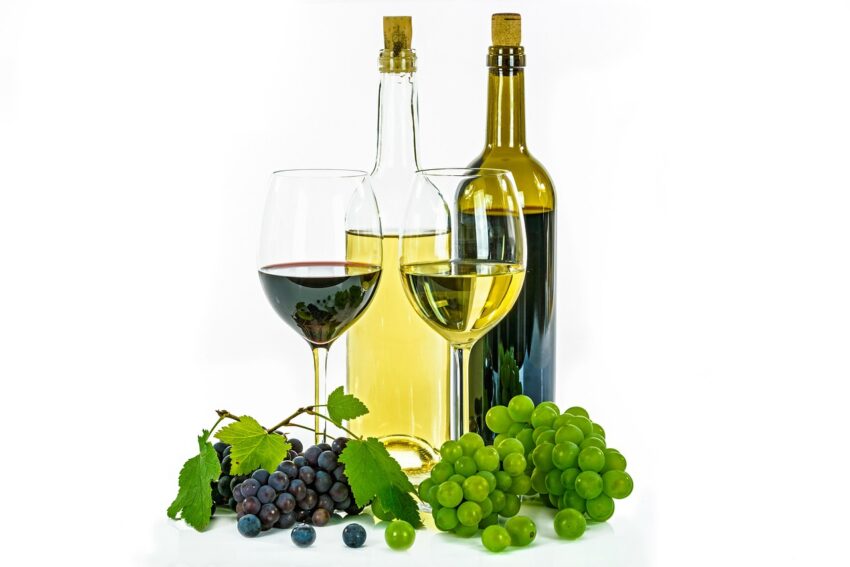
To store opened white wine effectively and preserve its crisp character, place the bottle upright in a standard kitchen refrigerator with a secure, airtight stopper or its original screw cap. Minimizing oxygen exposure is the single most important factor in keeping opened white wine fresh for subsequent pours over the next three to five days.
Different white wine styles react to oxygen at varying rates, with lighter, fruit-forward bottles degrading faster than full-bodied, oaked varieties. Understanding the fundamental mechanics of oxidation, proper sealing techniques, and optimal temperature ranges ensures that every bottle retains its intended structural balance, acidity, and aromatic profile until the final glass is enjoyed.
The Chemical Impact of Oxygen on Opened White Wine
Understanding Oxidation Processes
When a bottle of white wine is opened, atmospheric oxygen immediately comes into contact with the liquid surface. This triggers a series of chemical reactions involving phenolic compounds and organic acids.
Initial exposure can sometimes benefit closed wines by softening harsh edges, but prolonged contact leads to chemical degradation. The freshness diminishes as volatile aromatic compounds begin to break down and dissipate into the surrounding air.
Why White Wines Fade Faster Than Reds
White wines generally lack the high concentrations of tannins and complex polyphenols found in red wines. These natural compounds act as powerful antioxidants, protecting red wine structures from rapid degradation.
Without this natural defense mechanism, white wines show signs of aging and oxidation much faster once unsealed. Their delicate fruit esters and floral aromatics are inherently more vulnerable to environmental changes.
Chemical Changes in Aromas and Flavors
As oxidation progresses, fresh citrus, green apple, and tropical fruit notes gradually transform into heavier, muted characteristics. The vibrant yellow-green hue of a youthful white wine may also shift toward a deeper amber or gold color.
In advanced stages, chemical reactions produce compounds reminiscent of bruised apples, honey, or sherry. While some drinkers appreciate these aged notes in specific styles, overly oxidized table whites lose their refreshing appeal.
Mitigating Initial Air Exposure
Controlling the rate of oxidation starts the moment the cork is pulled. Pouring the desired amount and immediately resealing the bottle prevents unnecessary ambient air from settling inside the neck.
Keeping the bottle upright minimizes the liquid surface area exposed to residual oxygen trapped in the headspace. Simple operational habits significantly extend the drinkable lifespan of everyday white wines.
Temperature Control and Refrigeration Best Practices
The Role of Consistent Cool Temperatures
Refrigeration slows down the chemical reactions responsible for wine degradation. Lower temperatures reduce molecular activity, effectively putting the oxidation process into a slower gear compared to room-temperature storage.
Maintaining a stable cold environment preserves the wine’s intrinsic balance of acidity and residual sugar. Storing the bottle in a reliable refrigerator is essential for keeping whites fresh.
Avoiding Kitchen Appliance Vibration
Standard kitchen refrigerators frequently experience continuous mechanical vibrations from compressors and frequent door openings. While minor vibrations have a negligible immediate effect, persistent movement can disrupt sediment and accelerate chemical aging.
For casual consumption, standard refrigeration is acceptable over a few days. Dedicated wine coolers offer superior stability, though standard kitchen units suffice for short-term preservation of opened bottles.
Managing Temperature Fluctuations
Frequent shifts between warm room temperatures and cold refrigeration stress the liquid inside the bottle. Rapid thermal expansion and contraction can compromise closures and alter flavor integrity.
Keeping the opened bottle consistently in the refrigerator, rather than moving it back and forth to the counter, prevents these damaging thermal swings and maintains consistent fluid density.
Finding the Best Spot Inside the Fridge
The door shelves of a refrigerator experience the most dramatic temperature variations due to frequent opening. Placing opened white wine deeper within the main body of the refrigerator ensures a more stable environment.
Choosing a protected shelf away from pungent foods also prevents the wine from absorbing unwanted ambient aromas through porous corks or loose stoppers.
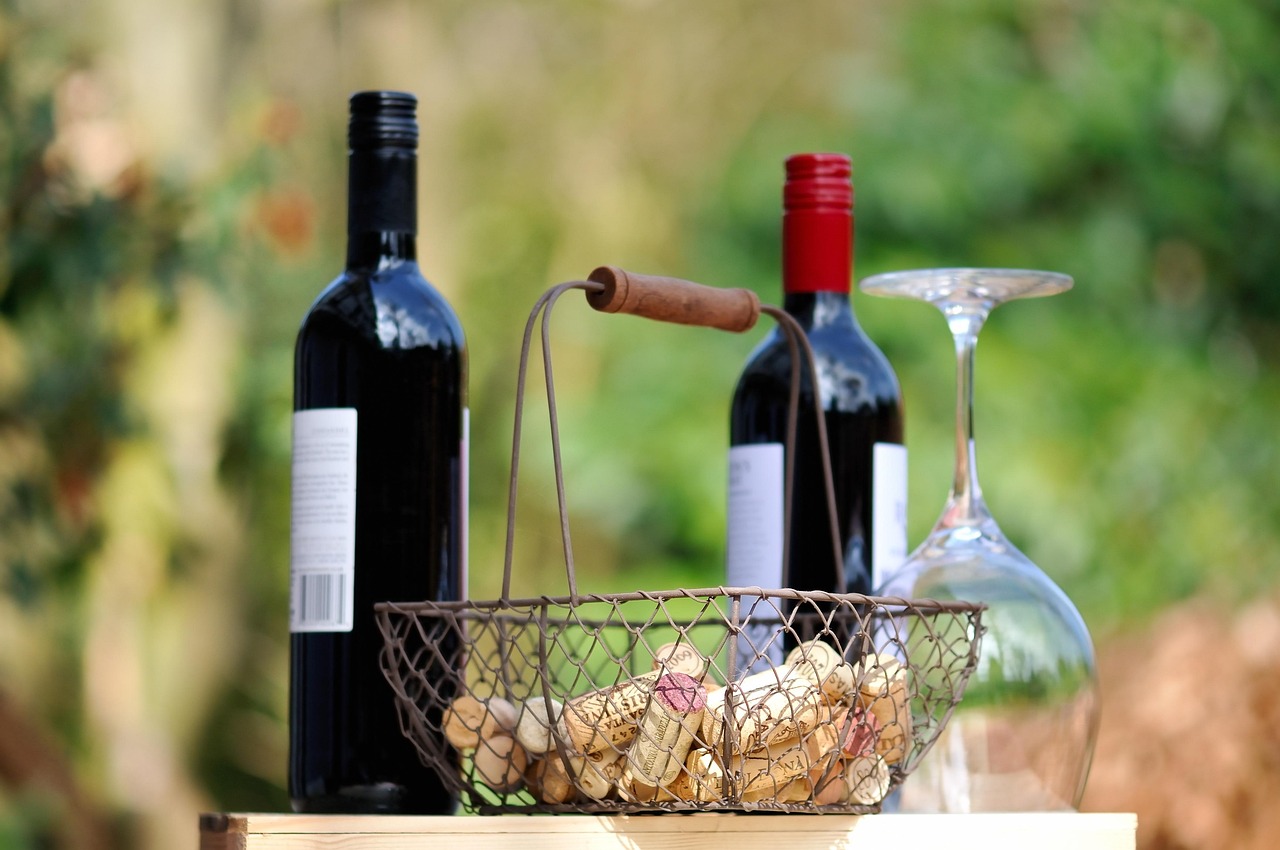
When managing your refrigerator temperatures, learning how to keep white wine fresh can significantly extend its drinkable lifespan after the cork is pulled.
Practical Sealing and Closure Methods
Utilizing Original Corks and Screw Caps
Reinserting the original natural cork is a straightforward way to reseal a bottle, provided it is inserted carefully. However, natural corks expanded by moisture can be difficult to fit back snugly.
Screw caps offer an exceptional advantage for opened bottles because they create a reliable, airtight seal effortlessly. Twisting the original cap back on tightly is often more effective than forcing a misshapen cork.
Vacuum Pumps and Air Removal
Specialized wine preservation pumps extract air from the opened bottle to create a partial vacuum. This mechanical method physically removes oxygen, reducing the volume of gas available to interact with the wine.
While these systems do not create a complete vacuum, they significantly slow the oxidation timeline. Users should pump until resistance is felt, indicating that excess air has been successfully drawn out.
Inert Gas Blankets and Sprays
Inert gas preservation systems utilize food-grade gases, such as argon or nitrogen, which are heavier than oxygen. Spraying these gases into the bottle creates a protective blanket that shields the wine surface.
Because the gas is inert and non-reactive, it does not alter the taste or aroma of the white wine. This method is particularly useful for collectors preserving high-end bottles across multiple days.
Decanting into Smaller Storage Vessels
Oxidation is directly related to the ratio of air to liquid inside the storage container. Transferring leftover white wine into a clean, smaller glass jar or half-bottle minimizes this headspace.
Filling a smaller container to the brim leaves virtually no room for trapped air, keeping the remaining liquid remarkably fresh. This low-tech approach rivals commercial preservation gadgets in effectiveness.
Lifespan and Storage Duration by White Wine Style
Crisp, Light-Bodied Whites
Light-bodied, high-acid white wines like Sauvignon Blanc, Pinot Grigio, and Albariño typically remain fresh for three to five days when properly sealed and refrigerated.
Their bright structural profile highlights any early signs of oxidation, making prompt consumption ideal. Enjoying these wines within the first few days ensures maximum fruit vibrancy.
Aromatic and Floral Varieties
Aromatic varieties such as Riesling, Gewürztraminer, and Viognier feature delicate volatile compounds that fade quickly once exposed to oxygen. These styles are best consumed within three days of opening.
While they may remain chemically safe to drink slightly longer, their distinct floral and spice notes diminish rapidly, leaving a flatter, less expressive palate experience.
Full-Bodied, Oaked Chardonnays
Full-bodied Chardonnays that have undergone oak aging and malolactic fermentation possess a sturdier structural framework. These complex styles often maintain their character for up to five days.
Their richer texture and secondary buttery notes handle minor oxidation better than lighter, crisper counterparts, allowing for a slightly extended enjoyment window.
Sweet and Fortified White Styles
Late-harvest dessert wines and fortified white styles contain higher levels of natural sugars or alcohol, which act as natural preservatives. These resilient bottles can last up to a week or more.
Refrigerating these sweet styles after opening slows down any remaining chemical activity, ensuring the luscious honeyed profile remains intact across multiple servings.
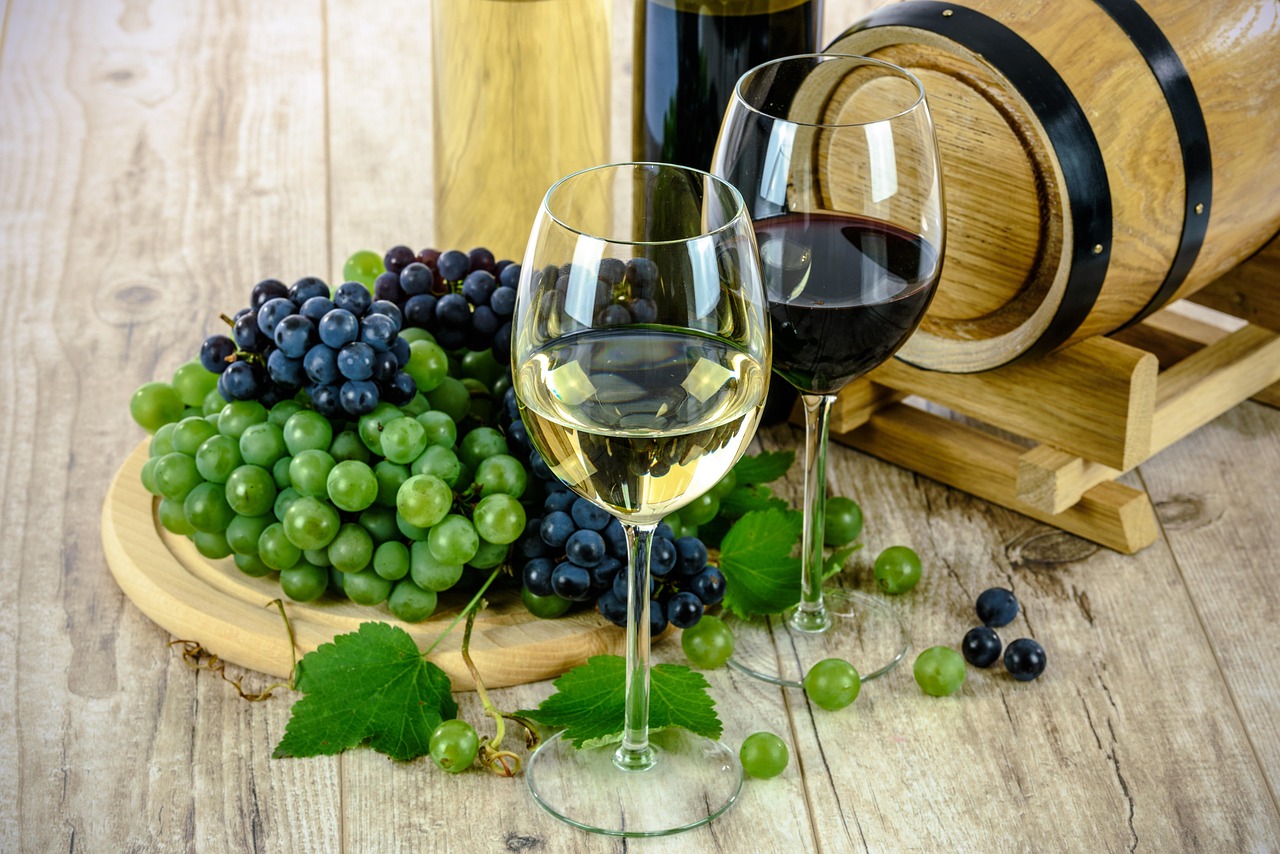
Similar principles apply when you learn how to store marsala wine after opening for long-term flavor preservation.
Identifying Spoilage and Culinary Alternative Uses
Spotting Visual and Olfactory Cues of Spoilage
Evaluating an opened bottle begins with a simple visual and aromatic inspection. A darkened, brownish color or a sharp, vinegar-like aroma indicates that the wine has turned past its prime.
If the liquid smells predominantly of stale nuts, nail polish remover, or heavy cardboard, the chemical composition has degraded beyond comfortable drinking standards.
Safe Tasting Checks for Aged Bottles
When visual and nasal checks remain inconclusive, a minimal taste test provides definitive feedback. Take a very small sip and let it touch the palate to assess structural integrity.
A sharp, stinging acidity or an intensely bitter finish confirms that the wine has oxidized significantly. Spoilage at this stage poses no severe health risk, but the culinary quality is compromised.
Utilizing Slightly Oxidized Wine in Cooking
White wine that has lost its appeal for direct drinking can still be valuable in the kitchen. Slightly oxidized whites work wonderfully in pan sauces, risotto reductions, and marinades.
Cooking evaporates volatile compounds while utilizing the remaining acidity and complex flavors to elevate savory dishes, preventing perfectly safe food ingredients from going to waste.
Recognizing When to Discard Safely
If an opened white wine displays heavy cloudiness, persistent surface film, or an overtly repulsive odor resembling spoiled fruit or harsh chemicals, discard it immediately.
Knowing when a bottle has crossed the line from tired table wine to completely spoiled liquid ensures that only pleasant, well-preserved beverages reach the dining table.
If the bottle has oxidized past the point of pleasant drinking, you can easily transform it into a flavorful white wine reduction sauce for dinner.
Frequently Asked Questions About Storing Opened White Wine
Can I leave an opened bottle of white wine on the kitchen counter overnight?
Leaving an opened bottle of white wine on the counter overnight exposes it to continuous room temperature and uncontrolled oxygen, accelerating the oxidation process significantly. While the wine remains safe to taste the next day, its bright fruit characteristics and crisp acidity will likely be dulled. Always store opened bottles in the refrigerator to maintain optimal freshness.
Does freezing leftover white wine affect its quality for later use?
Freezing leftover white wine is an effective way to preserve it for future cooking applications, though the freezing process degrades delicate aromatics needed for drinking. Pouring the wine into ice cube trays allows you to easily portion out small amounts for future pan sauces, soups, and marinades without wasting any liquid.
How can I tell if an opened white wine has completely gone bad?
An opened white wine has gone bad when it develops a sharp, vinegar-like smell, a dark amber color, or flavors reminiscent of bruised apples and stale nuts. While these heavily oxidized wines are unpleasant to drink, they are not inherently toxic; however, discarding them or using them strictly for cooking is recommended.
Is a vacuum pump necessary for preserving everyday table wines?
A vacuum pump is not strictly necessary for preserving everyday white wines consumed within a couple of days. Simply reinserting the original screw cap or using a standard rubber stopper provides more than enough protection to keep a casual table wine fresh for up to three to four days in the refrigerator.
Does the type of bottle closure impact how long white wine lasts?
The type of bottle closure significantly impacts preservation convenience after opening. Screw caps create a tight, dependable seal that requires zero effort, whereas natural corks can sometimes warp or become difficult to reinsert securely, potentially allowing more ambient air to enter the bottle during short-term storage.
Can cooking with an older opened white wine mask flavor flaws?
Cooking with a slightly oxidized white wine can successfully mask minor flavor flaws because heat transforms volatile compounds and integrates acidity into savory dishes. However, if the wine has turned completely sour or smells intensely like vinegar, those harsh, unpleasant characteristics will transfer directly into your cooked food.