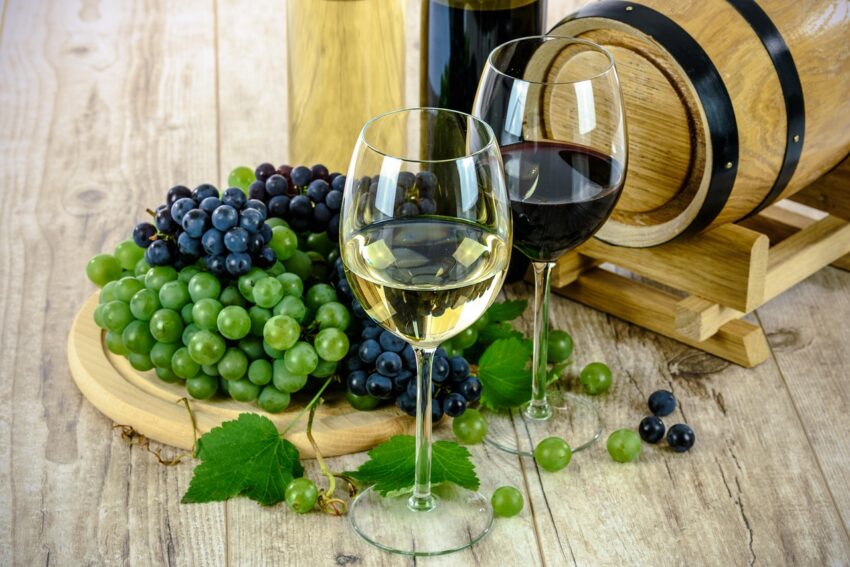
Keeping white wine fresh requires minimizing exposure to oxygen, light, and heat, which are the primary factors that degrade its delicate aromas and crisp flavors.
Once a bottle is uncorked, the internal balance shifts rapidly as volatile compounds oxidize, transforming vibrant fruit notes into dull, flat characteristics.
Implementing proper storage habits, utilizing effective re-sealing tools, and understanding wine longevity ensure that every pour remains enjoyable from the first glass to the last.
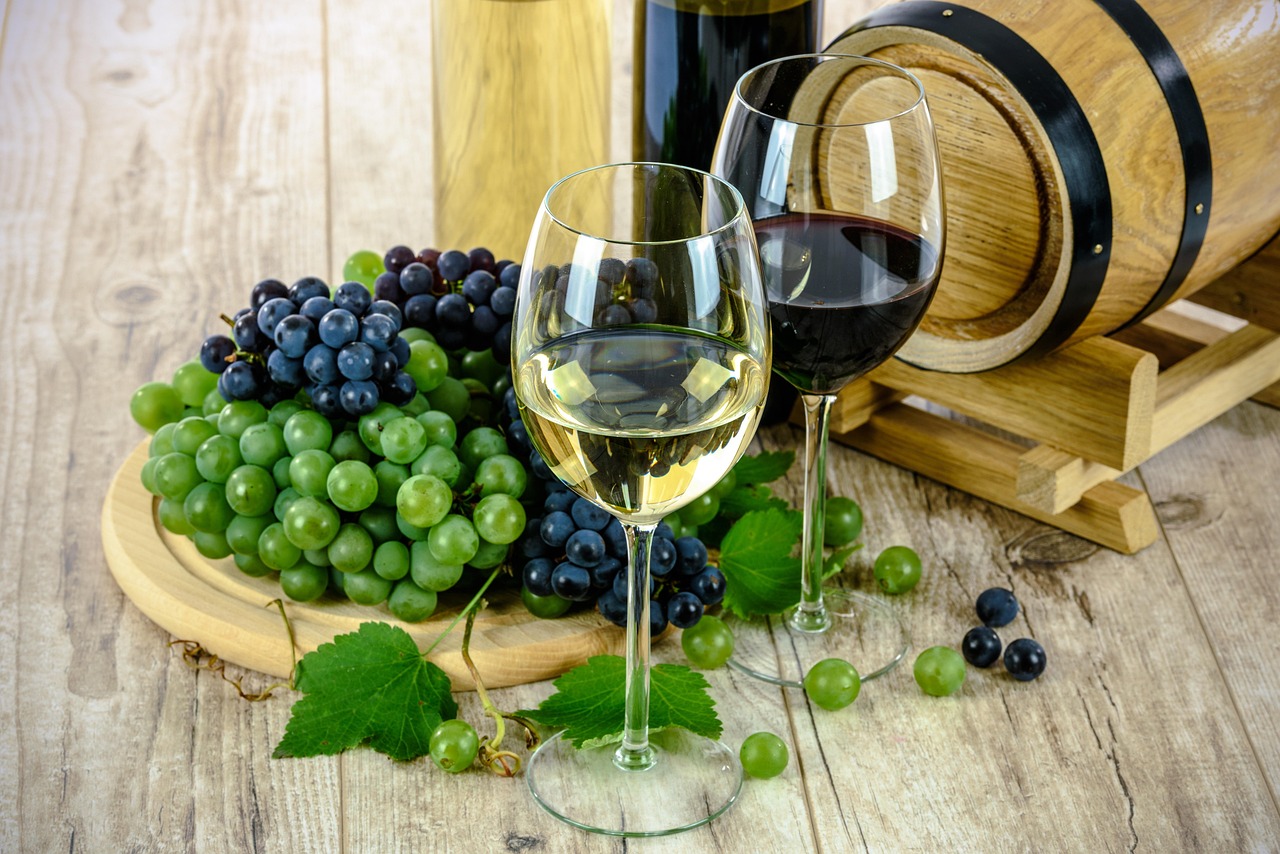
Temperature and Light Control
Managing Ambient Room Heat
Heat accelerates chemical reactions within wine, causing delicate esters and fruit aromatics to break down prematurely. Keeping unopened or opened white wine away from direct sunlight, radiators, and kitchen stoves is vital for preserving structural integrity.
A stable, moderate environment prevents rapid expansion and contraction of liquid within the vessel, which can push corks outward or breach airtight seals. Consistent temperature moderation protects volatile floral esters, ensuring the wine retains its natural balance of bright acidity, focused fruit character, and structural poise over time.
Utilizing Standard Kitchen Refrigeration
Standard household refrigerators provide a cold environment that slows down oxidation and microbial activity in opened bottles. However, most kitchen units operate at temperatures slightly too cold for long-term storage and experience frequent door openings.
For temporary storage over a few days, a standard fridge is entirely adequate for white wine. Bringing the beverage out of deep chill for a few minutes before serving helps release suppressed aromas.
Protecting Bottles from Ultraviolet Rays
Ultraviolet radiation penetrates standard glass bottles and triggers chemical reactions involving amino acids, producing unpleasant sulfur-like odors. This phenomenon, known as light-strike, ruins the aromatic profile of white wines very quickly.
Storing bottles inside dark cupboards, dedicated cellars, or heavy-gauge protective wraps prevents light damage. Clear glass bottles are especially vulnerable and demand immediate shielding from direct illumination.
For related wine guidance, see how to keep corked wine fresh.
Re-Sealing and Air Management
Inserting Original Corks Properly
Re-inserting the original cork provides a basic barrier against airborne contaminants and excessive oxygen contact. Placing the cork back into the neck with the stained, wine-facing side inward prevents introducing dust, handling residues, or outside contaminants into the liquid.
Because natural corks expand once removed, pushing them back in fully can be difficult. Pressing firmly while twisting ensures a snug fit that slows down the rate of atmospheric exchange overnight.
Employing Rubber Vacuum Stoppers
Vacuum pumps and specialized rubber stoppers allow users to extract excess air from partially filled bottles. Reducing the volume of oxygen inside the headspace minimizes the primary catalyst responsible for wine degradation.
While manual vacuum stoppers do not achieve a total laboratory vacuum, removing excess air reduces the oxygen volume available to interact with the liquid. Pumping until you feel firm mechanical resistance helps prolong the fruit freshness of crisp whites, though delicate sparkling wines should never be vacuumed because the process removes dissolved carbon dioxide.
Using Inert Gas Preservation Sprays
Inert gas preservation systems typically dispense dense gases such as argon, or dedicated nitrogen blends, into the headspace before resealing. Because argon gas is significantly denser than ambient air, it effectively displaces oxygen from the bottle neck, creating an inert headspace environment that shields delicate aromatics from atmospheric oxidation.
A short, controlled burst displaces reactive air inside the bottle neck without imparting any aroma, taste, or effervescence to the beverage. This technique is especially advantageous for delicate, older vintages or high-end aromatic whites that lose their nuanced floral and mineral qualities rapidly upon repeated air exposure.
For related wine guidance, see how to serve white wine.
Bottle Positioning and Handling
Storing Bottles in a Horizontal Orientation
Before opening, laying bottles horizontally keeps natural corks moist, preventing them from drying out, shrinking, and allowing premature oxygen ingress. While many white wines feature screw caps or synthetic closures that do not require horizontal contact, traditional cork closures still benefit from this position during cellaring.
However, once a bottle is opened, the ideal orientation reverses. Opened white wines are generally best stored upright in the refrigerator. Storing an uncorked bottle horizontally vastly increases the liquid’s surface area exposed to trapped headspace oxygen, which accelerates oxidation and invites messy leakage around resealed corks.
Minimizing Physical Agitation and Vibration
Constant movement and physical vibration accelerate chemical reactions and can disturb settled sediment in older styles. Placing bottles in stable locations away from heavy appliances or foot traffic protects their molecular structure.
Excessive vibration or agitation can accelerate physical and chemical changes by continuously circulating dissolved oxygen throughout the liquid volume. Gentle handling and resting bottles on steady surfaces help preserve refined fruit esters and ensure that aged whites retain their integrated, harmonious palate structure.
Managing Temperature Fluctuations During Transport
Moving white wine between locations exposes the liquid to sudden temperature spikes that degrade volatile compounds. Using insulated carriers during warm weather prevents thermal shock during transit from retail shops home.
Allowing transported bottles to rest vertically in a cool environment for a few hours helps stabilize internal pressures. Careful transit management preserves the crispness intended by the producer.
For related wine guidance, see how to store opened white wine.
Recognizing Oxidation and Spoilage
Identifying Color Shifts in White Wine
Healthy white wine typically exhibits pale straw, yellow, or golden hues depending on the specific grape variety and aging vessel. Significant darkening toward deep amber or brownish tones usually indicates excessive oxidation.
While slight color variation is normal in older oak-aged styles, rapid browning in fresh, young bottlings signals spoilage. Visual assessment serves as an immediate indicator of whether the beverage remains palatable.
Detecting Off Aromas and Flat Flavors
Fresh white wine should display vibrant fruit, floral, or mineral aromas without harsh chemical or bruised-apple notes. When oxidation takes over, these pleasant scents fade into heavy, vinegar-like, or stale cardboard characteristics.
Tasting a small sample reveals whether the lively fruit character has faded into dull, flat notes or sharp volatile acidity. Recognizing these sensory cues prevents serving compromised wine to guests.
Assessing Viability After Multiple Days
Most commercial white wines begin losing their optimal aromatic profile after three to five days in refrigeration. Full-bodied styles with robust structure might endure slightly longer than delicate, highly aromatic varieties.
Evaluating each bottle individually based on closure type and initial style guides practical consumption timelines. Knowing when a wine has passed its peak avoids unpleasant tasting experiences.
Frequently Asked Questions
How long does an opened bottle of white wine last in the fridge?
Most opened white wines remain fresh for three to five days when stored properly inside a cold household refrigerator. Lighter, aromatic styles tend to fade faster, whereas full-bodied white wines maintain structural balance slightly longer.
Using vacuum stoppers or inert gas preservation can extend this timeframe by an extra day or two. Always rely on sensory evaluation regarding color and aroma before consuming older open bottles.
Can I freeze leftover white wine for later cooking use?
Leftover white wine can be frozen successfully and utilized later for deglazing pans or simmering sauces. Pouring the remaining liquid into clean ice cube trays allows for convenient portion control during future meal preparation.
Once frozen solid, transfer the cubes into a sealed freezer bag to prevent freezer burn and unwanted absorption of flavors. While cooking breaks down delicate compounds, avoid using heavily oxidized wine for culinary applications.
Does the specific grape variety affect how long white wine stays fresh?
Grape variety and winemaking techniques heavily influence how long an open white wine retains freshness. High-acid varieties like Riesling or Sauvignon Blanc often maintain vibrant profiles longer than low-acid alternatives.
Furthermore, white wines fermented or aged in oak barrels possess natural phenolic compounds that offer mild resistance against rapid oxidation. Understanding these inherent traits helps manage consumption expectations effectively.
Does screw cap versus natural cork closure change how an opened white wine handles storage?
Screw caps offer a distinct advantage when resealing opened white wine because they create a tight, uniform seal that prevents accidental leaks and reduces oxygen influx. Unlike natural corks, which can dry out, crumble, or vary in density during re-insertion, a threaded cap restores the initial airtight barrier effortlessly.
However, once the factory seal is broken, the rate of oxidation still depends heavily on the remaining volume of liquid inside the bottle. A screw cap does not remove trapped oxygen from the headspace, meaning vacuum stoppers or inert gas remain useful tools regardless of whether the bottle originally featured a cork or a metallic closure.
How does ambient indoor lighting impact white wine left on a counter?
Kitchen countertops frequently expose white wine bottles to harsh overhead fluorescent or bright LED illumination, which can initiate subtle photochemical reactions even without direct sunlight. Ultraviolet and high-energy visible rays penetrate clear or pale green glass rapidly, breaking down sensitive amino acids and generating distinct sulfur off-odors that compromise delicate fruit profiles and structural integrity.
To keep white wine fresh during multi-day consumption, return the bottle to a dark refrigerator shelf or slip it inside an opaque storage bag between individual pours. Shielding the glass vessel from continuous artificial illumination preserves its aromatic purity and prevents premature flavor degradation caused by cumulative light exposure over extended periods.
How do bag-in-box white wines compare to glass bottles regarding freshness?
Bag-in-box white wines utilize an internal collapsing plastic bladder fitted with a specialized one-way valve tap that prevents air from entering the container as liquid is dispensed. This clever mechanism ensures that the remaining wine is never exposed to oxygen during use, allowing many boxed styles to maintain their crisp flavors for several weeks after the initial opening.
By contrast, traditional glass bottles introduce fresh oxygen into the headspace with every single pour unless specialized preservation tools are actively employed. Consequently, bag-in-box packaging offers a distinct practical advantage for casual drinkers who prefer consuming a single glass over an extended period without rushing to finish the container.
Does the serving temperature impact how quickly opened white wine degrades?
Leaving an opened bottle of white wine sitting out at warm room temperature accelerates chemical oxidation and increases the volatility of delicate aromatic compounds. When wine warms up on a dining table, molecular reactions speed up significantly, causing fresh fruit notes to dissipate much faster than they would inside a cold climate.
Pouring individual glasses and returning the main bottle immediately to an ice bucket or refrigerator helps maintain a stable, cool environment throughout a meal. Managing thermal exposure in this manner prevents the liquid from suffering heat shock and extends its overall viability for subsequent evenings.
Can decanting a white wine cause it to lose freshness faster?
Decanting introduces massive amounts of oxygen to white wine simultaneously, which can rapidly damage lighter styles that rely on tight, youthful tension and high acidity. While decanting benefits full-bodied, heavily structured or older oak-aged white wines by softening harsh textures and releasing complex aromas, it quickly flattens crisp, aromatic varieties.
If you choose to decant a robust white wine to enhance its immediate sensory profile, ensure that any leftover liquid is promptly transferred back into a smaller, tightly sealed container with minimal headspace. Limiting prolonged air contact after decanting prevents the beverage from oxidizing prematurely before you have a chance to finish it.