Serving Brunello di Montalcino requires careful attention to temperature, decanting, and glassware to properly express its complex Sangiovese characteristics. This iconic Tuscan red wine features robust structure, elevated acidity, and firm tannins that demand specific preparation steps before consumption.
Proper service enhances the aromatic profile, softening the imposing tannins while allowing delicate notes of red cherry, leather, and earth to emerge clearly. By following deliberate protocols for thermal adjustment and aeration, wine enthusiasts can optimize their tasting experience significantly.
The following guide outlines practical, industry-standard methods for serving this prestigious appellation. Every recommendation focuses on preserving the structural integrity and aromatic nuance of the wine from the moment the cork is drawn to the final pour.
Temperature and Thermal Management
Ideal Serving Range
Serving Brunello di Montalcino at the correct temperature ensures that elevated alcohol vapors do not overpower the delicate fruit and complex earth aromatics. A commonly cited serving range falls between sixty and sixty-five degrees Fahrenheit, keeping the bottle slightly cool to the touch without chilling it down excessively. This specific thermal window successfully balances the perception of alcohol with the wine’s natural acidity and firm structural tannins during formal evaluations.
When served too warm, primary fruit notes quickly recede, leaving a harsh alcoholic sensation that detracts from overall balance. Conversely, temperatures well below fifty-five degrees can noticeably suppress aromatic volatility, making subtle balsamic and floral notes harder to detect until the wine warms in the glass.
Room Temperature Pitfalls
Relying on traditional room temperature for serving Brunello di Montalcino often leads to a disappointing tasting experience in modern climate-controlled homes. Historical references to serving red wine at room temperature assumed cooler pre-central-heating interiors, which were generally well below modern climate-controlled living spaces.
Exposing this structured red wine to modern living room temperatures exceeding seventy degrees can cause alcohol vapors to become more prominent on the nose and palate. This thermal imbalance accentuates heat on the palate, masking the nuanced flavors of wild berries, tobacco, and leather that define quality expressions from this renowned Italian appellation.
Cooling and Warming Methods
Adjusting the temperature of a bottle requires patience and gentle handling to avoid shocking the liquid inside. Placing the bottle in a refrigerator for a period before opening can help lower its temperature toward the ideal serving zone; the time needed will vary depending on the bottle’s starting temperature and the refrigerator’s setting, so check the bottle periodically rather than relying on a fixed interval.
If the wine is stored in a dedicated cellar that is too cold, simply removing the bottle an hour prior to service allows it to warm up naturally. Avoid using accelerated warming methods like microwaves or warm water baths, as rapid temperature shifts can compromise cork integrity and alter delicate flavor profiles negatively.
When you are adjusting the temperature, understanding the principles of properly serving red wine ensures optimal flavor development.
Decanting and Oxygenation Protocols
Assessing Bottle Age
Determining whether to decant Brunello di Montalcino depends heavily on the specific vintage and overall bottle age of the wine. Younger releases, particularly those under ten years old, possess dense, tightly wound tannins that benefit enormously from prolonged exposure to oxygen before serving to soften their youthful grip.
Aged bottles require a much more cautious approach because fragile older wines can oxidize rapidly upon contact with fresh air. For bottles exceeding fifteen years of age, standing the bottle upright beforehand helps settle sediment, and opening it a short time before pouring—tasting as you go—is often sufficient; aggressive decanting is generally best avoided with very old wines.
Selecting Decanter Styles
The physical design of the decanter should match the developmental stage of the wine you intend to serve. A wide-bottomed decanter with a large surface area maximizes oxygen contact for youthful, robust vintages, facilitating the rapid softening of intense structural tannins and encouraging dormant aromatic compounds to develop fully.
For mature bottles featuring delicate tertiary aromas, a traditional narrow decanter or a simple wine carafe is preferred. These conservative vessels minimize excessive aeration while still allowing the host to separate the clear liquid cleanly from any natural sediment that has accumulated over years of horizontal bottle aging.
Timing the Decant
Timing the aeration process requires careful planning based on the specific vintage characteristics and structural profile of the wine. Robust, recently released bottles may benefit from one to several hours of breathing time in a decanter prior to service, though the appropriate duration varies with the specific vintage and its current state of development.
Intermediate vintages may require less decanting time than younger releases; tasting shortly after opening and adjusting from there is a practical approach to reveal their complex layers of fruit and spice. Always taste a small splash of the wine immediately after opening to gauge its current responsiveness to oxygen, adjusting your planned decanting duration according to how tightly closed the structure feels initially.
Glassware Selection and Geometry
Large Bowl Dimensions
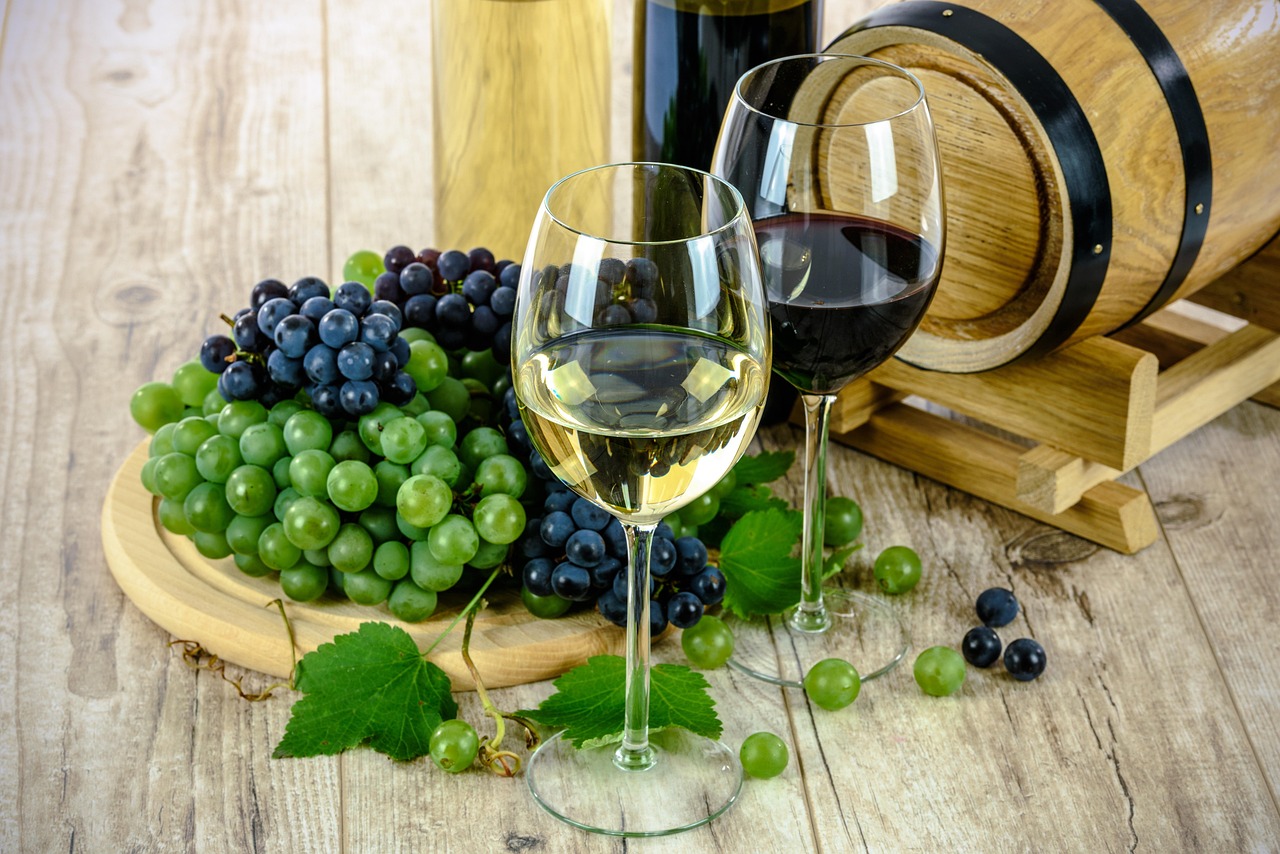
Utilizing large-bowled stemware is essential when serving Brunello di Montalcino due to the wine’s complex aromatic profile and full-bodied nature. A generous bowl provides the necessary interior volume for swirling, which helps release volatile compounds like dried cherry, leather, and earthy undertones directly toward the rim of the glass.
The expansive surface area inside a proper Bordeaux-style or large Burgundy-style glass also permits oxygen to interact continuously with the liquid during the meal. This ongoing aeration process allows the wine to evolve constantly in the glass, revealing hidden nuances that might otherwise remain compressed in smaller, restricted vessel designs.
Rim Shape and Aromatics
The rim diameter of the glass plays a critical role in directing the flow of wine onto the palate and concentrating aromas toward the nose. A slightly tapered rim can help concentrate escaping volatile aromatics toward the nose, which may assist in assessing the interplay of fruit, spice, and tertiary notes.
A tapered opening can help concentrate aromas toward the nose, though how any individual perceives acidity and tannin depends on many factors beyond glass geometry alone.
Material and Stemware Care
The choice of glass material influences both the tactile experience of holding the stemware and the visual appreciation of the wine’s clarity. Thin, clear glassware is widely favoured because it minimises visual distortion and allows the ruby-garnet hue of aged Sangiovese to be observed without coloured tint interference.
Proper cleaning and maintenance of your wine glasses are equally important for preserving the integrity of each pour. Always wash stemware using hot water without harsh scented detergents, and polish the bowls with a lint-free microfiber cloth to ensure no residual soap films alter the delicate aromatic expression of the wine.
Choosing the right glass shape is just as crucial as understanding the nuances of serving pinot noir wine during dinner.
Culinary Pairing and Sequence
Matching Weight and Tannin
Brunello di Montalcino demands robust culinary accompaniments that can match its formidable weight, high acidity, and substantial tannins. The structural power of this wine requires rich, savory dishes containing sufficient protein and fat to coat the palate, which naturally softens the perception of astringency during the dining experience.
Very delicate, lightly prepared dishes can be overwhelmed by the wine’s tannins, and richer preparations are generally a more reliable match. Focus on hearty preparations featuring game meats, aged cheeses, or rich mushroom-based dishes that harmonize with the wine’s earthy character.
Classic Regional Combinations
Traditional Tuscan gastronomy offers some of the most reliable pairing options for this prestigious regional red wine. Classic preparations like bistecca alla fiorentina, slow-braised wild boar, and rich ragù sauces served over handmade pasta provide the ideal fat and protein content to complement the intense structure of the Sangiovese grapes.
Earthy ingredients such as truffles, porcini mushrooms, and rosemary also echo the savory tertiary and secondary notes that develop through the grape’s character, terroir, and extended aging. Incorporating these regional flavors into your meal creates a cohesive dining experience that highlights both the culinary heritage and the vinous excellence of Montalcino.
Service Order in a Meal
Positioning Brunello di Montalcino correctly within a multi-course meal ensures that its powerful profile does not overwhelm lighter wines served earlier in the evening. As a full-bodied red wine with significant structural presence, it is generally best served after crisp white wines, sparkling selections, and lighter-bodied reds, so that its weight does not overshadow what precedes it.
When featuring multiple reds, save this formidable Tuscan bottling for the main course or robust cheese service rather than opening it as an aperitif. Serving it at the appropriate stage of the meal allows guests to fully appreciate its complexity without palate fatigue from preceding lighter beverage selections.
Before planning your menu, it is helpful to review how to serve malbec wine to match robust dishes.
Frequently Asked Questions
How long should an older bottle breathe before pouring?
Older bottles of Brunello di Montalcino, particularly those exceeding fifteen or twenty years of age, require minimal breathing time compared to youthful releases. Opening these mature bottles a short time before service—often around thirty minutes, though this varies with the wine’s condition—is usually sufficient to let any trapped cellar odors dissipate, while limiting exposure to oxygen.
Because fragile aged wines can fade quickly when exposed to oxygen, avoid using traditional decanters for very old vintages. Instead, stand the bottle upright several hours before opening to settle sediment, and simply pour the wine directly from the bottle into large-bowled glasses to monitor its evolution gradually.
Can I store leftover Brunello di Montalcino successfully?
Storing unfinished Brunello di Montalcino requires careful intervention to prevent premature oxidation and spoilage over time. Re-sealing the bottle and refrigerating it can slow oxidation; vacuum pump stoppers are a common option, though their effectiveness varies. Consuming the remainder within one to two days is a reasonable guideline, with older vintages fading faster once opened.
Before serving chilled leftover wine on a subsequent day, remember to remove the bottle from refrigeration well in advance so it can return to the proper sixty-degree serving temperature. Older vintages tend to degrade faster once opened and are best consumed sooner rather than later; the one-to-two-day guideline above should be treated as an upper limit, with older wines often fading more quickly.
Is a specific type of corkscrew required for aged bottles?
Aged bottles of Brunello di Montalcino often feature older, more fragile corks that require specialized extraction tools to avoid crumbling into the wine. A standard two-step waiter’s friend corkscrew works well, provided the worm is long and coated to glide smoothly into the cork without tearing the fragile material apart.
For exceptionally mature bottles with heavily degraded corks, using an Ah-So (two-prong) opener is worth considering. This device slides two thin metal prongs down either side of the cork, gripping it so it can be twisted and pulled free with less risk of crumbling fragile material into the wine.