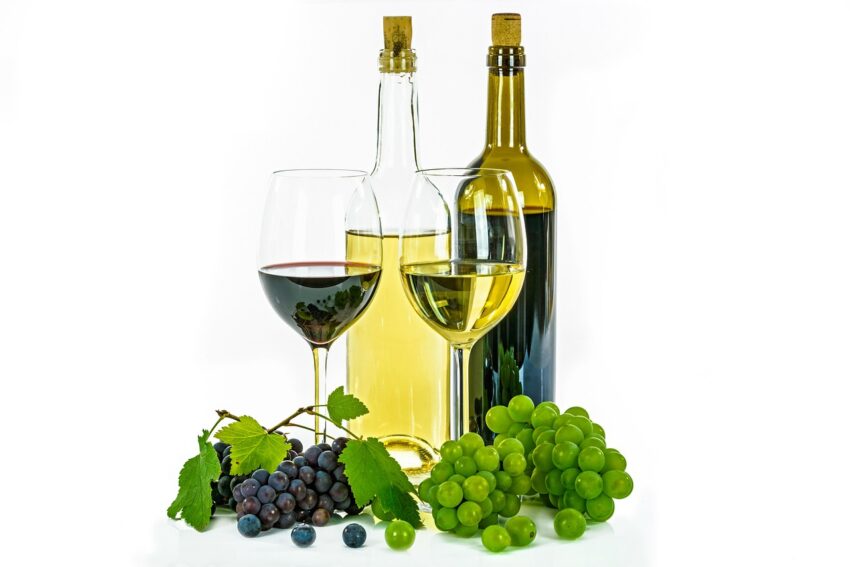
Serving Malbec wine effectively involves understanding its robust profile, dark fruit characteristics, and moderate tannin structure. To present this popular red grape at its best, pay careful attention to serving temperature, glassware choice, and aeration timing. Whether pouring a bottle from Argentina or a traditional expression from southwestern France, proper preparation enhances the tasting experience considerably.
The ideal approach balances temperature management with appropriate vessel selection. Because Malbec typically features high alcohol and rich extraction, serving it slightly cooler than room temperature prevents alcohol from dominating the nose. Utilizing a wide-bowled glass further allows concentrated blackberry and plum aromas to express themselves fully upon pouring.
Additionally, assessing whether the wine requires decanting helps soften structural elements before service. Younger bottlings often benefit from broad exposure to oxygen, whereas older vintage examples demand careful handling to preserve delicate secondary characteristics. Adhering to these foundational protocols ensures every bottle is served with precision.
Temperature and Cooling Protocols
Ideal Serving Range
Malbec is best served slightly below typical modern room temperature, generally between sixty and sixty-five degrees Fahrenheit. At this range, the fruit profile remains vibrant while the structural components harmonize neatly in the glass.
When red wine sits in an overly warm room, alcohol volatility increases sharply, which can mask subtle floral and earthy notes. Maintaining this cooler thermal window allows the complex aromatic layers to emerge without distraction.
Cooling Methods for Warm Rooms
If a bottle has been stored in a warm environment, placing it in a refrigerator for twenty to thirty minutes before service can correct the temperature quickly. Alternatively, a rapid ice-water bath for ten minutes offers an efficient chilling alternative.
Monitoring the bottle with a digital thermometer or simply feeling the glass provides a practical gauge of progress. Avoid over-cooling, as dropping the temperature too low suppresses the aromatic expression and mutes the fruit.
Managing Over-Chilling Risks
Serving Malbec too cold accentuates perceived tannins and makes the body feel lean or austere. If a bottle becomes excessively chilled, simply let it rest on the table for fifteen minutes to warm up naturally.
Allowing gradual warming prevents thermal shock and restores the plush mouthfeel characteristic of the variety. Patience ensures the wine reaches its optimal thermal equilibrium before the first pour begins.
For related wine guidance, see how to serve syrah wine.
Glassware Selection and Geometry
Bowl Shape and Aromas
Selecting a large, wide-bowled red wine glass provides the necessary surface area for Malbec to interact with oxygen. This expansive geometry directs aromatic compounds toward the rim, highlighting dark fruit and spice notes.
A generous bowl also accommodates the swirling motion, which helps release complex volatile compounds trapped in the liquid. Standard small glasses restrict this movement and concentrate alcohol vapors unpleasantly.
Rim Size and Palate Delivery
A tapered rim directs the flow of wine smoothly across the palate, allowing the drinker to perceive acidity, fruit, and tannins in balance rather than feeling an abrupt rush of alcohol. This design feature controls the pace of delivery while concentrating volatile aromatics right at the glass opening.
When the rim is properly proportioned, the rich texture and velvety weight coat the mouth smoothly. Evaluating rim width ensures that bolder structural elements integrate cohesively during each sip.
Stemware Material and Maintenance
Using clear, thin crystal glassware rather than thick commercial glass improves both visual appreciation and tactile comfort. Thin rims disappear against the lip, allowing an uninterrupted sensory connection to the wine.
Proper cleaning without perfumed detergents ensures no residual soap aromas interfere with the delicate bouquet. Storing stemware upright or hanging safely protects the rims from chipping between uses.
For related wine guidance, see how to serve white wine.
Decanting and Aeration Practices
Determining Youthful Tannin Needs
Younger Malbec wines often display firm, grippy tannins that benefit significantly from aeration before service. Exposing these structured liquids to oxygen softens the initial bite and rounds out the mouthfeel.
Evaluating the vintage date and region helps determine whether a bottle needs vigorous decanting. Bolder, high-altitude expressions often require more breathing time than lighter, fruit-forward alternatives.
Timing the Decanting Process
Pouring a bottle into a decanter thirty to sixty minutes before serving provides adequate time for oxygen integration. For exceptionally tight or structured examples, extending this window up to two hours may prove beneficial.
Tasting a small sample immediately upon opening and again after thirty minutes offers a reliable gauge of the wine’s evolution. This practical check prevents over-aeration, which can sometimes diminish fresh fruit characteristics.
Handling Older Aged Bottles
Aged Malbec requires a much gentler approach, as extended bottle maturation makes the liquid fragile and sensitive to oxygen. Instead of aggressive decanting, standing the bottle upright beforehand allows sediment to settle naturally.
Pouring slowly into a clean vessel while using a light source beneath the neck helps intercept residual sediment before it reaches the glass. This careful separation preserves clarity and delicate secondary flavors.
For related wine guidance, see how to serve merlot wine.
Food Pairing and Culinary Contexts
Matching Lean and Fat Proteins
Malbec pairs exceptionally well with rich, savory proteins like grilled beef, lamb, and duck breast. The natural fat content in these meats softens the perception of tannins, creating a balanced and harmonious pairing.
Leaner cuts may require sauces or reductions containing butter or oil to prevent the wine from feeling overly drying on the palate. Matching protein weight to wine body remains a fundamental principle of successful pairing.
Navigating Spice and Sauce Levels
When serving Malbec with spiced dishes, avoid excessive heat, which can clash with alcohol and accentuate bitterness. Instead, focus on earthy spices like black pepper, rosemary, and cumin that complement the grape’s profile.
Tomato-based or mushroom-infused sauces bridge the gap between food and wine by echoing earthy undertones. Ensuring sauce sweetness remains moderate prevents the wine from tasting thin or metallic.
Cheese and Charcuterie Complements
Hard, aged cheeses such as aged Cheddar, Manchego, or Gouda stand up effectively to the robust structure of Malbec. The salt and fat in these cheeses temper the wine’s acidity and tannins pleasantly.
Cured meats like bresaola or traditional dry sausages offer complementary savory notes that elevate the tasting experience. Avoid very soft, high-acid goat cheeses, which can clash with the wine’s bold profile.
Frequently Asked Questions
How long does an open bottle of Malbec last?
An open bottle of Malbec typically remains fresh for two to three days when stored correctly in a cool, dark place. Inserting a vacuum stopper or replacing the original cork tightly slows down oxidation processes significantly.
Storing the resealed bottle inside a refrigerator overnight further preserves the fruit integrity until the next serving session. Bringing it back up to proper serving temperature before drinking ensures consistent quality.
Should Malbec ever be served chilled?
While Malbec should not be served ice-cold like white wine, a slight chill improves balance during warm weather. Lowering the temperature to sixty degrees Fahrenheit helps manage perceived alcohol levels effectively.
Avoid freezing or storing the wine in standard refrigeration long-term without temperature controls, as extreme cold harms quality. A brief twenty-minute refrigerator stint prior to serving is usually sufficient.
Is a standard red wine glass sufficient for Malbec?
A standard red wine glass works adequately in casual settings, though a large Bordeaux-style or Burgundy-style bowl offers distinct advantages. These larger vessels provide superior surface area for oxygen interaction and aroma collection.
If specialized stemware is unavailable, allowing the wine additional time in a decanter can compensate for restricted glass geometry. Prioritizing cleanliness and proper temperature remains more critical than owning expensive glassware.
Do high-altitude Malbecs require different serving considerations?
High-altitude Malbec expressions often present higher natural acidity and slightly tighter structural profiles compared to valley-floor counterparts. Because of these distinct viticultural traits, serving them at the lower end of the recommended temperature range, around sixty degrees Fahrenheit, helps maintain a crisp, refreshing profile. Cooler temperatures highlight the vibrant floral and red-fruit characteristics typical of elevated vineyards.
Additionally, these structured wines frequently benefit from extended aeration compared to softer, valley-floor bottlings. Their firmer tannin profile and concentrated structural density require ample contact with air to soften and reveal complex floral layers. Assessing the specific vintage profile helps determine whether an hour or more in a decanter will best open the wine before pouring.
Can stemless wine glasses be used effectively when serving Malbec?
Stemless glasses function adequately for casual gatherings, but they introduce specific challenges when serving bold reds like Malbec. Holding a stemless vessel transfers body heat directly into the liquid, which can warm the wine past its ideal serving temperature within minutes. This unintended warming increases alcohol volatility and can throw the balance of the wine off during a meal.
Furthermore, the absence of a stem encourages frequent handling near the bowl, leaving smudges that obscure the deep ruby color. If stemless glassware is the only option available, pouring smaller amounts more frequently helps manage the temperature rise, keeping the wine closer to its optimal thermal range throughout the meal.
Can a wine aerator replace a traditional decanter for Malbec service?
Pouring Malbec through a handheld wine aerator offers a rapid method to introduce oxygen, making it a convenient alternative when time is limited. This tool forces air into the liquid as it passes through, instantly softening aggressive tannins in younger, robust bottlings. It provides a practical shortcut for casual dinners where traditional decanting windows are impractical.
However, aerators cannot entirely replace a decanter for complex or aged selections. Standard decanters provide controlled, gradual oxidation that allows nuanced secondary aromas to develop gracefully. Handheld aerators deliver a high volume of oxygen instantly, which suits youthful wines well but can sometimes overwhelm more delicate or fragile structural profiles.
How should leftover Malbec be handled for post-service culinary use?
When a portion of Malbec remains unconsumed after service, transferring the liquid into a smaller airtight container minimizes the exposed surface area and slows oxidation. Glass jars or smaller bottles filled to the brim work exceptionally well to reduce oxygen contact before placing the vessel back into the refrigerator. This method preserves basic structural integrity for short periods.
If the wine remains unserved past its ideal drinking window, it can still be utilized effectively in kitchen applications such as pan reductions, braises, or marinades. The concentrated dark fruit notes and moderate acidity provide a rich foundation for savory sauces accompanying beef or mushroom dishes, ensuring no part of the bottle goes to waste.