Blind wine tasting sheets provide a structured framework for evaluating wine without the bias of labels, price points, or producer reputation. By focusing purely on sensory inputs, participants can systematically record appearance, aroma, structure, and quality markers to better understand wine styles and grape characteristics.
Utilizing standardized documentation helps transform subjective impressions into consistent analytical data. Whether used in casual peer study groups or formal educational settings, these tasting grids train the palate to recognize regional typicity, structural balances, and developmental stages across diverse global wine offerings.
Structure and Design of Blind Tasting Sheets
The Grid Format and Analytical Progression
Standard blind tasting sheets typically follow a logical sensory progression mirroring the tasting process itself. They begin with visual assessment, move through olfactory evaluation, and conclude with palate analysis and final deduction. This linear flow prevents evaluators from skipping critical steps or letting a strong initial impression bias subsequent observations.
Organizing the form into distinct thematic blocks allows participants to quickly jot down observations without breaking concentration. Checkboxes, sliding scales, and short-answer lines balance speed with depth, ensuring that even rapid assessments capture essential structural data like acidity, tannin, and alcohol levels.
Standardizing Terminology for Consistency
Effective evaluation forms incorporate standardized tasting terminology to minimize ambiguity among participants. Instead of vague descriptors, sheets often feature prompts for specific fruit categories, earth notes, and structural terms. This shared vocabulary makes it easier to compare notes across a group after revealing the bottles.
Establishing a common lexicon also helps newer tasters build confidence by providing concrete options for what they smell and taste. Over time, recurring exposure to these precise terms refines sensory memory, turning generalized impressions into sharper, more accurate identifications of grape varieties and winemaking methods.
Customizing Forms for Specific Varietal Flights
While universal tasting sheets work well for general assessments, customized forms can enhance focused educational flights. For instance, a sheet designed exclusively for full-bodied red wines might feature expanded sections for tannin texture and oak integration, while a white wine sheet emphasizes acidity and mineral notes.
Tailoring the documentation template to the specific stylistic scope of the tasting keeps participants focused on relevant variables. This flexibility ensures that the recorded data remains meaningful whether the flight explores crisp coastal whites, mature Bordeaux blends, or fortified styles.
When organizing your thoughts on paper, comparing them against detailed blind wine tasting notes can reveal surprising insights.
Evaluating Appearance and Clarity on the Sheet
Recording Hue, Intensity, and Depth
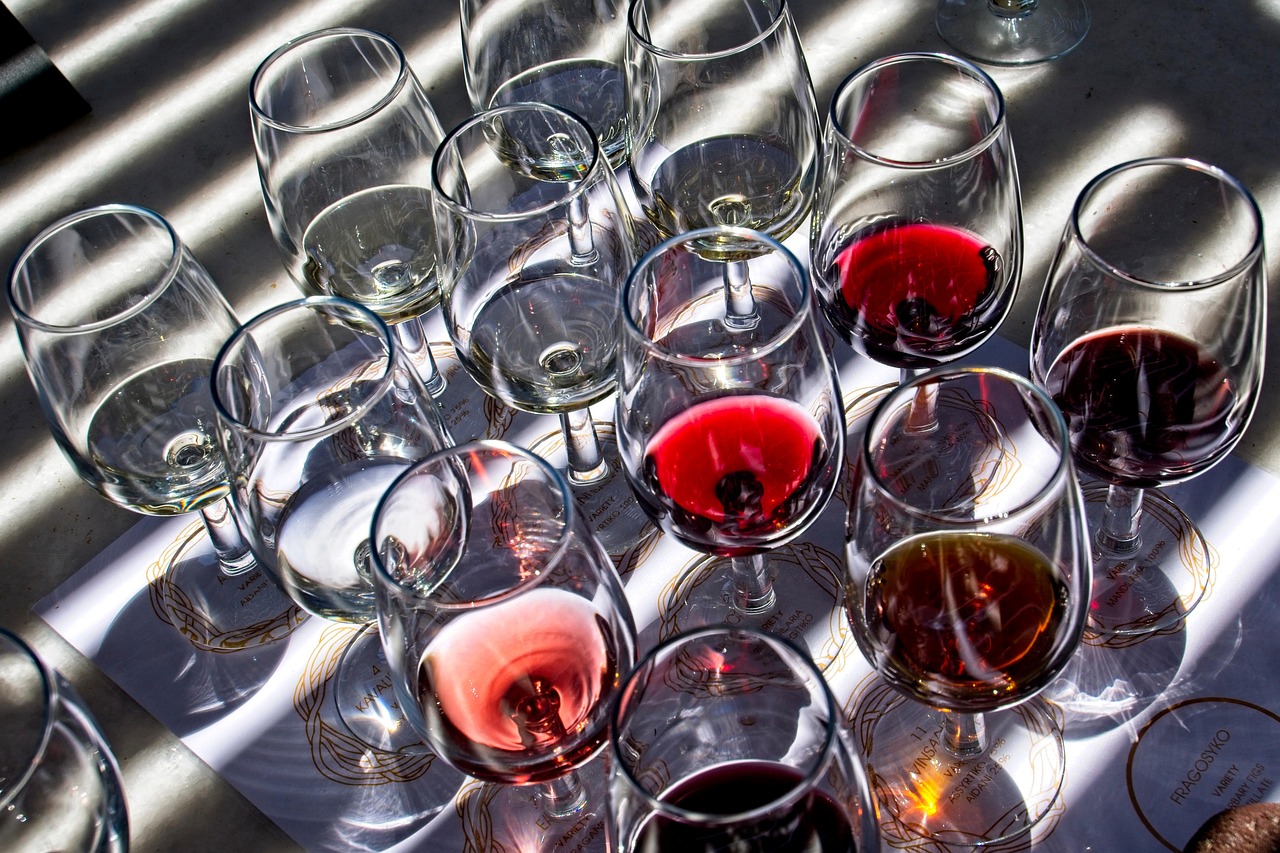
The visual section of a tasting sheet begins with noting color intensity and primary hue. Evaluators look at the wine against a neutral white background, tilting the glass to observe the core and the rim. Documenting these visual markers provides early clues regarding grape variety, age, and potential oxidation.
For white wines, descriptors range from water-white and pale lemon to deep gold and amber. Red wines span from pale ruby and garnet to deep purple and tawny. Recording these exact shades on the sheet helps correlate color evolution with bottle age and maturation environment during subsequent discussion.
Assessing Clarity, Viscosity, and Effervescence
Beyond color, the visual grid captures physical clarity and structural indicators such as viscosity. Evaluators note whether a wine is brilliantly clear or displays haziness, which might indicate minimal filtration or faults. Tears or legs clinging to the glass are also observed to gauge alcohol and residual sugar levels.
For sparkling styles or unexpected petillance in still wines, recording bubble size, persistence, and effervescence is essential. Capturing these physical traits on the sheet ensures that no preliminary sensory detail is overlooked before the glass is swirled and brought to the nose.
Connecting Visual Cues to Winemaking Choices
Visual observations recorded on the sheet often point directly to specific viticultural and winemaking techniques. For example, a deep golden hue in a white wine frequently signals barrel fermentation or extended skin contact, while a tawny rim on a young red can indicate specific blending or oxidation management styles.
Linking these visual markers to production methods deepens the educational value of the tasting exercise. Participants learn to look past mere aesthetics and treat the visual inspection as a reliable diagnostic tool for understanding how a wine was crafted before it ever touched the palate.
Capturing Aromas and Olfactory Characteristics
Primary, Secondary, and Tertiary Aromas
The olfactory evaluation section is typically the most detailed part of a blind tasting sheet. Evaluators categorize aromas into primary fruit and floral notes originating from the grape, secondary aromas derived from fermentation and yeast interaction, and tertiary notes resulting from aging in bottle or oak.
Separating these categories on the form encourages participants to look deeper than simple fruit descriptors. Recognizing subtle hints of baking spice, forest floor, or petrol adds precision to the evaluation and aids significantly in narrowing down potential grape varieties and regional origins during the blind phase.
Evaluating Aroma Intensity and Condition
Before diving into specific aromatic notes, tasting sheets prompt users to rate overall aroma intensity, ranging from delicate and muted to pronounced and expressive. This metric helps distinguish grape varieties with naturally high aromatic compounds, such as Sauvignon Blanc or Gewurztraminer, from more neutral varieties.
The sheet also includes a check for wine condition, ensuring tasters note any off-odors immediately. Identifying faults like volatile acidity, oxidation, or cork taint at the aromatic stage prevents flawed bottles from skewing the structural assessment and subsequent group discussions.
Swirling Techniques and Aroma Release
Effective aroma collection relies heavily on proper glassware handling and swirling technique, which should be practiced alongside sheet documentation. Swirling introduces oxygen, volatilizing aromatic compounds so they can be captured accurately in the notes.
Recording whether aromas evolve significantly over time in the glass is another valuable habit encouraged by comprehensive tasting sheets. Many complex wines reveal entirely new aromatic dimensions after breathing for ten or fifteen minutes, changing initial impressions dramatically.
Using standard descriptors often requires brushing up on basic wine tasting terminology for beginners to ensure accurate descriptions.
Documenting Palate Structure and Balance
Assessing Sweetness, Acidity, and Tannin
The palate section shifts focus to tactile sensations and structural components. Tasting sheets provide scales for sweetness, ranging from bone dry to luscious, which helps identify residual sugar levels. Acidity is evaluated for its mouth-watering crispness and liveliness on the sides of the tongue.
For red wines, tannin structure is a critical focal point on the evaluation sheet. Tasters assess tannin levels from low to high and evaluate their texture—noting whether they feel smooth and velvety or astringent, coarse, and drying, which provides strong clues about grape ripeness and extraction methods.
Measuring Alcohol, Body, and Flavor Intensity
Alcohol and overall body are recorded together to evaluate the weight and warmth of the wine on the palate. A light-bodied wine feels delicate, while a full-bodied wine provides a rich, substantial texture often influenced by elevated alcohol levels or extract.
Flavor intensity and length round out the structural assessment. Tasters note how long pleasant flavor impressions linger after swallowing or spitting, known as the finish. A long, persistent finish is frequently associated with higher quality wines and balanced structural integration.
Evaluating Structural Balance and Harmony
Balance is the ultimate criterion captured on a well-designed tasting sheet. It measures how harmoniously alcohol, acidity, tannin, and fruit concentration interact, ensuring that no single element dominates unpleasantly over the others.
When these structural pillars work in concert, the wine achieves equilibrium. Documenting balance on the sheet helps participants separate technically sound, harmonious wines from disjointed ones, regardless of personal flavor preferences or stylistic biases.
Evaluating high-acid styles becomes much simpler when you review helpful chablis wine tasting notes for structural cues.
Final Conclusions, Quality Assessment, and Deductions
Synthesizing Sensory Data for Identification
The conclusion section of the tasting sheet requires participants to synthesize all prior observations to make an educated guess regarding grape variety, region, and vintage. This deductive process relies entirely on matching the recorded structural profile and aromatic markers with known benchmarks.
Rather than guessing randomly, trained tasters use elimination based on their notes. For instance, high acidity combined with green apple and mineral notes quickly narrows options down to specific cool-climate white wine regions, guiding the final written deduction.
Evaluating Overall Quality and Readiness
Quality assessment on the sheet involves weighing complexity, balance, length, and concentration against objective standards. Tasters assign a final quality tier, such as acceptable, good, very good, or outstanding, based on these measurable attributes rather than personal liking.
Additionally, the form prompts users to evaluate the wine’s readiness for consumption. Tasters note whether the wine is too young and needs cellaring, is in its prime drinking window, or is declining due to age, providing practical insight for future bottle management.
Reviewing Notes and Refining Technique
The educational value of a blind tasting sheet peaks during the post-tasting review. Comparing written notes against revealed bottle details allows participants to identify strengths and blind spots in their sensory perception, accelerating their overall wine education.
Keeping an archive of completed tasting sheets builds a personal reference library. Reviewing past entries helps track palate development and reinforces theoretical knowledge about global wine styles, grape characteristics, and vintage variations over time.
Frequently Asked Questions
What is the primary purpose of using a blind wine tasting sheet?
The primary purpose of a blind wine tasting sheet is to eliminate external biases such as brand reputation, bottle design, and price points. By focusing strictly on sensory data—including appearance, aroma, and structural components—participants can make objective evaluations and develop a deeper, more accurate understanding of wine styles and characteristics without preconceived notions influencing their judgment.
How do structured tasting sheets help improve palate memory?
Structured tasting sheets improve palate memory by providing consistent prompts and standardized vocabulary for every evaluation. Regularly recording specific fruit notes, structural balances, and quality markers trains the brain to recognize patterns across different tastings. Over time, this consistent documentation builds a reliable mental database of global grape characteristics and stylistic distinctions.
Should beginner tasters use complex or simplified tasting grids?
Beginner tasters generally benefit from simplified tasting grids that focus on core elements like primary fruit aromas, basic structural levels, and general quality impressions. Overly complex sheets can overwhelm newcomers with too many technical prompts. As confidence and sensory awareness grow, users can transition to more detailed sheets that capture subtle nuances and regional markers.
Can blind tasting sheets help identify wine faults?
Yes, standard blind tasting sheets include dedicated sections for evaluating wine condition and identifying potential faults. By systematically checking for off-odors, excessive volatile acidity, or cork taint during the olfactory and visual assessments, tasters can flag flawed bottles immediately before those issues distort the structural evaluation and group discussion phases.
What is the best way to handle personal notes on a tasting sheet?
The best way to handle personal notes is to be as specific and descriptive as possible while using standardized terminology where appropriate. Instead of recording generic terms like good or bad, note exact flavor profiles, texture descriptors, and balance indicators. This detailed approach ensures that your notes remain useful when reviewing results after the bottles are revealed.
How do customized tasting sheets differ from universal ones?
Customized tasting sheets differ by tailoring their evaluation criteria to specific varietal flights or wine styles, such as expanding tannin categories for bold red wines or emphasizing mineral and acidity markers for cool-climate whites. While universal sheets work well for mixed flights, customized forms provide targeted prompts that enhance focus and educational depth during specialized tastings.