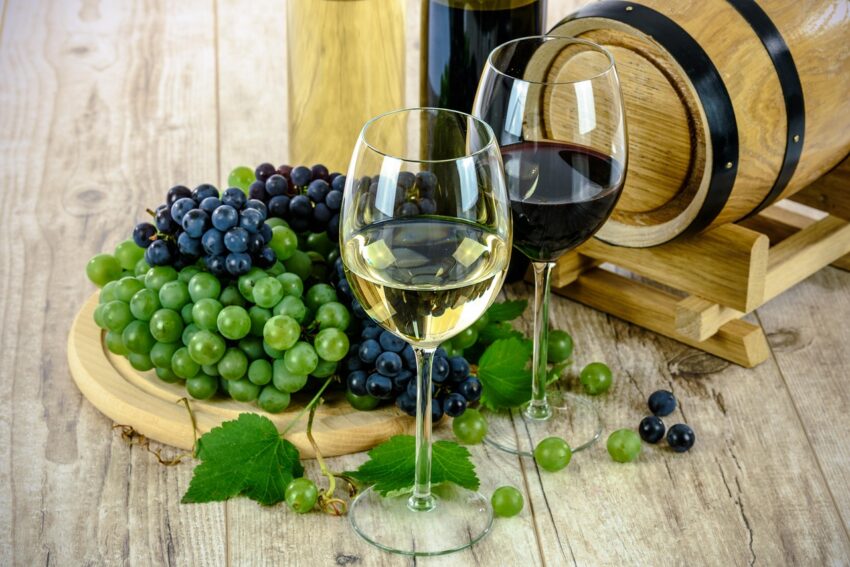
Understanding basic wine tasting terminology for beginners helps demystify the sensory evaluation process, allowing you to articulate what you perceive in the glass with confidence. Whether you are exploring crisp white selections or heavily structured reds, establishing a foundational vocabulary transforms casual sipping into an engaging, analytical experience. This educational guide outlines core concepts related to visual appearance, aroma profiles, palate structure, and basic production vocabulary. By learning these standardized terms, you can more accurately categorize wine styles, evaluate structural components, and communicate your sensory impressions clearly without relying on subjective guesswork or complex professional jargon.
Navigating the language of wine provides a reliable framework for future exploration. By breaking down each phase of evaluation—from initial sight and smell to palate texture and winemaking background—enthusiasts can develop consistent tasting habits. The following sections explore these distinct elements in detail, offering practical definitions and contextual insights designed to enhance your appreciation of diverse styles and regions.
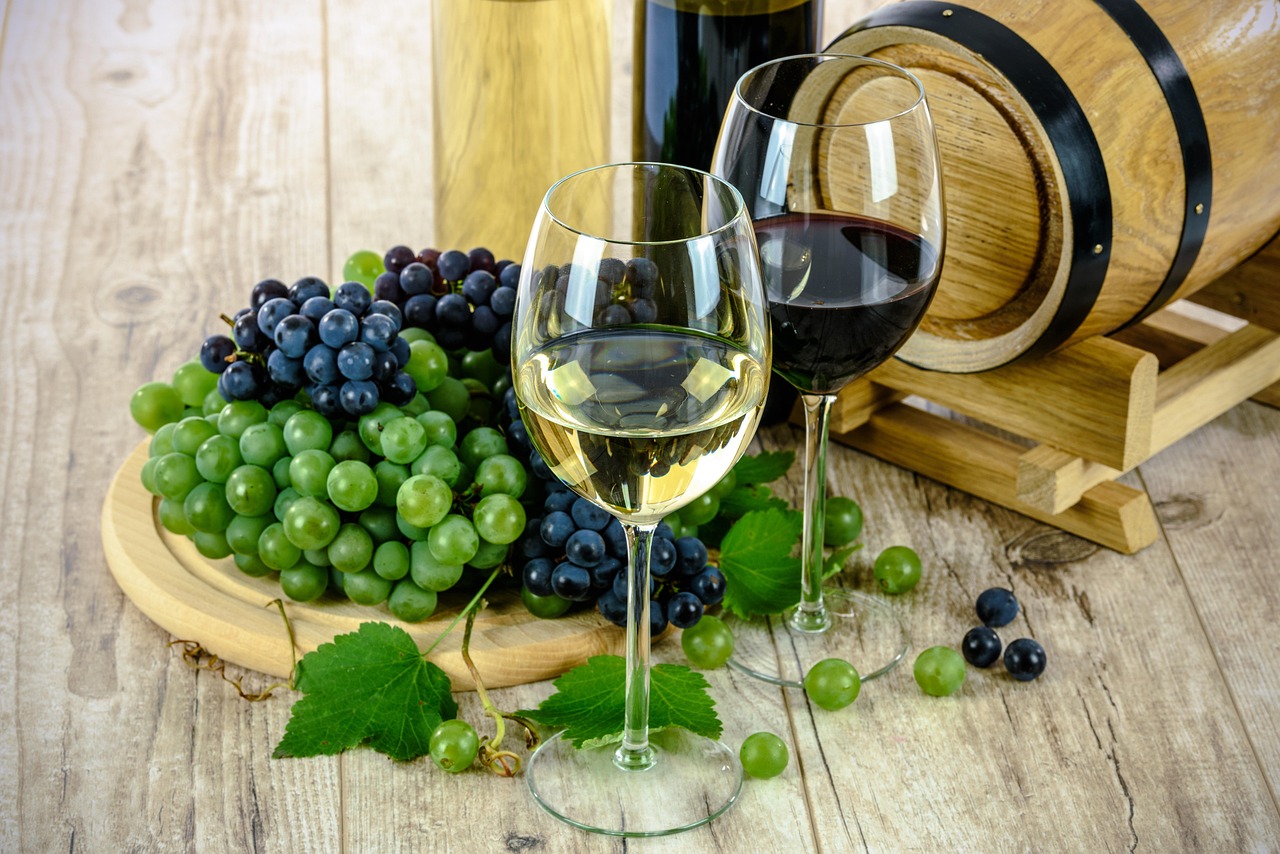
Foundations of Sensory Evaluation and Appearance
Observing Color Intensity and Hue
When evaluating a wine visually, beginners should tilt the glass at a forty-five-degree angle against a white surface to observe its depth and overall color saturation. Color intensity ranges from pale water-white to deep, opaque purple, often providing immediate clues regarding grape variety, extraction levels, or aging practices.
Hue provides essential clues about a wine’s age, maturity stage, and potential oxidation levels. White wines generally shift from pale green-yellow to deep gold and amber over time, while red wines evolve from vibrant purple to ruby, garnet, and eventually brownish-orange brick tones as they mature.
Assessing Clarity and Sediment
Clarity refers to how transparent or turbid a liquid appears when held up to the light. A brilliant, crystal-clear wine indicates proper filtration, protein stability, and absence of suspended solids, whereas cloudiness can signal yeast remnants or microbial spoilage depending on context.
Sediment consists of solid particles that naturally settle at the bottom of a bottle over time. While entirely common and harmless in aged red wines due to polymerized tannins and pigments, heavy sediment in younger commercial wines may indicate improper storage or filtration faults.
Evaluating Viscosity and Tears
Viscosity is observed by swirling the wine gently and watching the droplets form on the inside wall of the glass. Frequently referred to as legs or tears, these droplets slide down at varying speeds depending on the exact balance of alcohol, sugar, and glycerin.
Thicker, slower-moving legs typically suggest a higher alcohol by volume level or residual sugar content, whereas fast-running, watery legs often indicate lighter, lower-alcohol styles. This visual cue helps set accurate expectations for body and weight on the palate.
Practicing your skills during structured sessions helps you apply blind wine tasting notes effectively during exams.
Aroma, Bouquet, and Olfactory Perception
Distinguishing Aromas from Bouquet
In professional tasting terminology, aromas originate directly from the grape variety itself and primary alcoholic fermentation processes. These include distinct fruit, floral, and herbal characteristics that define youthfulness and varietal identity in both white and red wines.
Bouquet, by contrast, develops strictly during aging, whether in oak barrels or inside the sealed bottle. These secondary and tertiary notes incorporate complex nuances such as toast, vanilla, leather, earth, and forest floor resulting from slow chemical maturation.
Identifying Primary, Secondary, and Tertiary Notes
Primary notes stem strictly from the grape variety and direct fermentation pathways. Classic examples include green apple notes in cool-climate Sauvignon Blanc or dark blackberry fruit in Cabernet Sauvignon, providing the foundational fruit character recognized by everyday enthusiasts.
Secondary notes arise from deliberate winemaking techniques, including yeast interaction during lees aging or oak barrel maturation. Tertiary notes emerge from prolonged bottle aging, reflecting slow oxidation and complex chemical breakdown over many years of storage.
Recognizing Common Flaws and Off-Odors
Understanding basic tasting terms also requires identifying common wine faults to avoid confusion during sensory evaluation. Cork taint, caused by chemical compounds like trichloroanisole, produces a distinct damp cardboard or moldy basement smell that masks the fruit profile entirely.
Other notable flaws include volatile acidity, which smells sharply like nail polish remover, and oxidation, characterized by bruised apple or sherry-like aromas in dry table wines where fresh, vibrant fruit character should normally dominate.
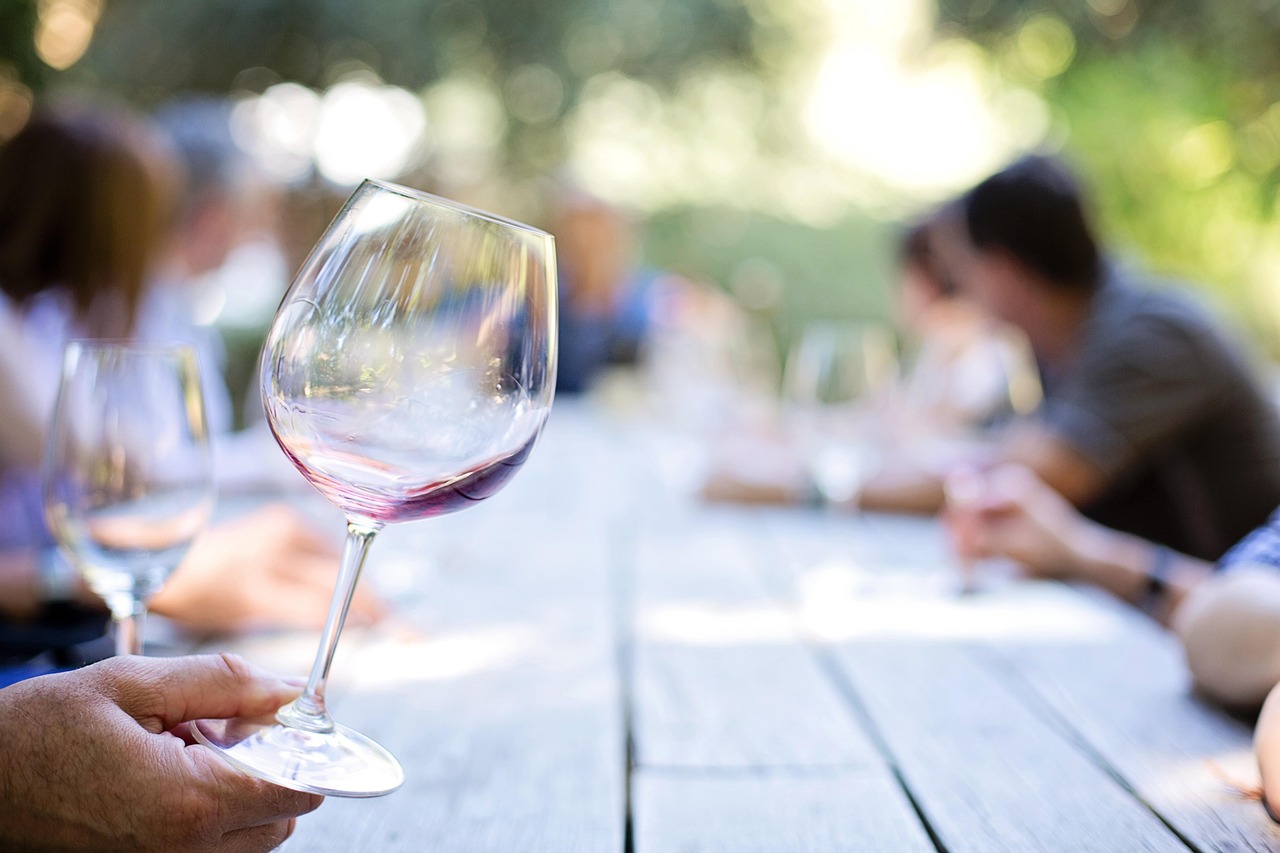
Palate Structure: Acidity, Tannin, and Alcohol
Measuring Perceived Acidity
Acidity provides structural freshness, mouth-watering tartness, and overall liveliness on the palate. It is physically perceived as a distinct watering sensation along the sides of the tongue, preventing rich wines from feeling heavy, flabby, or cloying during consumption.
Wines with low acidity can taste flat or soft, while those with high acidity feel crisp, sharp, or bracing. Understanding acidity helps beginners evaluate balance, especially when pairing acidic table wines with rich, fatty foods that require structural contrast.
Understanding Tannin and Astringency
Tannins are natural polyphenols found abundantly in grape skins, seeds, and stems, as well as imparted by oak barrels. They are structural elements most prominently associated with red wines and impart a drying, puckering sensation along the gums and teeth.
High tannin levels create an assertive, grippy texture that softens over time as tannin molecules polymerize. Low-tannin reds feel smooth and velvety, making them immediately approachable for beginners who prefer softer textures without excessive drying sensations.
Evaluating Alcohol and Body
Alcohol contributes significantly to the overall weight, warmth, and structural body of a wine. It is physically sensed as a gentle warming sensation in the back of the throat and helps carry volatile aromatic compounds across the nasal passages.
Body is categorized across a spectrum as light, medium, or full, reflecting how heavy the liquid feels in the mouth. Higher alcohol levels generally correlate with fuller bodies, while lower alcohol levels produce lighter, more refreshing profiles.
You can observe how high alcohol alters structure by reviewing specific port wine tasting notes.
Grape Varieties, Climate, and Regional Expression
Cool Climate versus Warm Climate Styles
Climate significantly influences grape ripening patterns and overall chemical composition. Cool-climate regions produce grapes with higher acidity and lower sugar levels, resulting in lighter-bodied, more restrained wines featuring vibrant, tart fruit profiles.
Warm-climate regions yield grapes with higher sugar levels and lower acidity, leading to fuller-bodied wines with higher potential alcohol, riper fruit expressions, and softer structural components across both white and red wine categories.
Defining Varietal Character
Varietal character refers to the distinct, recognizable flavor and aroma traits imparted by a specific grape variety. For instance, Riesling typically exhibits high acidity and signature citrus notes, regardless of where it is grown globally.
Recognizing these intrinsic qualities helps beginners distinguish between grape varieties rather than focusing solely on brand names or regional designations, establishing a reliable baseline for blind tasting and comparative analytical exercises.
Understanding Terroir and Typicity
Terroir encompasses the complex environmental factors—including soil composition, topography, climate, and human agricultural intervention—that give a wine its unique sense of place. It explains why the same grape tastes distinct when grown in different zones.
Typicity measures how well a wine exemplifies the traditional characteristics of its specific grape variety and regional origin, serving as a standard metric for quality assessment, stylistic consistency, and geographical authenticity.
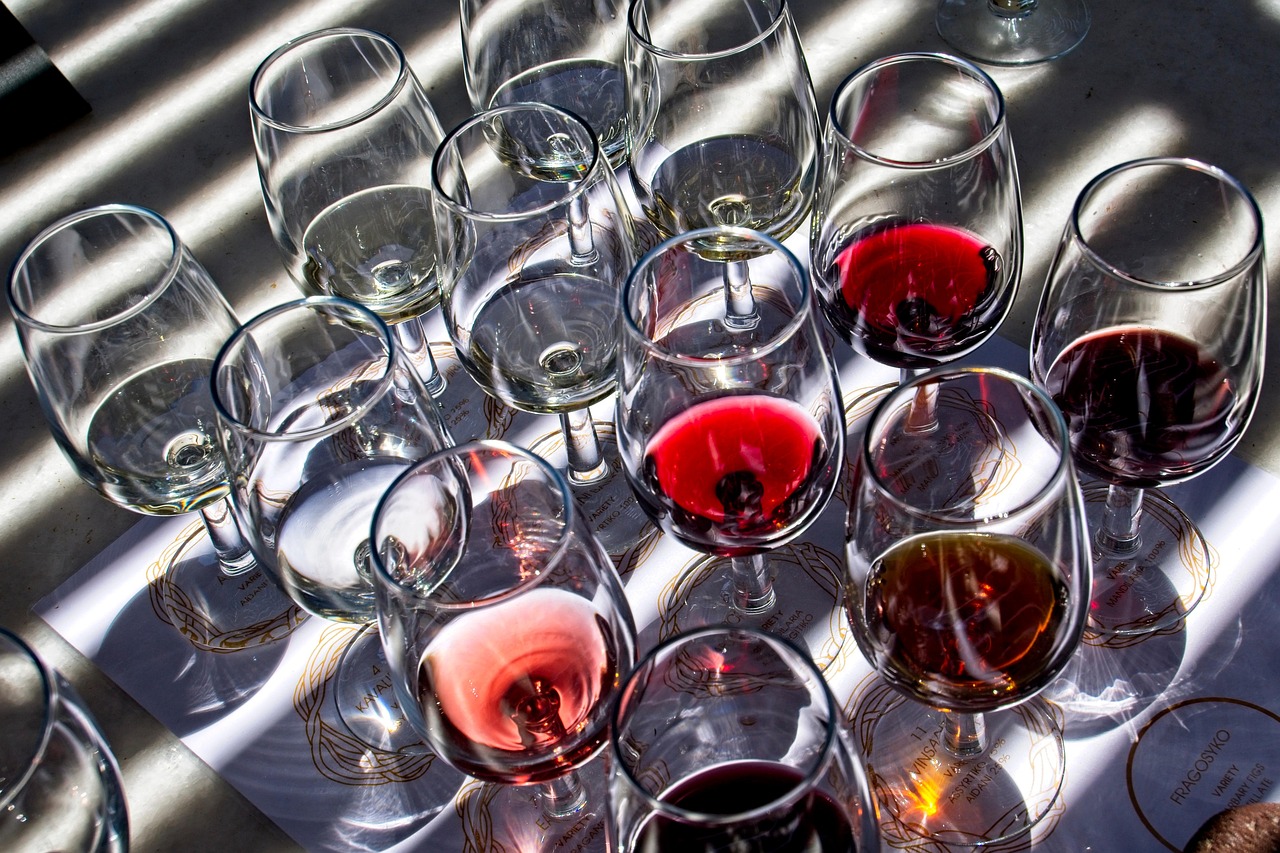
Exploring regional profiles such as detailed chablis wine tasting notes illuminates how cool climates shape acidity.
Winemaking Vocabulary and Basic Terminology
Fermentation and Yeast Mechanics
Fermentation is the biochemical process where microscopic yeasts convert natural grape sugars into alcohol and carbon dioxide. This critical transformation dictates whether a wine finishes completely dry, with no residual sugar, or off-dry, retaining sweetness.
Winemakers can carefully manage fermentation temperatures to preserve delicate floral aromas in white wines or extract deeper color and tannin levels in reds, directly impacting the final balance and stylistic profile of the bottled product.
Malolactic Fermentation and Texture
Malolactic fermentation is a secondary bacterial process that converts sharp malic acid into softer lactic acid. This microbial conversion reduces overall acidity and imparts a creamy, buttery texture, commonly found in many oaked Chardonnay styles.
While often utilized for full-bodied white wines, winemakers frequently block malolactic fermentation in aromatic whites like Riesling or Sauvignon Blanc to preserve their crisp, refreshing, and zesty natural acidity without softening the profile.
Blending, Filtration, and Fining
Blending involves combining different grape varieties, vineyard parcels, or vintage years to achieve a balanced, consistent flavor profile. This traditional technique allows producers to optimize acidity, tannin structure, and overall aromatic complexity.
Filtration and fining are clarifying steps used to remove suspended particles and unstable proteins prior to bottling. Fining agents, such as specialized clay or plant proteins, bind to microscopic impurities, ensuring long-term visual clarity.
Frequently Asked Questions about Wine Tasting Terminology
What is the difference between aroma and bouquet in wine tasting?
Aromas refer to the primary scents originating directly from the grape variety and primary fermentation processes, such as fresh fruit or floral notes. Bouquet describes the complex secondary and tertiary scents that develop from aging in barrels or bottles, including earth, spice, and leather nuances.
How do you properly evaluate wine acidity?
Acidity is evaluated on the palate by paying attention to the physical sensation of salivation along the sides of your tongue. High-acidity wines stimulate vigorous saliva flow and feel crisp and tart, whereas low-acidity wines feel soft, round, or occasionally flat and heavy.
What causes legs or tears inside a wine glass?
Legs or tears are formed by surface tension and evaporation differences known as the Marangoni effect. When alcohol and water evaporate from the thin film of wine on the glass wall, droplets form and slide down, with slower legs typically indicating higher alcohol or sugar content.
What does the term dry mean in wine terminology?
In wine terminology, dry means that the wine contains little to no residual sugar remaining after fermentation is complete. All or nearly all of the natural grape sugars have been converted into alcohol by yeast, resulting in a savory flavor profile without sweet sensations.
How does tannin affect the tasting experience?
Tannins are natural compounds derived from grape skins, seeds, and oak barrels that create an astringent, drying sensation across your gums and teeth. They add structural backbone and complexity, particularly in red wines, and interact favorably with proteins and fats in food.
Why do climate differences change wine flavor?
Climate dictates how fast grapes accumulate sugar and lose acidity during ripening. Cool climates yield higher acidity and lower sugar for lighter, crisper styles, while warm climates produce lower acidity and higher sugar, leading to fuller bodies, higher alcohol, and riper fruit characteristics.