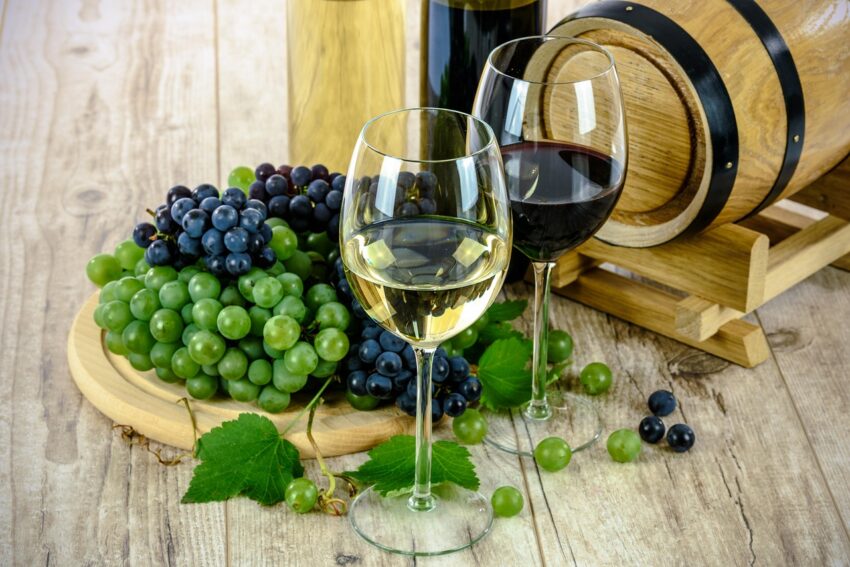
Barbera d’Alba tasting notes typically center around vibrant red cherry flavors, high natural acidity, and remarkably low tannins. This classic Piedmontese red wine offers an approachable yet structured profile that appeals to both casual wine enthusiasts and serious students of viticulture.
Understanding this specific wine requires examining how its regional climate, vineyard geography, and traditional winemaking techniques intersect. By evaluating its unique chemical structure, serving requirements, and culinary versatility, educational consumers can gain a comprehensive appreciation for this versatile Italian varietal.
Core Characteristics and Appearance of Barbera d’Alba
Visual Profile and Color Intensity
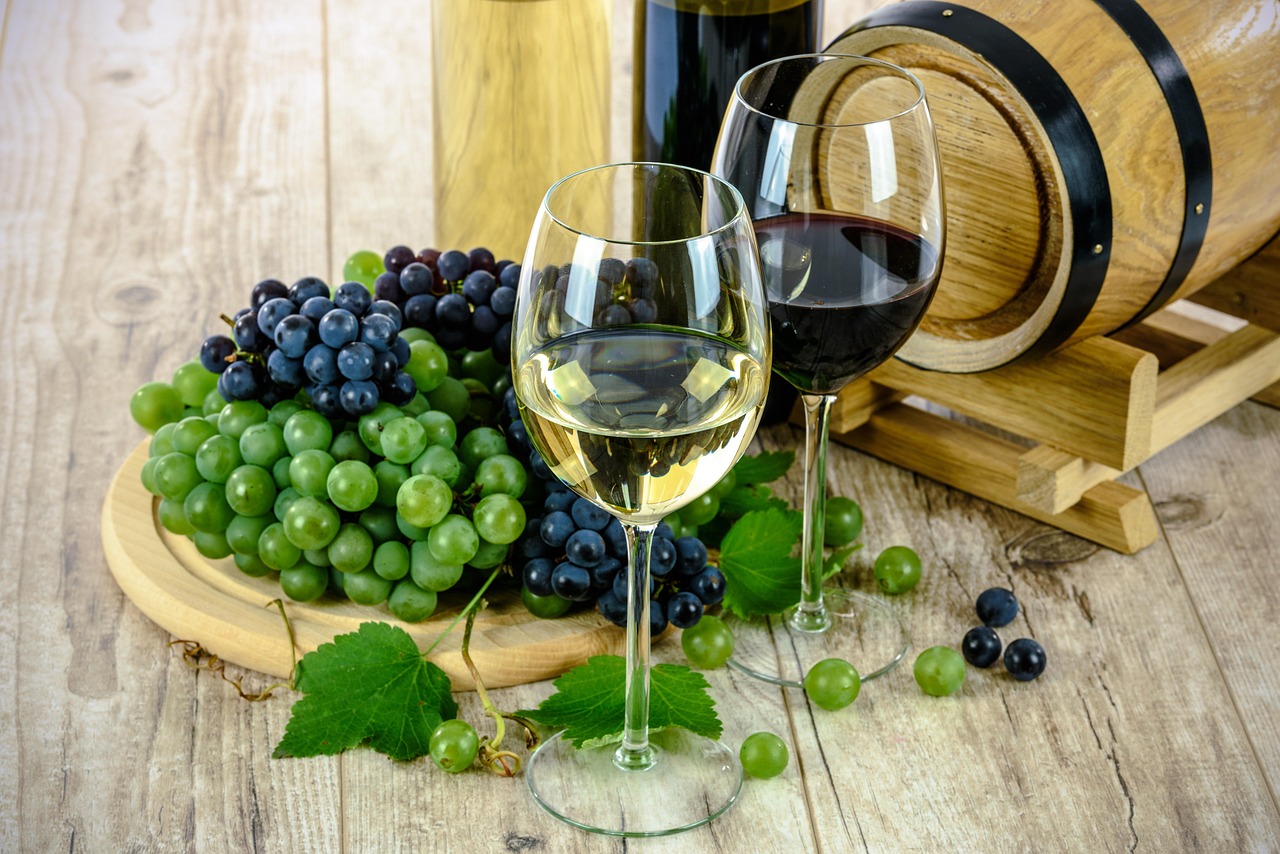
When examining Barbera d’Alba in a glass, observers immediately notice a deep, ruby-red coloration that often exhibits vibrant purple or violet hues at the rim in younger vintages. This striking visual density stems from the grape’s natural pigments located within the skins.
Unlike Nebbiolo, which tends to pale quickly toward a brick-orange edge, Barbera maintains its saturated ruby appearance even as it moves past its youth. The clarity and brilliance of the wine offer initial visual indicators of its inherent structural freshness and primary fruit focus.
Primary Aromas and Red Fruit Notes
The aromatic profile of Barbera d’Alba is defined by an abundance of fresh red and dark fruit characteristics. Notes of tart sour cherry, ripe red plum, and crushed wild raspberry dominate the initial olfactory impression, providing a bright and energetic aromatic entry.
Alongside these core red fruits, careful evaluation often reveals subtle undertones of fresh herbs, violet florals, and occasionally a hint of damp earth or crushed gravel. These aromatic compounds reflect both the grape variety’s inherent chemistry and the cooler hillside climates of the Piedmont region.
Secondary and Tertiary Development
As Barbera d’Alba ages, its aromatic profile evolves to incorporate more complex secondary and tertiary characteristics. While many bottles are produced for early consumption to preserve primary fruit, well-structured examples from reputable vineyards develop intriguing layers over time.
Secondary notes frequently include sweet baking spices, vanilla, or subtle cedar hints derived from oak maturation vessels. In more mature bottles, tertiary aromas may introduce nuances of dried forest floor, leather, and subtle balsamic touches, expanding the sensory experience significantly.
Palate Structure, Acidity, and Tannin Profile
High Natural Acidity Dynamics
The defining structural hallmark of Barbera d’Alba is its exceptionally high natural acidity. Even when grown in warm sun-drenched vineyard sites, the grape retains a vibrant malic and tartaric acid backbone that immediately stimulates the palate.
This pronounced acidity provides the wine with its characteristic mouth-watering freshness and structural energy. It prevents the fruit flavors from feeling heavy or flabby, ensuring that every sip remains crisp, clean, and refreshing from entry to finish.
Low Tannin and Soft Texture
In direct contrast to its high acidity, Barbera d’Alba possesses remarkably low levels of extractable grape tannins. The skins contain relatively few phenolic compounds that contribute astringency, resulting in a smooth, velvety texture on the mid-palate.
This low-tannin profile makes the wine immediately approachable upon release. Without the drying sensation associated with heavier tannic reds, drinkers experience a plush, supple mouthfeel that relies entirely on acidity and alcohol for structural balance.
Alcohol Levels and Body Weight
Modern winemaking techniques and warm growing seasons frequently yield Barbera d’Alba wines with moderate to elevated alcohol levels, frequently ranging between thirteen and fifteen percent by volume. This higher alcohol contributes a sense of warmth and perceived weight.
Despite this moderate-to-full body weight, the intense acidity prevents the alcohol from dominating the sensory profile. The wine achieves a harmonious equilibrium where rich fruit weight, warming alcohol, and crisp acidity coexist in balanced tension.
When exploring Italian reds, you might also find similar structural qualities outlined in these montepulciano wine tasting notes.
Viticulture, Origin, and Regional Terroir Context
Piedmont Geography and Climate
Barbera d’Alba originates from the picturesque hills surrounding the historic town of Alba within Italy’s northwestern Piedmont region. This continental climate experiences cold winters, warm summers, and significant diurnal temperature shifts during the crucial ripening months.
These thermal swings allow the grapes to accumulate sugars and develop complex aromatic compounds while retaining their vital natural acidity. The protective barrier of the surrounding alpine and Apennine mountain ranges shapes distinct local microclimates across the appellation.
Vineyard Aspect and Soil Variations
Vineyard site selection plays a pivotal role in shaping the final style of Barbera d’Alba. Producers often reserve south-facing and southwest-facing slopes for Nebbiolo, planting Barbera on cooler east-facing or mid-slope positions where it can ripen evenly without losing acidity.
Soil compositions vary across the territory, featuring mixtures of calcareous marl, sandstone, and ancient marine sedimentary deposits. These diverse geological foundations impart subtle mineral nuances and affect water retention, directly influencing vine vigor and fruit concentration.
Traditional Viticultural Management
Managing Barbera vines requires careful canopy management to ensure adequate sunlight exposure and air circulation. Traditional pruning methods, such as the Guyot system, help regulate crop loads and prevent over-cropping, which can dilute the intense flavors characteristic of quality fruit.
Growers monitor phenolic ripeness closely, balancing sugar accumulation with acid retention. Sustainable farming practices are increasingly common throughout the region, emphasizing soil health and biodiversity to foster resilient vines capable of expressing authentic regional character.
To better understand the local Piedmont region, consider reviewing these comprehensive arneis wine tasting notes.
Winemaking Techniques and Oak Aging Influences
Fermentation and Maceration Practices
The winemaking process for Barbera d’Alba typically begins with destemming and gentle crushing to preserve the delicate fruit characteristics. Alcoholic fermentation takes place in stainless steel tanks or concrete vats equipped with temperature control systems.
Maceration periods are generally moderate in length, lasting anywhere from one to two weeks. Because the grape is naturally low in tannin, winemakers utilize careful pump-overs or punch-downs to extract optimal color and subtle phenolic compounds without imparting harshness.
Neutral Vessel Aging Versus Oak
Producers choose between two distinct philosophical approaches regarding vessel aging for Barbera d’Alba. Some winemakers prefer stainless steel or neutral large oak casks to maintain pure, unadulterated fruit expression and vibrant acidity.
Others utilize small oak barrels, known as barriques, or medium-sized Slavonian oak casks to introduce subtle wood-derived complexity. This oak maturation softens the edges of the high acidity and adds notes of spice, vanilla, and toast to the finished wine.
Style Variations Across Producers
The stylistic spectrum of Barbera d’Alba ranges from fresh, fruity, un-oaked everyday table wines to deeply structured, barrel-aged selections meant for cellaring. Each producer balances tradition and innovation to showcase their specific vineyard holdings.
Educational tasting sessions benefit greatly from comparing multiple stylistic expressions side by side. This comparative approach highlights how human intervention in the cellar transforms identical raw fruit into markedly different sensory experiences.
For comparisons regarding how oak aging impacts medium-bodied reds, explore these cab franc tasting notes.
Food Pairing Principles and Serving Temperature
Acid Matching with Rich Proteins
The high natural acidity of Barbera d’Alba makes it one of the most versatile food-pairing red wines available. Acidity acts as a natural palate cleanser, cutting through rich proteins, fats, and oils with remarkable culinary efficiency.
Dishes featuring roast poultry, pork chops, or fatty cuts of beef find an ideal companion in this wine. The structural acidity bridges the gap between heavy, rich foods and the refreshing beverage, enhancing both elements of the meal.
Tomato-Based Dishes and Cured Meats
Acidic red wines excel when paired with equally acidic culinary components, such as tomato-based sauces, marinara, and ragu. Barbera d’Alba matches the natural acidity of tomatoes effortlessly, preventing flavor clashes that often occur with high-tannin alternatives.
Additionally, the wine pairs wonderfully with traditional Italian charcuterie, salumi, and cured meats. The low tannin level ensures the wine does not react harshly with the salt and fat content of aged pork products.
Optimal Serving Temperatures and Decanting
Serving Barbera d’Alba at the correct temperature is essential for experiencing its optimal tasting notes. Serving the wine slightly below standard room temperature, around 60 to 65 degrees Fahrenheit, highlights its vibrant fruit and crisp acidity.
Younger, fruit-forward expressions require little to no decanting and can be enjoyed shortly after pulling the cork. More structured, oak-aged versions benefit from thirty to sixty minutes of breathing time to allow complex aromas to fully emerge.
Frequently Asked Questions
What are the primary tasting notes associated with Barbera d’Alba?
Barbera d’Alba tasting notes are primarily characterized by bright red cherry, ripe red plum, and wild raspberry flavors. These fruit characteristics are complemented by high natural acidity, low tannin levels, and occasional herbal or floral undertones. Depending on the winemaking style and aging vessel used, drinkers may also detect secondary notes of sweet baking spices, vanilla, and subtle earthiness, creating a balanced and refreshing sensory profile suitable for various culinary pairings.
How does Barbera d’Alba differ from Nebbiolo?
While both red grape varieties originate from Piedmont, Italy, they possess distinct structural differences. Barbera d’Alba features very high natural acidity and remarkably low tannins, making it approachable and fruit-forward in its youth. In contrast, Nebbiolo is famous for its pale color, towering structural tannins, and high acidity, requiring extended bottle aging to soften. Barbera is planted on cooler sites, whereas Nebbiolo claims the prime sun-exposed slopes.
Is Barbera d’Alba meant to be aged, or consumed young?
The majority of Barbera d’Alba wines are crafted for immediate consumption to showcase their vibrant primary fruit and refreshing acidity. However, select producers craft more structured, barrel-aged expressions from exceptional vineyard parcels that can develop secondary and tertiary complexities over three to seven years. Educational consumers should check producer specifications and tasting notes to determine whether a specific bottle benefits from short-term cellaring or immediate opening.
What foods pair best with Barbera d’Alba?
Barbera d’Alba pairs exceptionally well with a wide variety of foods due to its high acidity and low tannin structure. Excellent culinary matches include tomato-based pasta dishes, roasted pork, duck, artisanal salumi, and medium-aged cheeses. The wine’s structural acidity cleanses rich fats and complements savory proteins without creating a harsh metallic taste on the palate, making it a reliable choice for diverse dining occasions and casual meals.
What is the ideal serving temperature for this wine?
The ideal serving temperature for Barbera d’Alba ranges between sixty and sixty-five degrees Fahrenheit. Serving the wine slightly chilled highlights its bright fruit aromas and crisp refreshing acidity while subduing any perceived alcohol warmth. Placing the bottle in a refrigerator for twenty to thirty minutes before opening achieves this optimal temperature range, ensuring an aromatic and balanced tasting experience from the first pour to the last.
Where is the Barbera d’Alba appellation located?
The Barbera d’Alba appellation is situated within the Piedmont region of northwestern Italy, specifically surrounding the historic town of Alba. This designated wine zone shares overlapping territory with famous neighboring appellations like Barolo and Barbaresco. The local continental climate, featuring warm summer days and cool evening temperature drops, combined with diverse calcareous marl and sandstone soils, provides an ideal terroir for cultivating high-quality Barbera grapes.