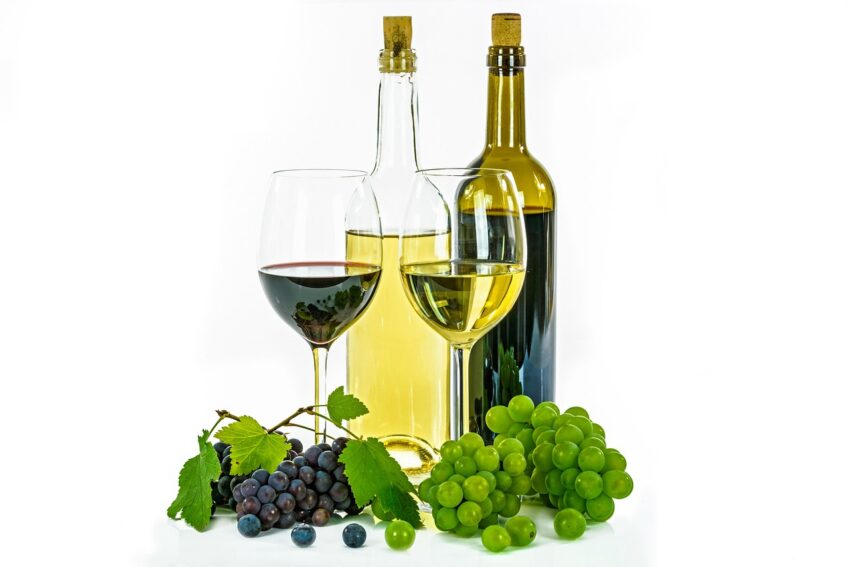
Montepulciano wine tasting notes typically highlight a medium-to-full-bodied red wine known for deep color, robust tannins, and vibrant dark fruit flavors. Grown predominantly in central Italy, particularly Abruzzo, this grape produces versatile wines that balance rustic earthiness with accessible fruit profiles.
When evaluating a glass of Montepulciano, tasters generally notice prominent aromas of sour cherry, blackberry, and oregano, often underscored by subtle notes of cocoa or leather depending on oak treatment. The structural profile relies on moderate acidity and structured tannins that provide a firm backbone without excessive heaviness.
Understanding these tasting notes helps wine enthusiasts identify specific styles ranging from fresh, everyday table wines to deeply concentrated reserve bottlings. By examining color, aroma, palate texture, and finish, drinkers can better appreciate how viticultural practices and regional microclimates shape the final experience in the glass.
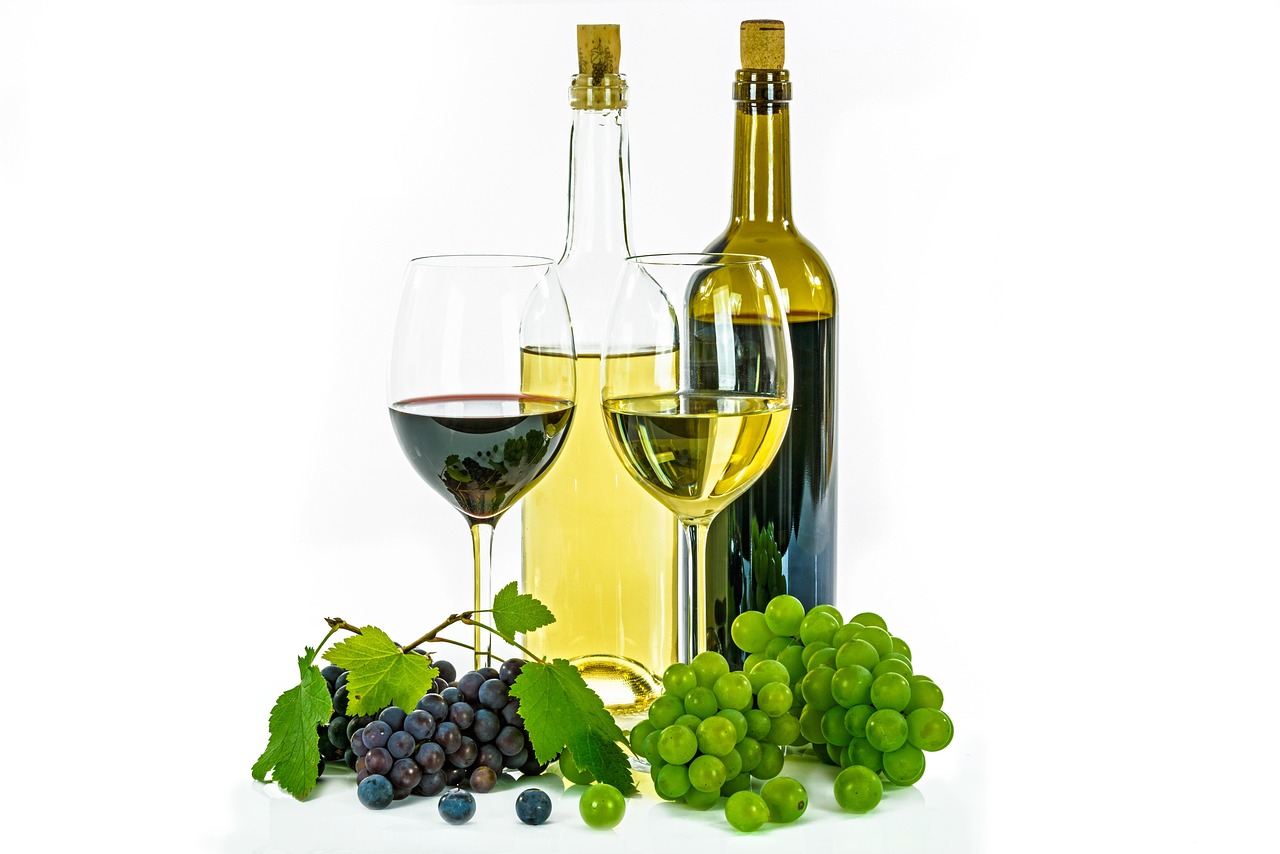
Visual and Aromatics Profile of Montepulciano
Deep Ruby Color Characteristics
Montepulciano wine typically displays an intense, deep ruby-red color that often leans toward purple or violet rims in youthful bottlings. This dark pigmentation reflects the thick skins of the grape variety, which naturally contain high concentrations of anthocyanins.
As the wine matures over several years, the visual appearance shifts gradually from opaque purple toward garnet hues with lighter brick-red edges. Observing this coloration provides early clues regarding the wine’s age and potential structural concentration before tasting.
Red Fruit and Berry Aromas
The aromatic profile of Montepulciano is heavily defined by vibrant red and dark fruit characteristics. Tasters frequently identify prominent notes of ripe black cherries, plums, and wild blackberries rising steadily from the glass during evaluation.
In certain expressions, these primary fruit aromas are complemented by subtle undertones of red currant or dried raspberry. This fruit-forward aromatic quality makes younger versions approachable, offering immediate olfactory appeal even before the wine touches the palate.
Earthy and Herbal Secondary Notes
Beyond primary fruit, Montepulciano exhibits distinct earth-driven and herbal secondary aromatics. Common descriptors include dried oregano, fresh thyme, and occasionally a pleasant undertone of leafy underbrush or forest floor vegetation.
Depending on the specific microclimate and winemaking choices, faint hints of bitter cocoa, crushed gravel, or leather may also emerge. These savory elements add aromatic complexity, preventing the wine from smelling purely like simple fruit jam.
For related wine guidance, see rose wine tasting notes.
Palate Structure and Texture Mechanics
Tannin Levels and Grip
On the palate, Montepulciano is characterized by firm, persistent tannins that provide a noticeable grip along the gums and tongue. These structural elements stem directly from the grape skins and pips during the maceration phase of production.
While youthful examples can feel quite assertive or drying, appropriate aging or barrel maturation helps soften these tannins into a smoother texture. This structural grip makes the wine exceptionally well-suited for accompanying protein-rich foods.
Acidity and Freshness Balance
Balanced acidity is a crucial component of Montepulciano tasting notes, preventing the wine from feeling heavy or flabby. The natural acidity provides a lively freshness that carries the fruit flavors across the tongue effectively.
This crisp backbone ensures that the wine retains balance despite its robust body and fruit concentration. It also contributes to the refreshing finish that leaves the palate clean and prepared for subsequent sips.
Alcohol and Body Weight
Montepulciano typically yields wines with moderate-to-high alcohol levels, often ranging between thirteen and fourteen percent by volume. This parameter contributes significantly to the perception of weight and overall body on the mid-palate.
The combination of substantial alcohol, thick fruit extract, and firm structural components results in a medium-to-full-bodied mouthfeel. Tasters perceive this weight as a warming sensation that anchors the wine’s rich flavor profile.
For related wine guidance, see port wine tasting notes.
Regional Expressions and Style Variations
Abruzzo Coastal vs Inland Styles
Geographical variations within Abruzzo create noticeable differences in Montepulciano tasting profiles. Coastal zones often produce warmer, sun-drenched vineyards that yield riper fruit flavors, softer textures, and slightly higher alcohol percentages.
Conversely, cooler inland hillside vineyards frequently produce wines with sharper acidity, brighter red fruit aromatics, and more pronounced structural tannins. Winemakers often balance these traits by blending fruit from different vineyard elevations.
Influence of Oak Aging
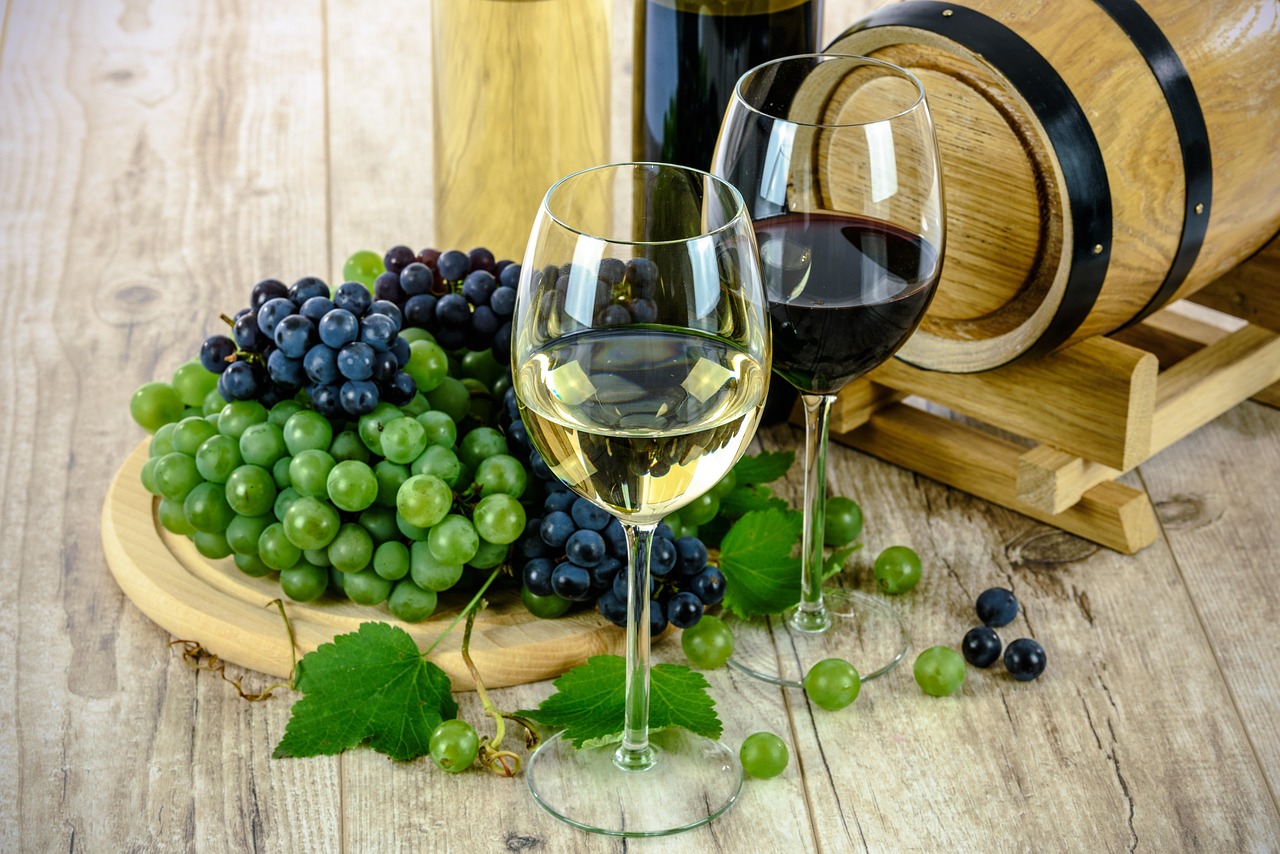
The use of oak barrels substantially alters the aromatic and textural notes of Montepulciano. While traditional styles rely on large neutral casks to preserve pure fruit character, modern producers frequently employ smaller French oak barriques.
Oak maturation introduces tertiary notes of vanilla, sweet tobacco, cedar, and clove to the tasting profile. It also rounds out the sharp edges of youthful tannins, resulting in a smoother, more polished mouthfeel.
Blending Traditions and Regulations
Regional regulations often permit small percentages of other permitted grapes, such as Sangiovese, to be blended into Montepulciano-based wines. These traditional practices can subtly modify the overall acidity and aromatic profile.
Appellation rules also dictate minimum aging requirements for reserve designations, which mandate extended time in wood and bottle. These regulations ensure that commercial bottlings labeled with specific DOC or DOCG tiers meet expected quality standards.
For related wine guidance, see blind wine tasting notes.
Culinary Pairings for Montepulciano Wine
Pairing with Cured Meats
The robust tannins and savory nature of Montepulciano make it an ideal companion for traditional Italian cured meats. Salumi, prosciutto, and spicy sopressata complement the wine’s earthy secondary characteristics and herbal aromatics.
The high fat content in these artisanal meats interacts favorably with the wine’s structural grip, softening the perception of tannins while accentuating sweet fruit flavors. This classic pairing highlights regional culinary traditions.
Matching Tomato-Based Pasta Dishes
High-acid tomato sauces find a natural pairing partner in Montepulciano due to the wine’s inherent structural acidity. Dishes like lasagna, rigatoni with ragu, or pasta al pomodoro harmonize well without clashing.
The wine’s fruit-forward profile cuts through rich cheese toppings while echoing the savory elements of slow-simmered tomato sauces. This culinary synergy prevents either the food or the wine from dominating the experience.
Interaction with Roasted Red Meats
Heavier cuts of roasted red meat, such as grilled lamb chops or roasted beef tenderloin, match the substantial body of Montepulciano. The proteins in the meat bind effectively with the wine’s tannins.
Furthermore, charred exterior crusts from grilling or roasting resonate with the subtle smoky and spicy notes imparted by oak aging. This creates a cohesive sensory experience bridging food and wine.
Frequently Asked Questions
Is Montepulciano related to Vino Nobile di Montepulciano?
Despite sharing a very similar name, Montepulciano wine is made from an entirely different grape variety than Vino Nobile di Montepulciano. The grape variety Montepulciano is a distinct black-skinned cultivar cultivated primarily in central and southern Italy.
In contrast, Vino Nobile di Montepulciano is a wine style produced in Tuscany using predominantly a clonal variant of Sangiovese known locally as Prugnolo Gentile, named after the town of Montepulciano where it is produced.
How should Montepulciano wine be served?
Montepulciano is best served at slightly below typical room temperature, ideally between sixty and sixty-five degrees Fahrenheit. Serving the wine slightly chilled helps emphasize its refreshing acidity and dampens the warming sensation of alcohol.
Utilizing a standard red wine glass with a generous bowl allows the wine to aerate and release its complex array of dark fruit, herbal, and earthy aromas effectively during the tasting process.
Can Montepulciano wines age well in the bottle?
While many entry-level versions are crafted for immediate consumption while fresh and fruity, higher-tier bottlings can age gracefully for five to ten years. Reserve selections possessing dense fruit extracts and firm structural tannins develop rewarding complexity over time.
During extended bottle aging, primary fruit notes gradually evolve into tertiary characteristics like dried fig, leather, and forest floor. Proper storage conditions involving stable cool temperatures remain essential for successful maturation.
How does grape skin thickness influence Montepulciano wine tasting notes?
The Montepulciano grape features naturally thick skins, which play a direct role in shaping the wine’s visual and structural tasting notes. During the fermentation process, extended contact between the juice and these pigmented skins extracts high levels of anthocyanins and condensed tannins. This intense natural extraction accounts for the wine’s deep ruby color, firm structural grip, and notable mouth-coating persistence.
Beyond color and tannins, these thick skins concentrate phenolic compounds that contribute savory depth and subtle bitterness to the finish. When evaluating montepulciano wine tasting notes, recognizing this viticultural trait helps tasters understand why even youthful expressions display a robust texture rather than a light or delicate mouthfeel, connecting vineyard characteristics directly to sensory perception.
What distinguishes a young everyday Montepulciano from a structured reserve bottling?
Everyday styles of Montepulciano are typically crafted for immediate approachability, emphasizing vibrant primary fruit aromas like sour cherry and fresh plum. These versions usually undergo fermentation in stainless steel or large neutral vessels to preserve pure fruit character, resulting in lower extraction and softer, more immediate textural balance on the palate.
In contrast, reserve bottlings require extended aging, often combining traditional cask maturation with bottle maturation. This process softens the aggressive grip of youthful tannins while introducing complex tertiary notes such as leather, sweet tobacco, and dried fruit. When reviewing montepulciano wine tasting notes, these tiered styles show how cellar practices transform a simple fruit-forward wine into a layered, savory beverage.
How do food pairings alter the perception of acidity and tannins in Montepulciano?
The natural structure of Montepulciano interacts dynamically with various food components during a meal. The wine’s moderate-to-high acidity acts as a palate cleanser, cutting through rich fats and proteins found in dishes like roasted meats or aged cheeses. This acid interaction subdues heavy oiliness on the tongue, keeping subsequent sips tasting fresh and lively rather than heavy.
Simultaneously, dietary proteins bind to the firm tannins inherent in the wine, effectively softening their drying sensation on the gums. When applying montepulciano wine tasting notes to culinary planning, understanding this chemical interplay explains why savory, protein-rich foods make the wine’s fruit flavors taste rounder and more accessible than tasting the wine on its own.
Why do some Montepulciano expressions feature prominent herbal and savory notes?
The presence of herbal and savory characteristics in Montepulciano stems from a combination of grape genetics, regional climate factors, and vineyard management choices. Cooler vineyard sites or higher-altitude hillside locations often encourage the development of aromatic compounds reminiscent of dried oregano, wild thyme, and leafy underbrush within the grape clusters.
Additionally, traditional winemaking techniques that utilize minimal new oak allow these inherent earthy qualities to shine through unmasked. When reading montepulciano wine tasting notes, identifying these savory elements indicates a wine shaped by cooler microclimates or traditional cellar practices, offering a balanced contrast to straightforward fruit flavors.