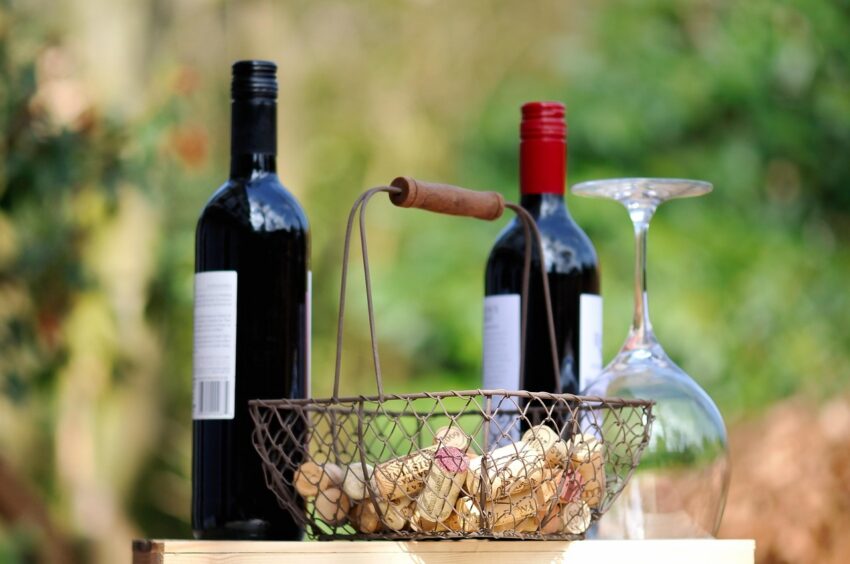
Baco noir is a unique hybrid red wine grape variety known for producing deeply colored, high-acid, and robustly flavored wines that appeal to adults exploring cool-climate viticulture. Understanding its distinct aromatic profile helps enthusiasts identify classic characteristics like dark fruit, fresh earth, and subtle smoky undertones.
This educational guide examines the core sensory descriptors, growing conditions, winemaking practices, and optimal serving guidelines for baco noir. By approaching the varietal through an independent analytical lens, tasters can better appreciate how hybrid grapes express regional terroir without reliance on manufacturer marketing or generalized assumptions.
Origins and Botanical Background of Baco Noir
Hybrid Heritage and Breeding History
Baco noir is an interspecific hybrid grape created in the late nineteenth century by French viticulturist François Baco. He crossed the American species Vitis riparia with the European species Vitis vinifera, specifically utilizing the Folle Blanche variety as the European parent. This deliberate cross aimed to combine the deep natural hardiness of native American vines with the structural qualities of classic European winemaking grapes.
The resulting vine demonstrated exceptional vigor and resilience against environmental stressors common in damp, cool European regions. Although hybrid varieties faced significant regulatory hurdles and social stigma throughout twentieth-century European viticulture, they found a permanent home in North American cool-climate wine regions where purely European species struggled to survive harsh winters.
Vitis riparia Influence and Adaptation
The heavy genetic contribution of Vitis riparia imparts several defining botanical traits to baco noir vines. Riparia vines are native to northern North America, giving them an innate physiological tolerance to severe freezing temperatures and short growing seasons. This genetic background influences bud burst timing and vegetative growth patterns.
Because of this riparia parentage, baco noir exhibits extremely early bud break in the spring, making frost protection a critical consideration for vineyard managers. The vines also develop small, dark berries with high skin-to-juice ratios, which directly influences the intense color and elevated acidity found in finished wines.
Geographic Distribution and Regional Adaptation
While originally developed in France, baco noir is cultivated today primarily in North America. Significant plantings exist in the cooler wine regions of the northeastern United States, the Midwest, and various Canadian appellations such as Ontario and Nova Scotia. These regions provide the continental climate conditions that suit the vine’s natural physiology.
In these cool climates, the grape achieves complete phenolic ripeness while maintaining its characteristic acidity, preventing the wine from tasting flabby or overly heavy. Regional soils often impart subtle mineral nuances, allowing independent tasters to observe how local terroir interacts with hybrid genetics.
Sensory Profile and Analytical Baco Noir Tasting Notes
Visual Appearance and Opacity
A primary feature noted in baco noir tasting notes is its exceptional visual depth. The wine typically displays an opaque, inky purple-black core with ruby or magenta edges that signal high pigment concentration in the grape skins.
Unlike many delicate cool-climate reds, baco noir maintains deep coloration even in youth. Observers frequently note minimal transparency when viewing the wine through a standard tasting glass, reflecting the dense anthocyanin content inherited from its American hybrid ancestry.
Primary Aromas and Fruit Notes
The olfactory profile of baco noir is dominated by vibrant, dark berry fruit aromas. Common descriptors in structured tasting notes include fresh blackberries, black plums, tart blueberries, and occasionally wild raspberries.
These primary fruit notes are typically bright and lifted rather than jammy or overripe. The pronounced acidity of the wine acts as a carrier for these aromatic compounds, projecting the fruit forward on the nose before the taster takes a sip.
Secondary and Tertiary Aromas
Beyond straightforward fruit, baco noir develops complex secondary and tertiary characteristics. Observers frequently record notes of damp forest floor, fresh tobacco, graphite, leather, and distinct hints of woodsmoke or charred earth.
When aged in oak barrels, the wine readily absorbs wood-derived compounds, introducing subtle accents of vanilla, cedar, and clove that balance the rustic, wild herbal tones inherent in the grape’s hybrid lineage.
Palate Structure and Acidity
On the palate, baco noir is defined by its searing natural acidity and medium-to-full body. Tannins are typically moderate in quantity but can feel firm and structured, providing a solid frame for the dense fruit flavors.
The interplay between high acidity and rich extract prevents the wine from feeling heavy, creating a dynamic, mouth-watering finish that distinguishes it from heavier southern European red varieties.
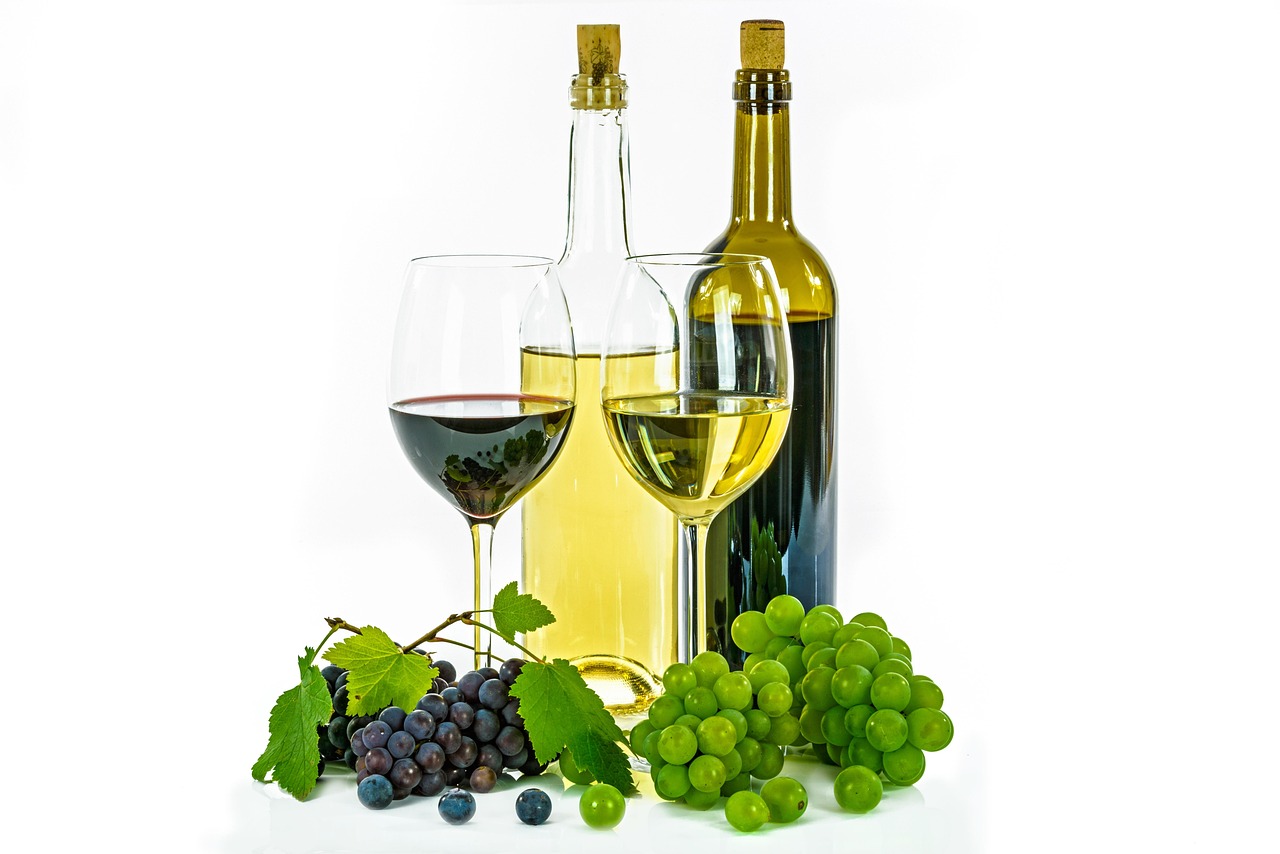
When evaluating cool-climate reds, reviewing cab franc tasting notes can provide a useful comparative baseline for acidity and structure.
Viticultural Management and Climate Adaptability
Cold Hardiness and Winter Survival
The standout agricultural advantage of baco noir is its remarkable cold hardiness. The vines can survive severe winter temperatures that would severely damage or kill standard Vitis vinifera varieties, making un-grafted plantings viable in northern continental climates.
This physiological resistance stems from wood maturation habits and cellular mechanisms that prevent ice crystal formation within primary buds during deep winter freezes, reducing the financial risk for cool-climate agricultural producers.
Canopy Management and Yield Control
Baco noir vines exhibit vigorous vegetative growth, producing dense canopies that require active management by vineyard workers. Without proper pruning, shoot positioning, and leaf removal, excessive shading can impede fruit ripening and reduce airflow.
Improved airflow is essential in humid growing regions to mitigate fungal disease pressures. Careful canopy management ensures adequate sunlight interception, allowing the clusters to develop balanced sugars and mature phenotypically before autumn harvest.
Disease Resistance in Humid Regions
While no grape variety is entirely immune to common viticultural pathogens, baco noir demonstrates notable tolerance to certain fungal issues compared to pure Vitis vinifera vines. This resistance reduces the frequency of chemical spray applications required during damp growing seasons.
Nonetheless, vineyard managers must remain vigilant against pests and mildews, utilizing integrated pest management strategies to protect vine health and preserve the integrity of the harvest.
Winemaking Practices and Acid Management
Managing High Natural Acidity
A primary challenge in vinifying baco noir is handling its naturally elevated malic and tartaric acid levels. Winemakers often utilize malolactic fermentation to convert sharp malic acid into softer lactic acid, smoothing the wine’s texture.
In certain vintages or cooler sites, careful blending with lower-acid varieties or authorized adjustments may be employed to ensure the finished beverage remains balanced and approachable without masking its varietal identity.
Extraction and Maceration Techniques
Because the pigments and structural compounds reside heavily in the skins, winemakers employ tailored maceration protocols during fermentation. Cold soaking before primary fermentation helps extract color compounds gently.
Pumping over or gentle punch-downs of the cap extract balanced tannins without over-extracting bitter elements, ensuring a harmonious balance between the wine’s robust structure and vibrant fruit core.
Oak Integration and Barrel Aging
Aging baco noir in oak barrels provides a softening effect that complements its natural profile. Both French and American oak are utilized depending on the desired flavor profile, introducing subtle spice and tannin integration.
The porous nature of wood allows micro-oxygenation to occur over months of maturation, helping to polymerize harsh tannins and round out the mouthfeel for a more polished presentation.
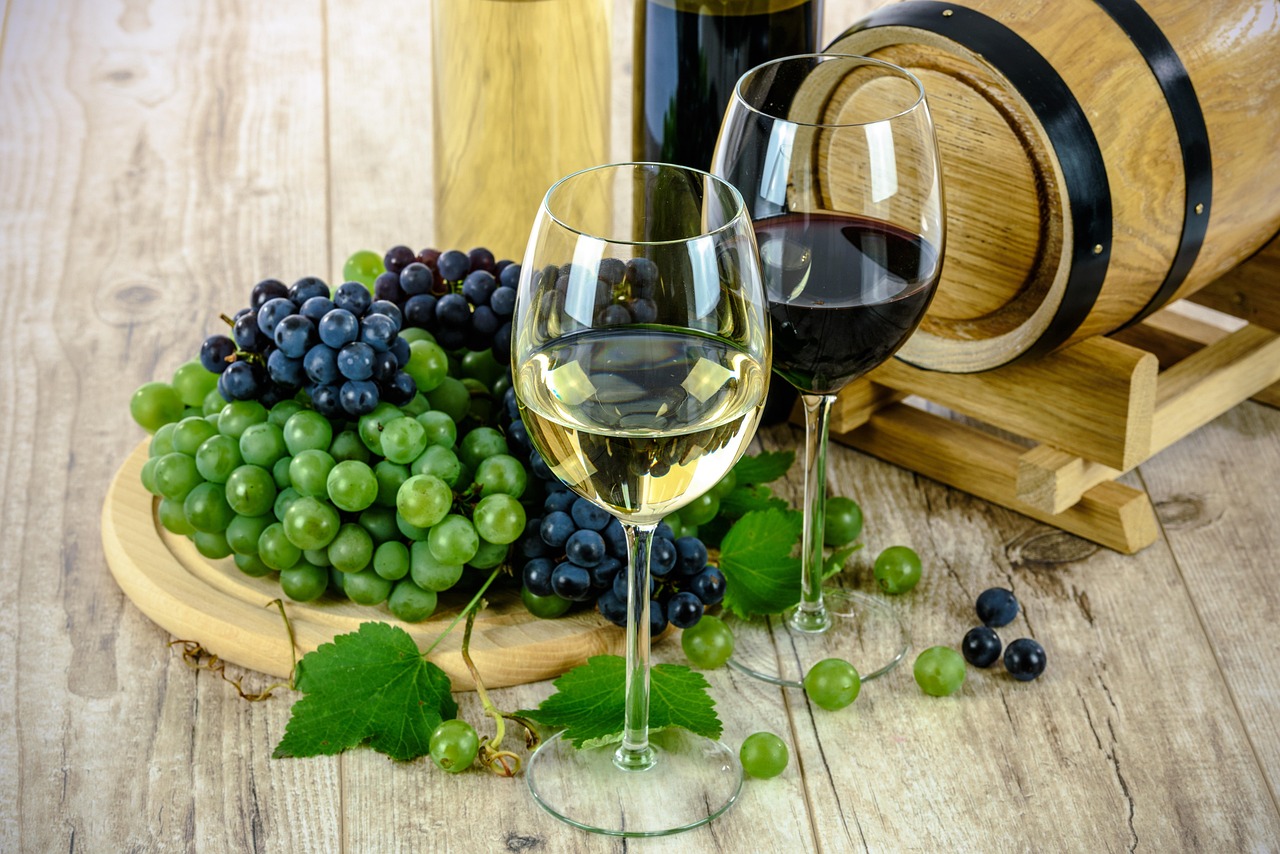
To sharpen your evaluation skills during structural assessments, practicing with blind wine tasting notes helps identify subtle aromatic compounds.
Culinary Pairing Principles and Serving Protocols
Matching Acidity with Rich Proteins
The high acidity and robust structure of baco noir make it an exceptional partner for rich, fatty, or savory dishes. The acidity acts as a palate cleanser, cutting through rich proteins and fats with ease.
Classic food pairings include roasted duck, braised short ribs, grilled pork chops, and rich mushroom-based dishes, where the wine’s earthy undertones echo the savory elements on the plate.
Optimal Serving Temperatures
Serving baco noir at the correct temperature enhances its aromatic expression. Unlike heavy warm-climate reds served at room temperature, cool-climate reds benefit from a slightly cooler cellar temperature around sixty degrees Fahrenheit.
Chilling the bottle slightly accentuates the fresh fruit aromatics and restrains the perception of alcohol, providing a more refreshing and balanced tasting experience.
Decanting and Glassware Selection
Younger, more robust expressions of baco noir benefit from brief decanting to allow volatile aromas to open up and tight tannins to soften upon exposure to oxygen.
Utilizing a medium-sized universal red wine glass with a generous bowl allows the complex dark fruit and earthy aromas to concentrate effectively toward the rim for the taster.
For further exploration of rustic red profiles, examining montepulciano wine tasting notes offers helpful context on food pairing versatility.
Frequently Asked Questions
What is baco noir?
Baco noir is an interspecific hybrid red wine grape variety created by French breeder François Baco in the late nineteenth century. It crosses Vitis riparia with Vitis vinifera, specifically the Folle Blanche variety. It is celebrated in cool-climate regions for producing deeply colored, high-acid, and aromatic red wines with distinct earthy and dark fruit characteristics.
Why is baco noir high in acidity?
The high natural acidity of baco noir is a direct genetic inheritance from its American parent species, Vitis riparia, which evolved in northern North American climates. This elevated acidity helps the vine survive short, cool growing seasons and contributes a bright, refreshing structural framework to the finished wine without requiring heavy acid additions.
How long can baco noir age?
While many expressions of baco noir are crafted for earlier consumption to enjoy their vibrant fruit profile, well-structured examples from balanced vintages can age gracefully for five to ten years. During maturation in bottle or oak, the high acidity and sturdy tannins allow the wine to develop complex secondary notes of leather, earth, and tobacco.
What foods pair best with baco noir?
Baco noir pairs exceptionally well with rich, savory, and high-fat dishes because its high acidity acts as a natural palate cleanser. Ideal pairings include roasted duck, grilled pork, braised beef short ribs, and earthy mushroom risotto, where the wine’s acidity cuts through richness and its smoky notes complement charred or roasted flavors.
Where is baco noir primarily grown today?
Although originating in France, baco noir is cultivated today primarily in North America. Significant plantings thrive in cool-climate wine-producing regions across the northeastern United States, the Midwest, and Canadian appellations such as Ontario and Nova Scotia, where the vines withstand harsh winters and achieve optimal phenolic ripeness.
Does baco noir require decanting?
Decanting baco noir is beneficial, especially for younger or more robust bottlings. Allowing the wine to breathe in a decanter for thirty to forty-five minutes helps soften firm tannins, integrate any prominent wood elements, and fully release the complex layers of dark fruit and earthy aromas inherent to the hybrid variety.