Core Characteristics of Australian Shiraz
Regional Diversity in Style
Australian shiraz exhibits remarkable stylistic diversity depending on where the grapes are grown. Cooler regions often produce wines with vibrant red fruit, black pepper, and herbal nuances, whereas warmer inland regions lean toward rich, jammy dark fruits, licorice, and earthy undertones. Understanding these origins helps decode label information.
This geographic variation stems from mesoclimate shifts, altitude differences, and maritime influences across various Australian wine zones. Each designated region imparts distinct aromatic and structural markers, making geography a primary reference point when evaluating Australian shiraz tasting notes during comparative tastings or casual educational sessions.
Primary Fruit and Spice Aromas
The dominant aromatic profile of Australian shiraz frequently centers around ripe blackberries, blueberries, and dark plums. Depending on ripeness and oak treatment, secondary notes of black olive, eucalyptus, mint, or dried herbs frequently emerge, adding aromatic complexity to the glass.
Spice notes are another hallmark of the variety, ranging from cracked black peppercorn in cooler sites to sweet baking spices like cinnamon and clove in warmer expressions. These aromas develop naturally through grape skin compounds and fermentation processes, offering distinct sensory markers for wine enthusiasts.
Tannin and Structural Profiles
Tannins in Australian shiraz range from fine-grained and silky to robust and muscular, largely determined by skin extraction and oak maturation. Balanced acidity provides a structural backbone that prevents rich fruit profiles from feeling heavy, ensuring a harmonious mouthfeel across different styles.
Alcohol levels can vary significantly, reflecting the warm climates where many shiraz grapes thrive. Recognizing how alcohol warmth interacts with tannin grip and acidity helps evaluators describe the wine weight, length, and overall balance accurately during structured tastings.
When exploring various regional profiles, reviewing cab franc tasting notes offers a useful comparison to rich red styles.
Viticultural Influences and Climate
Warm Versus Cool Climate Variations
Climate plays a fundamental role in shaping Australian shiraz. Warm regions encourage rapid sugar accumulation and thick skins, yielding full-bodied wines with high alcohol potential and lush fruit characters. These styles often present softer, rounder tannins due to advanced phenolic ripeness on the vine.
Conversely, cool-climate regions experience lower average temperatures and extended ripening periods. This environment preserves natural malic acid and promotes the development of savory, spice-driven compounds. Consequently, cool-climate shiraz typically exhibits lighter body, brighter acidity, and distinctive aromatic freshness.
Soil Types and Vineyard Management
Vineyard soils heavily influence vine vigor, water retention, and nutrient availability. Ancient ironstone, red clay, sandy loam, and limestone-based soils each impart subtle mineral or textural characteristics to the resulting fruit, altering how grape flavors concentrate throughout the growing season.
Canopy management practices, such as leaf plucking and shoot positioning, regulate sunlight exposure and airflow within the fruiting zone. Growers adjust these techniques to optimize grape health, manage sunburn risks, and achieve even phenolic ripeness prior to the annual harvest window.
Harvest Timing and Ripeness Levels
Determining the exact harvest date requires careful monitoring of sugar levels, pH, and skin tannin maturity. Picking too early can lead to aggressively green notes and hollow mid-palates, while waiting too long risks losing acidity and introducing overripe, prune-like fruit flavors.
Winemakers balance these metrics against seasonal forecasts and logistical capacities. Precision in harvest timing ensures that the fruit retains its inherent varietal typicity, providing a solid foundation for crafting balanced wines suited for immediate enjoyment or long-term cellar aging.
Winemaking Techniques and Oak Maturation
Fermentation Styles and Extraction
Winemakers utilize various fermentation vessels, ranging from traditional open-top concrete fermenters to stainless steel tanks. Temperature control during fermentation governs yeast activity and dictates the rate of color, flavor, and tannin extraction from the grape skins into the fermenting juice.
Techniques such as pump-overs and gentle punch-downs ensure optimal contact between the liquid and the cap of grape skins. The chosen extraction level directly influences the wine structural weight and drying finish, balancing power with elegance in the final blend.
The Role of French and American Oak
Oak maturation softens youthful tannins and introduces subtle micro-oxygenation, enhancing textural complexity. French oak typically imparts refined spice, cedar, and subtle structural tightness, whereas American oak is known for sweeter vanilla, coconut, and dill aromatics.
Producers carefully calibrate the percentage of new versus seasoned oak barrels to prevent wood aromas from overwhelming delicate fruit qualities. Barrel-to-barrel blending allows winemakers to achieve a seamless integration of oak influence and primary fruit character.
Bottle Aging Potential and Evolution
Many Australian shiraz wines are crafted for immediate approachability, but structured examples possess notable aging potential. Over time, primary fruit characteristics transition into complex secondary and tertiary notes, including leather, tobacco, forest floor, and dried fig.
Chemical reactions within the bottle, facilitated by minimal residual dissolved oxygen and slow phenolic polymerization, soften harsh edges. Storing wine in stable, temperature-controlled environments ensures these evolutionary changes occur predictably over several years.
When studying different regional vinification methods, examining montepulciano wine tasting notes provides additional perspective on barrel aging.
Serving, Decanting, and Temperature Protocols
Ideal Serving Temperatures for Red Wines
Serving temperature significantly affects how wine aromas volatilize and how structural components like alcohol and tannin are perceived. Serving Australian shiraz too warm accentuates alcohol burn, whereas chilling it excessively mutes vibrant fruit flavors and aromatics.
A serving temperature around 16 to 18 degrees Celsius is generally optimal. Allowing a slightly chilled bottle to rest briefly at ambient room temperature helps bring out its full aromatic spectrum without distorting the wine inherent balance.
When and How to Decant Full-Bodied Reds
Decanting exposes young, tannic, or closed wines to oxygen, softening astringent edges and releasing trapped aromatic compounds. Full-bodied Australian shiraz often benefits from a brief period in a decanter, particularly when dealing with tight youth or noticeable sediment.
Older bottles require more cautious decanting procedures to separate accumulated sediment without agitating delicate, aged compounds. Pouring steadily under a light source ensures clear liquid separation while preserving fragile secondary aromas.
Glassware Selection for Structured Styles
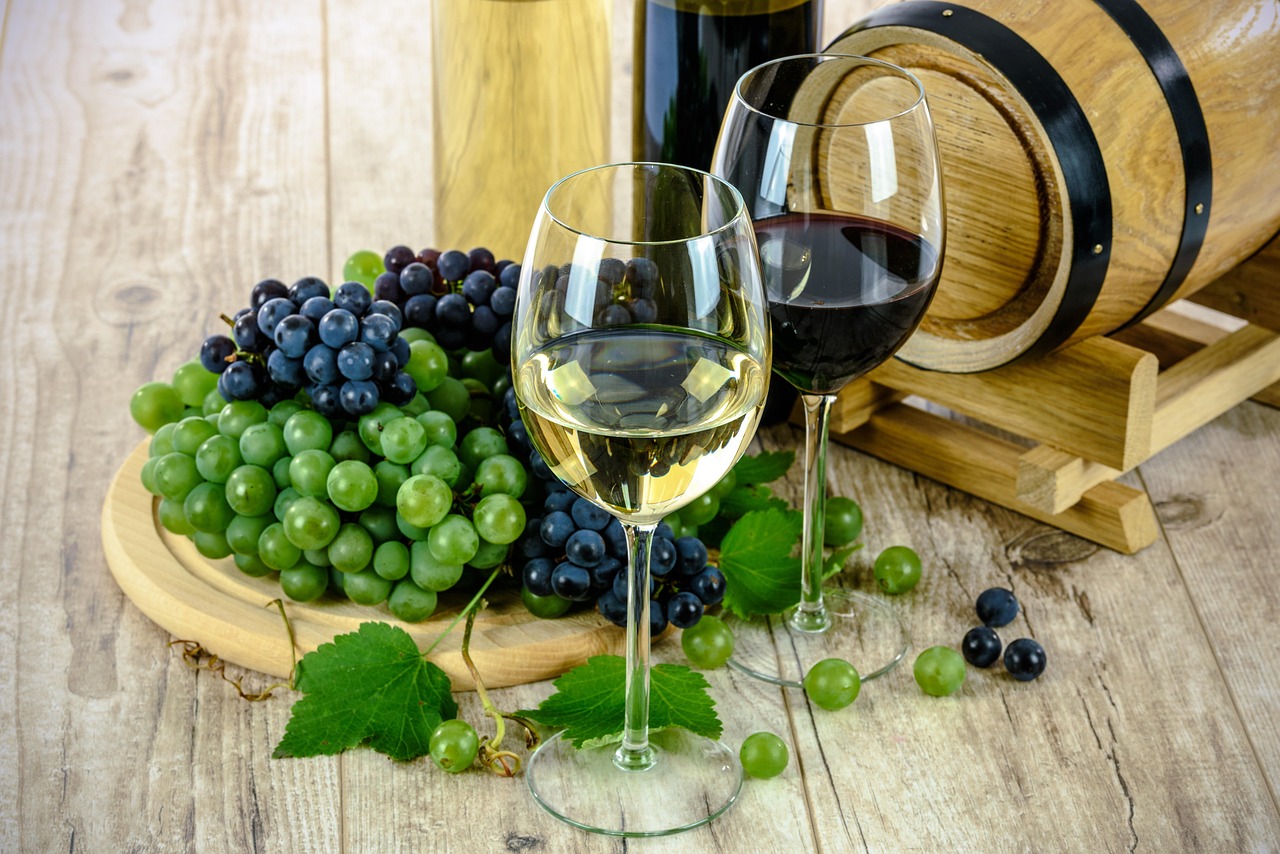
Glass shape and bowl capacity influence how wine hits the palate and directs aromatics toward the nose. Large, tulip-shaped glasses with tapered rims are ideal for full-bodied red wines, allowing ample surface area for oxygen interaction and aroma concentration.
The wide bowl accommodates complex, robust profiles typical of Australian shiraz, while the tapered opening concentrates volatile compounds directly toward the senses. Clean glassware free from soap residue ensures an unhindered tasting experience.
For those interested in alternative bold styles, checking port wine tasting notes helps determine ideal service temperatures.
Culinary Pairings for Australian Shiraz
Pairing with Grilled and Roasted Meats
The robust structure and rich fruit profile of Australian shiraz make it a classic companion for grilled and roasted meats. Charred surfaces on steaks, lamb chops, or pork ribs complement the smoky, savory undertones found in many styles of the variety.
High protein content and natural fats in red meat coat the palate, softening the perception of tannins and highlighting fruit sweetness in the wine. This harmonious interaction makes savory meat dishes a reliable baseline pairing choice.
Complementing Earthy Vegetables and Mushrooms
Earthy ingredients like portobello mushrooms, truffles, and root vegetables align well with the savory, gamey characteristics that develop in aged or cool-climate Australian shiraz. Roasting or caramelizing these vegetables enhances their natural umami depth.
Dishes incorporating lentils, beans, or earthy herbs like rosemary and thyme bridge the gap between plant-based textures and wine structure. These combinations rely on shared earthy profiles rather than sheer weight contrast.
Handling Spiced and Pepper-Forward Dishes
Pepper-forward Australian shiraz pairs exceptionally well with dishes seasoned with cracked peppercorns, warm spices, or charred crusts. The inherent spice notes in the wine echo culinary seasonings, creating a cohesive and integrated dining experience.
Care must be taken with extreme heat, as high spice levels can exacerbate the perception of alcohol warmth in full-bodied reds. Moderating chili heat while emphasizing aromatic spices ensures the wine remains balanced alongside the meal.
Frequently Asked Questions
What is the difference between Shiraz and Syrah?
Shiraz and Syrah are genetically identical grape varieties, but they typically reflect different stylistic approaches and growing conditions. Syrah is the traditional French name associated with cooler climates, lighter body, and savory, peppery profiles. Shiraz is the Australian term, commonly linked to warmer climates resulting in riper fruit flavors, fuller bodies, and higher alcohol levels. Winemaking techniques in each region further shape these distinct identities.
How long can Australian Shiraz be aged in a cellar?
Aging potential depends heavily on grape origin, vintage quality, and structural balance. Everyday styles are crafted for immediate consumption and are best enjoyed within a few years of release. Premium, structured examples featuring balanced acidity and firm tannins can age gracefully for ten to twenty years, developing complex secondary aromas like leather, dried fruit, and earth over time.
Why do some Australian Shiraz wines taste minty or eucalyptus-like?
Mint and eucalyptus aromas in certain Australian shiraz wines originate from volatile organic compounds, such as cineole, absorbed by grape skins from nearby eucalyptus trees. This aromatic transfer occurs naturally in vineyards planted close to native Australian flora, imparting a distinct regional signature recognizable during tasting evaluations.
Should Australian Shiraz be chilled before serving?
Australian shiraz should not be served ice cold, but a slight chill can be beneficial if the ambient room temperature is excessively warm. Serving the wine around 16 to 18 degrees Celsius helps restrain the perception of alcohol warmth and highlights the fresh fruit characteristics. Placing the bottle in a refrigerator for twenty minutes before serving is usually sufficient.
What foods pair best with bold Australian Shiraz?
Bold Australian shiraz pairs exceptionally well with protein-rich, savory dishes such as grilled ribeye steaks, roasted leg of lamb, and slow-cooked beef stews. The high tannin levels and full body of the wine cut through rich fats, while fruit and spice notes complement charred crusts and herbaceous marinades.
How does oak aging affect the flavor of Shiraz?
Oak aging softens aggressive tannins through micro-oxygenation and adds structural complexity to the wine. Depending on whether French or American oak is used, barrels impart flavors such as cedar, vanilla, clove, or baking spices. Winemakers balance these elements so that the oak supports rather than overwhelms the core fruit profile.