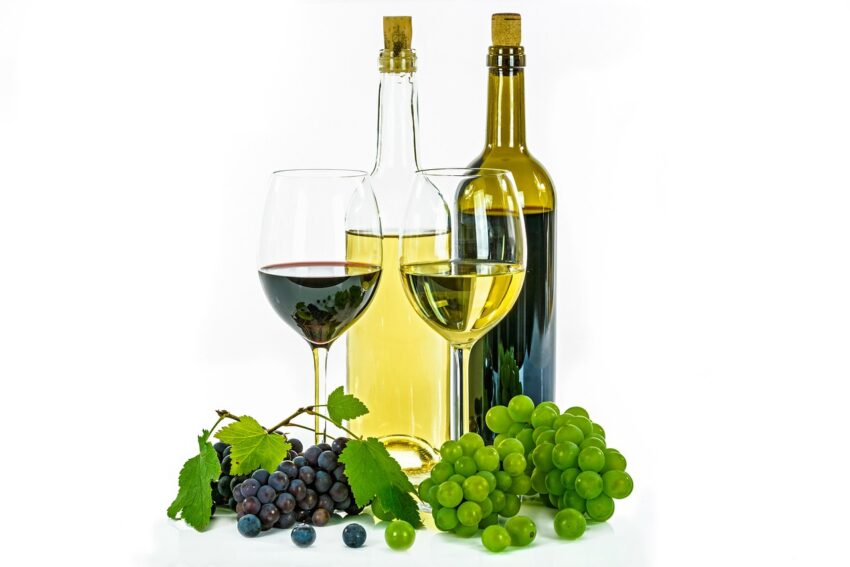
Pairing wine with Camembert requires balancing the cheese’s rich, buttery texture and earthy, mushroom-like rind with structural elements in the wine like acidity, effervescence, or subtle tannins. Traditional pairings often favor crisp white wines, whose high acidity cuts effortlessly through the dense, velvety cream of a young or moderately ripe wheel.
As Camembert matures, its interior softens and its aroma deepens significantly, introducing pungent notes that can overwhelm delicate whites. At this stage, choosing a slightly more robust white or a delicate, low-tannin red wine prevents the cheese from dominating the palate, maintaining a harmonious balance between food and drink.
Successfully matching wine to this iconic surface-ripened cow’s milk cheese ultimately depends on assessing its specific age, ripeness, and serving temperature. By considering these sensory characteristics, enthusiasts can explore a wide spectrum of styles, ranging from sparkling wines and dry sherries to classic regional French bottles.
Camembert Characteristics and Pairing Principles
Texture and Richness Profile
Camembert is renowned for its dense, paste-like interior and edible white bloomy rind, creating a luxurious mouthfeel that coats the palate. This high fat content requires structural components in wine to cleanse the palate effectively between bites.
Wines lacking sufficient acidity or structure will feel flat and heavy when paired with such rich dairy products. Identifying this creamy baseline helps select beverages capable of cutting through the fat without overwhelming the delicate lactic flavors.
Ripening Stages and Intensity
The flavor profile of Camembert shifts dramatically as it ages, starting mild and chalky before turning fluid, pungent, and deeply earthy. Young cheeses demand vibrant, refreshing partners, whereas fully matured wheels call for deeper, more complex structural elements.
Recognizing the current stage of maturation prevents pairing a delicate white with an assertive, ammonia-tinged ripe cheese. Tasting the cheese beforehand ensures the selected wine matches its exact level of aromatic intensity and funkiness.
Acidity as a Balancing Tool
Acidity acts as the primary bridge between wine and high-fat cheeses, providing a sharp contrast that revitalizes the palate. Tart components slice through the dense proteins of Camembert, lifting the rich flavors and preventing palate fatigue.
Without adequate acidity, the combination becomes cloying and muddled, hiding the subtle nuances of both the cheese and the vintage. High-acid white and sparkling options remain reliable cornerstones for this exact reason.
For related wine guidance, see wine pairing with porchetta.
Classic White Wine Selections
Crisp Unoaked Chardonnay
Unoaked Chardonnay offers a pristine framework of green apple, lemon zest, and mineral undertones that complement surface-ripened cheeses. Avoiding oak barrels prevents unwanted bitterness and heavy vanilla flavors from clashing with the savory qualities of the cheese.
The naturally bright acidity found in cooler-climate expressions cuts cleanly through the buttery exterior of Camembert. This pairing delivers a refreshing contrast that highlights the clean, milky sweetness residing at the center of the wheel.
Aromatic Dry Chenin Blanc
Dry Chenin Blanc brings a distinctive combination of orchard fruit, beeswax, and piercing acidity that handles complex cheeses with ease. Its vibrant character bridges the gap between the rich paste and the earthy, mushroom-driven rind.
The lingering finish of a structured Chenin Blanc echoes the subtle savory notes of a moderately ripe Camembert. This regional French pairing has stood the test of time due to its reliable textural and aromatic synergy.
Textured Dry Riesling Styles
Dry Riesling provides a striking juxtaposition of razor-sharp acidity and subtle petrol or stone-fruit complexity against creamy cheeses. The intense freshness cleanses the palate instantly, preparing it for another bite of unctuous dairy.
Even though Riesling often carries intense aromatic profiles, bone-dry versions integrate seamlessly with the earthy, fungal elements of the cheese rind. This option rewards those seeking an adventurous yet structurally sound pairing combination.
For related wine guidance, see wine pairing with chicken pot pie.
Red Wine Pairing Strategies
Light-Bodied Low-Tannin Reds
Red wines with high tannins can clash with soft cheeses, producing an astringent, drying sensation rather than a harmonious finish. Selecting light-bodied, low-tannin reds avoids this chemical clash while introducing delightful red fruit characteristics.
Grapes like Poulsard or light regional styles offer refreshing berry notes without the heavy structural grip found in bigger reds. These options provide a playful alternative for drinkers who prefer red wine with their cheese courses.
Earthy Pinot Noir Selections
Pinot Noir often shares subtle forest floor and mushroom aromas that mirror the savory profile of a ripe Camembert rind. Choosing a lighter, cooler-climate expression prevents the alcohol and fruit weight from overwhelming the delicate cheese.
The gentle acidity and minimal tannins of a refined Pinot Noir blend smoothly with the soft, fatty interior paste. This creates a cohesive tasting experience where the earthy qualities of both food and drink reinforce one another.
Managing Tannin and Creaminess
Understanding how tannins interact with milk fats is essential for anyone determined to serve red wine with soft cheese. Tannins bind primarily to proteins—including salivary proteins—which can produce an astringent, drying sensation that may make the wine taste harsh and obscure the cheese’s luscious texture.
To mitigate this issue, look for reds with velvety, well-integrated tannins served slightly below room temperature. Alternatively, focusing on the earthy aromatic overlap helps distract from any minor structural friction on the palate.
For related wine guidance, see wine pairing with caesar salad.
Alternative Styles and Sparkling Options
Traditional Method Sparkling Wine
Traditional method sparkling wines, including Champagne and Crémant, offer an elite pairing partner for rich surface-ripened cheeses. Carbonation bubbles help refresh the palate between bites, providing a cleansing contrast to the dense dairy fats of the cheese.
The autolytic notes of brioche and toasted yeast found in aged sparkling wines match the yeasty profile of the Camembert rind. This combination represents a luxurious approach suitable for celebratory gatherings and formal cheese courses alike.
Dry Fruit-Forward Rosé Wines
Dry rosé wines crafted from classic red grapes provide a versatile middle ground between white and red selections. Their refreshing red berry flavors and crisp acidity complement the mild creaminess of a younger Camembert wheel.
Choosing a savory, pale-colored rosé ensures that residual sugar does not interfere with the natural saltiness of the cheese. This refreshing style works particularly well during warmer months when heavier reds feel less inviting.
Nutty Oxidative Wine Styles
Nutty, oxidative wines like dry Amontillado Sherry or aged Jura whites offer bold, unconventional pairings for mature cheeses. These specialized styles match the intense funk and mushroom characteristics of deeply ripened Camembert wheels.
The saline and nutty complexity of these wines stands up to the most pungent farmstead iterations available. Such adventurous pairings require careful attention to portion sizes due to the intense flavor concentration involved.
Frequently Asked Questions
Should the rind be removed before pairing?
The edible white rind is an integral part of the Camembert experience, contributing essential earthy and mushroom aromas. Removing it eliminates a key flavor component that helps bridge the gap between the cheese and complex wines.
Leaving the rind intact provides textural contrast to the runny interior and interacts directly with the structure of the wine. Most culinary traditions recommend keeping the rind on to fully appreciate the intended flavor profile.
Does serving temperature affect the wine match?
Serving temperature plays a significant role in how both wine and cheese present their respective structural elements. Over-chilled white wine can suppress its aromas and reduce the perception of acidity, diminishing its ability to cut through the rich, fatty texture of the cheese.
Similarly, serving Camembert straight from a cold refrigerator suppresses its volatile aromatic compounds, reducing the complexity available to the palate. Allowing both items to rest at ambient temperature before serving ensures a more harmonious and expressive pairing.
Can sweet wines work with ripe Camembert?
Sweet wines can create compelling contrast pairings when matched against deeply pungent, salty, and fully ripe Camembert wheels. The residual sugar balances the intense salt and natural ammonia notes found in older cheeses.
Late-harvest styles or lightly sweet fortified wines require caution, as excessive sugar can overwhelm the subtle dairy undertones. This pairing style works best for experienced tasters exploring the boundaries of sweet and savory combinations.
How does bottle aging in white wines change their compatibility with mature Camembert?
As white wines age in the bottle, their sharp primary fruit notes evolve into complex secondary and tertiary aromas, developing rich characteristics like toasted almonds, dried orchard fruit, and subtle honeyed undertones. This gradual evolution in the bottle creates a sensory bridge to the savory, mushroom-like funk of a deeply mature Camembert wheel.
While crisp, young whites rely primarily on sheer acidity to cut through dense dairy fats, mature white wines offer added textural weight and savory depth that match the intensified proteins of older cheese. Selecting an older vintage of a structured grape like dry Chenin Blanc prevents the beverage from tasting hollow against the pungent, earthy richness of a well-ripened paste without sacrificing necessary structure.
Why do cool-climate white wine regions traditionally excel with soft cheeses?
Cool-climate viticulture tends to produce grapes with elevated natural acidity and, in many cases, lower potential alcohol levels than warmer regions, though results vary by site, variety and vintage. These specific climatic factors yield refreshing wines that possess the robust structural backbone required to cleanse the palate effectively after consuming unctuous, high-fat surface-ripened cheeses like traditional farmstead Camembert wheels.
Furthermore, cooler growing regions frequently impart distinct mineral, slate, or crisp green fruit characteristics that never compete with the delicate lactic sweetness found at the exact center of the wheel. Where producers choose restrained oak use and moderate fruit weight, the pairing tends to remain balanced and focused on clean textural contrast, though individual producer styles vary considerably within any cool-climate region.
How can guests manage flavor intensities when serving multiple stages of Camembert with a single wine?
Serving cheeses of varying maturity alongside a single shared bottle requires a carefully planned tasting order to prevent complete palate fatigue during the course. Participants should always sample younger, milder wheels featuring chalky textures first, gradually progressing toward older, highly pungent wedges that naturally dominate the overall sensory landscape of the table.
Choosing a versatile, high-acid neutral partner like a traditional method sparkling wine helps bridge the gap across these different ripening stages successfully. The persistent effervescence resets the mouth continuously, allowing a single bottle to adapt smoothly as the tasting experience shifts from delicate creaminess to deep, earthy maturity during a multi-course gathering.