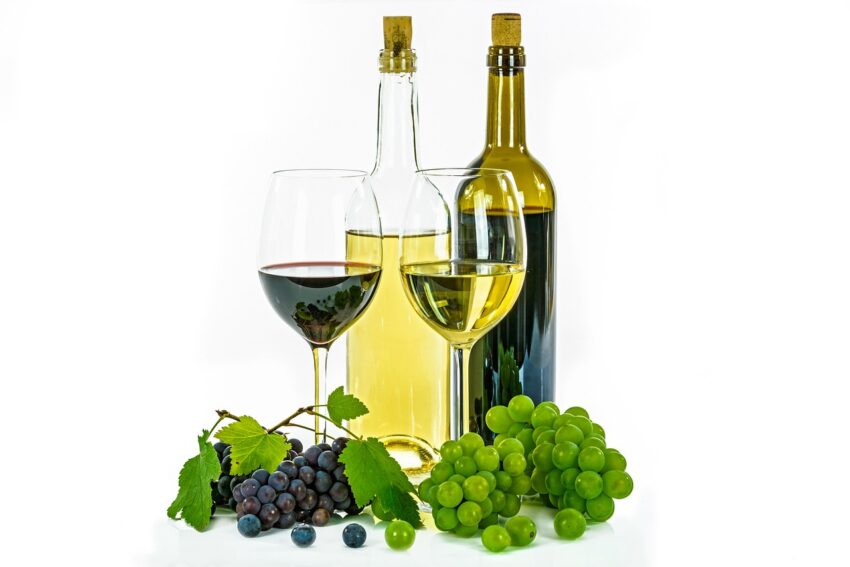
Syrah viognier co-fermentation is a traditional winemaking technique originating in the Northern Rhône Valley, where small amounts of the white grape Viognier are fermented alongside dark-skinned Syrah. This practice modifies the aromatic profile, color stability, and structural texture of the resulting red wine, creating a distinct sensory experience valued by educators and enthusiasts alike.
An educational exploration of this method reveals complex chemical and botanical interactions that influence modern cool-climate winemaking. By examining agricultural choices, cellar mechanics, and sensory outcomes, learners can better understand how traditional techniques shape contemporary wine styles without relying on commercial branding or health claims.
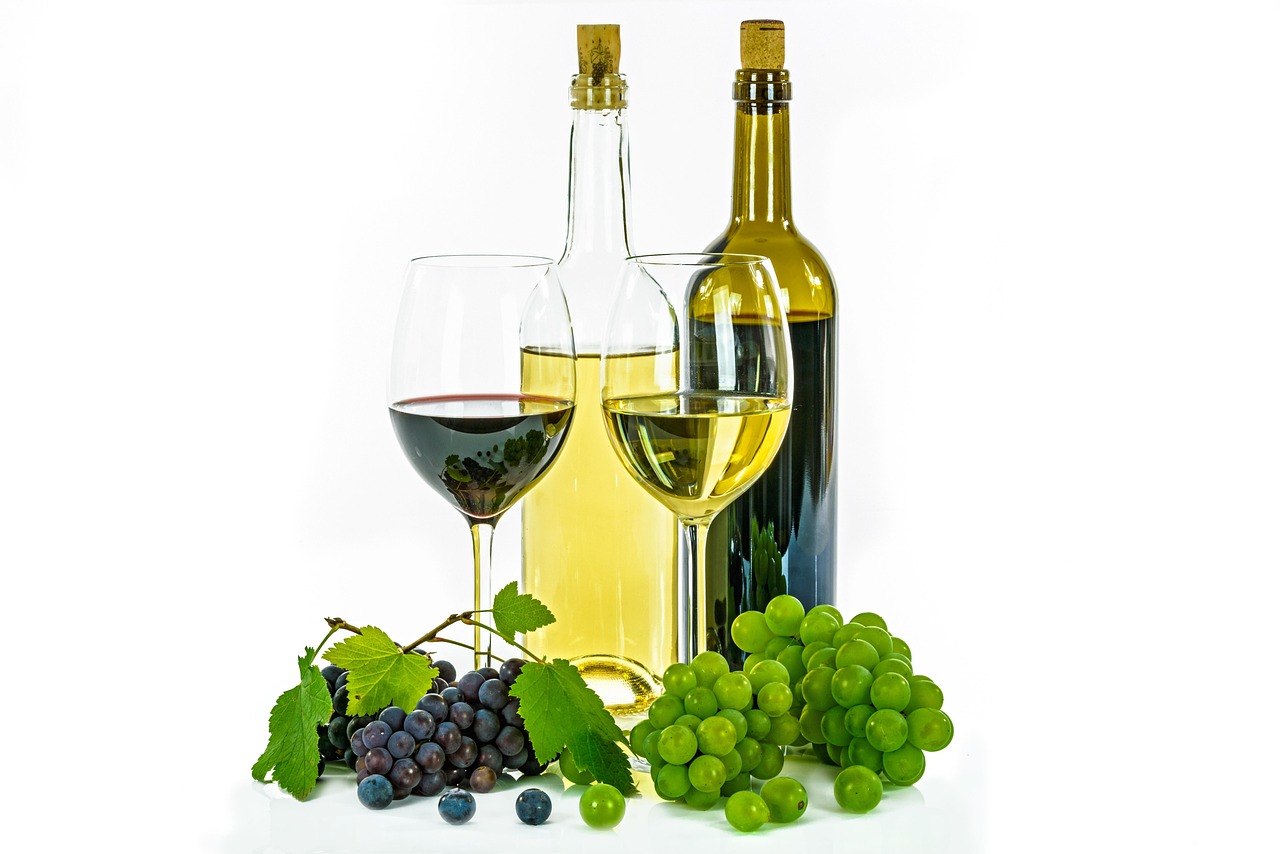
Fundamentals of Syrah and Viognier Varieties
Characteristic Profiles of Syrah
Syrah is a dark-skinned grape variety known for producing deeply colored, full-bodied red wines with firm tannins. Typical descriptors include dark berries, black pepper, smoked meat, and savory herbs. In cooler regions, the variety tends to display higher natural acidity and pronounced earthy or floral notes.
The structural backbone of Syrah relies heavily on its thick skins, which provide abundant phenolic compounds. These compounds dictate the aging capacity of the wine and interact dynamically with external components during fermentation, laying the foundation for complex evolution in the bottle over time.
Botanical and Aromatic Contributions of Viognier
Viognier is an aromatic white grape variety characterized by low acidity and high levels of naturally occurring compounds called terpenes. These chemical constituents impart pronounced floral aromas, notably white blossoms, alongside stone fruit characters like apricot and peach.
When introduced into a red fermentation, these aromatic precursors do not merely scent the mixture; they chemically bond with other compounds. This botanical interaction softens the perception of dense red fruit and introduces an exotic aromatic lift that distinguishes Northern Rhône style wines from single-varietal iterations elsewhere.
Historical Roots in the Northern Rhône
The practice of co-fermenting Syrah and Viognier traces its origins back to classic appellations like Côte-Rôtie. Historically, mixed plantings in the steep vineyards meant that white and red grapes were harvested together out of practical necessity rather than strict design.
Over generations, winemakers observed the positive stabilizing effects that the white grapes had on the red juice. Even as vineyard management evolved toward separate block plantings, many producers maintained the practice by intentionally picking small percentages of Viognier to add directly to Syrah vats at crush.
The Mechanics of Co-Fermentation
Defining Simultaneous Fermentation
True co-fermentation requires that the solid and liquid components of both grape varieties are placed into the same fermentation vessel at the very beginning of the process. This differs significantly from blending, which occurs when two finished or nearly finished wines are combined.
Simultaneous processing allows yeasts and indigenous microorganisms to interact with the distinct cellular structures, sugars, and organic acids of both varieties concurrently. This unified environment encourages chemical reactions that simply cannot occur when finished wines are merely mixed together in a tank.
Extraction and Stabilization of Phenolics
During fermentation, the skins and seeds of both grapes release tannins, anthocyanins, and other phenolic compounds into the must. The presence of white grape juice modifies the extraction rates and saturation thresholds of these elements.
The active compounds in Viognier can help solubilize and stabilize certain pigment molecules found in Syrah. This biochemical stabilization prevents premature precipitation of color agents, helping the wine retain its vibrant ruby-purple hue during early maturation phases.
Color Enhancement via Copigmentation
Copigmentation is a chemical phenomenon where colorless organic compounds, often called co-factors, stack with anthocyanin pigments to enhance and stabilize wine color intensity. Viognier contains specific phenolic co-factors that actively bind with Syrah pigments.
This molecular partnership deepens the optical density of the wine. Consequently, a wine containing a modest percentage of Viognier can exhibit a darker, more stable color profile than a 100 percent Syrah vinified under identical conditions.
Managing Ripeness Discrepancies
One primary technical hurdle in co-fermentation is the difference in optimal harvest ripeness between the two varieties. Viognier typically accumulates sugar and loses acidity faster than Syrah in many warm climates.
To overcome this, vineyard managers must find a precise harvest window. They often pick Viognier slightly underripe to preserve its acidity and aromatic freshness, matching it with Syrah picked at a balanced maturity level to prevent the final alcohol content from becoming overly elevated.
During the primary vessel phase, managing alcoholic fermentation in wine requires careful temperature tracking to protect volatile aromatics.
Viticultural Considerations and Vineyard Management
Harvesting Challenges and Timing
Harvesting for co-fermentation demands precise logistical planning. Because the white and red grapes must arrive at the crush pad simultaneously, vineyard teams must monitor maturation curves across different blocks carefully.
If the varieties are planted in separate vineyard parcels rather than as a historic field blend, workers must coordinate pick dates down to the exact morning. This synchronization ensures that fruit integrity remains high and microbial spoilage is minimized prior to processing.
Canopy Management for Dual Blocks
Managing vine canopies requires balancing sunlight exposure and temperature for two distinct varieties that may have differing sensitivities. Syrah can suffer from sunburn if excessively exposed, while Viognier benefits from filtered light to develop its complex aromatics.
Viticulturists use targeted leaf removal and shoot positioning tailored to each row or block. Maintaining uniform vine health ensures that when the fruit is eventually harvested, both varieties contribute optimal physiological maturity to the shared fermentation tank.
Site Selection and Soil Interactions
The choice of soil type heavily influences the success of co-fermentation styles. Granitic, schist, and limestone soils common in cool-climate regions provide good drainage and impart mineral characteristics that anchor the opulent fruit notes of Viognier and the savory depth of Syrah.
Site selection must also account for temperature fluctuations. Diurnal shifts—warm days followed by cool nights—help retain natural acidity in Viognier while allowing Syrah to develop thick skins and complex spice precursors without excessive sugar accumulation.
Cellar Practices and Winemaking Choices
Whole Cluster Inclusion Strategies
Many producers combine co-fermentation with whole-cluster winemaking, retaining the stems of the Syrah grapes during the crush. The stems introduce structural green tannins and allow for intercellular fermentation within intact berries.
The aromatic lift provided by the Viognier integrates seamlessly with the herbal, peppery notes derived from whole Syrah stems. This combination adds layers of complexity to the nose, offsetting potential vegetal harshness with bright floral aromatics.
Fermentation Vessel Selection
The choice of vessel impacts how the co-fermented wine develops its texture. Traditional concrete tanks, open-top wooden vats, and neutral stainless steel vessels are frequently utilized depending on the desired stylistic outcome.
Open-top wooden fermenters allow for gentle cap management through manual punch-downs. This gentle extraction method prevents harsh tannins from dominating the delicate floral contributions of the white grape component, ensuring a balanced mouthfeel.
Aging Regimens and Oak Integration
Following fermentation, the young wine is typically transferred to oak barrels for aging. Winemakers must select barrel types, sizes, and toast levels that do not overpower the nuanced aromatic interplay established during co-fermentation.
Neutral oak or large-format casks are often preferred to preserve the intrinsic floral and savory profile of the wine. Over months of maturation, slow oxygen ingress softens the tannins and marries the diverse botanical elements into a cohesive whole.
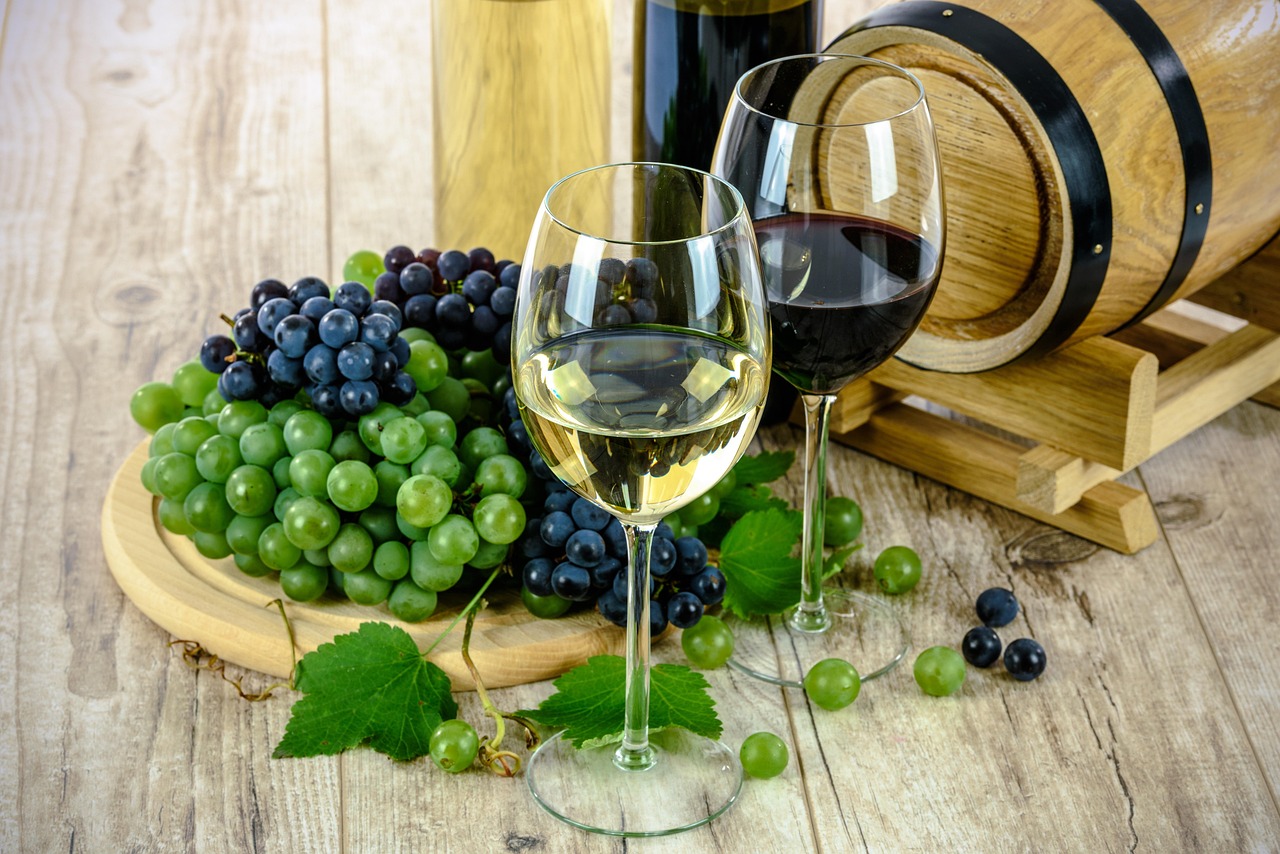
Cellar masters often rely on strict wine fermentation temperature control to preserve the delicate floral notes contributed by white grapes.
Serving, Storage, and Food Pairing Principles
Optimal Serving Temperatures and Decanting
Co-fermented red wines are best served slightly below typical room temperature, ideally between 60 and 65 degrees Fahrenheit. This slight chill highlights the wine’s lifted aromatics and refreshing natural acidity.
Decanting for 30 to 60 minutes before serving allows trapped reduction aromas to dissipate and encourages the delicate floral notes of the Viognier to emerge from the heavier background of dark fruit and spice.
Long-Term Cellar Storage Guidelines
Proper storage is essential for allowing complex structural wines to evolve favorably. Bottles should be kept in a dark environment with stable temperatures around 55 degrees Fahrenheit and moderate humidity.
Due to the robust phenolic content from the Syrah skins and the natural antioxidant properties derived during co-fermentation, these wines often possess significant aging potential, developing tertiary notes of leather, earth, and dried fruit over several years.
Complementary Culinary Pairings
The unique balance of savory meatiness and bright floral aromatics makes these wines versatile partners at the dining table. They pair exceptionally well with roasted lamb, game meats, and dishes featuring aromatic herbs like rosemary and thyme.
The textural weight of the wine also cuts through rich proteins and fats, while the lifted acidity bridges disparate flavor components in complex roasted vegetable dishes or mushroom-based preparations.
When enjoying this unique northern Rhône style at home, understanding how to serve syrah wine properly enhances the aromatic experience.
Frequently Asked Questions
What is the main purpose of adding Viognier to Syrah?
The primary purpose is to modify the sensory profile and chemical stability of the red wine. Viognier introduces vibrant floral aromas, softens dense tannins, and enhances color intensity through natural copigmentation mechanisms, resulting in a more complex and aromatic final product.
Does co-fermentation mean crushing both grapes together at harvest?
Yes, true co-fermentation requires that the solid and liquid components of both grape varieties are placed into the exact same fermentation vessel simultaneously. This allows natural yeasts and compounds to interact throughout the entire fermentation cycle rather than being blended later.
How does co-fermentation affect the color stability of Syrah?
Viognier contains specific phenolic compounds that act as co-factors for anthocyanins found in Syrah skins. This molecular partnership, known as copigmentation, stabilizes the pigment molecules and helps the wine maintain a vibrant, deep color hue during aging.
Can any white grape be co-fermented with red varieties?
While historically traditions focused on specific regional pairings like Syrah and Viognier, winemakers experiment with other combinations. However, varieties high in aromatic terpenes and specific phenolics yield the most distinct stylistic modifications in finished red wines.
What flavor profiles distinguish a co-fermented wine from a blended one?
Co-fermented wines often display a more seamless integration of aromatic and structural elements. The flavors merge into a unified profile where floral notes weave directly into the core dark fruit and spice characteristics rather than tasting like separate components.
Is co-fermentation practiced outside of the Rhône Valley?
Yes, winemakers worldwide in regions such as Australia, the United States, and South America utilize co-fermentation techniques. Producers in cool-climate and warm-climate areas alike adopt the method to add aromatic complexity and structural refinement to their red wines.