Independent educational guides provide structured frameworks for exploring major red wine varieties such as Sangiovese, Merlot, and Cabernet Sauvignon. By focusing on fundamental viticulture, winemaking choices, and sensory analysis, enthusiasts can better understand the distinct profiles of these classic grapes.
This educational resource examines the agricultural origins, stylistic variations, serving parameters, and culinary pairing principles associated with these varieties. The objective is to offer clear, neutral information without commercial bias or unverified claims.
Viticultural Foundations and Grape Characteristics
Sangiovese: Profile and Regional Expression
Sangiovese is a prominent red grape variety known for its bright acidity, savory herbal notes, and red fruit characteristics like cherry and plum. It features naturally high acidity and moderate to high tannins.
In various growing regions, Sangiovese adapts to local soils and microclimates, producing styles that range from lean and earthy to rich and structured. Winemakers often manage canopy growth carefully to ensure optimal sun exposure.
Merlot: Characteristics and Texture
Merlot is celebrated for its plush texture, softer tannins, and prominent dark fruit flavors including black cherry, blackberry, and plum. It often displays a rounder mouthfeel compared to more angular varieties.
The grape thrives in diverse clay and limestone soils, developing secondary characteristics like cocoa, vanilla, and subtle spice when aged in oak barrels. Its approachable structure makes it widely cultivated globally.
Cabernet Sauvignon: Structure and Development
Cabernet Sauvignon is recognized for its thick skins, deep color, firm tannins, and prominent structural backbone. Common flavor descriptors include blackcurrant, cedar, graphite, and herbal notes like bell pepper.
Because of its high tannin levels, the variety possesses significant aging potential. Over time, the aggressive tannins polymerize, leading to a smoother texture and complex secondary aromatic development.
Viticultural Factors Influencing Flavor
Climate, soil composition, and vineyard management practices directly impact grape maturation. Cooler climates typically preserve acidity and fresh fruit, while warmer climates encourage higher sugar levels and riper fruit profiles.
Pruning techniques, irrigation control, and harvest timing allow growers to balance yields and concentrate flavors within the grape clusters, establishing the baseline quality for subsequent winemaking steps.
When evaluating complex field crops, understanding a classic cabernet sauvignon merlot franc blend profile helps clarify structural similarities.
Winemaking Techniques and Style Variations
Fermentation Vessels and Extraction Methods
Winemakers utilize stainless steel tanks, concrete vats, and oak barrels for primary alcoholic fermentation. Each vessel imparts different thermal dynamics and oxygen exposure levels during the process.
Extraction techniques, such as pump-overs and punch-downs, dictate how much color, flavor, and tannin are transferred from the grape skins and seeds into the fermenting juice, shaping the wine’s final body.
The Role of Oak Aging in Red Wines
Oak aging introduces controlled micro-oxygenation, which softens tannins and helps integrate structural components. Barrel selection involves decisions regarding wood origin, stave thickness, and toasting levels.
While new oak contributes prominent vanilla, spice, and toast aromas, neutral oak allows the pure varietal characteristics of grapes like Sangiovese, Merlot, and Cabernet Sauvignon to remain unmasked.
Blending Philosophy and Varietal Interaction
Blending involves combining different grape varieties, vineyard parcels, or vintage lots to achieve structural balance, complexity, and consistency. Bordeaux-style blends frequently combine Cabernet Sauvignon and Merlot.
In other regions, such as parts of Italy, Sangiovese may be blended with small proportions of complementary varieties to adjust acidity, enhance color depth, or soften the overall palate profile.
Bottling and Closure Considerations
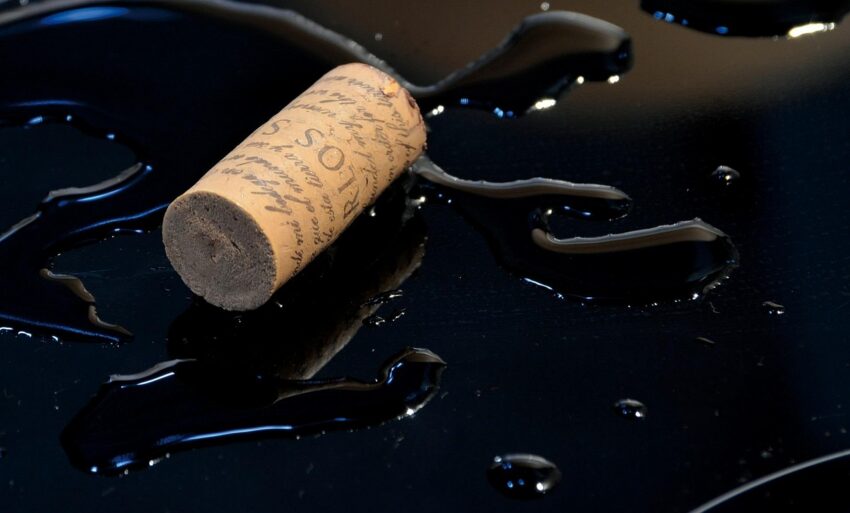
The final stage of production involves clarification, stabilization, and bottling. Winemakers choose closures such as natural cork, synthetic alternatives, or screw caps based on oxygen management goals.
Each closure type interacts differently with the bottled wine over time, influencing the rate of reduction or maturation once the product leaves the winery cellar environment.
In regions outside Italy, winemakers frequently experiment with a cabernet shiraz merlot blend to achieve balanced complexity.
Systematic Wine Tasting Methodology
Evaluating Appearance and Color Depth
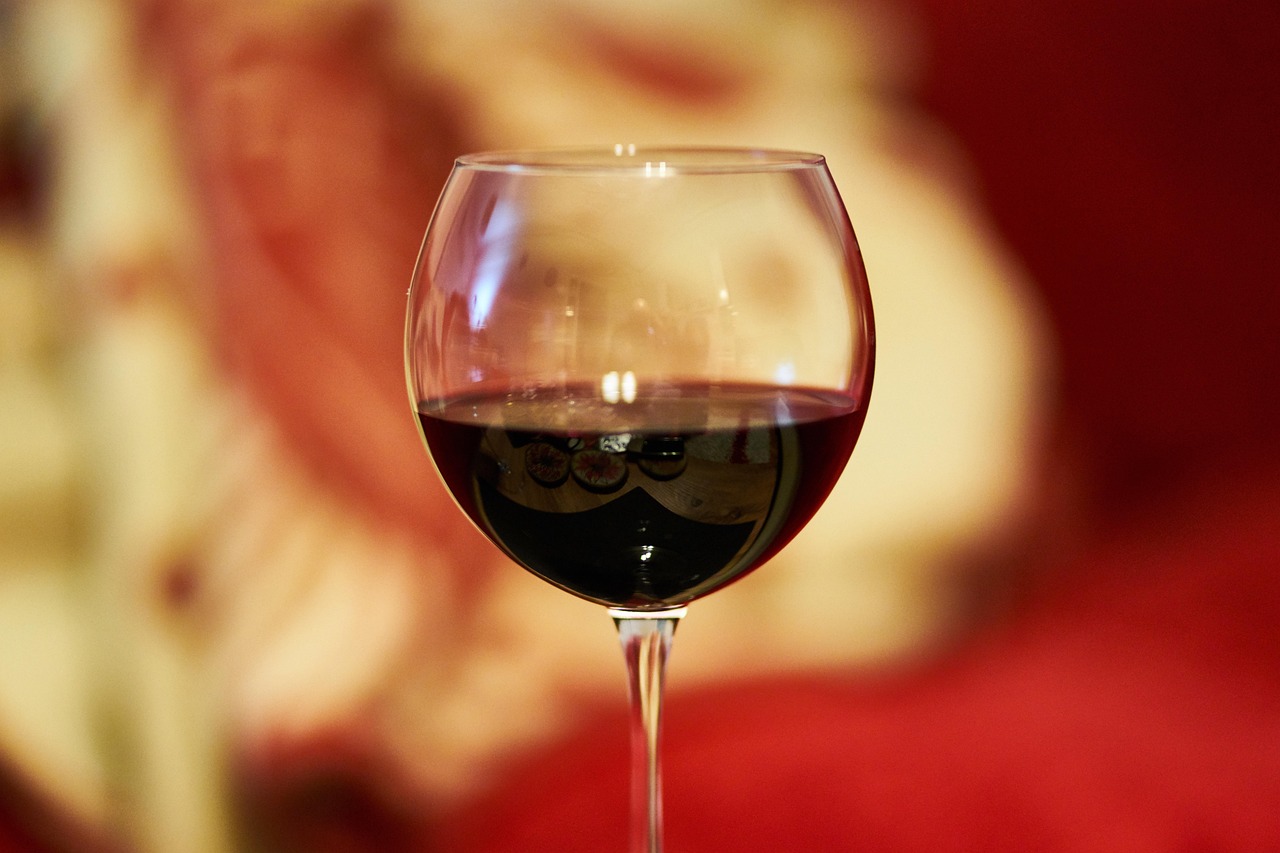
Systematic tasting begins with visual inspection against a white background. Observers note color intensity, hue variations, and clarity to infer age, grape variety, and potential winemaking methods.
Red wines often shift from ruby or purple hues in youth toward garnet, brick, or tawny edges as they age, reflecting chemical changes in pigment structures over extended bottle maturation.
Identifying Primary and Secondary Aromas
Swirling the glass increases surface area, releasing volatile compounds that form the wine’s aromatic profile. Tasters categorize aromas into primary fruit, secondary fermentation, and tertiary aging notes.
Common identifiers for red wines include red and black fruits, floral nuances, herbaceous accents, and spice characteristics derived from oak maturation or bottle evolution over time.
Analyzing Structure on the Palate
The palate evaluation assesses sweetness, acidity, tannin presence, alcohol level, and overall body. Acidity is perceived as mouthwatering tartness, while tannins create a drying sensation on the gums.
Balance is achieved when alcohol, acidity, and tannin levels harmonize without any single element overpowering the overall tasting experience or leaving an unpleasant structural imbalance.
Drawing Analytical Conclusions
The final step involves synthesizing observations regarding complexity, finish length, and overall quality potential. Evaluators determine whether a wine is balanced, expressive, and typical of its origin.
This structured approach moves beyond simple personal preference, encouraging an objective assessment of structural components and stylistic execution across different red wine categories.
Serving Protocols and Storage Architecture
Optimal Serving Temperatures for Full-Bodied Reds
Serving temperature significantly influences aromatic volatility and tannin perception. Full-bodied reds like Cabernet Sauvignon are best enjoyed slightly below traditional room temperature, around 60 to 65 degrees Fahrenheit.
Serving red wines too warm accentuates alcohol heat, while excessively cold temperatures mute delicate aromatics and make tannins feel overly harsh and astringent on the palate.
Glassware Selection and Aeration Needs
Glassware design affects how aromas concentrate and where liquid lands on the tongue. Large, wide-bowled glasses are suited for robust red wines, allowing adequate oxygen contact during tasting.
Decanting provides additional aeration for tightly structured young wines, helping soften assertive tannins and encouraging closed aromatic compounds to open up prior to serving.
Long-Term Storage and Cellar Conditions
Proper long-term storage requires consistent temperature control, ideally maintained around 55 degrees Fahrenheit, alongside moderate humidity levels to prevent cork drying and oxidation.
Minimizing exposure to direct sunlight, vibration, and significant temperature fluctuations helps preserve wine quality, allowing structured varieties to mature gracefully over several years.
Managing Opened Bottles and Preservation
Once a bottle is opened, oxygen exposure begins to degrade fresh fruit flavors within a few days. Re-inserting corks tightly or utilizing vacuum pump systems can slow down the oxidation process.
Storing opened bottles in a cool refrigerator environment further extends their drinkable lifespan by slowing chemical reactions, though consuming them within a reasonable timeframe is recommended.
When managing proper bottle temperatures, enthusiasts often ask whether cabernet sauvignon be chilled before serving matters for flavor.
Culinary Pairing Principles for Red Varieties
Pairing Sangiovese with High-Acid Foods
Sangiovese pairs effectively with high-acid dishes, particularly tomato-based sauces, pasta preparations, and cured meats. The wine’s natural acidity mirrors the food’s profile, preventing the pairing from tasting flat.
The savory herbal notes in Sangiovese also complement roasted vegetables and herb-seasoned poultry, creating a harmonious balance between the food’s savory elements and the wine’s structural framework.
Matching Merlot with Protein and Soft Textures
Merlot features softer tannins and lush fruit characteristics, making it versatile for pairing with roasted poultry, pork tenderloin, and moderately spiced dishes without overwhelming delicate flavors.
The plush texture of Merlot complements protein dishes well, bridging the gap between lighter white meats and heavier red meat preparations through balanced weight and approachable mouthfeel.
Balancing Cabernet Sauvignon Tannins with Fat
Cabernet Sauvignon possesses high tannin levels that bind with dietary proteins and fats. This chemical interaction softens the perceived astringency of the wine while cutting through rich cuts of meat.
Classic pairings include prime rib, grilled steak, and aged hard cheeses, where the fat content coats the palate and allows the wine’s firm structure and deep fruit profile to shine.
General Principles of Complex Food and Wine Pairing
Successful food and wine pairing relies on balancing weight, intensity, and flavor components. Heavier wines generally require robust, rich dishes, while lighter styles suit delicate culinary creations.
Understanding how elements like salt, acid, fat, and sweetness interact with wine structure ensures more predictable and enjoyable dining experiences across various regional cuisines.
Frequently Asked Questions
What is the primary difference between Sangiovese and Cabernet Sauvignon?
Sangiovese is characterized by high acidity, savory herbal notes, and bright red fruit flavors with moderate to high tannins. In contrast, Cabernet Sauvignon features thicker skins, deeper color pigmentation, firmer structural tannins, and prominent blackcurrant and cedar characteristics. While both can age, Cabernet Sauvignon typically yields a heavier body and more pronounced structural backbone.
How does Merlot differ in texture compared to Cabernet Sauvignon?
Merlot generally offers a softer, rounder, and more plush mouthfeel with lower tannin astringency than Cabernet Sauvignon. This makes Merlot approachable at an earlier stage in its development. Cabernet Sauvignon exhibits a more angular, firm structure that often requires time or food interaction to soften its drying impact on the palate.
Why are some red wines blended rather than bottled as single varietals?
Winemakers blend different grape varieties to achieve structural balance, enhance aromatic complexity, and maintain consistent style profiles across different harvest years. Blending allows producers to compensate for a grape’s shortcomings by introducing another variety that contributes complementary acidity, color depth, or tannin structure.
What role does oak aging play in shaping red wine styles?
Oak aging exposes wine to controlled levels of micro-oxygenation, which helps polymerize tannins and soften the overall texture on the palate. Depending on whether new or neutral oak is used, barrels can also impart secondary aromas such as vanilla, spice, toast, and cedar, adding layers of complexity to the finished product.
How does wine temperature affect the perception of flavor and tannin?
Serving temperature directly impacts aromatic volatility and structural perception. Warmer temperatures amplify alcohol evaporation and can make a wine taste heavy or hot, while colder temperatures suppress aromas and make tannins feel uncomfortably harsh, astringent, and tight on the palate during tasting.
What are the basic steps of a systematic wine evaluation?
Systematic wine evaluation involves a structured approach consisting of visual, olfactory, and palate assessments. Tasters first examine color intensity and clarity, then swirl the glass to identify primary and secondary aromas, and finally evaluate structural elements such as acidity, tannin, alcohol, and finish length.