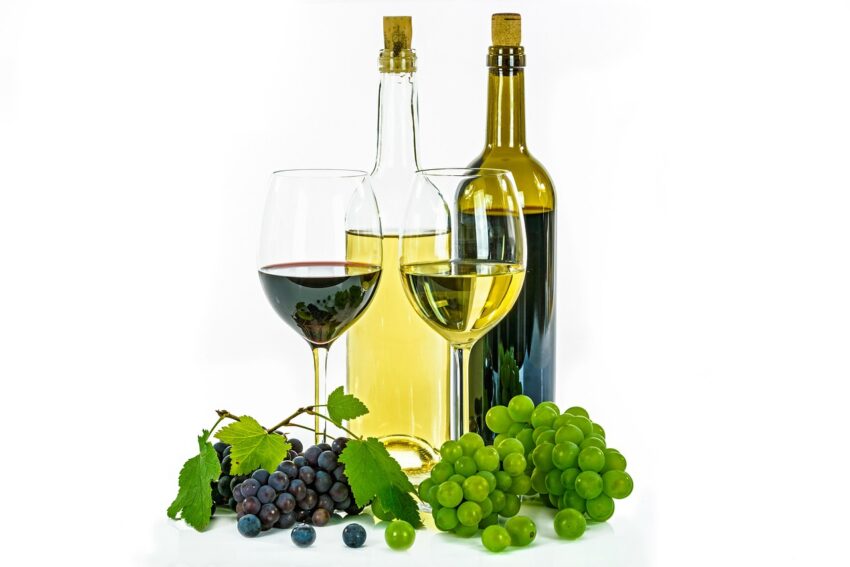
Finding a red wine similar to Malbec involves looking for bottles that offer bold dark fruit flavors, moderate acidity, and velvety tannins. Malbec is celebrated for its lush profile of blackberry, plum, and cocoa, making it a favorite for lovers of full-bodied reds.
While Argentina popularized the modern fruit-forward style of Malbec, many other grape varieties and wine regions produce comparable structural profiles. Exploring these alternatives broadens tasting experiences without straying far from familiar flavor markers.
Whether looking for European classics or lesser-known South American grapes, several options deliver the plush texture and rich aromatics that define a satisfying glass of Malbec.
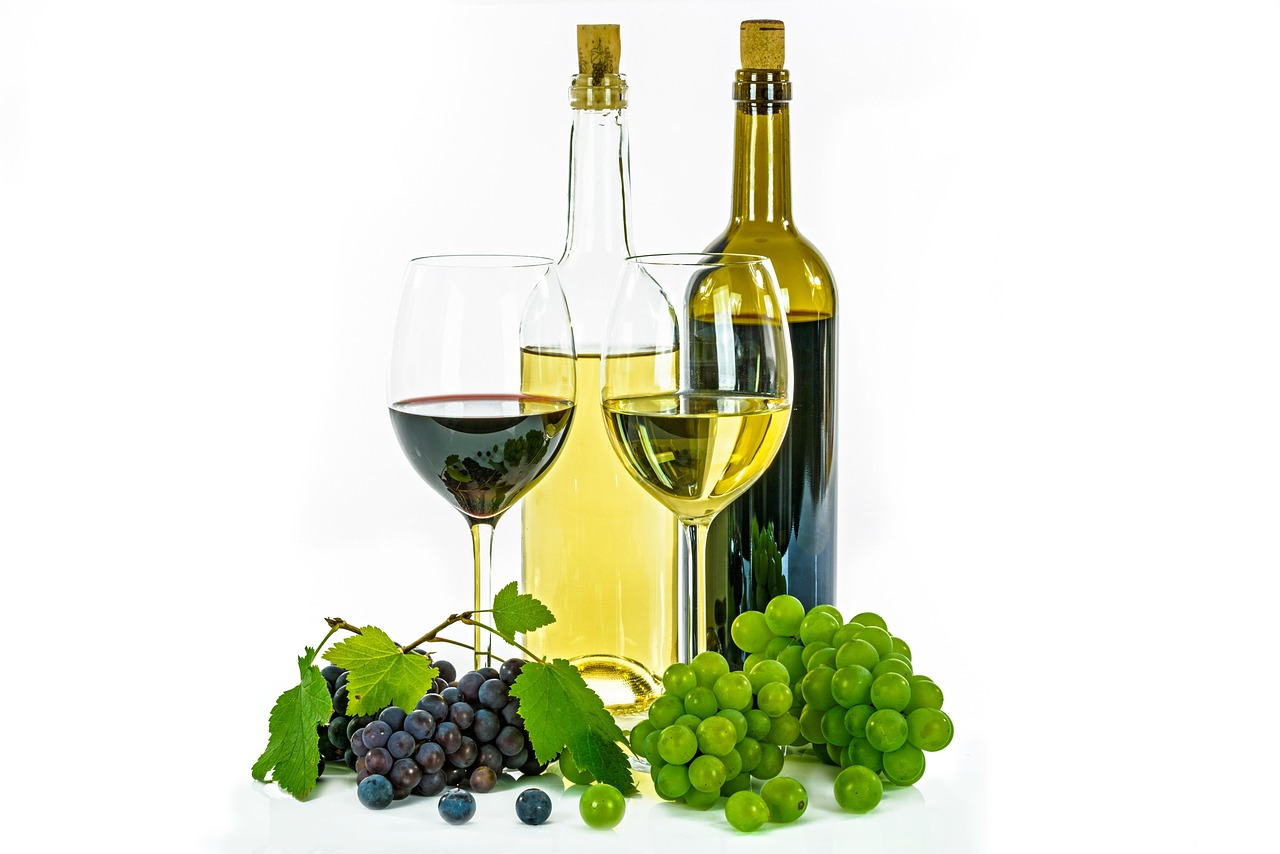
Structural Profiles Shared With Malbec
Bold Tannin Structures
Malbec is widely recognized for a smooth, plush tannin profile that feels velvety on the palate rather than aggressively astringent or drying. Finding a similar wine means seeking out alternative grape varieties that offer generous, round structural elements without excessive bitterness during tasting.
Traditional winemaking techniques like barrel aging and controlled oxygen exposure also influence how these tannins integrate into the final liquid. Recognizing these structural similarities helps drinkers identify alternative bottles that deliver a comparable mouthfeel and balanced finish across different regional styles.
Deep Color Extraction and Skin Phenolics
The dark purple color of Malbec comes from thick grape skins rich in phenolic compounds that impart intense pigmentation and flavor depth. Alternative wines that share this characteristic often undergo similar maceration processes to extract maximum color and structural substance from the fruit.
This intense pigment typically correlates with concentration in the glass, offering concentrated notes of dark berries and plums. Appreciating this phenolic extraction helps wine enthusiasts select bottles capable of matching the visual and flavor density of classic Malbec.
Moderate to High Alcohol Levels
Warm climate viticulture allows Malbec grapes to achieve high sugar levels, which translates into moderate to elevated alcohol by volume in the finished wine. This characteristic contributes to a perceived sense of warmth and body that enhances the rich texture of the beverage.
When searching for comparable options, checking alcohol percentages provides a reliable indicator of potential weight and richness. Wines featuring similar alcohol parameters often deliver the same comforting warmth and broad mouthfeel that fans of robust red wines typically enjoy.
For related wine guidance, see french wine similar to cabernet sauvignon.
Alternative Varieties Grown in South America
Argentine Bonarda Characteristics
Bonarda—historically known as Douce Noir in Savoie and Corbeau in other regions—is Argentina’s second most widely planted red variety after Malbec. It typically displays ripe black cherry, plum, and subtle herbal notes accompanied by gentle tannins and juicy acidity, making it an exceptionally smooth alternative for everyday pouring.
Although it differs slightly in its primary fruit expression, Bonarda provides a juicy freshness that appeals to those who appreciate approachable South American reds. Its capacity for versatile food pairing makes it a natural transition for Malbec enthusiasts.
Tannat in South American Terroirs
Originally from Madiran in southwestern France, Tannat has flourished across South America, notably becoming the signature grape of Uruguay alongside high-altitude plantings in Argentina. It delivers a deeply structured profile that shares Malbec’s dark fruit core of blackberry and plum, while introducing a firmer tannic backbone, refreshing natural acidity, and substantial aging potential.
For drinkers seeking a bolder experience than standard Malbec, Tannat delivers intense concentration and rustic charm. Proper decanting helps soften its robust nature, revealing complex layers of dark berries, espresso, and baking spices over time.
Cabernet Franc Adaptations in Mendoza
Mendoza terroir has proven exceptionally hospitable to Cabernet Franc, producing expressions that blend herbal complexity with ripe fruit richness. While Cabernet Franc naturally highlights bell pepper and graphite notes, South American sunshine coaxes out a plushness reminiscent of Malbec.
This regional expression balances savory green elements with lush blackberry fruit and structured tannins. Wine enthusiasts exploring this varietal find a sophisticated bridge between Old World elegance and New World fruit concentration.
For related wine guidance, see spanish wine similar to pinot grigio.
European Counterparts With Comparable Weight
Cahors Traditional French Malbec Styles
Cahors in southwest France represents the historical home of the grape, yielding wines that differ significantly from modern Argentine versions. These European expressions tend to feature rustic earthiness, firmer tannins, and more restrained fruit profiles alongside savory mineral notes.
Exploring Cahors offers insight into how cooler climates and limestone soils shape the fundamental nature of the grape. These traditional bottles provide a structured, food-friendly alternative for drinkers interested in historical wine regions.
Northern Spanish Tempranillo and Garnacha Blends
Certain red blends from northern Spain combine Tempranillo and Garnacha to create full-bodied experiences with rich dark fruit and spice. The aging influence of American and French oak barrels imparts vanilla and coconut notes that complement ripe berry characteristics.
These Spanish wines share the approachable warmth and generous fruit profile that make Malbec universally appealing. Their balanced acidity ensures they remain refreshing alongside hearty meals without feeling overly heavy or tiring.
Southern Italian Nero d’Avola and Primitivo
Southern Italy produces warm-climate reds like Sicily’s Nero d’Avola and Puglia’s Primitivo that showcase generous dark fruit and sweet spice aromas. Nero d’Avola provides rich black cherry, plum, and subtle licorice notes paired with moderate acidity and rounded tannins that mirror the approachable texture of Argentine Malbec.
Primitivo brings jammy fruit concentration and a velvety mouthfeel that appeals directly to fans of opulent red wines. Both grapes showcase the vibrant potential of Mediterranean viticulture for delivering bold, satisfying flavor profiles.
For related wine guidance, see similar to pinot noir.
Food Pairing Parallels for Malbec Alternatives
Matching Bold Reds With Grilled Beef
Bold red wines share a natural affinity for grilled beef dishes due to their protein-softening tannins and concentrated fruit flavors. The char from open-flame cooking interacts favorably with the structural elements found in both Malbec and its regional alternatives.
This classic pairing dynamic relies on the wine cutting through rich fats while enhancing the savory umami of the meat. Selecting alternative robust reds ensures the dining experience maintains this harmonious balance of texture and flavor.
Pairing Tannic Wines With Hard Cheeses
Aged hard cheeses like aged cheddar, Manchego, or Parmigiano-Reggiano provide sufficient fat and protein to temper firm wine tannins. The saltiness in these cheeses interacts with the fruit components of robust reds, creating a rounded and pleasing sensation.
Exploring pairings beyond Malbec allows cheese lovers to experiment with different regional styles of full-bodied reds. Each alternative grape brings subtle variations in acidity and earthiness that transform the cheese tasting experience.
Balancing Earthy Flavors in Mushroom Dishes
Mushroom-centric dishes highlight the earthy and savory dimensions present in many alternative full-bodied red wines. Whether prepared as a rich risotto or a roasted main course, mushrooms complement the secondary aromas found in aged bottles.
This combination proves that robust red wines extend beyond simple meat pairings into complex vegetarian cooking. The shared savory qualities create an integrated dining experience grounded in balanced culinary principles.
Frequently Asked Questions
Which grape variety tastes most like Malbec?
Bonarda and Merlot often share the closest flavor proximity to Malbec due to their plush textures and dark fruit profiles. Merlot offers a similar softness and plummy character, whereas Bonarda provides a juicy South American fruit expression.
Other options like certain warm-climate Cabernet Francs or Syrah selections also deliver overlapping structural qualities. Tasting through these varieties allows individuals to pinpoint which specific nuance of Malbec they enjoy most.
Are Old World Malbec styles very different from New World versions?
Old World styles, particularly from Cahors in France, typically exhibit more rustic tannins, higher acidity, and savory earth notes. New World versions from Argentina emphasize lush fruit ripeness, softer mouthfeels, and prominent oak aging characteristics.
These differences stem from climate variations, soil compositions, and traditional regional winemaking philosophies. Understanding this distinction helps consumers choose between vibrant fruit-driven bottles and more structured, earthy dining companions.
How should alternative full-bodied red wines be served?
Full-bodied red wines are best served slightly below typical room temperature, ideally around 60 to 65 degrees Fahrenheit. This slight chill helps balance the perception of alcohol while allowing complex dark fruit aromas to emerge properly.
Decanting robust alternatives for thirty to sixty minutes before serving allows oxygen contact to help soften youthful tannins and open tight aromatic compounds. Thoughtful temperature control and aeration ensure the bottle displays an inviting balance of fruit expression, refreshing acidity, and polished structural elements.
How do alternative Malbec-like red wines handle long-term bottle aging?
Many full-bodied red wines sharing structural traits with Malbec possess the necessary chemical components for successful long-term bottle aging in a home cellar. High natural tannin levels, deep phenolic extraction, and well-integrated acidity act as reliable structural preservatives, allowing intense dark fruit flavors, earthy undertones, and subtle spice notes to evolve into complex secondary characteristics over years of careful cellaring.
Proper storage conditions—maintaining consistent temperatures near 55 degrees Fahrenheit, stable humidity, and horizontal positioning away from direct light—ensure these alternative bottles mature gracefully without premature oxidation. Conversely, fruit-forward options like Bonarda are generally crafted for earlier enjoyment to highlight their vibrant, juicy freshness rather than extended aging potential.
What role does oak barrel aging play in matching the flavor profile of Malbec?
Oak barrel aging significantly shapes the flavor profile of both Malbec and its alternative grape varieties by introducing subtle vanilla, toast, smoke, and baking spice aromas. This traditional winemaking technique allows controlled micro-oxygenation to occur over months or years, which softens aggressive astringency and harmoniously integrates the natural tannins found in thick-skinned red grapes.
Winemakers choose between French and American oak vessels depending on the desired final style, with French oak providing delicate spice and American oak imparting sweeter coconut or vanilla nuances. When seeking a wine similar in texture to Malbec, evaluating the degree of oak contact helps buyers select bottles featuring the plush, rounded mouthfeel characteristic of premium warm-climate reds.
How does vineyard climate influence the search for a wine similar to Malbec?
Vineyard climate plays a fundamental role in determining whether an alternative grape variety will successfully mimic the lush, full-bodied nature of classic Malbec. Warm climate regions encourage high sugar accumulation during the growing season, which directly translates into elevated alcohol levels, generous physical weight, and ripe dark fruit flavors in the finished bottle without sacrificing structural balance.
Cooler terroir, conversely, promotes higher natural acidity and firmer structural tannins, yielding wines that often display more rustic earthiness and require thoughtful food pairings to balance their profile. Identifying whether an alternative bottle originates from a sun-drenched valley or a high-altitude mountain slope guides drinkers toward either fruit-forward opulence or savory regional elegance.