
Red wine fermentation temperature typically ranges from 20°C to 30°C (68°F to 86°F), serving as a crucial parameter that influences color extraction, tannin structure, and overall flavor profile. Unlike white winemaking, which often prioritizes cooler environments to preserve volatile fruit aromatics, red winemaking utilizes elevated warmth to facilitate physical contact between the fermenting juice and the solid grape skins.
Maintaining precise control over this thermal range allows winemakers to shape the style of the final wine, balancing fruit freshness against deep structural complexity. As yeast metabolizes grape sugars, it generates significant biochemical heat that must be actively monitored and managed to prevent adverse effects on both microbial health and sensory characteristics.
Understanding these thermal dynamics provides foundational insight into commercial and traditional red wine production. Variations in vessel size, ambient cellar climate, and grape variety all dictate how heat accumulates and dissipates throughout the primary fermentation cycle.

Thermal Dynamics in Red Winemaking
Heat Generation During Yeast Metabolism
During alcoholic fermentation, Saccharomyces cerevisiae converts grape sugars into ethanol and carbon dioxide, an exothermic biochemical reaction that naturally releases substantial thermal energy. Without intervention, this internal heat accumulation can rapidly elevate tank temperatures beyond optimal biological thresholds.
Because larger fermentation vessels retain heat more efficiently than smaller containers, commercial wineries employ various cooling mechanisms to counteract this metabolic warmth. Managing the rate of temperature increase ensures that yeast populations remain active and efficient throughout the primary conversion phase.
Managing Cap Management and Thermal Stratification
As carbon dioxide bubbles form and rise, they push grape skins, seeds, and pulp to the surface, forming a dense floating layer known as the cap. This cap frequently traps high concentrations of heat and creates significant thermal stratification within the fermentation vessel.
Techniques such as pump-overs and punch-downs redistribute the trapped heat while simultaneously extracting phenolic compounds from the skins. Circulating the liquid helps equalize internal temperatures, preventing localized overheating that could potentially damage sensitive yeast strains near the top of the tank.
Equipment and Ambient Temperature Controls
Modern wineries utilize specialized equipment like jacketed stainless steel tanks, internal cooling plates, and automated temperature controllers to regulate fermentation warmth. These systems circulate chilled water or glycol through internal channels to maintain precise thermal set points.
In facilities lacking jacketed tanks, operators may rely on ambient cellar air conditioning or portable heat exchangers to cool the fermenting must. Careful calibration of these cooling systems prevents sudden thermal shocks that can prematurely halt yeast activity.
For related wine guidance, see ideal temperature for white wine fermentation.
Temperature Ranges for Varietal Expression
Cooler Fermentations for Lighter Red Styles
Fermenting red wine at cooler temperatures, generally between 18°C and 22°C (64°F to 72°F), is often chosen for delicate grape varieties like Pinot Noir or Gamay. This gentler thermal regime preserves bright, fresh red fruit characteristics and limits aggressive tannin extraction.
Slower metabolic rates at these cooler levels extend the fermentation timeline, allowing subtle aromatic precursors to develop without heavy phenolic extraction. This approach yields lighter-bodied wines defined by vibrant acidity and primary fruit expression rather than dense structural weight.
Moderate Ranges for Balanced Fruit and Structure
Moderate fermentation temperatures ranging from 24°C to 27°C (75°F to 81°F) suit a wide array of medium-bodied red grapes such as Merlot, Sangiovese, and Barbera. This intermediate bracket strikes a reliable balance between fruit preservation and structural depth.
Within this range, color pigments and moderate tannins dissolve efficiently into the liquid without extracting harsh, bitter compounds from the seeds. Winemakers frequently target this middle ground when crafting approachable table wines intended for earlier consumption.
Elevated Temperatures for Extraction in Full-Bodied Wines
Full-bodied red varieties like Cabernet Sauvignon, Syrah, and Nebbiolo may undergo fermentations reaching 28°C to 30°C (82°F to 86°F), with some protocols pushing toward 32°C (90°F) under careful management. These higher temperatures increase the solubility of phenolic compounds in the hydro-alcoholic matrix, accelerating the extraction of deep color pigments and structured tannins from thick grape skins.
While elevated warmth promotes robust extraction and complex savory notes, it requires vigilant oversight to avoid exposing yeast to lethal heat stress. Proper management ensures that intense extraction enhances rather than overwhelms the wine’s balance.
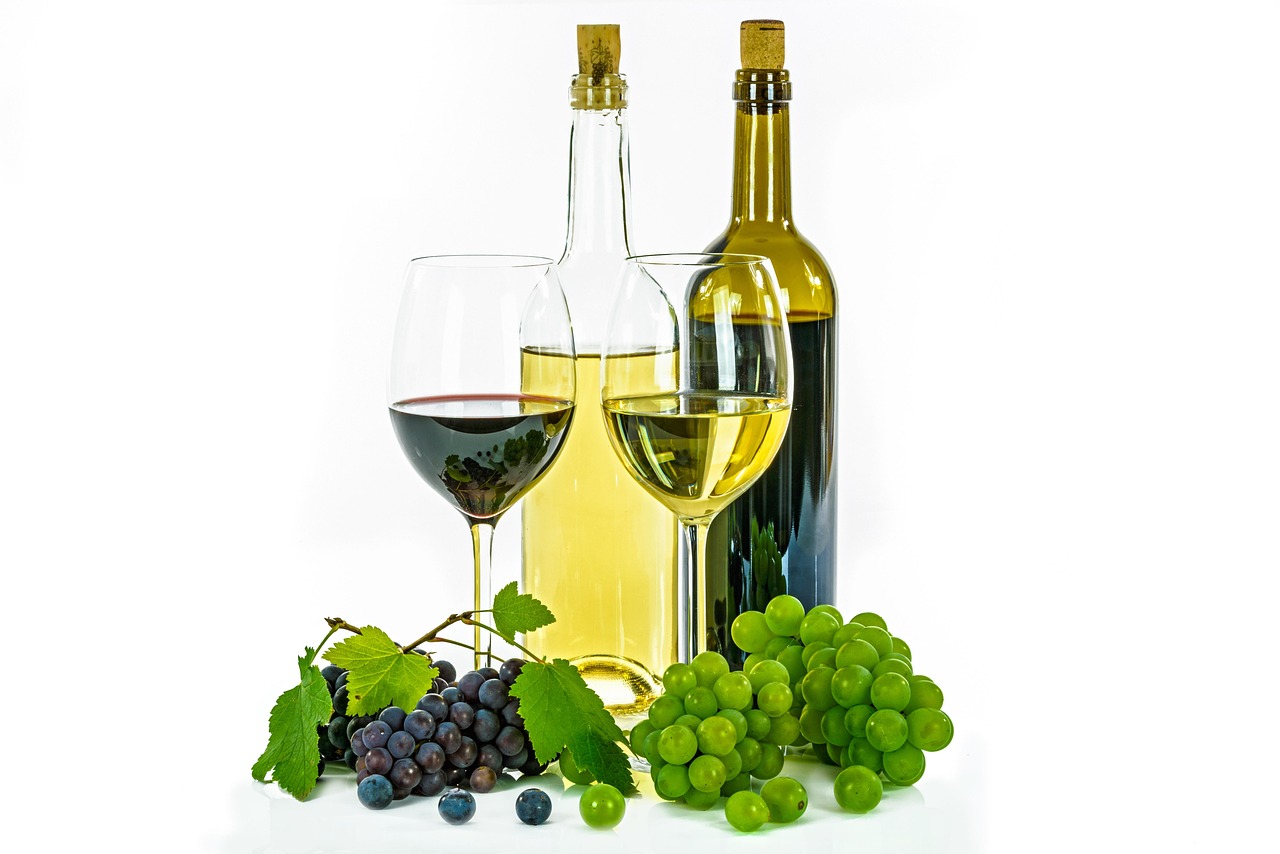
For related wine guidance, see rosé wine fermentation temperature.
Extraction of Phenolics and Tannins
Solubilization Rates of Anthocyanins and Tannins
Temperature directly governs the chemical solubility of anthocyanins, the water-soluble pigments responsible for red wine color, and condensed tannins located in grape skins and seeds. Higher thermal conditions accelerate the rate at which these compounds dissolve into the aqueous and alcoholic matrix.
As ethanol levels increase alongside rising temperatures, the solvent capacity of the liquid changes, facilitating deeper extraction of structural elements. Monitoring this process enables winemakers to target specific color intensities and mouthfeel profiles tailored to individual grape harvests.
Balancing Phenolic Extraction with Unwanted Bitter Compounds
While elevated heat promotes extraction of color pigments and tannins from grape skins, excessive temperatures can also leach harsh, bitter compounds from grape seeds, which tend to contribute more astringent tannins than skin tissue. Winemakers must carefully balance extraction goals against thermal limits to maintain pleasant textural harmony.
If temperatures climb too high, the resulting wine may display aggressive astringency and a lack of balance on the palate. Adjusting thermal parameters downward during the latter stages of maceration helps mitigate the extraction of these undesirable seed tannins.
Post-Fermentation Maceration Thermal Management
Many red winemaking protocols involve an extended maceration period following the completion of active sugar conversion, where the wine remains in contact with the skins. Temperature regulation during this phase shifts from active cooling to maintaining a stable, moderate environment.
Keeping the vessel at a controlled warm level encourages desirable polymerization reactions between tannins and color compounds, softening mouthfeel over time. Unregulated cooling during post-fermentation maceration can disrupt these subtle chemical integrations and alter the finished texture.
For related wine guidance, see temperature for secondary fermentation wine.
Yeast Viability and Fermentation Kinetics
Impact of Heat Stress on Saccharomyces cerevisiae
Yeast cells operate within specific physiological boundaries, and temperatures exceeding 35°C (95°F) induce severe heat shock responses in standard wine strains. This stress can damage cellular membranes, impair nutrient transport, and lead to premature cell death.
When yeast populations decline rapidly due to thermal stress, residual sugars may remain unconsumed, leaving behind a compromised must. Maintaining internal tank temperatures below critical biological limits safeguards microbial health from start to finish.
Managing Stuck or Sluggish Fermentations Thermally
A sluggish or stuck fermentation occurs when yeast activity slows down or stops entirely before all available sugar is converted into alcohol. Thermal fluctuations, particularly sudden drops in temperature, frequently contribute to this problematic winemaking scenario.
Correcting a thermally induced stall often involves gently warming the tank to re-energize surviving yeast populations, or inoculating with specialized heat-tolerant strains. Careful thermal management prevents the economic losses and sensory flaws associated with incomplete fermentations.
Microbiological Stability and Volatile Acidity Risks
Elevated fermentation temperatures can inadvertently create favorable conditions for spoilage bacteria such as Lactobacillus, which can proliferate in warm, nutrient-rich musts and contribute to elevated volatile acidity and off-aromas. Acetobacter is primarily a concern during post-fermentation handling and storage where oxygen exposure occurs, rather than inside an active anaerobic fermentation.
Maintaining hygienic winery practices alongside strict temperature control suppresses the proliferation of these opportunistic microbes. Ensuring a clean, well-regulated fermentation protects the wine’s aromatic purity and structural integrity.

Frequently Asked Questions
What is the typical temperature range used for red wine fermentation?
Red wine fermentation generally occurs between 20°C and 30°C (68°F to 86°F). Lighter styles utilizing delicate grape varieties are typically fermented near the cooler end of this spectrum to preserve fresh fruit aromas.
Conversely, robust, full-bodied reds intended for long-term aging often utilize warmer temperatures toward the upper limit to maximize color extraction and structural tannin development.
How do winemakers cool down a red wine fermentation that is getting too hot?
Winemakers utilize jacketed stainless steel tanks filled with circulating glycol, internal cooling plates, or external heat exchangers to extract excess metabolic heat from fermenting must. These mechanical systems allow precise temperature adjustments throughout the active cycle.
In smaller operations without advanced cooling jackets, cellars may rely on ambient air conditioning, refrigerated plates lowered directly into the vessel, or targeted pump-over routines.
Does a higher fermentation temperature always create a more alcoholic wine?
Fermentation temperature does not directly determine the final alcohol percentage, as alcohol content is fundamentally dictated by the initial sugar concentration present in the harvested grapes. Elevated warmth merely accelerates the metabolic rate of the yeast converting that sugar.
However, excessive temperatures can cause yeast mortality before all sugar is consumed, potentially resulting in an incomplete fermentation with residual sweetness rather than higher alcohol levels.
How do different fermentation vessel materials influence red wine temperature management?
Vessel material significantly impacts thermal inertia and how a fermenting red wine retains or dissipates metabolic heat generated by active yeast cells. Stainless steel tanks equipped with internal glycol jackets provide rapid, precise temperature control, allowing winemakers to immediately counteract exothermic heat spikes. In contrast, traditional concrete or large wooden vats possess natural thermal mass, absorbing internal heat slowly and releasing it gradually into the surrounding cellar environment.
While concrete and wood dampen extreme temperature swings, they lack the instantaneous responsiveness of jacketed metal systems. Winemakers utilizing neutral or porous vessels must rely more heavily on active cap management, ambient cellar climate control, or external heat exchangers to prevent internal temperatures from exceeding safe biological limits for active yeast populations during peak fermentation activity and prevent sluggish sugar conversions.
Why do red wine fermentations typically run warmer than white wine fermentations?
Red winemaking requires warmer temperatures primarily to facilitate physical skin contact and extract essential phenolic compounds, including anthocyanin color pigments and structural tannins. Because red wines undergo active maceration with solid grape skins and seeds, elevated warmth acts as a solvent accelerator, allowing these desirable structural elements to effectively dissolve into the fermenting liquid matrix under standard vinification conditions.
Conversely, white winemaking usually omits solid skin contact entirely, prioritizing the preservation of delicate, volatile fruit aromatics that can easily degrade under elevated heat. Cool fermentation parameters for whites protect fresh floral and fruity notes by slowing down yeast metabolism, whereas red winemaking utilizes higher thermal ranges to achieve necessary phenolic extraction, deep color stability, and balanced structural depth on the finished wine palate.