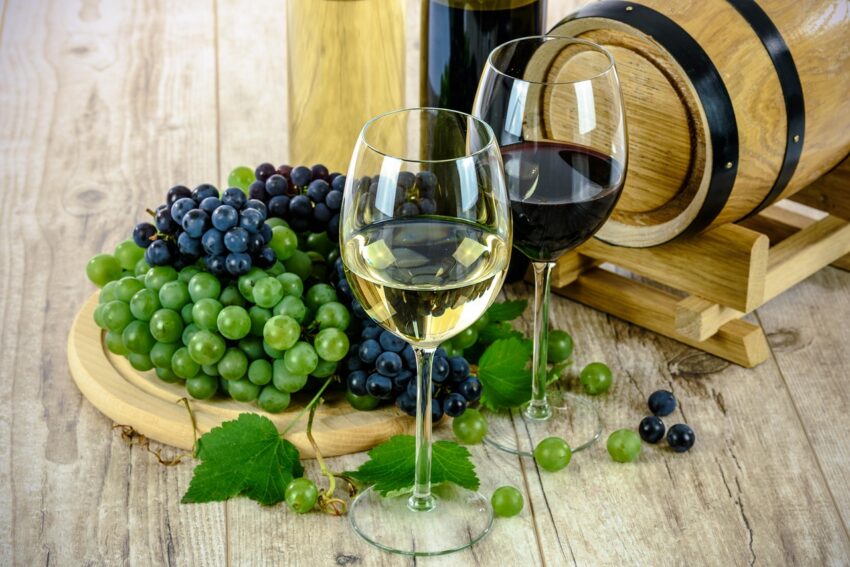
Pinot Grigio is widely known as a dry, crisp white wine rather than a sweet one. Most commercial styles emphasize high acidity, neutral fruit flavors, and a clean finish with virtually no residual sugar.
While the grape itself is naturally versatile and can occasionally produce off-dry or dessert styles, standard bottles found on store shelves skew firmly toward the bone-dry end of the spectrum.
Understanding regional production methods helps clarify why specific bottles might taste fruitier or rounder, even when the underlying residual sugar content remains very low across standard global markets.
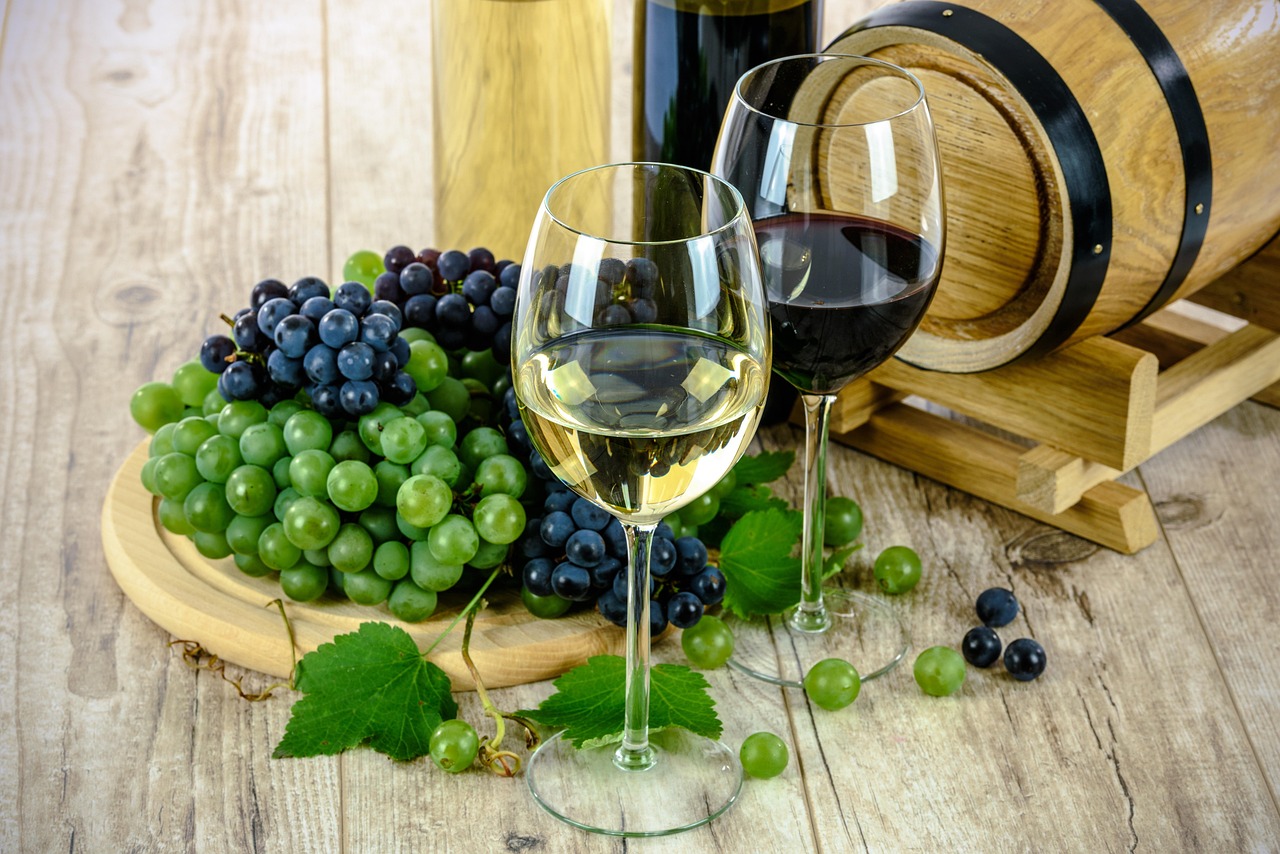
The Flavor Profile of Pinot Grigio
Dryness as the Global Standard
Most commercial Pinot Grigio is fermented to complete dryness, meaning yeasts consume nearly all natural grape sugars. This process leaves little to no residual sugar in the finished bottle.
Consequently, the primary taste sensations rely on natural acidity and structural minerality rather than sweetness, defining the traditional profile of this popular white wine variety.
Minimal Residual Sugar Levels
Residual sugar refers to the natural grape sugars left unfermented after the winemaking process concludes. In standard Pinot Grigio, these levels remain exceptionally low, usually under strict grams per liter limits.
This minimal sugar presence allows natural grape acidity to lead the palate rather than sugary weight, reinforcing the characteristic refreshing nature of the classic wine style.
Perceived Fruitiness Versus True Sugar
Tasters sometimes confuse ripe fruit aromas with actual sweetness when evaluating white wines. Notes of green apple, lemon, and white peach can trick the senses into expecting a sugary flavor.
However, these aromatic descriptors reflect fruit character rather than residual sugar, meaning the wine remains structurally dry despite vibrant fruit notes on the nose and palate.
For related wine guidance, see malbec is it sweet.
Winemaking Styles and Regional Variations
Italian Expressions of Crisp Acidity
Northern Italy establishes the benchmark for classic Pinot Grigio production methods. Cool climate zones preserve high malic acid levels, generating sharp, refreshing, and entirely dry table wines.
Wineries in these regions prioritize stainless steel fermentation to maintain primary fruit purity, avoiding oak aging that might otherwise introduce heavier textures or sweet vanilla notes.
New World Interpretations and Ripeness
Regions outside Europe often experience warmer growing seasons that encourage higher natural grape ripeness. This climate variation can yield wines with lusher textures and riper tropical fruit flavors.
Even with this increased fruit concentration, winemakers typically ferment the juice dry, ensuring that overall sweetness remains minimal despite the richer mouthfeel and bolder aromatic profile.
Extended Skin Contact Variations
Winemakers occasionally permit extended skin contact during maceration to extract deeper color and phenolic structure from the grapes. This practice yields coppery or pinkish wines known locally as ramato.
While these styles display greater structural complexity and tannin grip, they remain predominantly dry, utilizing phenolic bitterness rather than sugar to balance the overall palate experience.
For related wine guidance, see pinot grigio type of wine.
Serving Temperature and Sensory Perception
The Impact of Chilling on Sugar Perception
Serving temperature directly influences how human taste buds perceive sweetness and acidity in white wine. Thoroughly chilling Pinot Grigio accentuates its sharp acidity while muting subtle fruit flavors.
When served too warm, the alcohol becomes more prominent, and any perceived fruitiness can feel unbalanced, occasionally mimicking a false sense of residual sweetness on the finish.
Glassware Selection for White Wines
The shape of the wine glass affects how aromatics travel to the nose before the first sip. Standard tulip-shaped white wine glasses concentrate volatile compounds efficiently for lighter styles.
Proper glassware concentrates delicate citrus and green fruit aromas while directing the liquid smoothly across the palate. This focused aromatic presentation supports the perception of lively acidity and crisp freshness rather than any residual weight, ensuring an accurate tasting experience.
Letting the Wine Breathe Before Tasting
Allowing a bottle of white wine to sit briefly after opening can alter its aromatic expression significantly. Oxygen interaction opens up closed fruit notes, revealing subtle floral or mineral undertones.
However, excessive aeration can cause delicate aromas to fade quickly, which is why chilling and prompt consumption remain standard practices for preserving crisp freshness in young bottles.
For related wine guidance, see similar to pinot grigio.
Food Pairing Principles for Balanced Dining
Matching Acidity with Seafood Dishes
High acidity makes dry white wines exceptional partners for fresh seafood and shellfish preparations. The natural tartness cuts through rich fats, cleansing the palate between bites effectively.
Because the wine generally lacks noticeable sweetness, it avoids introducing competing sugary notes against delicate flaky fish, shrimp, or raw oysters, offering an adaptable option for many casual or formal meals.
Complementing Creamy Pasta Preparations
Dry white wines can provide an appealing counterweight to rich, cream-based pasta sauces and buttery dishes. The acidity helps cut through dairy fats, preventing the meal from feeling overwhelmingly heavy.
Selecting a bone-dry bottle often serves to keep the pairing refreshing, contrasting the savory richness of the food rather than adding competing sugary elements to the dining experience.
Balancing Light Salads and Herbs
Green salads dressed with vinaigrettes typically pair best with wines featuring matching or elevated acidity to avoid tasting flat. Pinot Grigio bridges herbal notes and sharp dressings smoothly without sweetness interference.
The neutral flavor profile allows fresh garden herbs, citrus dressings, and crisp vegetables to shine, supporting complex culinary ingredients without dominating the overall flavor profile.
Frequently Asked Questions About Sweetness
Is all Pinot Grigio completely dry?
While the vast majority of commercial Pinot Grigio is produced in a dry style, exceptions certainly exist in the global marketplace. Producers in certain microclimates occasionally harvest late to craft off-dry styles.
Reviewing the back label or looking for technical tasting notes helps identify whether a specific bottle contains noticeable residual sugar, as label terminology varies widely across international wine regions.
What is the difference between Pinot Grigio and Pinot Gris?
Pinot Grigio and Pinot Gris are actually the exact same grape variety, originating from Burgundy before spreading globally. The distinct names usually indicate different regional winemaking styles.
Italian Pinot Grigio typically emphasizes lean, crisp, bone-dry characteristics, whereas French Pinot Gris from Alsace can yield richer, fuller-bodied, and sometimes noticeably off-dry or sweet dessert expressions.
Does Pinot Grigio have added sugar?
Standard commercial table wine does not contain granulated sugar added post-fermentation in regulated production regions. Any remaining sweetness comes entirely from unfermented natural grape sugars.
Winemakers carefully monitor sugar levels during production to match specific regional standards and style guidelines, ensuring consistency across standard commercial wine brands found globally.
Can bottle aging change whether Pinot Grigio tastes sweet?
Standard commercial Pinot Grigio is crafted for youthful consumption and rarely improves significantly with extended bottle age. Because these white wines generally lack the elevated structural components required for long-term cellaring, holding onto standard bottles for many years causes fresh primary fruit characteristics to fade rather than evolve into complex sugary notes.
Over time, older bottles may lose their crisp acidic backbone entirely, resulting in a dull or oxidized taste profile rather than an appealing sweet flavor. Proper storage in a cool, dark environment helps preserve the intended dry freshness, helping the wine retain its classic clean finish until it is finally opened for the table.
How do residual sugar levels relate to carbohydrates in a glass?
Residual sugar refers directly to the natural grape sugars left unfermented by yeasts during the winemaking process. In bone-dry white wines, these remaining sugar amounts are virtually negligible, meaning the carbohydrate content derived from residual sweetness is extremely low compared to sweeter wine styles or alternative alcoholic beverages.
When winemakers ferment a batch to dryness, nearly all fermentable sugars transform into alcohol and carbon dioxide. Consequently, standard dry table wines contain very few carbohydrates, aligning with the low residual sugar profile that defines the classic crisp structure of this popular global white variety.
Are there specific label clues that indicate a slightly sweet style?
Navigating wine labels requires attention to specific terminology that hints at potential residual sugar levels before purchasing a bottle. Terms like late harvest or specific regional designations often signal that grapes remained on the vine longer, accumulating higher natural sugars that may translate to an off-dry finish.
Additionally, inspecting the alcohol by volume percentage printed on the label can provide useful context. Lower alcohol levels combined with certain European regional classifications frequently point toward a sweeter profile, whereas higher standard alcohol percentages strongly correlate with complete dryness and robust fermentation completion.
Does higher alcohol content create a false impression of sweetness?
Alcohol warmth plays a significant role in how human taste receptors perceive the overall weight and texture of a white wine. When a bottle features a higher alcohol by volume level, it can generate a perceived sensation of sweetness on the back palate, even when laboratory tests confirm zero residual sugar.
This sensory illusion occurs because alcohol molecules naturally impart a viscous, warming mouthfeel that mimics sugary richness. Tasters frequently mistake this warming tactile sensation for actual residual sweetness, highlighting why balance between alcohol, acidity, and fruit extract remains crucial during the winemaking process.
How do different soil types influence perceived dryness and flavor?
Vineyard soils profoundly impact the chemical composition and aromatic expression of harvested grapes, indirectly shaping how dry a finished wine tastes. Limestone and chalky soils often favor steady acid retention and moderate vine vigor, emphasizing structural dryness and refreshing tartness on the palate during tasting evaluations.
Conversely, clay-heavy or alluvial soils can foster greater vine vigor and nutrient absorption, yielding riper fruit flavors and a slightly rounder mouthfeel. Although the wine is still fermented completely dry, these distinct geological influences alter sensory perceptions, sometimes making the resulting style feel more fruit-forward.
Can decanting a dry white wine alter its structural perception?
Decanting is traditionally reserved for bold red wines, but gently aerating certain white styles can change their aromatic delivery. Exposing a crisp white wine to oxygen helps dissipate closed sulfur compounds and encourages subtle floral or herbal aromas to emerge more clearly from the glass.
However, because standard bottles rely heavily on delicate primary fruit notes and crisp acidity, excessive exposure to oxygen can cause these fleeting characteristics to fade rapidly. Careful, brief aeration can enhance complexity, but chilling the bottle properly remains far more effective for maintaining refreshing dryness.