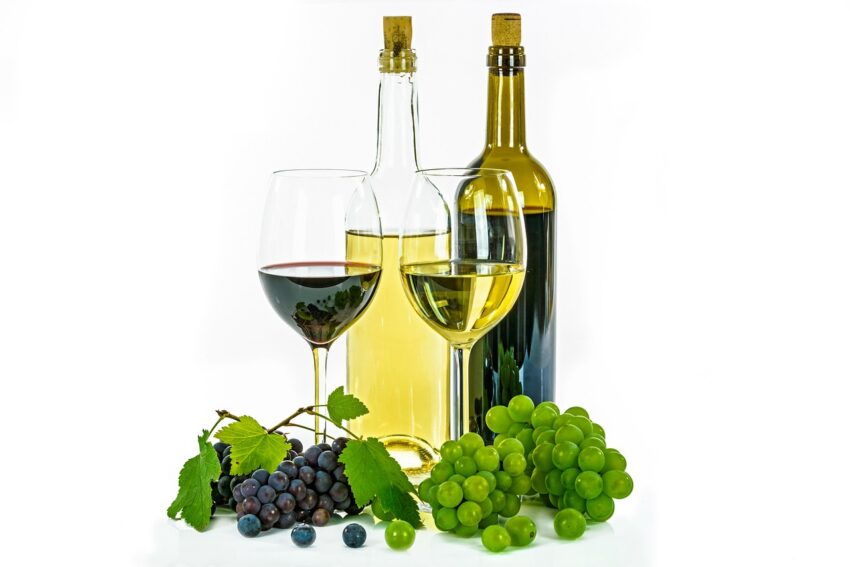
To store an open bottle of Merlot effectively, reseal it tightly with its original cork or a specialized rubber stopper, minimize headspace by transferring it to a smaller vessel if necessary, and place it immediately in a cool, dark environment such as a refrigerator. Because Merlot possesses moderate tannins and prominent fruit characteristics, oxygen interacts with its chemical compounds relatively quickly once the bottle is uncorked. Implementing proper preservation methods slows down this oxidation process, allowing you to maintain the wine’s balanced profile for approximately three to five days after opening.
Understanding the proper handling of open red wine is an essential component of household wine management and sensory appreciation. While light and temperature fluctuations degrade opened wine rapidly, deliberate preservation strategies protect both fruit-forward entry-level bottles and more structured, complex styles. This guide examines the physical mechanisms of oxidation, optimal sealing technologies, environmental storage controls, style-specific longevity, and practical culinary applications for wine that has passed its peak drinking window.
Oxidation Principles and Merlot Characteristics
The Chemistry of Wine Oxidation
Oxidation occurs when ambient oxygen enters an opened wine bottle and reacts with volatile compounds, ethanol, and phenolic structures. This chemical interaction initially softens harsh edges in young wines, but prolonged exposure converts ethanol into acetaldehyde and eventually acetic acid. Managing this exposure is the primary objective when storing any opened bottle.
When Merlot is exposed to air over several days, its signature plum and black cherry aromas begin to fade, replaced by bruised fruit or cardboard notes. Understanding this timeline helps enthusiasts gauge when a bottle is best enjoyed or redirected toward alternative culinary uses.
How Merlot’s Tannin Structure Influences Longevity
Tannins act as natural antioxidants within red wine, providing a protective buffer against rapid chemical degradation. Merlot typically features medium-low to medium levels of tannin, sitting lighter on the structural spectrum than Cabernet Sauvignon or Nebbiolo. This moderate structural profile means Merlot has a predictable, standard preservation window rather than an extended shelf life once opened.
Because the tannin framework is approachable and soft, oxidation becomes noticeable sooner in simpler Merlot styles. Premium selections with higher extraction and subtle oak aging may retain their structural integrity slightly longer, but all standard table Merlots follow a similar decline curve.
Identifying Environmental Catalysts for Spoilage
Heat and light serve as primary catalysts that accelerate the chemical reactions responsible for wine spoilage. When an opened bottle sits on a warm kitchen counter, molecular activity increases, causing volatile compounds to degrade at an accelerated rate. Controlling thermal exposure is just as vital as managing oxygen contact.
Ultraviolet rays also penetrate clear or lightly tinted glass, breaking down organic compounds and imparting off-flavors commonly referred to as lightstruck defects. Keeping opened bottles away from windows and direct lighting preserves the remaining aromatic compounds.
Setting Realistic Timelines for Opened Bottles
A standard bottle of Merlot generally remains palatable for three to five days when stored under proper refrigerated conditions. Beyond this window, chemical oxidation alters the balance of fruit and acidity, shifting the flavor profile toward sourness and bitterness.
Setting realistic expectations prevents disappointment and ensures that each glass poured within that timeframe reflects the winemaker’s intended style. Consuming or repurposing the wine within this optimal window guarantees the best sensory experience.
For related wine guidance, see how to serve merlot wine.
Managing Seal Integrity and Container Options
Reusing the Original Cork Correctly
Reinserting the original cork is the most accessible method for sealing an opened bottle of Merlot, provided it is handled correctly. Reinserting the cork can sometimes be difficult if the natural cork has swelled unevenly upon removal.
However, natural corks do not create an airtight hermetic seal once disturbed, meaning oxygen will continue to seep past the barrier over time. This method is best suited for short-term preservation over a single evening rather than multi-day storage.
Utilizing Silicone Wine Stoppers
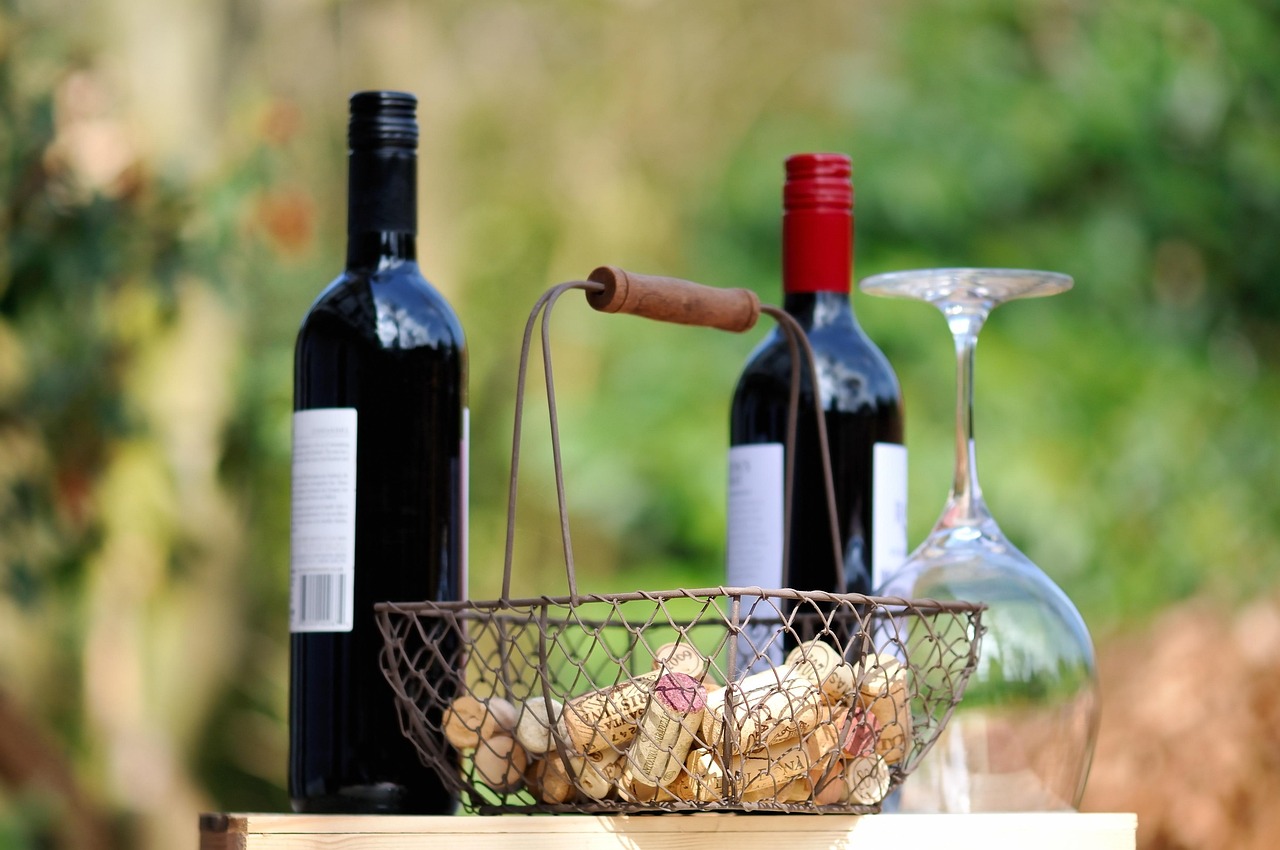
Silicone and rubber stoppers offer a reliable alternative to traditional corks by forming a tight, flexible friction fit against the inner glass of the bottle neck. These reusable stoppers adapt to slight variations in bottle dimensions and create a dependable barrier against dust and insects.
While they do not remove trapped air from the bottle, their superior sealing capability prevents air currents from circulating inside the neck, slowing down passive oxidation compared to a loosely resting cork.
Vacuum Pump Systems and Oxygen Extraction
Vacuum pump systems use a specialized stopper combined with a hand-operated pump to evacuate a portion of the air from the opened bottle. By lowering the oxygen volume inside the headspace, these devices reduce the total amount of gas available to react with the wine.
While vacuum pumps cannot create a complete laboratory-grade vacuum, they measurably extend the drinkability of Merlot by two to three days when executed consistently after every pour.
Decanting into Smaller Glass Vessels
Transferring remaining Merlot into a smaller, clean glass jar or a half-bottle minimizes the headspace where oxygen resides. Because oxidation is directly proportional to the surface area of wine exposed to air, reducing empty space inside the storage vessel is highly effective.
Filling a smaller container to the brim before sealing virtually eliminates trapped oxygen, making this technique one of the most chemically sound methods for preserving leftover red wine.
Temperature Control and Environmental Factors
The Role of Consistent Cool Temperatures
Temperature stability is critical for maintaining the chemical equilibrium of stored wine. Fluctuations cause liquid to expand and contract within the bottle, drawing air past the seal and accelerating oxidation processes.
Keeping an opened bottle in a consistently cool environment slows down molecular motion and microbial activity, effectively preserving the delicate balance of fruit, acid, and remaining tannins in the Merlot.
Avoiding Direct Sunlight and UV Exposure
Direct exposure to sunlight or harsh fluorescent interior lighting generates heat and chemical degradation. Ultraviolet radiation interacts negatively with phenolic compounds, resulting in premature aging and unpleasant cooked aromas.
Storing opened bottles inside a refrigerator door, a dedicated cabinet, or a dark cellar shelf protects the beverage from light-induced degradation and preserves visual clarity.
Minimizing Vibration in Storage Spaces
Constant physical vibration disturbs the sediment and accelerates chemical reactions within liquid solutions. While Merlot rarely throws heavy sediment like older vintage wines, excessive movement disrupts its stability.
Placing storage vessels in stable, low-traffic areas away from heavy appliances like washing machines or compressors ensures the wine remains undisturbed during its preservation period.
Refrigerator vs Dedicated Wine Cooler Environments
Standard household refrigerators maintain temperatures around 37°F to 40°F, which is slightly colder than the ideal serving temperature for red wine but acceptable for short-term storage. Dedicated wine coolers offer more moderate temperature zones.
When using a standard refrigerator, simply remove the Merlot about thirty minutes before serving to allow the wine to warm slightly, restoring its aromatic expression and softening the perceived acidity.
Understanding the Lifespan of Different Merlot Styles
Fruit-Forward Young Merlots
Youthful, un-oaked Merlots emphasize bright red and black fruit notes with minimal structural tannin. These approachable wines are designed for immediate consumption and typically exhibit a shorter post-opening lifespan of roughly two to three days.
Because they lack robust structural components, their fruit characteristics diminish quickly once oxygen is introduced, making prompt consumption or careful vacuum sealing essential.
Oaked and Complex Reserve Merlots
Reserve Merlots that have spent time in oak barrels develop secondary spice notes, toast characteristics, and a sturdier tannin matrix. These complex components provide enhanced resilience against rapid oxidation.
Such bottles can often remain enjoyable for four to five days when properly sealed and refrigerated, as the oak-derived compounds provide an additional layer of structural support.
Cooler Climate vs Warmer Climate Profiles
Cooler-climate Merlots generally feature higher natural acidity and lower alcohol levels, whereas warmer-climate examples display higher alcohol, riper fruit, and softer acidity. Acidity acts as a secondary preservative, helping cool-climate wines maintain structural brightness.
Recognizing these regional style markers helps consumers anticipate how quickly a specific bottle will evolve once opened and exposed to ambient air.
Blended Merlots and Their Unique Needs
Merlot is frequently blended with Cabernet Sauvignon, Cabernet Franc, or Malbec to enhance structure and depth. The presence of these companion grapes alters the overall oxidation rate depending on their proportion in the blend.
Blended wines with high percentages of Cabernet Sauvignon often retain their character slightly longer than 100% varietal bottlings due to increased tannin concentration and structural heft.
When managing different varieties, reviewing foundational guidance regarding storing wine after opening helps establish baseline expectations for your bottles.
Evaluating Quality and Utilizing Leftover Wine
Sensory Indicators of Oxidation
Evaluating an open bottle requires assessing color, aroma, and taste. An oxidized Merlot often exhibits a brownish rim along the meniscus and a loss of vibrant purple or ruby hues in the glass.
Aromas shift from fresh cherries and plums to stewed fruit, prune, or nutty undertones. If the wine tastes flat, hollow, or overly astringent with muted fruit, oxidation has compromised its integrity.
Distinguishing Between Vinegar Conversion and Spoilage
Acetobacter bacteria convert ethanol into acetic acid when exposed to oxygen over extended periods. This transformation results in a sharp, vinegar-like aroma and a stinging sensation on the palate.
While oxidized wine simply tastes tired and flat, vinegar conversion produces distinct chemical acidity. Recognizing this distinction prevents serving unpalatable beverages to guests.
Culinary Applications for Declining Wine
Wine that is slightly past its optimal drinking window for direct consumption remains entirely suitable for cooking. Merlot adds depth, acidity, and rich color to pan sauces, reductions, stews, and braises.
The heat of cooking evaporates volatile off-flavors while concentrating the desirable fruit and structural elements, making culinary use an excellent way to prevent waste.
Freezing Leftover Merlot for Future Cooking
Leftover Merlot can be poured into clean ice cube trays and frozen solid for future culinary projects. Once frozen, the cubes can be transferred to a freezer-safe bag for convenient portioning.
This method preserves the cooking qualities of the wine for months, allowing home cooks to add small amounts of red wine to recipes without opening a fresh bottle.
If you enjoy cooking with fortified varieties as well, learning techniques for storing marsala wine after opening provides additional culinary options.
Frequently Asked Questions
How long does an open bottle of Merlot last in the fridge?
An open bottle of Merlot generally lasts between three and five days when stored in a standard household refrigerator with a secure stopper. Lower temperatures slow down the chemical oxidation process that degrades the wine’s fruit-forward profile. Beyond five days, the aromatic compounds noticeably fade, and the flavor develops flat or sour characteristics that make it less enjoyable for direct drinking, though it may still be suitable for cooking applications.
Can you freeze leftover Merlot for later use?
Yes, leftover Merlot can be frozen successfully for future cooking and baking applications. Pouring the remaining wine into clean silicone ice cube trays allows you to create convenient single-serving portions. Once frozen solid, transfer the cubes into an airtight freezer bag. While freezing alters the delicate volatile compounds needed for table enjoyment, it preserves the structural acids and sugars perfectly for use in future pan sauces, marinades, and slow-cooked braises.
Does putting the original cork back in upside down work better?
Reinserting the original cork upside down is a common and practical technique because the end that expanded inside the bottle neck can be difficult to fit back into the opening. The wider end now faces outward, making manual insertion easier without requiring excessive force. However, a standard natural cork does not create a true airtight seal once removed, meaning oxygen will continue to enter the bottle over time. It is primarily useful for overnight storage rather than long-term preservation.
Is a vacuum pump necessary for storing open Merlot?
A vacuum pump is not strictly necessary, but it serves as a useful tool for extending the freshness of opened Merlot by a couple of days. By extracting a portion of the trapped air from the bottle’s headspace, the pump reduces the total volume of oxygen available to react with the wine. While it cannot create a complete vacuum, this mechanical reduction of ambient oxygen measurably slows down chemical degradation compared to simply resting a cork loosely in the neck.
How do you know when open Merlot has gone bad?
You can identify spoiled Merlot by evaluating its visual appearance, aroma, and taste profile. An oxidized wine often shows a brownish tint around the edges and loses its vibrant ruby color. Aromatically, fresh plum and cherry notes disappear, replaced by stewed fruit, wet cardboard, or nutty aromas. On the palate, spoiled wine tastes flat, hollow, or sharply acidic like vinegar, indicating that bacterial conversion or excessive oxidation has broken down the beverage.
Should full-bodied Merlot be served cold after being in the fridge?
Full-bodied Merlot stored in a refrigerator should be allowed to warm up slightly before serving. The ideal serving temperature for red wine is between 60°F and 65°F, whereas standard refrigerators maintain temperatures below 40°F. Serving Merlot directly ice-cold mutes its complex fruit aromas and accentuates tannin astringency. Removing the bottle from the refrigerator twenty to thirty minutes before pouring restores its balanced texture and enhances the tasting experience.