Fundamentals of Grape Fermentation
The fermentation of grapes for wine is a natural biochemical process where yeast consumes the natural sugars present in grape juice, converting them into ethanol and carbon dioxide. This transformative phase forms the foundation of all winemaking traditions, shaping both the alcohol content and the baseline aromatic profile of the finished beverage.
Understanding this biological conversion allows enthusiasts to appreciate how simple agricultural inputs evolve into complex liquids. By examining yeast activity, temperature controls, and vessel choices, adult learners can gain a clearer perspective on the technical decisions behind diverse wine styles.
Yeast Strains and Inoculation
Yeasts are microscopic single-celled fungi responsible for driving the primary alcoholic conversion. Winemakers typically rely on either ambient yeasts residing naturally on grape skins or cultured strains selected for specific performance characteristics.
Cultured yeast inoculation provides predictable fermentation kinetics, minimizing the risk of stuck fermentations or unwanted bacterial spoilage. Each strain influences aromatic compounds differently, offering subtle nuances to the base wine.
Temperature Regulation During Conversion
Managing thermal energy during yeast activity is critical for preserving volatile aromatics. Excessive heat can stress yeast cells, leading to off-flavors or premature fermentation arrest, while excessively cold environments can halt activity entirely.
Cooler fermentation temperatures are generally favored for white wines to retain delicate fruit and floral notes. Warmer ranges are utilized for reds to facilitate efficient extraction of color and structural compounds from the grape skins.
Primary Sugar-to-Alcohol Mechanics
During primary conversion, hexose sugars such as glucose and fructose are metabolized by yeast enzymes. This biochemical pathway yields roughly equal parts ethanol and carbon dioxide, alongside thermal energy that requires active dissipation.
The progression of this process is monitored by measuring specific gravity or sugar density using hydrometers or refractometers. Once residual sugars drop below defined thresholds, the primary phase is officially considered complete.
The primary biological transformation of alcoholic fermentation in wine converts natural sugars into ethanol.
Red Versus White Fermentation Techniques
The practical execution of fermentation varies significantly depending on whether red or white wine is being produced. These technical variations dictate how much contact the liquid has with grape solids, influencing color extraction and tannin structure.
Mastering these operational distinctions clarifies why certain wines exhibit robust structure while others prioritize crisp, fruit-forward refreshment. Cellar practices must align closely with the desired characteristics of the harvested grape variety.
Skin Contact and Maceration in Reds
Red wine production incorporates grape skins and seeds throughout the primary fermentation phase to extract color, flavor, and tannins. This solid-liquid contact is known as maceration, lasting anywhere from a few days to several weeks.
The duration and intensity of maceration directly dictate the structural backbone and aging potential of the resulting red wine. Winemakers adjust extraction techniques based on grape variety and desired stylistic balance.
Clarification and Juice Extraction in Whites
White wine production typically separates juice from solids prior to active yeast inoculation. Pressing whole clusters or crushed grapes gently yields clear juice, preventing excessive astringency or harsh phenolic extraction.
Settling techniques are then applied to clarify the juice further before fermentation begins. Removing heavy suspended solids ensures a cleaner primary conversion and prevents heavy, vegetal aromas in the final white wine.
Managing Pomace Caps and Punch-Downs
During red wine fermentation, carbon dioxide bubbles push solid grape skins and seeds to the surface, forming a dense floating layer called the cap. Managing this cap is essential to ensure efficient extraction and prevent microbial spoilage.
Cellar workers utilize pump-overs or manual punch-downs to submerge the cap back into the fermenting liquid. This physical action facilitates heat dissipation, oxygen exchange, and consistent color extraction across the entire vessel.
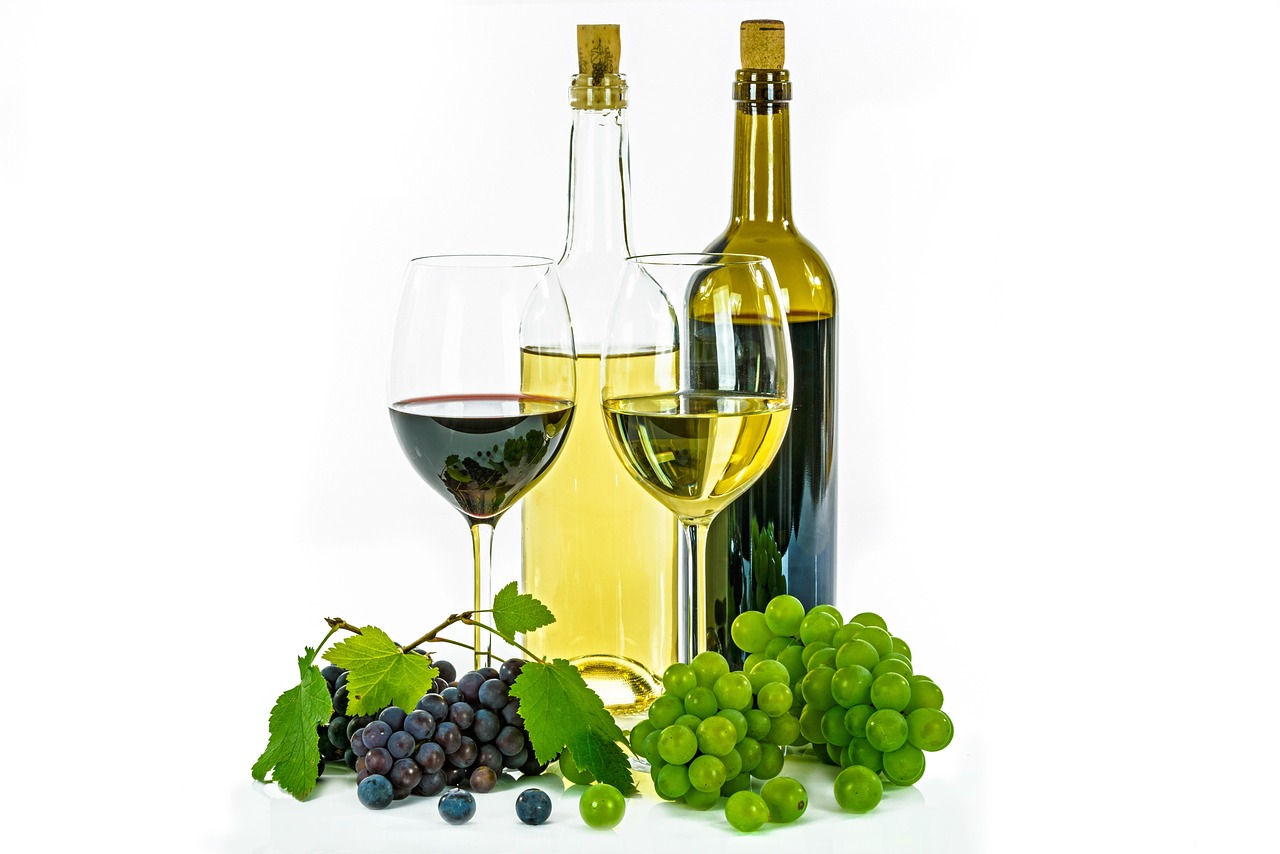
Winemakers often maintain an ideal temperature for white wine fermentation to preserve delicate fruit aromatics.
Secondary Conversion and Malolactic Processes
Beyond primary alcoholic fermentation, many wines undergo a secondary biological transformation known as malolactic conversion. This process relies on specialized bacteria rather than yeast to alter the acid profile of the beverage.
Controlling this secondary phase allows winemakers to soften sharp acidity and introduce complex buttery textures. Understanding these bacterial dynamics provides vital insight into wine mouthfeel and long-term stability.
Understanding Malolactic Fermentation
Malolactic conversion is a secondary biological process driven by lactic acid bacteria rather than yeast. These beneficial bacteria consume sharp malic acid, converting it into softer lactic acid and carbon dioxide gas.
While standard across most red wines, this secondary process is applied selectively to white wines depending on the desired flavor profile. It reduces overall wine acidity and introduces a creamier mouthfeel texture.
Acid Softening and Diacetyl Production
The biochemical shift from malic to lactic acid reduces perceived tartness, making the wine taste rounder and more integrated. This transformation is particularly valuable in cool-climate regions where natural grape acidity remains high.
Additionally, lactic acid bacteria synthesize diacetyl as a metabolic byproduct, imparting buttery or hazelnut-like aromatic nuances. The concentration of diacetyl depends on bacterial strain, temperature, and exposure to oxygen.
Controlling Microbial Stability
Managing malolactic activity requires careful monitoring of sulfur dioxide levels, pH, and temperature. Uncontrolled bacterial activity in finished wines can lead to volatile acidity, off-odors, and structural instability over time.
Cellars use sterile filtration or precise chemical adjustments to encourage or inhibit bacterial conversion depending on stylistic goals. Maintaining strict sanitation protocols protects the wine throughout its maturation lifecycle.
Managing the exact temperature for secondary fermentation wine ensures stability and proper microbial activity during aging.
Vessel Selection and Maturation Environments
Once fermentation concludes, wine is transferred into various maturation vessels for aging and stabilization. The choice of container material profoundly influences the rate of oxygen exposure and the development of secondary aromas.
From inert stainless steel tanks to porous oak barrels, each maturation environment imparts distinct physical and chemical changes. Educational tasting often involves recognizing how these vessel choices affect the final tasting experience.
Stainless Steel and Neutral Tanks
Inert vessels such as stainless steel tanks allow winemakers to preserve the pure, unadulterated fruit characteristics of a grape variety. These containers do not impart oak flavors, tannins, or external micro-oxygenation.
Temperature control jackets on modern stainless steel tanks provide precise thermal management during fermentation and storage. This makes them ideal for crisp white wines, rosés, and fruit-forward red styles.
Oak Barrels and Micro-Oxygenation
Wooden barrels introduce controlled amounts of oxygen into the wine while contributing complex aromatic compounds like vanilla, spice, and toast. The wood grain acts as a semi-permeable membrane, facilitating slow maturation.
Barrel aging softens aggressive tannins and promotes integration between fruit flavors and structural elements. Winemakers choose between French, American, and Eastern European oak species based on grain tightness and toast levels.
Concrete and Alternative Vessels
Concrete tanks offer a middle ground between inert stainless steel and porous oak barrels. They provide thermal mass that stabilizes temperature fluctuations naturally while allowing minimal oxygen exchange through micro-pores.
Modern producers also explore amphorae, clay pots, and large format wooden casks to achieve specific textural outcomes. These alternative vessels influence wine structure without imparting heavy oak flavors.

Post-Fermentation Clarification and Stabilization
Before wine can be bottled and presented to consumers, it must undergo thorough clarification and stabilization processes. These final cellar interventions ensure that the liquid remains visually brilliant and chemically stable.
By removing residual solids, excess proteins, and unstable compounds, producers protect the wine from future faults. This careful preparation completes the journey from raw agricultural harvest to a refined educational product.
Racking and Sediment Removal
Racking involves transferring wine from one vessel to another, leaving behind heavy precipitated yeast cells, tartrate crystals, and solid debris known as lees. This physical separation clarifies the liquid naturally.
Performing multiple racking steps over time reduces the need for heavy mechanical filtration. It also exposes the developing wine to controlled oxygen amounts, aiding chemical maturation and structural integration.
Fining Agents and Filtration Methods
Fining agents are substances added to wine to bind with unstable proteins, excess tannins, or microscopic hazes. Common fining agents include bentonite clay, egg whites, and plant-derived proteins that precipitate out of suspension.
Following fining, wines may pass through depth filters or membrane filters to ensure microbiological clarity before bottling. Filtration settings are carefully calibrated to avoid stripping desired aromatic compounds or flavor depth.
Sulfur Dioxide Management and Protection
Sulfur dioxide plays a vital role in post-fermentation protection by acting as an antioxidant and antimicrobial agent. It safeguards wine against premature oxidation, browning, and bacterial spoilage during storage.
Winemakers calculate precise free sulfur dioxide concentrations based on wine pH and temperature. Maintaining correct levels ensures stability while keeping sulfur additions as low as reasonably achievable.
Frequently Asked Questions
What triggers the natural start of grape fermentation?
Grape fermentation initiates when native yeasts present on the skins of harvested grapes come into contact with the rich sugary juice released during crushing. As these microorganisms feed on glucose and fructose, they naturally multiply and convert the sugars into alcohol and carbon dioxide. While wild yeasts can start this process spontaneously, modern commercial winemakers frequently introduce selected cultured yeast strains to ensure consistent results, predictable fermentation kinetics, and reliable protection against undesirable microbial spoilage.
How do red and white wine fermentations differ fundamentally?
The primary difference lies in solid contact. Red wine fermentation allows grape skins, seeds, and sometimes stems to remain in contact with the fermenting juice throughout the primary conversion phase to extract color, tannins, and flavor compounds. Conversely, white wine production typically presses the grapes immediately, fermenting only the clarified juice without solid skin contact. This distinction dictates the fundamental structural, color, and textural differences between red and white wine styles.
What is the purpose of temperature control during winemaking?
Temperature regulation controls the speed of yeast activity and preserves volatile aromatic compounds. Cooler fermentation temperatures prevent delicate fruit and floral notes from evaporating in white wines. Warmer temperatures for red wines facilitate the efficient extraction of pigments and tannins from grape skins. Precise thermal management also prevents yeast stress, which can otherwise cause stuck fermentations or introduce unpleasant off-flavors into the developing beverage.
What occurs during malolactic conversion?
Malolactic conversion is a secondary biological process where lactic acid bacteria consume sharp malic acid and convert it into softer lactic acid and carbon dioxide. This process reduces overall perceived acidity, creating a rounder mouthfeel and a creamier texture. It is standard for almost all red wines and selected full-bodied whites, often introducing buttery aromatic notes like diacetyl depending on the bacterial strain and cellar conditions utilized.
Why do winemakers use oak barrels for maturation?
Oak barrels provide a controlled environment for wine maturation by allowing slow, measured exposure to oxygen through the wood grain. This micro-oxygenation softens harsh tannins, integrates structural elements, and promotes complex chemical reactions. Additionally, oak contributes subtle aromatic compounds such as vanilla, toast, and spice, enhancing the overall complexity of the finished wine depending on barrel age and toast levels.
How is wine clarified before the bottling stage?
Wine clarification involves racking, fining, and filtration to remove suspended solids, spent yeast cells, and unstable proteins. Racking physically separates clear wine from settled sediment, while fining agents bind to microscopic hazes to precipitate them out. Final filtration steps ensure microbiological stability and visual brilliance, preparing the stable liquid for safe packaging without compromising its essential flavor profile or structural balance.