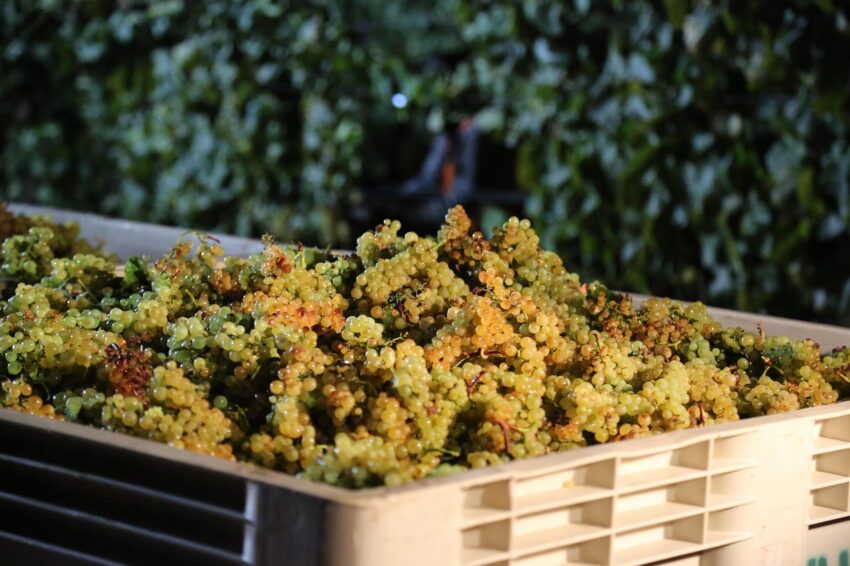
The chardonnay sweetness of resulting wine depends significantly on a combination of natural grape ripeness, fermentation choices, and residual sugar levels left after yeast conversion. While many consumers associate Chardonnay with rich, buttery profiles, the actual sweetness varies greatly depending on whether the grapes originate from cool or warm viticultural zones.
Understanding how climatic variables and cellar techniques interact helps demystify why some expressions taste bone-dry and crisp, while others present lush, ripe fruit characters that suggest perceived sweetness. Examining these factors provides a clear framework for selecting bottles that match individual preferences.
Viticultural Factors Influencing Chardonnay Sugar Levels
Climate and Sunlight Exposure
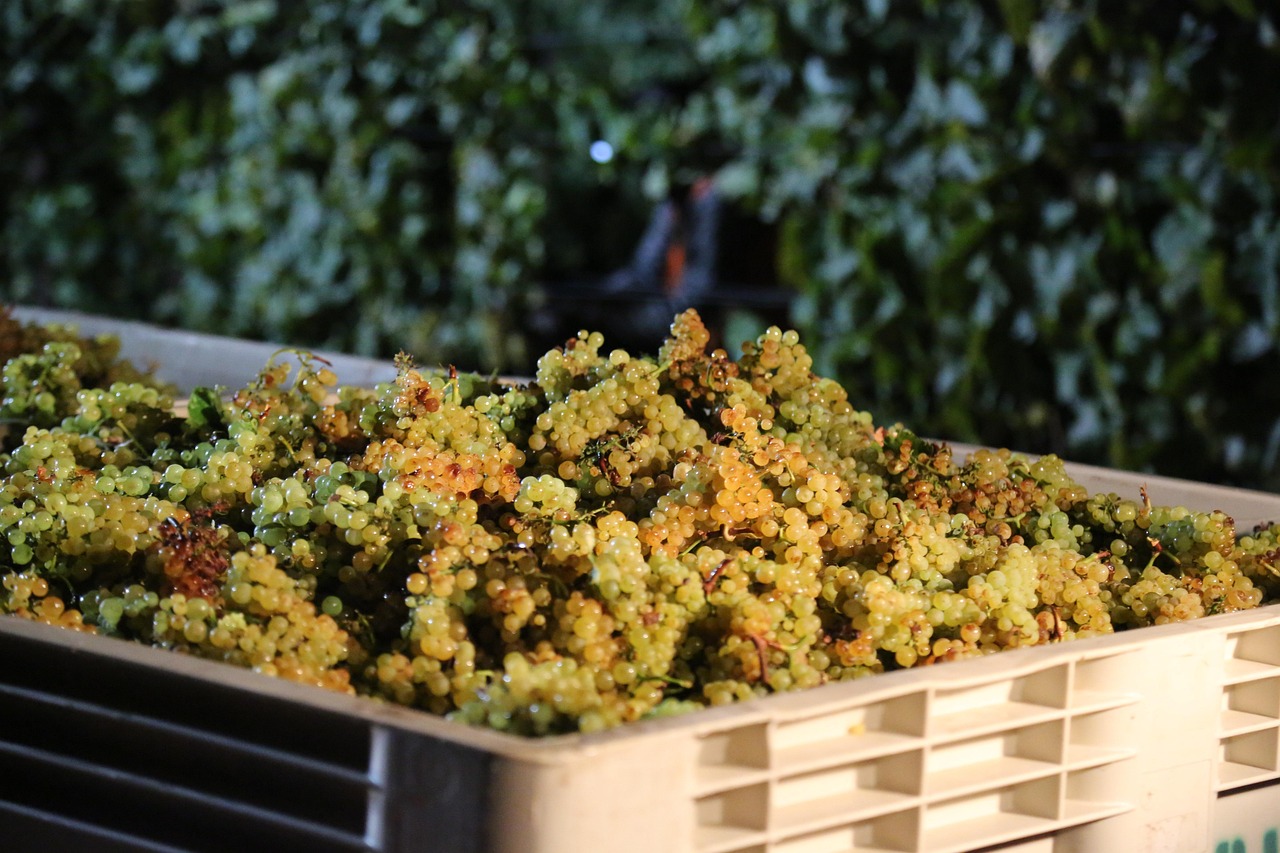
Sunlight and ambient temperature dictate how rapidly grapes accumulate sugars during the annual growing season. In cooler continental or maritime regions, grapevines experience lower temperatures that slow down maturation. This environmental condition allows grapes to retain higher natural acidity while accumulating modest sugar levels, resulting in drier, crisper wines upon completion. Conversely, warm-climate vineyards accelerate photosynthesis and sugar accumulation. This rapid processing frequently translates to higher potential alcohol and a much richer mouthfeel in the finished beverage.
Harvest Timing and Ripeness Thresholds
Winemakers meticulously monitor sugar accumulation, typically measured in degrees Brix, alongside phenolic ripeness to determine the optimal harvest date. Picking earlier in the season preserves tart acidity and lower potential alcohol, yielding a leaner and more refreshing profile. Waiting longer allows sugars to peak while diminishing green fruit notes, shifting the flavor spectrum toward ripe orchard and tropical fruits. This delayed harvesting approach heavily influences perceived sweetness because riper fruit flavors naturally trigger sensory associations with sweetness in the human brain.
Vineyard Management and Yield Control
Canopy management and crop loading directly influence individual grape maturity and sugar distribution across the vine. Thinning clusters ensures remaining bunches receive optimal sunlight exposure and adequate airflow. Excessive crop loads can delay overall ripening, leading to uneven sugar development and diluted flavor profiles. Proper canopy exposure supports balanced maturation, ensuring that natural sugars align harmoniously with structural acidity and secondary flavor compounds, establishing a stable foundation for the subsequent vinification process.
For related wine guidance, see ph of white wine.
Winemaking Techniques That Shape Perceived Sweetness
Primary Fermentation and Yeast Strains
During primary fermentation, active yeasts consume natural grape sugars and convert them into ethanol and carbon dioxide. Certain selected commercial or native yeast strains can ferment wine to complete dryness, leaving virtually no residual sugar behind. Other yeast strains might stall earlier in the process or possess specific metabolic traits that alter the aromatic profile. These strains often highlight bright fruit esters that enhance the sensation of sweetness without requiring any actual sugar content in the liquid.
Malolactic Conversion Effects
Malolactic conversion is a secondary process that transforms sharp malic acid into softer lactic acid through bacterial action. This biological conversion significantly reduces perceived acidity, which can make a bone-dry wine feel rounder, creamier, and less austere on the palate. While this process does not add any actual sugar, lowering the overall acidity often increases the general perception of fruit richness, particularly when combined with traditional barrel aging techniques and careful cellar management.
Residual Sugar Management
Residual sugar refers strictly to unfermented grape sugars remaining in the bottle after fermentation ceases. Winemakers can control this parameter by chilling the stainless steel tank to naturally halt fermentation or by utilizing sterile filtration methods. Even very small amounts of residual sugar, measured carefully in grams per liter, can noticeably alter the chardonnay sweetness of resulting wine, shifting it gracefully from a bone-dry classification to an off-dry or medium-sweet category depending on market style.
When comparing still styles to bubbly variations, reviewing a comprehensive sparkling wine sweetness chart helps clarify different dosage levels.
For related wine guidance, see body of the wine.
Oak Aging, Lees Contact, and Flavor Perception
Barrel Fermentation and Toasting Levels
Fermenting or aging Chardonnay in traditional oak barrels introduces complex chemical compounds such as vanillin, lactones, and eugenol into the liquid. These oak-derived aromas can impart sweet spice notes, including cinnamon, clove, and toasted caramel, which trick the human palate into perceiving sweetness even when laboratory analysis confirms zero residual sugar. The specific toast levels applied to the cooperage heavily influence this sensory outcome, creating diverse flavor profiles across different barrel programs.
Malic Acid Softening and Bâtonnage
Stirring the dead yeast cells, known as bâtonnage, suspends sediment in the wine, contributing a creamy texture and nutty complexity. This physical process rounds out the mouthfeel, muting sharp edges and enhancing perceived weight on the tongue. Combined with barrel maturation, continuous lees contact builds a textural richness that frequently accompanies lush fruit presentations in complex, full-bodied styles. The physical interaction between wine and lees creates a multi-layered sensory experience.
Integrating Phenolic Compounds
Skin contact and careful press handling extract various phenolic compounds from grape skins, stems, and seeds. These structural elements contribute tactile grip and subtle bitterness, which can successfully balance rich fruit flavors and perceived sweetness. Proper management of these phenolics ensures that heavy oak influence and ripe fruit characteristics do not overwhelm the structural integrity of the finished white wine, maintaining a balanced and harmonious profile throughout tasting.
Regional Style Variations Across Global Vineyards
Cool-Climate Mineral-Driven Expressions
Cool-climate wine regions produce Chardonnay characterized by soaring natural acidity, lean structures, and prominent notes of green apple, lemon zest, and wet stone. In these pristine areas, the chardonnay sweetness of resulting wine remains minimal because low seasonal temperatures restrict excessive sugar accumulation in the vineyard. The primary focus centers on precision, minerality, and vibrant freshness rather than lush fruit weight or broad textures, offering a stark contrast to warmer regions.
Warm-Climate Tropical Fruit Profiles
Warm-water maritime or continental interior regions encourage abundant sunshine and high heat accumulation during the season. These conditions yield Chardonnays dominated by lush, ripe peach, mango, and pineapple notes. These styles often feature lower natural acidity and higher potential alcohol levels. The opulent flavor profile creates a strong psychological impression of sweetness, even when the liquid is fermented entirely dry, due to the intense fruit concentration and warm alcohol warmth.
Traditional Versus Modern Styles
Traditional Old World regions emphasize strict terroir expression, restrained oak utilization, and subtle mineral complexity. Modern New World approaches frequently embrace riper fruit harvesting schedules, prominent barrel influence, and richer textural components. Comparing these distinct winemaking philosophies illustrates how human choices in viticulture and vinification shape the final sensory profile across different geographical landscapes, providing endless learning opportunities for enthusiastic wine students.
Serving Temperature, Glassware, and Food Pairing
Temperature Impact on Fruit Aromas
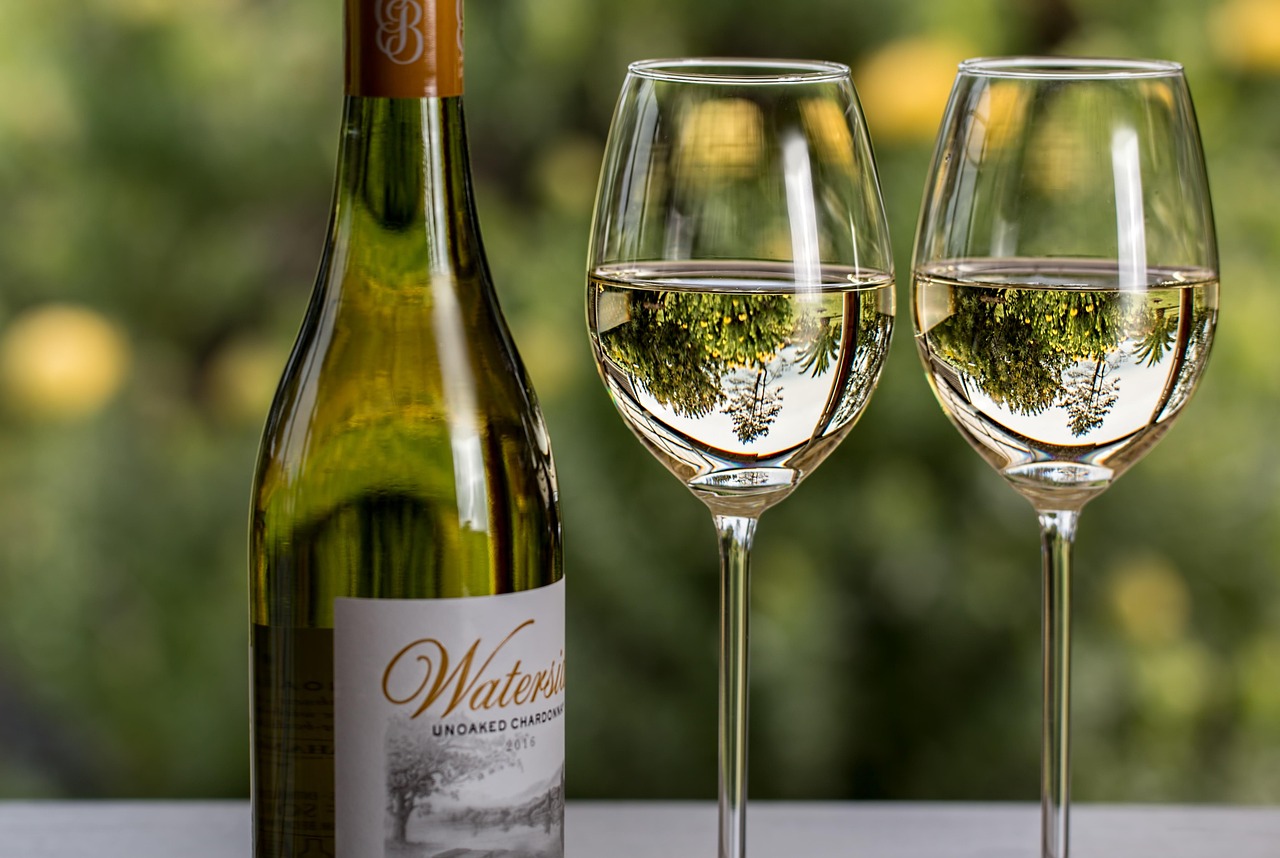
Serving temperature drastically affects how sweetness and acidity register on the human palate during evaluation. Chilled wines served between fifty and fifty-five degrees Fahrenheit accentuate natural acidity and minimize the perception of residual sugar, keeping the profile crisp and refreshing. Conversely, allowing the wine to warm slightly in the glass releases volatile aromatic compounds, amplifying perceived fruit sweetness and oak integration. Controlling temperature is an essential tool for adjusting flavor delivery.
Selecting Appropriate Glassware Shapes
Glassware geometry directs wine to specific target areas of the tongue, directly influencing overall flavor perception. Wide-bowled, bell-shaped glasses specifically designed for full-bodied white wines concentrate delicate aromas and direct the liquid across the palate in a balanced manner. This design helps manage acidity and rich fruit weight simultaneously, optimizing the tasting experience for complex, oak-aged Chardonnay selections by softening angular characteristics.
Culinary Pairings for Diverse Profiles
Matching Chardonnay with food requires balancing structural weight and acidity levels carefully. Lean, crisp styles pair exceptionally well with raw oysters, delicate white fish, and light green salads. Rich, full-bodied expressions complement roasted poultry, creamy pasta dishes, and rich lobster preparations. High acidity in the wine cuts through rich fats cleanly, while matching flavor intensities create a cohesive and enjoyable dining experience for participants.
Frequently Asked Questions
Does Chardonnay contain natural sugar?
Yes, grapes accumulate natural sugars during the ripening process, primarily consisting of glucose and fructose. During primary fermentation, yeasts consume the vast majority of these sugars and convert them into alcohol and carbon dioxide. However, a finished wine can still contain minute amounts of unfermented sugar, known as residual sugar, depending heavily on the specific winemaking style and whether fermentation was intentionally halted by the cellar team.
Why does some Chardonnay taste sweet without added sugar?
Perceived sweetness in dry wine often results from ripe fruit flavors, warm-climate characteristics, and oak aging compounds like vanillin. When tasting notes feature baked apple, tropical fruit, or caramel, the human brain associates these distinct aromas with sweetness, even when laboratory tests confirm the wine contains zero residual sugar. Sensory perception is heavily influenced by aroma compounds rather than actual sugar content alone.
How does oak aging affect perceived sweetness?
Oak aging introduces chemical compounds such as lactones, furfural, and vanillin, which impart distinct aromas of baking spices, coconut, and vanilla. These sensory cues enhance the impression of sweetness directly on the palate. Furthermore, barrel fermentation and wood contact can soften harsh structural acidity, making the wine feel rounder, softer, and more opulent overall during evaluation.
What is the difference between dry and off-dry Chardonnay?
Dry Chardonnay contains virtually no detectable residual sugar, typically less than two grams per liter, resulting in a crisp, clean finish. Off-dry styles retain higher levels of unfermented sugar, often ranging from ten to thirty grams per liter. This measurable residual sugar provides an obvious sweet sensation that balances high acidity in certain stylistic expressions.
Can climate change the sugar level in Chardonnay grapes?
Climate heavily influences sugar accumulation within grapes during the growing season. Warmer growing seasons accelerate photosynthesis, leading to significantly higher sugar levels at harvest and potentially higher alcohol in the finished wine. Cooler climates slow down sugar development, allowing grapes to maintain higher natural acidity while keeping final sugar and alcohol levels significantly lower.
How should Chardonnay be served to manage sweetness perception?
Serving temperature plays a vital role in balancing flavor perception during tastings. Cooler serving temperatures around fifty degrees Fahrenheit highlight acidity and freshness, which can tone down the impression of heavy fruit or residual sugar. Allowing the wine to warm slightly in the glass releases volatile aromatics, increasing the perceived richness and fruit sweetness.