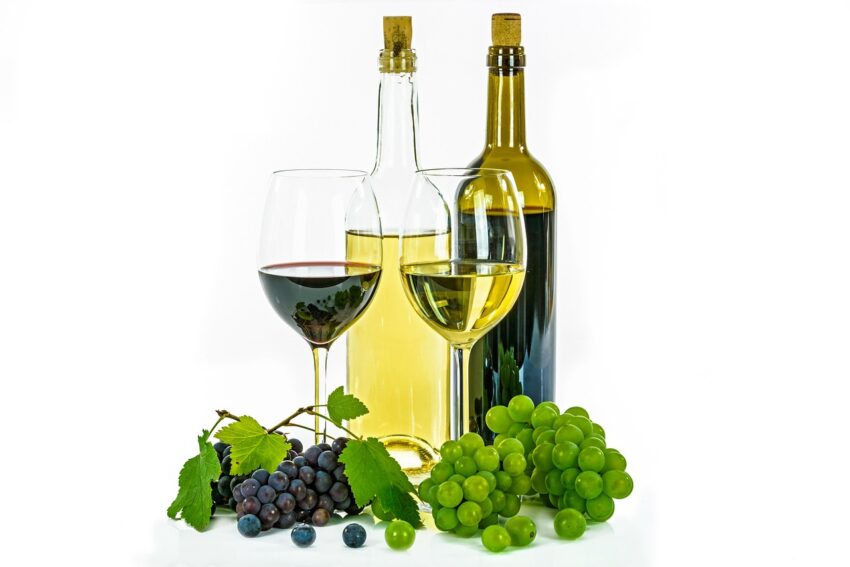
Independent educational wine guides offer adult learners structured approaches to understanding viticulture, tasting techniques, and structural wine styles without commercial bias. By focusing on agricultural fundamentals, enthusiasts build a reliable framework for evaluating how vineyard practices translate directly into glass characteristics.
Cane-pruned grape varieties represent a foundational concept in this educational journey, connecting vine biology directly to the finished beverage. Understanding how specific pruning methodologies control yields, optimize sunlight exposure, and shape flavor profiles allows learners to appreciate the deep craftsmanship behind every bottle.
Fundamentals of Cane Pruning in Viticulture
Understanding Guyot and Cane Pruning Mechanics
Cane pruning relies on selecting a single, one-year-old wood piece from the previous season to serve as the fruiting cane for the upcoming year. This technique contrasts sharply with spur pruning, where multiple short shoots are left on a permanent cordon.
The mechanics require careful training of the selected cane along a wire framework. This ensures that emerging shoots distribute evenly, preventing overcrowding and establishing a predictable foundation for seasonal vine growth and fruit development.
Selecting Renewal Spurs and Fruiting Canes
Alongside the fruiting cane, pruners leave a small renewal spur containing two buds. This dual-element system guarantees that the vine maintains a sustainable structure for the subsequent vintage without migrating too far from the main trunk.
Selecting the right wood demands careful observation of internode length and wood maturity. Healthy, disease-free canes with moderate diameter ensure reliable bud break and strong initial shoot vigor when spring temperatures finally rise.
Managing Vigor in Low-Fertility Soils
Cane pruning is exceptionally well-suited for low-fertility soils where vines naturally produce limited vegetative growth. By restricting the number of bearing buds on a single cane, the vine directs its limited resources into balanced canopy development.
This targeted resource allocation prevents excessive vigor while encouraging adequate leaf area to ripen the crop. Growers utilize this method to maintain equilibrium between vegetative mass and fruit load across challenging vineyard sites.
Balancing Wood Age and Productivity
A primary objective in cane-managed vineyards is avoiding permanent cordon buildup. Because the primary fruiting wood is completely removed and replaced annually, the vine resets its structural wood architecture every single winter season.
This annual renewal prevents older, diseased wood from accumulating within the trellis system. Consequently, vineyards practicing strict cane management often display remarkable longevity and consistent structural health over decades of agricultural production.
For related wine guidance, see pruning wine grape vines.
Grape Varieties Commonly Suited to Cane Pruning
Sauvignon Blanc and Vigorous Canopy Management
Sauvignon Blanc is notoriously vigorous, often producing dense canopies that obscure fruit from necessary sunlight. Cane pruning helps manage this natural exuberance by setting a controlled baseline for shoot numbers right at the start of the season.
By limiting the initial bud count, vineyard managers reduce the sheer volume of subsequent green harvesting needed later. This promotes better airflow through the canopy, which remains vital for maintaining aromatic typicity in the harvested grapes.
Pinot Noir Cluster Uniformity and Yield Control
Pinot Noir thrives under cane-pruning regimes, particularly in cool-climate regions where achieving uniform ripening is a constant challenge. The system allows growers to fine-tune crop load precisely according to the specific capacity of individual vines.
Uniformity across clusters translates directly into balanced fermentation lots. Because the fruit ripens evenly along the cane, winemakers receive cleaner raw material, reducing the presence of underripe green notes in the finished Pinot Noir.
Chardonnay Expression Across Training Systems
Chardonnay adapts flexibly to multiple training systems, yet cane pruning remains a preferred choice in regions focused on mineral-driven, elegant wine styles. The training method prevents excessive shading of the basal buds.
Adequate sunlight exposure on developing shoots enhances the accumulation of favorable phenolic compounds. This agricultural precision allows Chardonnay to express distinctive regional traits, ranging from bright citrus notes to deeper stone fruit characteristics.
Syrah and Northern Rhône Adaptations
While often associated with traditional head training, Syrah responds very favorably to cane pruning when established on modern trellising wires. The technique controls the tendency of Syrah shoots to grow wildly in fertile alluvial soils.
By securing the fruiting cane horizontally, growers distribute bud break evenly along the wire. This structured layout prevents the tangled canopy conditions that can inhibit proper color development and phenolic maturity in red varieties.
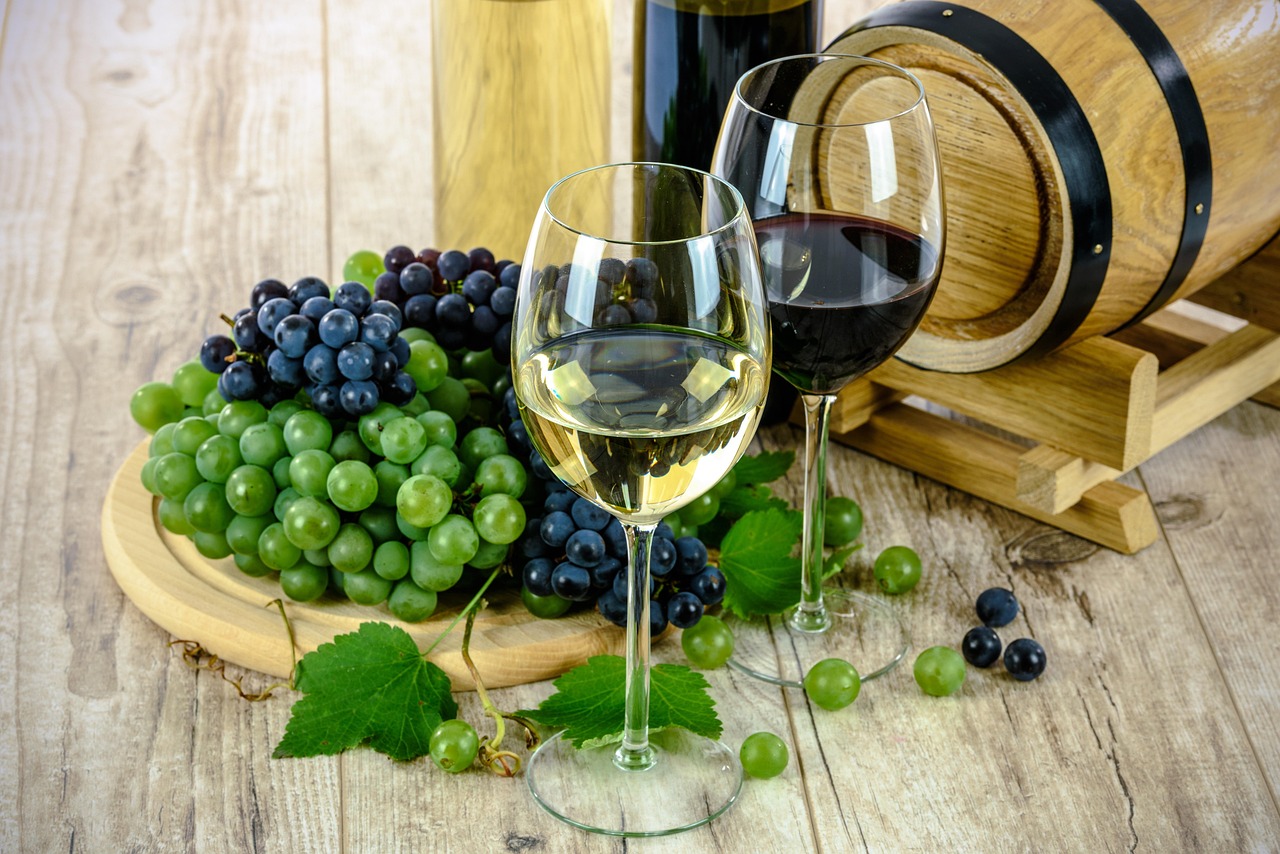
For related wine guidance, see grapes months can be harvested.
Viticultural Impacts on Fruit Quality and Ripening
Sunlight Interception and Cluster Microclimates
Cane-trained systems create an open canopy architecture that optimizes sunlight interception across the fruiting zone. This exposure modifies the immediate microclimate surrounding each cluster, reducing humidity and preventing excessive dampness.
Improved light penetration promotes the synthesis of anthocyanins and beneficial flavonoids in red grapes. For white varieties, moderate light exposure helps degrade undesirable herbaceous methoxypyrazines while preserving delicate floral aromatics.
Air Circulation and Disease Mitigation Strategies
Effective canopy management directly influences airflow, which serves as a primary defense against fungal pressures like powdery mildew and botrytis. Cane pruning inherently spaces shoots wider apart than crowded spur positions.
This natural physical separation allows morning dew to evaporate rapidly from leaves and clusters. Reduced moisture retention on plant surfaces significantly lowers the incidence of bunch rot, minimizing the need for extensive vineyard interventions.
Balancing Shoot Density and Root Capacity
Matching shoot density to the underground root system is essential for long-term vineyard health. Cane pruning provides a quantifiable method to adjust bud numbers relative to the perceived vigor capacity observed in the previous harvest.
When bud numbers align correctly with root capacity, the vine avoids nutrient stress. Balanced vines successfully nourish their clusters through veraison, ensuring complete seed maturation and desirable sugar-to-acid ratios at harvest time.
Temperature Regulation via Leaf Layering
Canopy density dictates internal cluster temperatures during peak summer heatwaves. Cane-trained systems allow growers to strategically position leaves to shield clusters from scorching afternoon sun while still permitting morning warmth.
This balance prevents cooked flavor profiles in sensitive varieties. Maintaining moderate cluster temperatures preserves natural acidity and prevents premature sugar accumulation before phenolic ripeness is fully achieved.
For related wine guidance, see wine yeast temperature chart.
Winemaking Implications of Cane-Pruned Fruit
Harvest Timing and Phenological Maturity
Fruit harvested from cane-pruned vines typically demonstrates uniform phenological maturity because all clusters originate from wood of the exact same age and exposure tier. This uniformity simplifies the crucial decision of optimal harvest timing.
Winemakers can sample blocks with confidence, knowing that sugar levels, seed color, and skin tannins align consistently across the entire lot. This predictability reduces the compromises often required when blending unevenly ripened vineyard blocks.
Managing Phenolics from Uniform Clusters
Evenly ripened skins and seeds yield predictable phenolic extraction during maceration and fermentation. Winemakers working with cane-pruned fruit can manage pump-overs and punch-downs with greater precision and fewer unexpected astringency spikes.
The predictable tannin profile supports harmonious structure in red wines. Educational wine programs frequently highlight how uniform agricultural inputs reduce the need for corrective cellar additives during vinification.
Fermentation Dynamics and Berry Variability
Uniform berry sizing resulting from balanced cane management promotes steady fermentation kinetics. Yeast populations encounter fewer stalled fermentations when sugar concentrations remain consistent across the incoming fruit load.
This stability ensures that volatile acidity remains low and aromatic compounds retain their purity. Clean fermentations highlight the authentic character of the grape variety without masking flaws behind excessive remediation.
Pressing Fractions in Structured Varieties
The structural consistency of cane-pruned grapes extends into press operations. Free-run juice and subsequent press fractions exhibit stable chemical profiles, allowing winemakers to isolate specific fractions for blending purposes.
Press fractions maintain balanced pH levels and manageable potassium concentrations. Such consistency facilitates smoother blending trials and predictable aging curves in both stainless steel tanks and oak vessels.
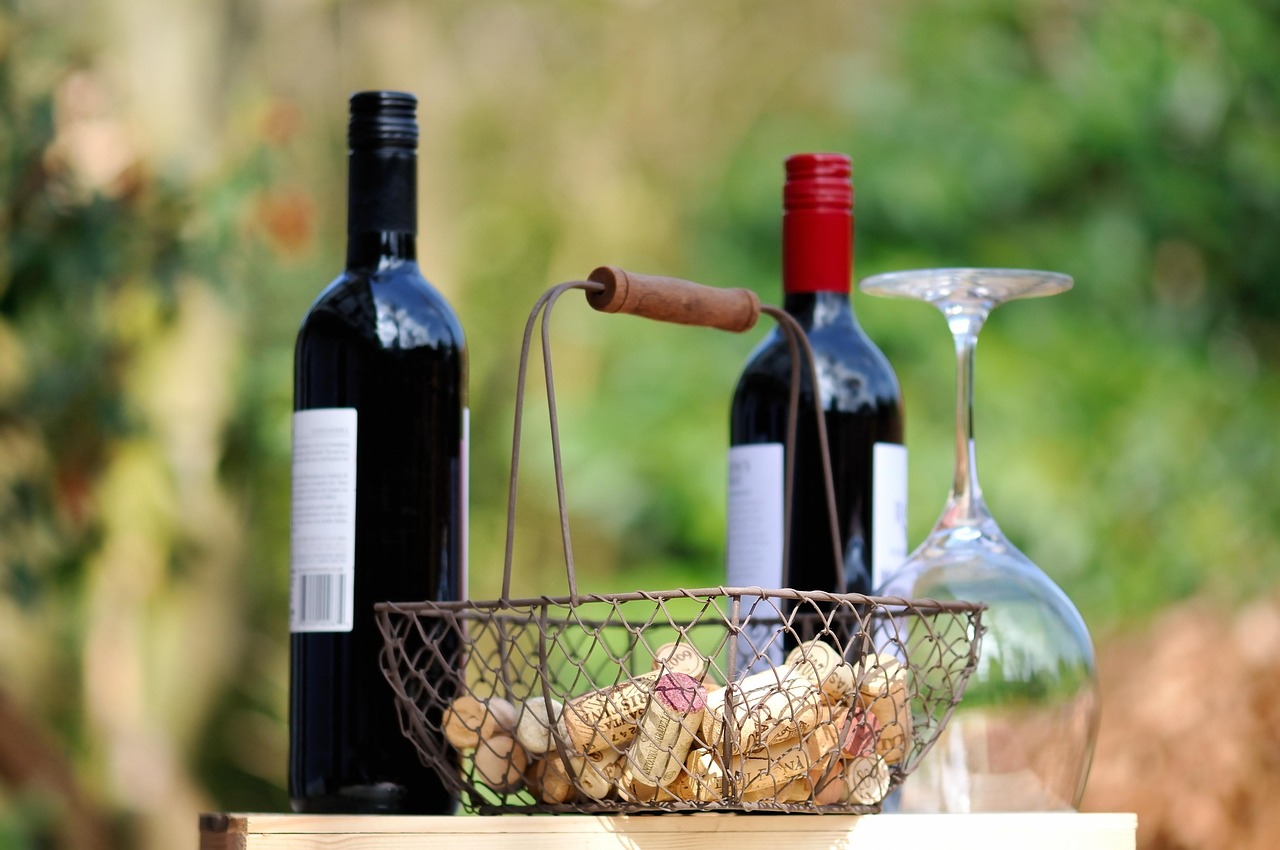
Tasting and Evaluating Cane-Pruned Wine Profiles
Assessing Aromatics in Cool-Climate Selections
When tasting wines from cane-pruned vineyards, evaluators often notice enhanced aromatic clarity. Cool-climate varieties, in particular, display distinct, focused aromatic profiles free from vegetative dilution or excessive green pyrazines.
Educational tastings encourage students to identify specific fruit descriptors—such as fresh lime, crisp green apple, or wild strawberry—that indicate optimal sunlight exposure and balanced vine physiology during the growing season.
Evaluating Acid Structure and Mineral Notes
Proper canopy management preserves natural organic acids, notably tartaric and malic acid, through the ripening phase. Tasting evaluations frequently reveal vibrant acidity that provides length and backbone to the wine.
In regions with limestone or schist soils, balanced vine stress allows subtle mineral or stony undertones to emerge clearly on the palate. These tactile sensations demonstrate the interplay between soil composition and training technique.
Texture, Body, and Tannin Integration
Mouthfeel analysis reveals how agricultural practices influence wine texture. Cane-pruned red wines often exhibit supple, well-integrated tannins that coat the palate smoothly rather than projecting aggressive, drying astringency.
The balance achieved in the vineyard translates into a harmonious mid-palate and a persistent finish. Adult learners examine these textural attributes to understand the tangible link between viticultural management and sensory perception.
Documenting Varietal Typicity in Educational Flights
Comparing wines produced from different training systems provides valuable educational insights. Tasting flights designed around varietal typicity help students discern how canopy architecture influences flavor expression and structural weight.
Systematic documentation during tastings builds a reliable vocabulary for describing wine attributes objectively. Learners develop an appreciation for the agricultural decisions that shape the liquid in the glass before any cellar work begins.
Frequently Asked Questions
What defines cane pruning compared to spur pruning?
Cane pruning involves selecting a single one-year-old wood shoot to serve as the fruiting cane for the upcoming season, which is then completely removed the following winter. Spur pruning leaves short, two-bud shoots on a permanent woody cordon. Cane pruning resets the vine structure annually, making it ideal for low-fertility soils and vigorous varieties requiring strict yield control.
Why do certain grape varieties require cane pruning?
Varieties like Sauvignon Blanc and Pinot Noir produce vigorous shoots or demand strict cluster uniformity to ripen evenly. Cane pruning establishes a lower baseline bud count, preventing excessive canopy crowding. This controlled setup improves sunlight penetration and airflow, helping these specific varieties achieve proper phenolic and aromatic maturity.
How does cane pruning influence final wine acidity?
By optimizing canopy architecture and ensuring balanced light exposure across all clusters, cane pruning prevents excessive shading. Proper sun and shade management protects malic and tartaric acids from degrading prematurely during hot weather. Consequently, the resulting wines maintain vibrant, structural acidity that provides freshness and balance on the palate.
Can cane-trained vineyards be mechanized easily?
Cane-trained vineyards are traditionally more labor-intensive because tying down fruiting canes and removing old wood require skilled manual work each winter. While mechanical pre-pruners can assist with initial wood removal, final cane selection and tying are rarely fully automated compared to simpler bilateral cordon spur systems.
What is the role of the renewal spur in cane pruning?
The renewal spur is a short, two-bud shoot left near the base of the fruiting cane. Its primary purpose is to grow the wood that will be selected as the new fruiting cane for the following year. This ensures the vine maintains a compact, manageable structure without migrating too far outward.
How do weather fluctuations impact cane-pruned yields?
Spring frosts or poor weather during flowering can impact cane-pruned vines directly because the entire crop load depends on a single fruiting cane. If damage occurs along that specific cane, yield recovery options are limited compared to spur-pruned vines that possess multiple distributed renewal positions.