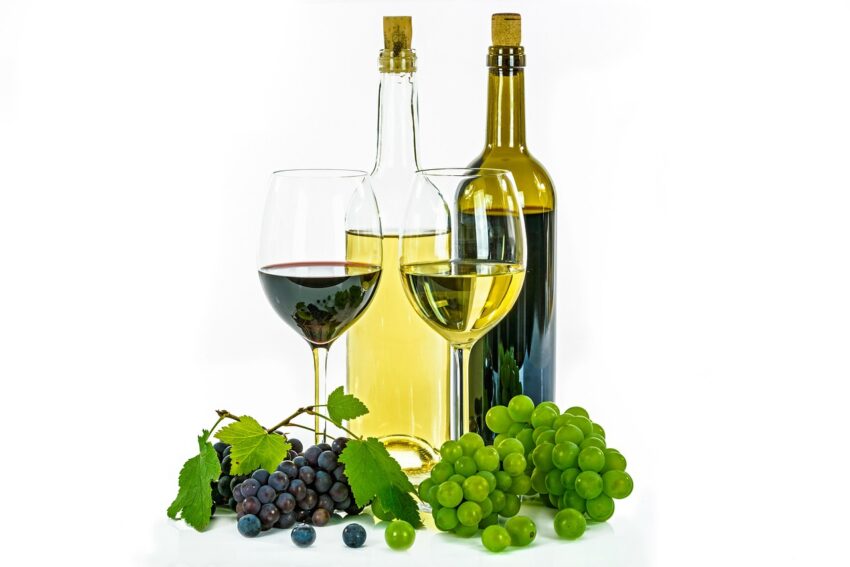
Cacio e pepe wine pairing relies on balancing the sharp, salty intensity of aged Pecorino Romano cheese and the pungent heat of freshly cracked black pepper. Because this Roman pasta dish features few ingredients, every component of the chosen wine directly influences how the flavors interact on the palate.
Traditional pairings focus on regional Italian wines featuring high natural acidity and moderate alcohol levels. These structural traits cut through the rich cheese emulsion and refresh the palate without overwhelming the simple yet assertive flavor profile of the pasta.
Selecting the right bottle involves evaluating the weight of the pasta, the sharpness of the cheese, and the coarseness of the pepper. Exploring various wine styles helps diners discover combinations that enhance both the food and the beverage.
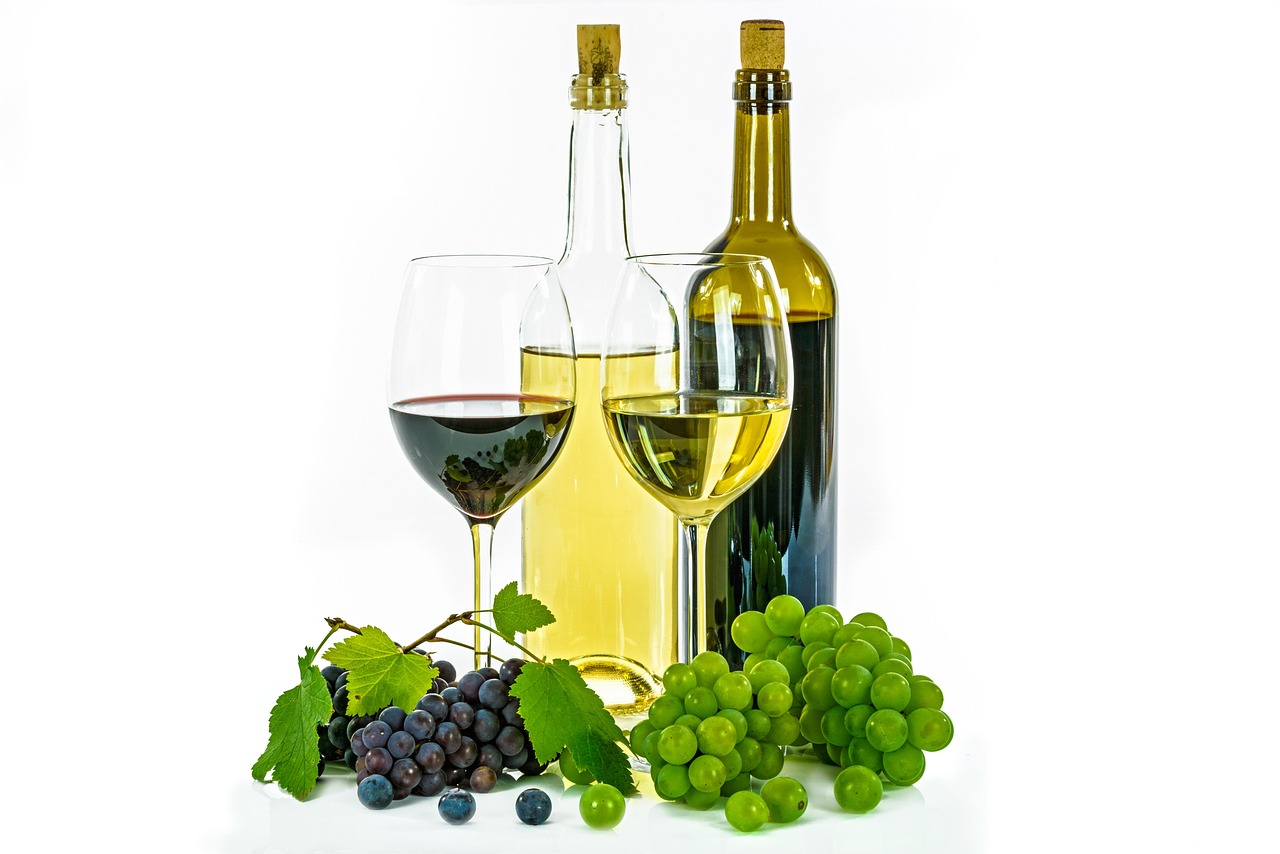
Classic Italian Wine Selections for Cacio e Pepe
Crisp Whites from Central Italy
Wines originating from the Lazio region and surrounding areas provide some of the most reliable pairings for cacio e pepe. Indigenous white grapes offer herbal notes and mineral qualities that complement the salty cheese.
Bottles featuring bright citrus characteristics help lift the heavy starch from the pasta water emulsion. Selecting a youthful vintage ensures maximum freshness and vibrant acidity to match the sharp Pecorino Romano profile.
Light and Refreshing Reds
While white wine is the standard recommendation, certain light-bodied reds work exceptionally well with this pasta. Low tannin levels are essential to prevent a metallic reaction with the sharp, aged sheep milk cheese.
Chilled red selections with high fruit profiles and brisk acidity create an interesting textural contrast against the warm, creamy sauce. This approach bridges the gap between traditional rules and modern pairing exploration.
Sparkling Wine Options
Effervescent wines offer a dynamic textural interplay with the dense, starchy texture of cacio e pepe. The bubbles act as a natural cleanser, scrubbing the palate clean between rich bites of cheese and pasta.
Dry sparkling styles with crisp mineral finishes prevent the dish from feeling overly heavy. Choosing a bottle with minimal residual sugar ensures the focus remains entirely on the savory elements of the meal.
For related wine guidance, see beaufort cheese wine pairing.
Structural Elements of Food and Wine Matching
Managing High Acidity
Acidity is the primary structural component required when pairing wine with rich, cheese-based pasta dishes. High acid levels in the wine cut through the richness of the Pecorino Romano fats to create a balanced sensation.
Without sufficient acidity, the combination can easily feel heavy and fatiguing on the palate. Selecting high-acid wines ensures each bite of pasta tastes as vibrant as the first.
Balancing Tannin and Pecorino Salt
Tannins can clash harshly with salty and sharp cheeses, often producing an unpleasantly bitter or metallic taste. For this reason, heavily oaked or high-tannin red wines should generally be avoided entirely.
If opting for red wine, styles with very soft, unobtrusive tannins work best. This minimizes flavor interference and allows the peppery finish of the dish to shine through clearly.
Accounting for Black Pepper Heat
Freshly cracked black pepper introduces a distinct spicy heat and aromatic element to the dish. Wines with too much alcohol can accentuate this heat, creating an uncomfortably fiery sensation in the mouth.
Opting for lower alcohol wines keeps the pepper spice manageable and pleasant. Fruit-forward profiles can also help soothe the palate against intense black pepper concentrations.
For related wine guidance, see chicken milanese wine pairing.
Regional Exploration Beyond Lazio
Northern Italian Whites
Northern Italy produces numerous crisp white wines that pair harmoniously with simple Roman pasta preparations. Mountain-grown grapes frequently yield high natural acidity and clean, refreshing mineral profiles.
These cool-climate selections provide subtle floral and green apple notes that contrast nicely with the savory cheese. Their lean structure prevents them from competing with the starch-heavy sauce emulsion.
Southern Coastal Selections
Coastal wine regions yield bottles influenced by sea air, often displaying distinct saline characteristics. These marine undertones echo the salty nature of the Pecorino Romano cheese used in the recipe.
Such pairings create a cohesive flavor bridge between the wine and the dish. The inherent freshness of these coastal whites cleanses the palate effectively after each rich bite.
International Cool Climate Varieties
Cool-climate wine regions outside Italy offer compelling alternatives for adventurous diners. Varieties known for pungent aromatics and high acidity can stand up well to the assertive black pepper.
Ensuring the chosen international wine remains dry and unoaked is critical for success. Oak flavors can easily clash with the sharp cheese and starchy pasta combination.
For related wine guidance, see chicken francese wine pairing.
Serving and Temperature Considerations
Optimal Pouring Temperatures
Serving temperature significantly influences how a wine interacts with warm, rich food like cacio e pepe. Whites and sparkling wines should be served well-chilled to accentuate their refreshing acidity.
If serving a light red wine, choose a bottle with minimal tannin, as cooler temperatures accentuate astringency on the palate. A light chill emphasizes vibrant fruit and crisp acidity while preventing alcohol warmth from intensifying the black pepper.
Glassware Selection for Pairings
Appropriate glassware concentrates wine aromas toward the nose and shapes how the liquid flows into the mouth. Standard white wine glasses work well for most recommended pairings.
The bowl shape should allow sufficient aeration to release subtle mineral and fruit notes. This enhances the overall sensory experience of enjoying the wine alongside the hot pasta.
Timing the Pour with the Dish
Cacio e pepe is best consumed immediately while the cheese emulsion remains smooth and creamy. Pouring the wine just before the pasta reaches the table ensures everything is ready simultaneously.
Having the beverage poured allows diners to evaluate the aroma of the wine immediately after a bite of food. This timing maximizes the interplay between the dish and the glass.
Frequently Asked Questions
Can you pair heavy red wines with cacio e pepe?
Heavy red wines with high tannin and robust oak structures generally pair poorly with cacio e pepe. The combination of intense tannins and salty Pecorino Romano creates a harsh, metallic sensation on the palate.
If red wine is preferred, select very light styles with minimal tannin content. Chilled options work best to keep the pairing harmonious and prevent flavor clashes.
Does the age of the Pecorino Romano cheese change the wine choice?
Older Pecorino Romano cheese features heightened saltiness, increased protein crystallization, and a much sharper flavor profile. This requires a wine with higher acidity to properly cut through the intensity.
Younger, milder cheese allows for slightly softer white wines. Adjusting the wine selection based on the cheese maturity ensures optimal balance in every bite.
Is sweet wine ever a good match for this pasta dish?
Sweet wines are generally unsuitable for cacio e pepe because noticeable residual sugar feels discordant against the pungent heat of cracked black pepper and the warm, savory starch emulsion. While sweet wine pairs well with standalone cheese courses, it creates an awkward contrast in a hot savory pasta dish.
Choosing an off-dry or dessert wine can make the overall combination feel heavy and cloying rather than refreshing. Favoring dry wine styles with lively acidity ensures the palate remains cleansed between rich, peppery bites.
How does the starch level in the pasta water influence wine selection?
The starchy cooking water creates a rich, emulsified sauce that coats every strand of pasta, increasing the dish’s overall weight and mouthfeel on the palate. When a sauce has a particularly heavy, velvety texture, the accompanying wine needs enough structural acidity and extract to prevent the sensation from becoming cloying. Lighter, overly dilute white wines can easily feel washed out against a dense starch emulsion.
Choosing a wine with good dry extract and vibrant acidity ensures the palate remains refreshed between bites. Medium-bodied regional whites with crisp, clean finishes handle these starch-heavy textures effectively without letting the food overwhelm the beverage.
Are skin-contact orange wines suitable for pairing with cacio e pepe?
Orange wines, which are white grapes fermented with their skins, introduce structural tannins and a phenolic grip that can behave unpredictably with aged cheese. While the high acidity and nutty complexity of skin-contact styles can complement the savory nature of Pecorino Romano, the extra tannin load requires careful evaluation. If the tannins are overly astringent, they can react poorly with the salt and pepper elements.
When exploring orange wines for this dish, look for styles featuring softer, well-integrated skin contact and moderate alcohol levels. This deliberate selection prevents the tannins from clashing with the sharp, salty characteristics of the sheep’s milk cheese.
Does the choice of pasta shape affect how the wine interacts with the dish?
Traditional preparations use thick strands of tonnarelli or bucatini, which hold a larger volume of the creamy cheese and pepper sauce compared to standard thin spaghetti. A heavier coating of sauce increases the concentration of fat, protein, and salt per bite, demanding a wine with sharper acidity and cleansing effervescence. Thicker pasta styles inherently amplify the overall richness of the dining experience.
When serving thicker, more substantial pasta cuts, leaning toward high-acid whites or crisp sparkling wines helps maintain balance. The structural demands on the beverage increase as the pasta-to-sauce density rises across the plate.
What alcohol-by-volume range is ideal for cacio e pepe wine pairings?
Wines with a moderate alcohol-by-volume level, typically ranging between 11.5 and 13 percent, work best with cacio e pepe. High alcohol levels accentuate the burning sensation of freshly cracked black pepper, making the dish taste excessively hot, fiery, and harsh on the tongue. Lower ABV selections keep the aromatic spice manageable, pleasant, and well-integrated across every single serving.
Controlling alcohol warmth ensures that the delicate balance between the salty cheese and the starchy pasta remains harmonious throughout the meal, preventing heavy palate fatigue from setting in too quickly during consumption.
Why are mineral-driven white wines frequently recommended for sheep's milk cheese?
Mineral-driven white wines display flinty, stony, or saline characteristics that naturally echo the earthy, savory qualities of aged sheep’s milk cheese. Pecorino Romano possesses a distinct, assertive flavor profile that benefits greatly from clean, non-fruit aromatics. These subtle mineral notes provide a sophisticated counterpoint to the rich, salty fats present in the hot pasta emulsion.
Such thoughtfully selected pairings create a seamless flavor continuum, successfully bridging the rustic nature of the cheese with the crisp, refreshing qualities of cool-climate white grapes without introducing conflicting fruit flavors.