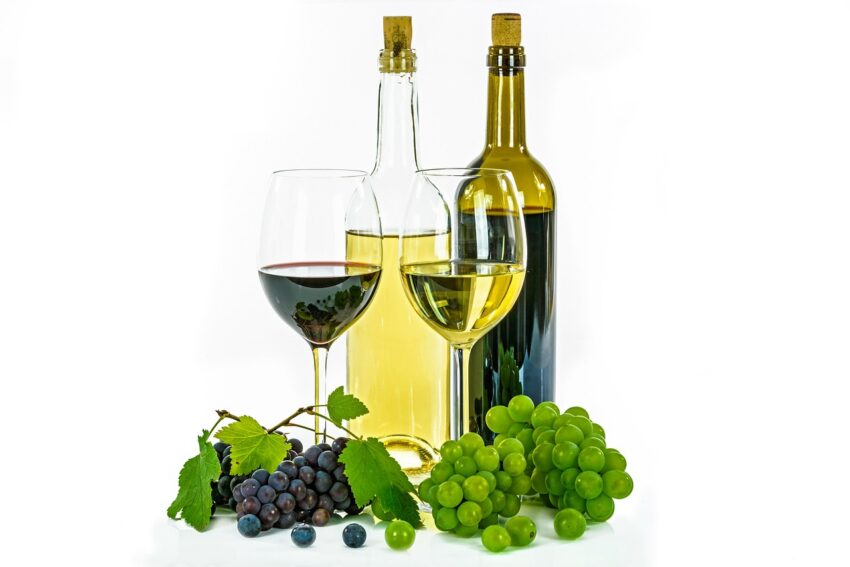
Beaujolais Nouveau is a vibrant, ultra-fresh red wine crafted from the Gamay grape in France, released just weeks after harvest. Known for its brilliant ruby color, low tannins, and exuberant red berry aromas, it offers a distinct profile shaped by rapid fermentation techniques.
Pairing this lively wine with cheese requires understanding its unique structural traits. Because the wine features bright acidity and minimal astringency, it harmonizes effortlessly with rich dairy fats without creating harsh metallic flavors or overwhelming delicate textures on the palate.
Exploring effective cheese combinations enhances both the wine and the dairy, creating balanced tasting experiences. From creamy soft-ripened rounds to nutty semi-hard blocks, selecting the right accompaniments elevates casual gatherings and traditional autumn feasts alike.
Fundamental Pairing Principles
Acidity and Creaminess Balance
The naturally high acidity found in young Gamay acts as a refreshing palate cleanser against rich, buttery dairy products. When high acid meets high fat, the wine cuts through the coating layer of the cheese, revitalizing the taste buds for the next bite and preparing them for subsequent flavors.
This dynamic prevents heavy cheeses from feeling cloying or overly dense during a tasting. Selecting options with a velvety texture creates an appealing contrast against the brisk, lively framework of the fresh red wine, ensuring neither element dominates the pairing.
Managing Low Tannin Levels
Traditional red wines with heavy tannins often clash with salty or creamy cheeses, producing an unpleasant metallic finish. Beaujolais Nouveau largely avoids this issue due to minimal tannin extraction during its brief winemaking cycle.
Without structural astringency competing with the dairy proteins, the focus shifts entirely to fruit flavors and milky sweetness. This gentle profile allows delicate artisan cheeses to shine without being masked by aggressive structural components.
Fruit-Forward Flavor Dynamics
Aromas of fresh raspberry, wild strawberry, and tart cherry dominate this style of wine, providing a fruity backdrop. These berry notes naturally echo the lactic tang and subtle sweetness found in many young, fresh-style cheeses.
Pairing fruity profiles with savory dairy creates a balanced flavor spectrum reminiscent of fruit and cream desserts. The combination enhances the natural sweetness of the milk while muting any overly aggressive sour notes in the wine.
For related wine guidance, see beaufort cheese wine pairing.
Soft and Bloomy Rind Cheeses
Brie and Camembert Selections
Classic bloomy rind cheeses like standard Brie offer a buttery, earthy center enclosed by a pillowy white mold. The rich, mushroom-like undertones of these cheeses provide a savory counterpoint to the exuberant red fruit flavors of fresh Gamay.
As the creaminess of the cheese melts on the tongue, the bright acidity of the wine steps in to cleanse the palate. This interaction transforms both components, making each bite taste lighter and more vibrant than the last.
Brillat-Savarin and Triple-Cremes
Triple-cream cheeses boast an exceptionally high butterfat content, yielding a texture that resembles rich whipped butter. This decadent richness requires a high-acid partner to prevent the palate from becoming overwhelmed by heavy dairy solids.
The lively structure of an early-release red cuts effortlessly through this intense creaminess. The pairing delivers a luxurious mouthfeel while maintaining a clean, refreshing finish that encourages continuous tasting throughout the course.
Goat Milk Crottin Styles
Young goat milk cheeses deliver a distinct citrusy tang and chalky texture that contrasts intriguingly with red fruit notes. The inherent brightness in goat dairy mirrors the zesty profile of the wine, creating a harmonious flavor bridge.
Selecting slightly aged crottin adds a nutty complexity that deepens the pairing experience. The earthy minerality often found in goat cheese anchors the vibrant, ephemeral fruit characteristics of the young vintage.

For related wine guidance, see fig jam and cheese pairing.
Semi-Hard and Nutty Varieties
Young Comte and Gruyere
Youthful alpine cheeses provide a gentle nutty sweetness and firm, pliable texture without excessive saltiness. These dairy profiles complement the red berry characteristics of light-bodied reds without creating flavor conflicts or bitter reactions.
The subtle caramel and roasted nut notes present in mild alpine styles add depth to the tasting. Because these cheeses lack extreme age, they avoid the heavy salt crystals that can destabilize low-tannin wine structures.
Mild Cheddar and Colby
Approachable cheddar styles, particularly those aged for only a few months, offer a smooth, buttery profile with mild tang. This straightforward dairy character pairs well with uncomplicated, fruit-forward wines meant for immediate consumption.
Avoid sharp, heavily aged cheddars, as their intense crystallization and high salt levels overwhelm light-bodied wines. Mild varieties maintain a cooperative balance, allowing the primary fruit flavors of the vintage to remain prominent.
Gouda and Edam Profiles
Young Gouda features a caramel-like sweetness and supple texture that marries exceptionally well with low-tannin reds. The subtle butterscotch nuances in the cheese echo the ripe fruit profile characteristic of early-harvest Gamay wines.
Similarly, mild Edam provides a clean, nutty flavor profile that supports rather than competes with the wine. These accessible semi-hard choices ensure a reliable, crowd-pleasing pairing for casual gatherings and festive autumn celebrations.
For related wine guidance, see merlot bellavitano cheese pairing.
Regional and Traditional Pairings
Classic French Farmstead Options
Traditional French farmhouse cheeses from the broader region offer authentic regional synergy with local wines. Artisanal producers often craft cheeses designed specifically to accompany everyday table wines produced in the surrounding countryside.
Exploring regional French selections honors the cultural context of the autumn wine release. These authentic pairings highlight the historical relationship between local agriculture, seasonal winemaking, and traditional foodways.
Local Lyon Bistro Traditions
Bistros in nearby Lyon frequently serve young regional wines alongside simple, unpretentious local cheeses. These establishments prioritize approachable, comforting combinations that emphasize pleasure and conviviality over rigid culinary rules.
Incorporating these traditional serving styles at home brings an authentic atmosphere to any tasting. Pairing the wine with rustic bread and straightforward dairy captures the unpretentious spirit of traditional French neighborhood bistros.
Charcuterie Board Integrations
Building a comprehensive board allows for dynamic experimentation with multiple cheeses and cured meats. The acidity of the wine manages the fat from both the dairy and savory meats, creating a cohesive tasting platform.
Including neutral elements like crackers, fresh fruit, and nuts helps bridge the gap between wine and cheese. This versatile setup accommodates various guest preferences while maintaining focus on the star bottle.
Frequently Asked Questions
Should Beaujolais Nouveau be chilled before serving with cheese?
Yes, serving this style slightly chilled enhances its bright fruit characteristics and refreshing acidity. A temperature around fifty-five degrees Fahrenheit highlights the vibrant berry aromas while making the wine an even more effective pairing partner for rich, creamy cheeses.
Chilling also softens any perception of alcohol, ensuring the focus remains on crisp fruit and smooth dairy textures. Avoid serving it ice cold, which can mute the aromatic profile, or room temperature, which might make the wine feel overly heavy.
Do aged or blue cheeses work with Beaujolais Nouveau?
Generally, heavily aged or intensely pungent blue cheeses do not pair well with this delicate style of wine. The powerful flavors, high salt content, and sharp spice of blues easily overpower the light body and ephemeral fruit notes of early-release red wine.
Instead of a harmonious combination, such robust cheeses can create an astringent, metallic, or bitter clash against the wine. Stick to younger, creamier, and milder dairy options to ensure a balanced, enjoyable tasting experience without overwhelming the palate.
How does the carbonic maceration process affect cheese compatibility?
Carbonic maceration is a whole-berry fermentation technique that extracts vibrant fruit flavors while minimizing tannin extraction. This specialized winemaking method results in a uniquely supple, low-astringency wine profile.
This absence of heavy tannins is what makes the wine exceptionally friendly toward a wide variety of cheeses. Without astringent structures to fight dairy fats, the wine and cheese merge seamlessly on the palate, creating a smooth, harmonious interaction.
Should you remove the bloomy rind of soft cheeses before pairing them with this wine?
In most culinary scenarios, leaving the bloomy white rind completely intact enhances the overall tasting experience when pairing delicate soft cheeses with young red wines. The earthy, mushroom-like flavors concentrated tightly within the rind provide a savory counterweight to the vibrant, fruit-forward notes characteristic of the Gamay grape.
Removing the outer rind entirely eliminates this crucial earthy dimension, leaving only the buttery interior, which can sometimes feel one-dimensional against the lively acidity of the wine. However, if the rind possesses an overly ammoniated or deeply pungent aroma due to extended aging, trimming it away carefully prevents unwanted off-flavors from interfering with the delicate balance of the tasting session.
How do accompaniments like crusty bread and fresh fruit affect the wine and cheese interaction?
Crusty artisan bread, neutral water crackers, and fresh fruit serve as highly effective flavor bridges that harmonize light-bodied red wines with various artisan dairy selections. The simple carbohydrates from rustic bread provide a neutral textural base that absorbs excess dairy fats, preventing the human palate from becoming overly saturated during an extended tasting session with multiple cheese styles.
Accompaniments such as dried figs, fresh raspberries, or crisp orchard apples mirror the vibrant fruit characteristics found in early-harvest Gamay. This aromatic alignment reinforces the fruit-forward profile of the beverage while softening any perceived tartness from the wine’s natural acidity. Incorporating these simple accompaniments ensures a well-rounded tasting environment that elevates both the beverage and the chosen cheeses.
Can you pair washed-rind cheeses with early-release Gamay wines?
Traditional washed-rind cheeses, widely known for their distinctive sticky orange exteriors and deeply pungent aromas, generally require careful consideration before pairing with light-bodied, low-tannin red wine styles. The robust, savory funk and high salinity typical of these strong cheeses can easily overpower the delicate, ephemeral fruit flavors characteristic of an autumn vintage release on the palate during casual tastings.
If you prefer washed-rind varieties, look specifically for milder, younger iterations that display a supple, creamy interior texture rather than intense, overpowering barnyard aromas. Pairing these moderate options with a well-chilled glass allows the wine’s bright acidity to slice effectively through the rich dairy fats without creating an unpleasant metallic or bitter contrast on the final finish.