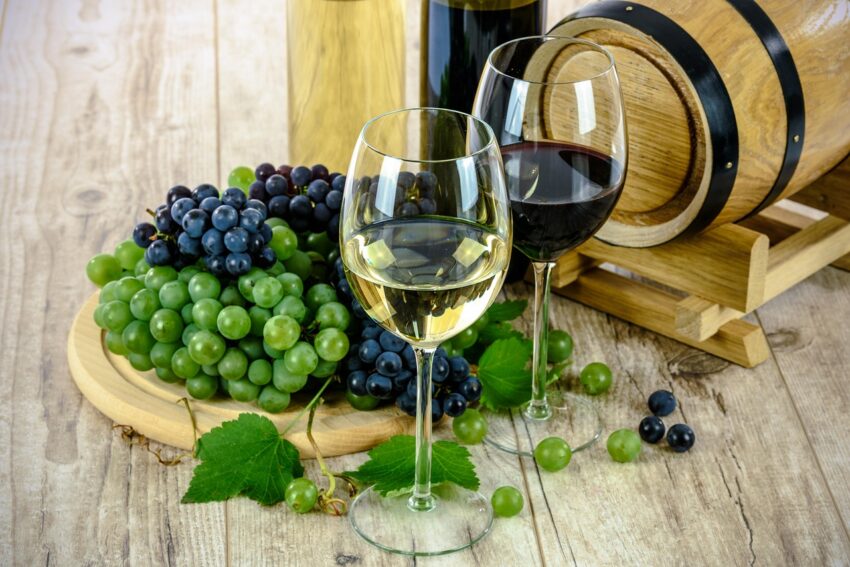
Exploring the world of bold and expressive red wines offers a fascinating entry point into viticulture, winemaking craft, and sensory evaluation. Among full-bodied varieties, shiraz bold and spicy profiles stand out for their intense dark fruit aromas, distinctive peppery notes, and robust structural framework that appeals to discerning adult enthusiasts.
This independent educational guide examines the underlying agricultural, chemical, and stylistic elements that define powerful red wines. By understanding grape development, cellar management, proper storage, and thoughtful food pairing, wine lovers can deepen their appreciation of complex regional styles without relying on marketing terminology or unverified claims.
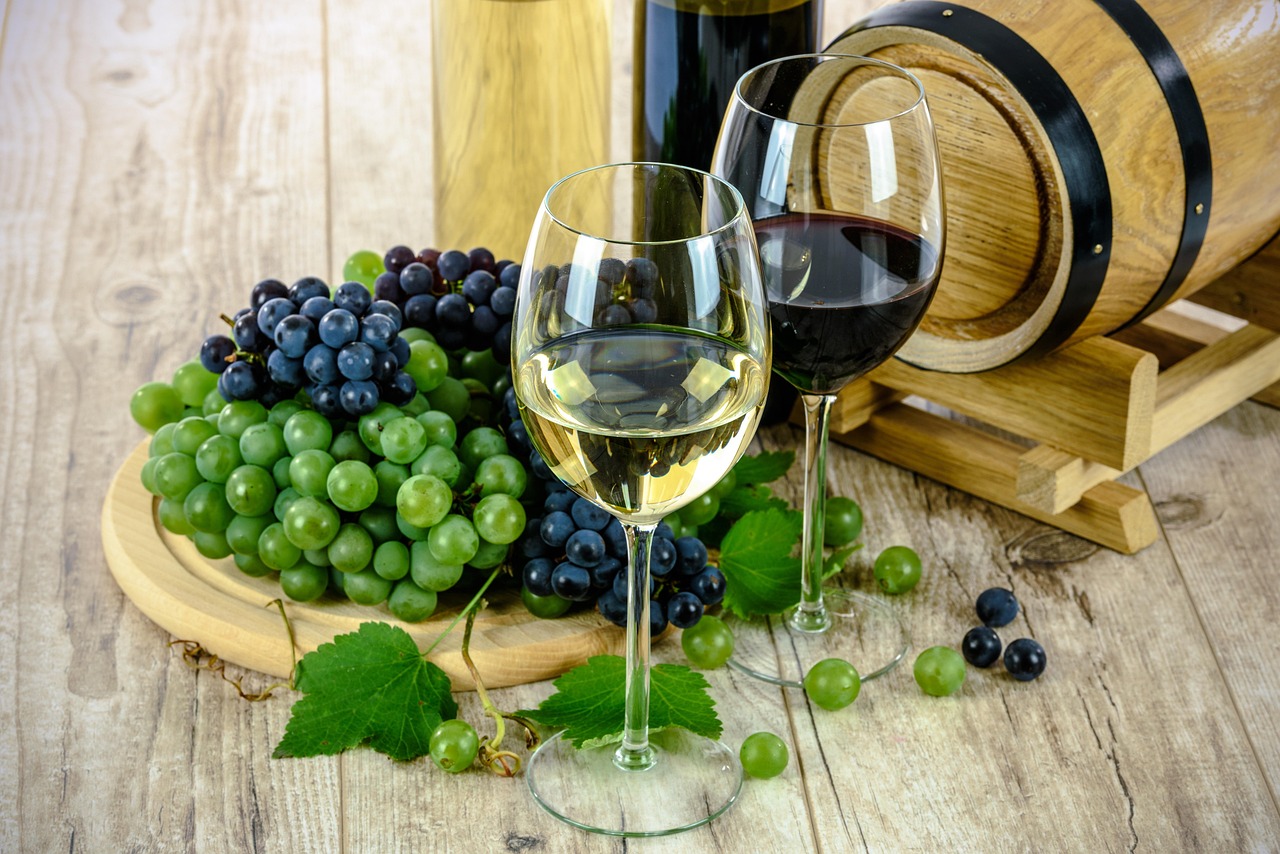
Understanding Shiraz: Characteristics of a Bold and Spicy Red
Shiraz is globally recognized for delivering a powerful sensory experience characterized by deep coloration, high alcohol potential, and pronounced flavor compounds. Examining its core attributes helps tasters identify why certain bottles present an intensely savory and warming profile.
Flavor Profile and Aromas
The primary aromatic profile of a typical shiraz bold and spicy bottle features ripe blackberry, plum, and black cherry. These dark fruit notes are consistently accompanied by secondary aromatics such as black pepper, licorice, clove, and subtle smoked meat characteristics.
These distinct chemical compounds develop naturally during the ripening process within the vineyard. Cool-climate variations often lean heavily toward fresh cracked black pepper and herbal undertones, while warmer regions emphasize lush, jammy fruit and sweet baking spices.
Regional Expression: Old World vs. New World
While the grape variety originates from the Rhône Valley in France—where it is traditionally known as Syrah—its expression shifts significantly when cultivated in other hemispheres. Australian interpretations, frequently labeled as Shiraz, often champion maximum fruit concentration and sun-drenched richness.
Conversely, European styles tend to highlight earthy undertones, higher acidity, and a more restrained structural footprint. Both traditions offer valid educational insights into how regional climate dictates the final balance of a powerful red wine.
Tannin Structure and Body
Tannins are natural polyphenols found in grape skins, seeds, and stems that impart a drying sensation on the palate. In robust red styles, these compounds provide the foundational structure that supports the wine’s rich fruit weight.
A well-crafted bold wine balances these firm structural elements with ample glycerin and alcohol volume, ensuring the mouthfeel remains velvety rather than aggressively astringent. Over time, these tannins polymerize, leading to a smoother texture.
Acid Balance in Full-Red Wines
Acidity acts as the structural spine of any wine, providing necessary freshness to counterbalance high alcohol and intense fruit extraction. Without adequate natural acidity, a heavy red wine can taste flabby and tiring to the palate.
Winemakers carefully monitor malolactic fermentation—a secondary bacterial process that converts sharp malic acid into softer lactic acid—to ensure the finished product retains a harmonious balance between creamy texture and lively freshness.
To fully appreciate these distinct flavor profiles, reading through detailed australian shiraz tasting notes can highlight regional variations.
Viticulture and Climate Factors Influencing Shiraz
The distinctive character of any wine begins long before harvest, deeply rooted in the interplay between vine physiology, climate, and soil composition. Environmental stressors and sunlight exposure play critical roles in shaping regional style.
Sunlight Exposure and Ripening
Vines require adequate sunlight to achieve phenolic ripeness, a stage where tannins and flavor precursors mature fully. Excessive heat, however, can cause rapid sugar accumulation while degrading delicate aromatic compounds.
Canopy management techniques, such as leaf plucking and shoot positioning, allow vineyard managers to regulate sunlight penetration. This ensures the grapes develop balanced sugar levels alongside the characteristic spice and dark fruit notes.
Soil Types and Drainage
Soil composition directly influences root growth, water availability, and nutrient uptake. Shiraz vines planted in ancient granite, schist, or ironstone soils often exhibit remarkable mineral complexity and fine-grained structural tannins.
Good soil drainage prevents waterlogging during heavy rainfall periods, forcing vines to drive their roots deep into the earth. This subterranean exploration enhances vine resilience and contributes distinct regional nuances to the harvested fruit.
Temperature Swings and Diurnal Range
Diurnal range—the difference between daytime high temperatures and nighttime lows—significantly impacts grape chemistry. Warm days drive sugar production, while cool nights preserve vital natural acidity.
Regions experiencing substantial night-time cooling frequently produce wines with exceptional aromatic clarity and vibrant color intensity. This thermal fluctuation is a key factor in developing complex spicy profiles.
Vineyard Management Practices
Sustainable farming and careful yield control are essential for producing high-quality fruit. Pruning strategies determine the number of bud sites, directly influencing crop load and cluster spacing.
Limiting yields concentrates the vine’s resources into fewer bunches, resulting in greater phenolic concentration, deeper pigmentation, and enhanced flavor depth in the final wine.
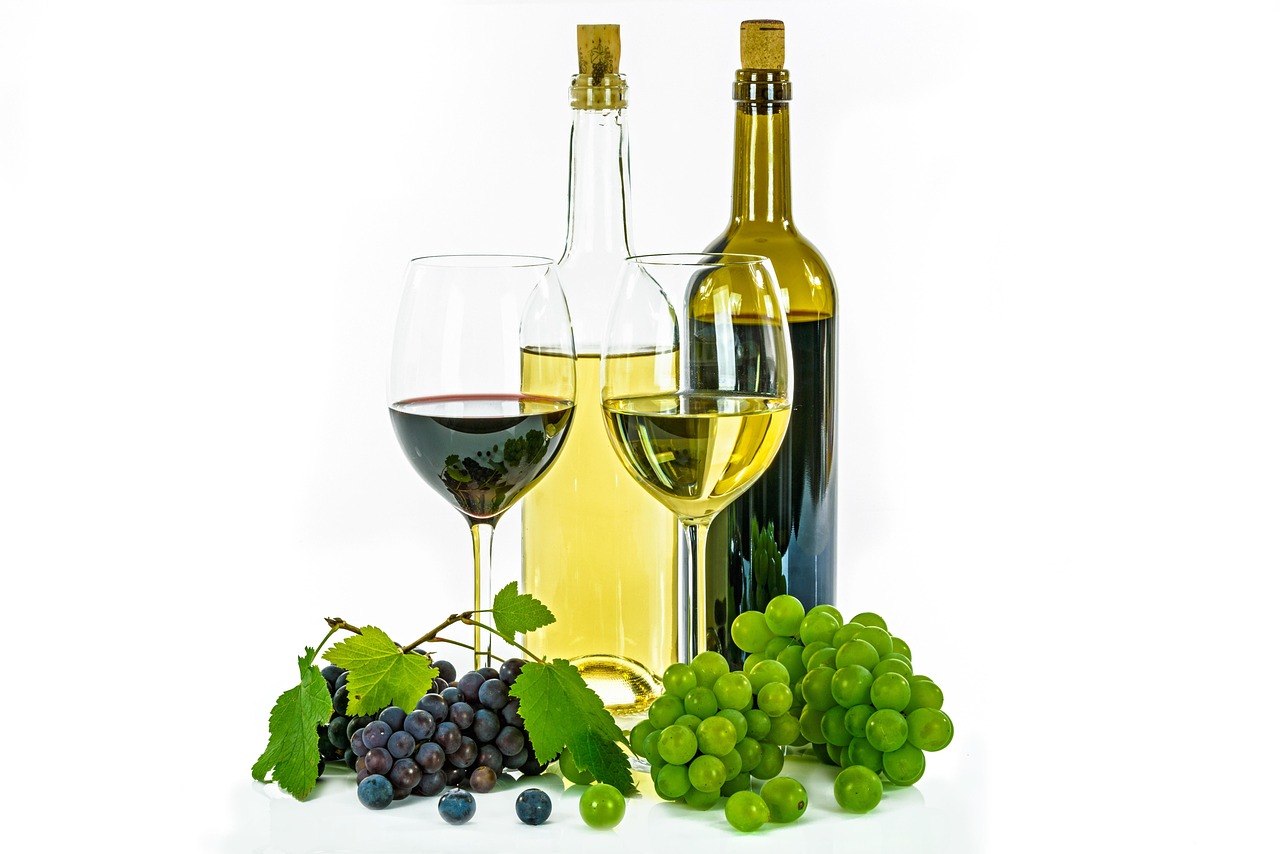
Winemaking Techniques for Bold Styles
Transforming harvested grapes into a concentrated, stable red wine involves precise technical decisions in the cellar. Winemakers utilize various extraction methods and aging vessels to shape the final texture and profile.
Fermentation Temperatures and Extraction
During primary alcoholic fermentation, yeast converts grape sugars into alcohol and carbon dioxide. Elevated fermentation temperatures enhance the extraction of color pigments and phenolic compounds from the grape skins.
Winemakers employ pump-overs or punch-downs to submerge the solid cap of skins and seeds, maximizing contact time and ensuring optimal extraction of flavor, color, and structural tannin.
Oak Aging and Barrel Selection
Maturation in wooden casks profoundly influences the aromatic and structural profile of robust reds. French and American oak barrels impart secondary notes such as vanilla, cedar, smoke, and sweet spice.
The choice between new and neutral oak barrels allows producers to control the degree of wood influence, ensuring the natural fruit characteristics remain the primary focus rather than being overwhelmed by oak tannins.
Blending Traditions
While single-varietal bottlings are common, traditional blending offers another layer of stylistic control. Historically, small percentages of white grapes or complementary red varieties have been co-fermented to lift aromatics and stabilize color.
Skillful blending allows winemakers to achieve consistent balance, marrying the intense power of one parcel with the elegance and aromatic lift of another.
Bottling and Stabilization
Prior to bottling, wines undergo clarification and stabilization processes to ensure visual clarity and microbial stability. Gentle filtration removes suspended solids without stripping away delicate flavor compounds.
Once sealed with cork or alternative closures, the wine enters a period of bottle shock recovery before distribution, continuing its slow evolution in glass.
Winemakers often experiment with different grape combinations, such as a traditional cabernet shiraz merlot blend, to achieve structural balance.
Serving Protocols and Proper Storage Conditions
Proper handling ensures that a complex, full-bodied red wine displays its optimal aromatic and structural balance. Temperature, aeration, and environmental stability are critical factors in the tasting experience.
Temperature Guidelines for Full-Bodied Reds
Serving temperature dramatically affects how a wine is perceived on the palate. Many consumers serve red wine too warm, which accentuates alcohol perception and mutes delicate aromatic compounds.
The ideal serving range for a robust red lies between 16°C and 18°C (60°F–64°F). A brief period in a cool room or wine refrigerator can easily correct a bottle that has been stored in a warm environment.
Decanting Essentials for Young Shiraz
Young, robust red wines often benefit significantly from decanting. Exposing the liquid to oxygen helps soften firm tannins, dissipates any initial reduction aromas, and opens up concentrated fruit notes.
Pouring the wine into a wide-bottomed glass vessel an hour before consumption allows the complex layers of spice and dark fruit to integrate fully and express themselves clearly.
Glassware Selection for Concentrated Aromas
The shape of the wine glass influences how vapors travel to the nose and where the liquid lands on the tongue. Large-bowled, tulip-shaped glasses are ideal for full-bodied red wines.
This design provides ample surface area for oxygen interaction and directs the aromatic compounds toward the rim, allowing the taster to fully appreciate subtle peppery and floral nuances.
Long-Term Cellaring Parameters
For those interested in aging wines, maintaining stable environmental conditions is paramount. Temperature fluctuations, excessive vibration, and direct light exposure can prematurely degrade wine quality.
An ideal storage cellar maintains a constant temperature around 12°C to 14°C (53°F–57°F) with moderate humidity levels of 70 percent, keeping corks moist and preventing oxidation.
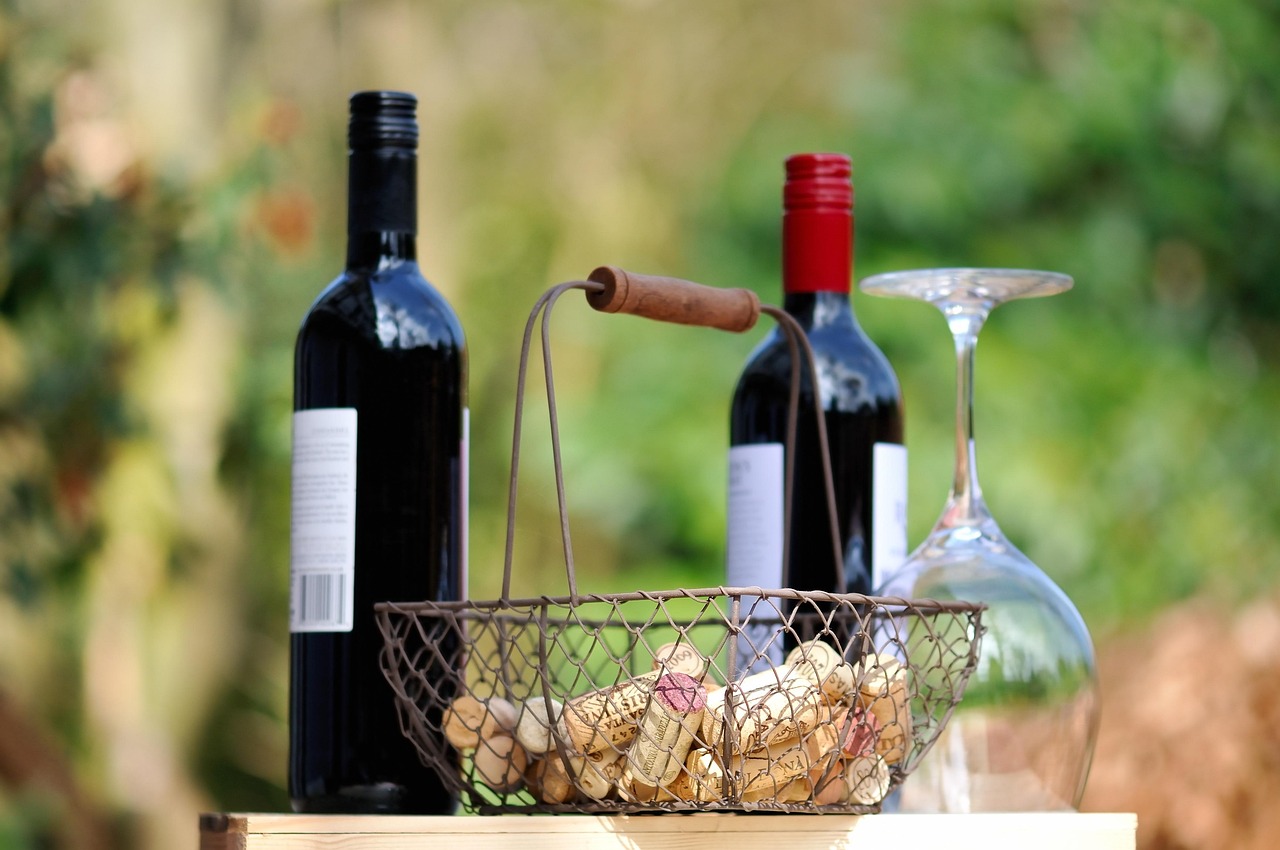
Before pouring your next glass, you might want to consider serving shiraz slightly chilled to alter the tannin profile.
Food Pairing Principles for Spicy and Bold Wines
Pairing food with powerful red wines relies on balancing weight, intensity, and structural components such as tannins and alcohol. Understanding these principles helps create harmonious culinary combinations.
Matching Tannins with Proteins
Tannins bind to proteins and fats in food, which softens their drying effect on the palate while simultaneously enriching the perceived texture of the dish.
Rich proteins such as grilled ribeye steak, roasted lamb, or game meats provide an ideal structural counterpart to the robust tannins found in a concentrated red wine.
Complementing Spice Notes with Savory Dishes
The natural peppery and savory characteristics of a robust red wine pair exceptionally well with dishes seasoned with black pepper, rosemary, thyme, and roasted garlic.
Dishes featuring earthy mushrooms, root vegetables, and braised meats echo the secondary flavor notes in the wine, creating a cohesive and satisfying dining experience.
Navigating High Alcohol and Heat in Cuisine
High alcohol levels can accentuate the perception of heat in spicy chili dishes, potentially creating an unbalanced sensation on the palate. However, moderate spice combined with rich fats is well-managed by full-bodied reds.
Balancing heat with a touch of sweetness or ample dairy fat in the food ensures that the warming nature of the wine enhances rather than overwhelms the meal.
Cheese and Charcuterie Accompaniments
Selecting the right cheeses requires attention to fat content and aging. Hard, aged cheeses like mature cheddar, gouda, or pecorino possess the necessary protein and salt to tame powerful tannins.
Cured meats such as bresaola or dry-cured salami offer savory depth and fat that coat the palate, allowing the fruit and spice profile of the wine to shine brightly.
Frequently Asked Questions About Shiraz and Bold Red Wines
What makes a wine taste bold and spicy?
A bold and spicy profile originates from a combination of grape genetics, regional climate, and winemaking practices. Certain grape varieties naturally synthesize chemical compounds like rotundone, which imparts cracked black pepper aromas. Warm climates drive high sugar accumulation, resulting in elevated alcohol and concentrated dark fruit flavors, while oak aging introduces secondary notes of clove, vanilla, and smoke.
Is there a difference between Shiraz and Syrah?
Genetically, Shiraz and Syrah are the exact same grape variety. The naming convention typically reflects regional stylistic differences. Syrah is traditionally associated with the cooler climate of France’s Rhône Valley, producing more savory, earthy, and restrained wines. Shiraz is the traditional Australian term for the grape, often linked to a warmer climate style featuring lush fruit concentration and a robust, warming palate.
How long should I decant a bold Shiraz?
Young, robust red wines generally benefit from being decanted for one to two hours before serving. This exposure to oxygen helps soften assertive tannins and releases closed aromatic compounds. Older bottles require much less decanting time—often just thirty minutes or simply opening the bottle ahead of time—to prevent fragile aged characteristics from dissipating too quickly in the air.
What foods pair best with high-tannin reds?
High-tannin red wines pair best with dishes rich in protein and dietary fat, as these elements bind to the tannins and soften their drying effect on the palate. Excellent culinary matches include grilled steaks, slow-roasted lamb shoulders, hearty stews, and aged hard cheeses. The fat in the food coats the mouth, creating a smooth and balanced textural interplay with the wine’s structure.
At what temperature should Shiraz be served?
Full-bodied red wines are best served slightly below room temperature, ideally between 16°C and 18°C (60°F–64°F). Serving these wines too warm accentuates the perception of alcohol and flattens delicate fruit aromas. If a bottle has been stored in a warm room, placing it in a refrigerator for twenty to thirty minutes prior to opening will restore optimal balance and freshness.
Can Shiraz be aged for long periods?
Many well-crafted bold red wines possess the necessary structural components—such as high tannin, balanced acidity, and concentrated fruit extract—to age gracefully for a decade or more. Over time, the aggressive tannins polymerize and soften, while the primary fruit notes evolve into complex secondary and tertiary characteristics like leather, earth, and dried fig.