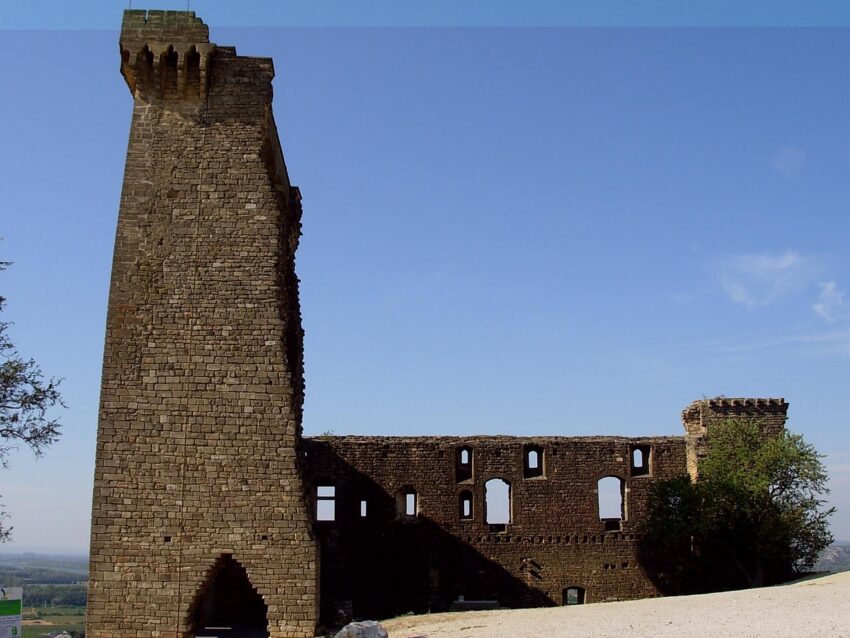
Châteauneuf-du-Pape stands as one of the most historically significant wine regions in the southern Rhône Valley, renowned for producing complex, full-bodied reds and limited white expressions. Developing accurate chateauneuf du pape wine tasting notes requires a structured approach to identifying its diverse aromatic profile, which often combines ripe red fruits, garrigue herbs, and warming spice characteristics derived from Mediterranean sunshine, ancient soils, and careful traditional winemaking methods.
Educational wine tasting focuses on objective structural analysis rather than subjective preference, helping adults appreciate the nuances of viticulture and winemaking. By examining how traditional grape blending, stony soils, and Mediterranean climates influence the final bottled liquid, enthusiasts can systematically decode the unique identity of this celebrated French appellation without relying on commercial marketing tropes, unsupported health claims, or fictional tasting experiences.
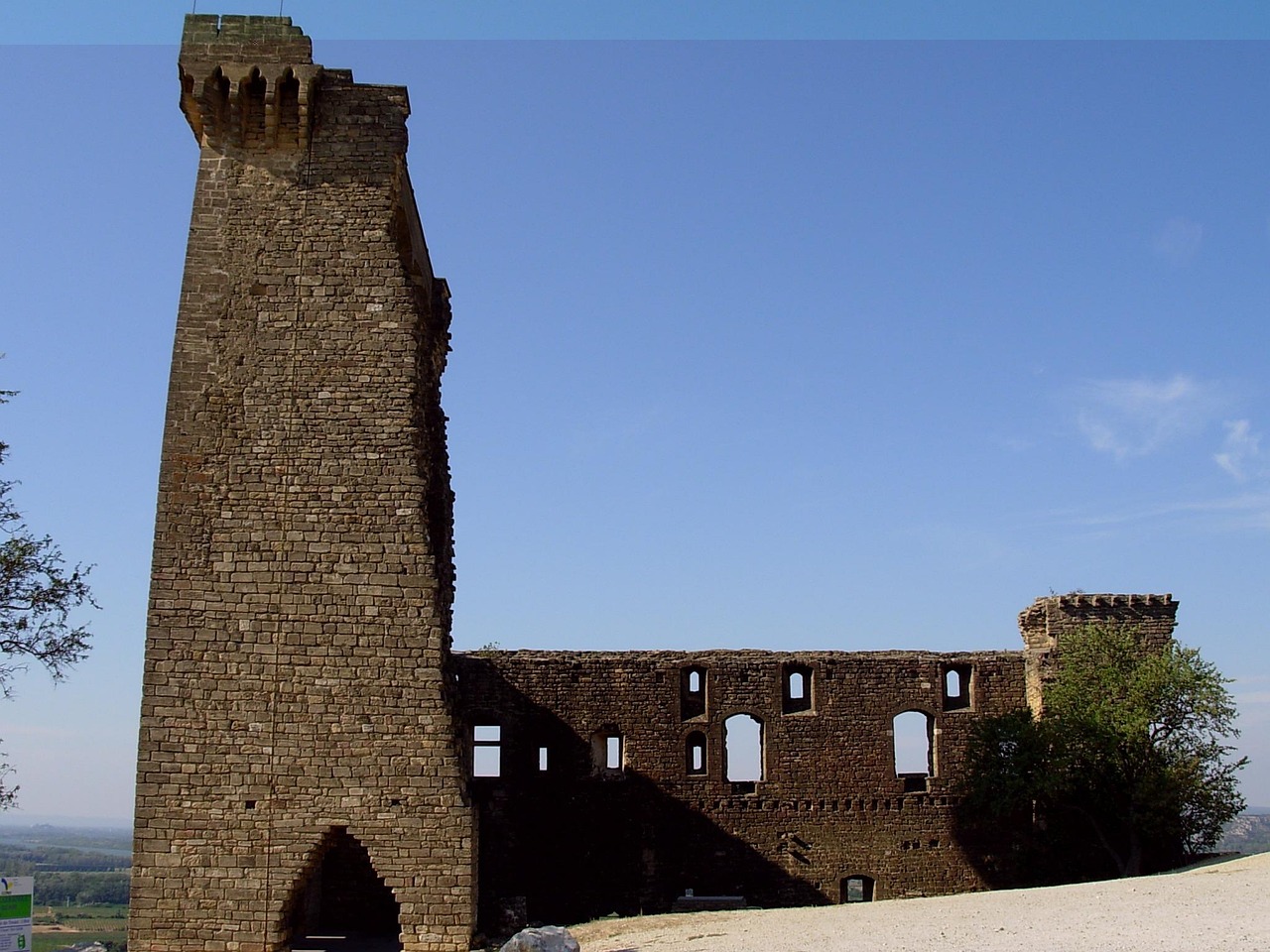
Understanding Châteauneuf-du-Pape Regional Identity
Historical Foundations and Appellation Evolution
The history of the region is deeply tied to the Avignon papacy during the fourteenth century, when popes established summer residences and expanded local vineyards across the sunny terraces. This historical legacy laid the groundwork for strict regional regulations that continue to govern viticultural practices, yield limits, and blending formulas today.
In nineteen-thirty-six, Châteauneuf-du-Pape became one of the earliest official controlled designation systems in France, known formally as Appellation d’Origine Contrôlée. These pioneering rules protected production standards, grape selection, and minimum alcohol levels against industrial dilution, fraudulent labeling, and inferior agricultural shortcuts.
The Distinctive Role of the Rhône Valley Terroir
Terroir encompasses the complex interaction between local geography, climate, soil composition, and human agricultural choices. In the southern Rhône, these environmental factors converge to create ideal conditions for late-ripening Mediterranean grape varieties that thrive under intense solar radiation and seasonal dry spells.
The landscape is characterized by flat or gently rolling terraces exposed to intense sunlight, which ensures complete physiological ripeness of the grapes. This warmth directly shapes the generous fruit core, elevated sugar levels, and high natural potential alcohol found in typical professional tasting notes.
Traditional Blending Philosophies and Grape Varieties
Unlike regions dedicated to single-varietal winemaking, Châteauneuf-du-Pape permits up to eighteen distinct grape varieties, though Grenache dominates the vast majority of red wine blends by providing primary fruit weight, warmth, and generous alcohol levels.
Syrah and Mourvèdre provide structural backbone, deeper color pigmentation, and savory dark fruit elements, while Cinsault and lesser-known white or red varieties add aromatic lift, floral highlights, and textural finesse to the final assemblage.
Winemaking Techniques and Aging Vessels
Traditional winemaking in the appellation often utilizes large oak vats known as foudres, which impart minimal oak flavor while allowing gentle, controlled micro-oxygenation over extended maturation periods.
Some producers also employ concrete tanks or stainless steel vessels depending on the specific flavor profile they wish to preserve in the final blend before bottling.
Practitioners often refine their sensory evaluation skills by comparing blind wine tasting notes against known regional benchmarks to identify subtle nuances.
Core Characteristics and Profile Analysis
Visual Appearance and Clarity Indicators
Evaluating appearance provides initial clues regarding age, extraction level, and grape composition. Young red expressions typically display deep ruby or garnet hues with bright purple rims indicating youthful vigor, high anthocyanin levels, and minimal oxidation during early maturation phases.
As wines mature over decades, the color transitions toward brick-red and amber tones near the edge of the glass due to pigment polymerization and slow oxygen exposure. Observing viscosity through slow-forming tears can also hint at elevated alcohol levels.
Primary Aromas and Botanical Notes
The aromatic profile is frequently anchored by intense red and black fruit aromas, including raspberry, plum, and black cherry. These fruit elements intermingle with distinctive herbal nuances known locally as garrigue, reflecting surrounding wild brush such as lavender, rosemary, and thyme.
Secondary and tertiary notes emerge with bottle age, introducing leather, forest floor, licorice, tobacco, and sweet baking spices like cinnamon and clove, which enrich the overall sensory complexity during a guided educational tasting session.
Palate Structure, Tannin, and Alcohol Integration
On the palate, these wines are typically full-bodied with a rich, expansive texture and moderate to high alcohol content, frequently reaching fifteen percent ABV naturally through intense summer sun exposure and low yields.
Tannins should feel velvety and well-integrated rather than harsh or drying, balanced by sufficient structural acidity to maintain freshness and prevent the wine from feeling overly heavy, flabby, or unbalanced in the glass.
Evaluating Vintage Variations and Weather Impact
Weather variations between years significantly alter flavor profiles, tannin levels, and overall wine balance. Hot, dry years often produce high alcohol levels and intense jammy fruit characteristics.
Conversely, cooler growing seasons can yield wines with greater structural acidity, vibrant red fruit aromatics, and lower overall alcohol percentages, showcasing the vintage year’s unique climatic stamp.
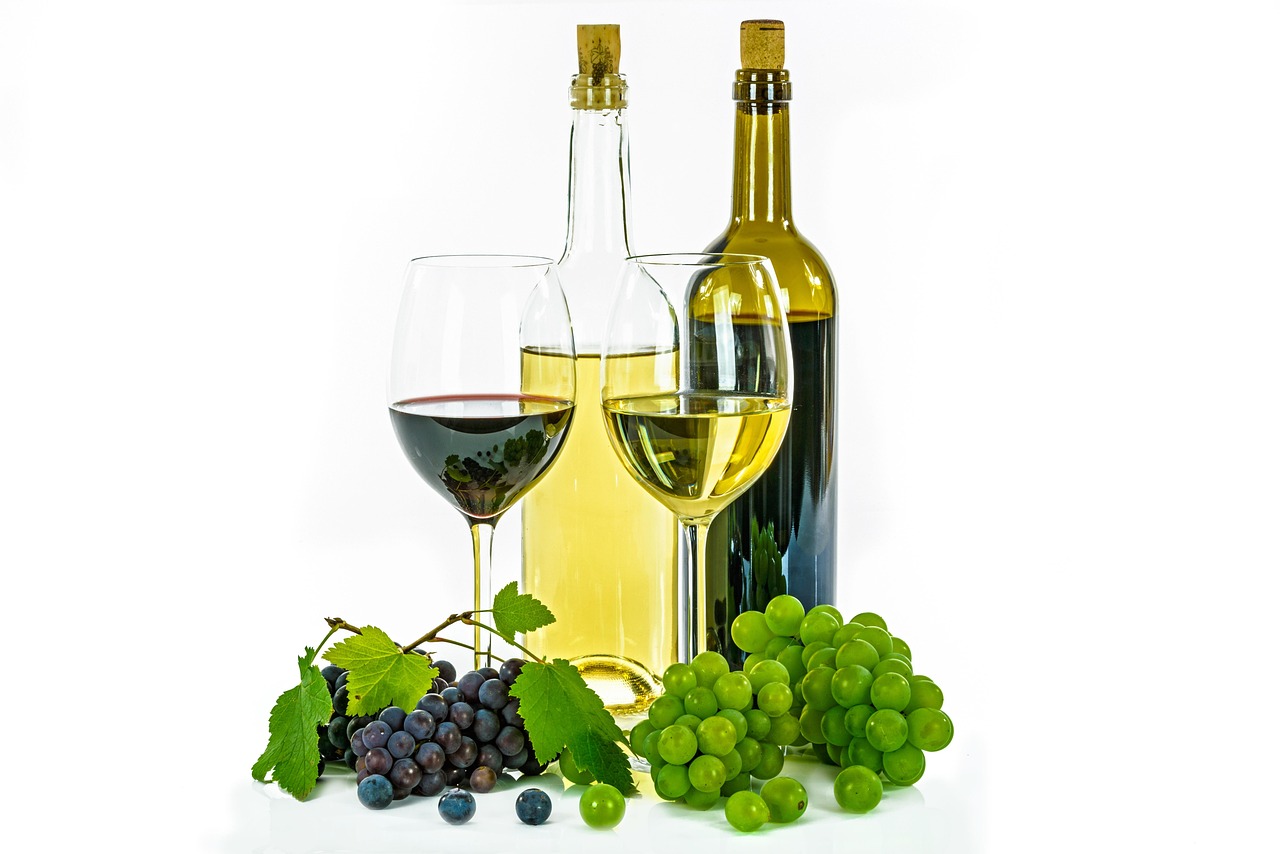
When evaluating white variants, reviewing grenache blanc tasting notes offers valuable insight into the structural acidity and aromatic profile of the region's lighter wines.
Viticultural Practices and Soil Composition
The Famous Galets Roulés Stones
The most iconic visual element of the local landscape is the abundance of round, smooth quartzite stones called galets roulés, transported by ancient glacial meltwater floods down the Rhône river basin.
These stones absorb heat during intense daytime sunlight and radiate it back toward the vines overnight, aiding grape maturity and contributing to the rich profile captured in professional tasting notes.
Climate Influences and Mistral Winds
The Mediterranean climate brings hot, dry summers and mild winters, ensuring reliable growing seasons with minimal disease pressure from excess humidity or moisture in the vineyard environment during crucial ripening periods.
Strong northern winds, known as the Mistral, sweep through the valley regularly. While fierce, these dry winds cool the vineyards, dry damp foliage, and protect vines from various fungal diseases naturally without excessive chemical intervention.
Sustainable Farming and Yield Management
Modern producers emphasize sustainable agricultural methods, including organic farming, cover cropping, and manual harvesting to preserve soil health, microbial diversity, and long-term vine longevity across varied parcels.
Restricting crop yields through careful green harvesting and pruning ensures that the remaining clusters concentrate flavor compounds, resulting in more expressive wines with distinctive regional character and depth.
Serving Protocols and Cellaring Management
Optimal Temperature and Decanting Requirements
Serving temperature significantly impacts how aromatic compounds volatilize and how alcohol is perceived on the palate. Reds are best enjoyed slightly below traditional room temperature, around sixty-one to sixty-five degrees Fahrenheit.
Young bottles benefit from decanting one to two hours before service to oxygenate the wine, soften firm tannins, and release trapped volatile aromatics obscured by youth and sulfur dioxide additions.
Glassware Selection for Complex Reds
Large-bowled, tulip-shaped wine glasses provide adequate surface area for complex, full-bodied reds to interact with oxygen and concentrate aromas toward the rim for olfactory evaluation during tasting.
This design directs the flow of liquid across the palate, highlighting fruit sweetness while balancing the perception of alcohol and structural tannin during a meal or educational session.
Long-Term Storage and Maturation Expectations
Proper cellar storage requires a stable temperature around fifty-five degrees Fahrenheit, moderate humidity, and total protection from direct sunlight and vibration to prevent premature aging and seal degradation.
While many bottles are approachable young, premium selections possess the structural integrity to evolve positively over ten to twenty years, developing savory tertiary aromas over time in the bottle.
Culinary Pairing and Gastronomic Context
Pairing with Robust Meats and Game
The robust profile and grippy tannins make these reds exceptional partners for hearty meat dishes, including roasted lamb, venison, braised beef, and wild boar preparations served with reduction sauces.
The savory protein content in meats softens the perception of alcohol and tannins, creating a harmonious balance on the palate during multicourse dining experiences and formal tastings.
Vegetarian and Root Vegetable Accompaniments
Plant-based pairings can include rich dishes featuring roasted root vegetables, portobello mushrooms, lentils, and Mediterranean stews seasoned generously with rosemary, thyme, garlic, and olive oil.
Earthy mushrooms and caramelized root vegetables mirror the tertiary and herbal undertones found in mature bottles, enhancing the overall gastronomic interplay between food and wine elements.
Cheese Selections and Flavor Interactions
Hard, aged cheeses such as aged gouda, comte, or mature cheddar pair wonderfully, provided the cheese saltiness does not overwhelm the robust wine structure or create metallic finishes.
Creamy blue cheeses can also work when balanced by the fruit concentration and elevated alcohol levels typical of southern Rhône red expressions during specialized cheese pairings.
Comparing robust styles with australian shiraz tasting notes helps sommeliers understand how heavy tannin structures interact with rich protein dishes.
Frequently Asked Questions
What grape varieties are permitted in Châteauneuf-du-Pape?
Up to eighteen different grape varieties are authorized under local appellation rules for both red and white wine production. Grenache serves as the primary base for most red blends, supplemented by structural varieties like Syrah, Mourvèdre, and Cinsault, alongside several permitted white grapes that can be co-fermented or blended into white iterations according to traditional practices.
Why are there large stones in the vineyards?
The famous round stones, known as galets roulés, were transported by ancient glacial meltwater floods down the Rhône river basin. These quartz stones absorb solar heat during hot summer days and slowly radiate that thermal energy back toward the vines throughout the night, assisting with grape maturation and enhancing sugar and flavor concentration in the harvested fruit.
How long can Châteauneuf-du-Pape wines be aged?
Most standard red expressions are approachable within a few years of release, but premium selections possess the necessary structural components—such as tannins, acidity, and extract—to age gracefully for ten to twenty years or more, gradually developing complex tertiary aromas like leather, forest floor, and dried fruit.
What is the ideal serving temperature?
These full-bodied red wines are best served slightly below conventional room temperature, ideally between sixty-one and sixty-five degrees Fahrenheit. Serving them too warm accentuates the perception of alcohol and flattens the delicate aromatic compounds, while chilling them excessively mutes the rich fruit profile and tightens the tannin structure.
Do these wines require decanting before tasting?
Young bottles generally benefit significantly from one to two hours of decanting before service. This process allows oxygen to interact with the dense liquid, softening robust tannins, integrating elevated alcohol levels, and releasing closed or tight aromatic compounds so that the full spectrum of fruit and herbal notes can be experienced.
What foods pair best with this appellation?
Full-bodied reds pair exceptionally well with rich, savory dishes like roasted lamb, game meats, beef stews, and mushroom-based vegetarian preparations. The wine’s structural weight, bold fruit flavors, and herbal garrigue notes complement protein-rich dishes and complex spice combinations without overpowering the natural flavors of the meal.