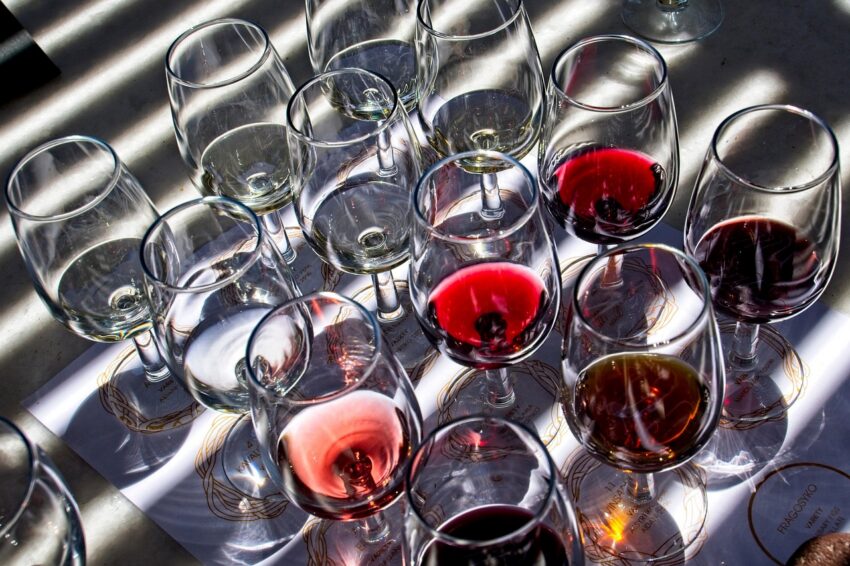
Blind wine tasting notes provide an objective framework for evaluating a wine’s structural components, aromas, and flavors without the influence of label bias, producer reputation, or preconceived vintage expectations. By removing visual cues from the bottle, taster perception shifts entirely to sensory analysis, focusing strictly on what is experienced directly in the glass.
This independent educational guide explores the systematic methods used to record structured observations during blind evaluations. From isolating visual and aromatic clues to deducing grape varieties and regional origins, structured note-taking transforms subjective impressions into reliable analytical data for adult wine enthusiasts.
Fundamentals of Objective Blind Wine Evaluation
Structuring the Assessment Environment
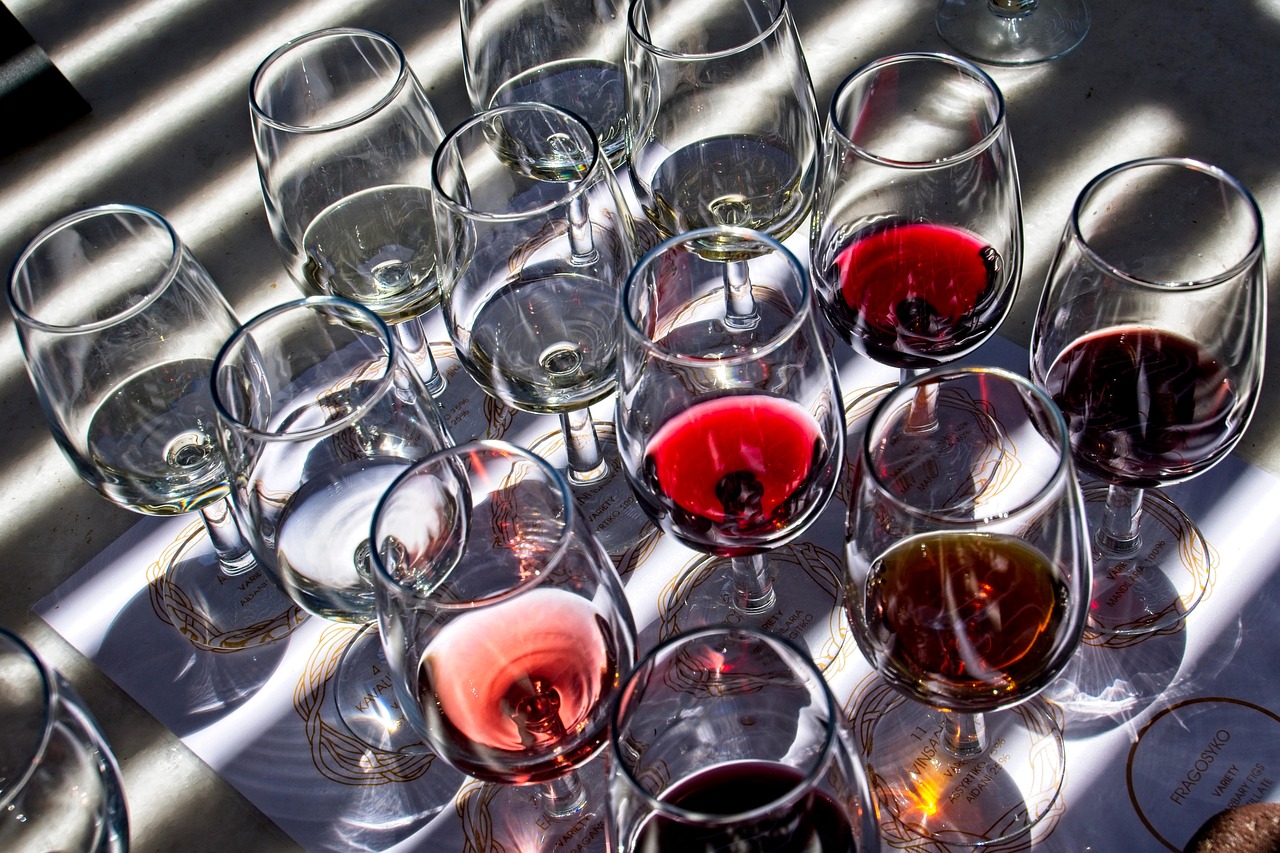
Creating a neutral tasting environment is essential for accurate blind wine evaluations. Assessors must minimize external sensory distractions such as strong ambient aromas, poor lighting, or inconsistent glass shapes. Standardized ISO tasting glasses help maintain uniform volume and aeration across all samples.
Temperature control further ensures that volatile compounds evaporate predictably. Whites served too cold or reds served too warm can obscure subtle structural markers, making neutral conditions vital for reliable note-taking during sessions.
Standardizing Visual Examination Without Bias
Even in a blind setting, visual observation provides foundational clues regarding age, climate, and grape family. Assessors evaluate color intensity, hue variations, and clarity against a white background. Deep purple rims often indicate youth, whereas brick-red or tawny edges suggest maturation.
Viscosity, observed through tears or legs on the inner glass surface, offers preliminary indications of alcohol levels and extract concentrations, though these visual cues must always be verified by subsequent palate examination.
Olfactory Isolation and Aroma Categorization
Isolating aromas requires systematic sniffing techniques to distinguish primary fruit characteristics from secondary fermentation notes and tertiary aging developments. Assessors categorize findings methodically, noting whether fruit profiles lean toward citrus, stone fruit, red berry, or black fruit spectra.
Differentiating these aromatic layers helps narrow down potential grape varieties and cool versus warm climate origins before the wine is even tasted, establishing initial hypotheses for the evaluation sheet.
Palate Structure and Structural Balance
Palate examination shifts focus from aromatics to tactile sensations and structural components. Assessors analyze sweetness levels, acidity, tannin presence, alcohol warmth, and overall body. Balance is achieved when these elements harmonize without any single component dominating aggressively.
Recording these physical sensations accurately requires a disciplined vocabulary that describes texture, weight, and flavor persistence objectively rather than relying on purely preferential adjectives.
Recording Structural Components in Blind Settings
Evaluating Acidity and pH Perception
Acidity provides the backbone and freshness of a wine, perceived primarily as salivation and a crisp sensation along the sides of the tongue. In blind tasting notes, acidity is rated on a continuous scale from low to high, independent of sweetness levels.
Cool-climate wines typically exhibit higher natural acidity, while warm-climate examples often display softer acid profiles. Distinguishing these levels helps identify probable viticultural origins.
Tannin Texture and Phenolic Extract
Tannins impart drying sensations, bitterness, and structure, originating primarily from grape skins, seeds, and oak contact. Assessors record whether tannins feel fine-grained, velvety, chalky, or aggressively astringent. The quantity and ripeness of tannins provide critical clues to grape varieties and winemaking extraction methods.
Red wines with high, grippy tannins often point toward varieties like Cabernet Sauvignon or Nebbiolo, whereas softer textures may suggest Pinot Noir or Merlot.
Alcohol Warmth and Viscosity Indicators
Alcohol contributes to body, weight, and a warming sensation in the back of the throat. Assessors evaluate this warmth carefully to categorize body as light, medium, or full. High alcohol levels frequently correlate with warm-growing regions where grapes accumulate higher sugar concentrations.
Viscosity and perceived weight interact with alcohol and extract, giving the wine its overall physical presence and mouthfeel structure during the tasting assessment.
Persistence and Flavor Finish Length
The finish measures how long enjoyable flavor sensations and structural elements linger after swallowing or spitting the wine. High-quality wines typically exhibit long, complex finishes where flavors evolve rather than fade abruptly into watery or alcoholic notes.
Recording finish length accurately requires timing and focus, noting whether the residual impression is dominated by fruit, mineral, herbal, or oak characteristics.
Observing color variation and lighter acidity is easier when comparing your impressions against published rose wine tasting notes.
Associating Sensory Markers with Grape Varieties
Cool Climate White Varietal Profiles
Cool-climate white varieties often showcase high acidity, pronounced minerality, and lower alcohol levels. Classic markers include green apple, lime, and flint in Riesling or crisp citrus and herbaceous notes in Sauvignon Blanc.
Documenting these specific aromatic compounds helps blind tasters separate cool-region expressions from riper, fruit-forward counterparts produced in warmer viticultural zones across the globe.
Warm Climate White Grape Characteristics
Warm-climate white wines display riper fruit profiles, lower acidity, and fuller bodies. Varieties like Chardonnay grown in warmer regions frequently exhibit tropical fruit aromas, baked apple, and buttery textures derived from malolactic fermentation.
Recognizing these textural shifts allows evaluators to adjust their deductions away from lean, mineral-driven profiles toward richer, sun-drenched equivalents.
Light to Medium Bodied Red Markers
Light- to medium-bodied red wines are characterized by translucent colors, high acidity, and gentle, pliable tannins. Pinot Noir often reveals red cherry, cranberry, and earthy forest floor notes, while Gamay highlights bright red berries and subtle granite minerality.
Accurate note-taking captures these delicate nuances without overstating extraction or tannin weight, guiding the taster toward cooler-climate or lighter-styled red grape varieties.
Full Bodied Red Structural Signatures
Full-bodied reds feature deep pigment, elevated alcohol, and robust structural tannin frameworks. Cabernet Sauvignon typically presents black currant, cedar, and structured pyrazines, while Syrah often incorporates dark plum, black pepper, and meaty savory qualities.
Cataloging these distinct structural signatures during blind sessions helps separate robust New World styles from traditional European counterparts.
When evaluating specific regional styles, reviewing chablis wine tasting notes can help you identify distinct chalky minerality and high acidity.
Deductive Tasting Logic and Varietal Elimination
Establishing Old World Versus New World Origins
Deductive tasting begins by separating Old World styles—which frequently prioritize earth, minerality, and lower alcohol—from New World styles, which often emphasize fruit purity and higher alcohol. Evaluating acidity and structural balance acts as a primary divider.
Notes should clearly indicate whether structural or fruit elements take precedence, forming the foundation for regional elimination steps.
Assessing Vinification Techniques from Texture
Winemaking choices leave distinct sensory footprints that must be recorded. Barrel aging introduces vanilla, toast, and oxygen-softened tannins, while stainless steel preservation maintains crisp primary fruit. Malolactic fermentation imparts creamy textures and buttery aromas.
Identifying these cellar techniques helps eliminate incompatible grape varieties and refines the scope of potential regions during blind analysis.
Eliminating Improbable Options Systematically
Systematic elimination relies on cross-referencing observed characteristics against known viticultural parameters. If a wine displays high acidity, green fruit, and no oak, heavy-bodied warm-climate varieties are logically removed from consideration.
Maintaining a structured elimination checklist prevents confirmation bias and ensures that final conclusions rest strictly on recorded sensory evidence.
Refining Final Conclusions on Origin and Vintage
The final stage of blind evaluation involves synthesizing all recorded notes into a cohesive conclusion regarding grape variety, country, region, and vintage range. Assessors weigh climatic indicators against vintage weather charts.
While absolute precision on vintage and producer is difficult, structured deductive logic allows evaluators to narrow possibilities down to specific families and styles with consistent accuracy.
To better understand bold fruit profiles during deduction, studying australian shiraz tasting notes offers clear benchmarks for high alcohol and spice.
Practical Strategies for Independent Wine Study
Building an Objective Tasting Group
Independent study benefits significantly from collaborative tasting groups where members pool resources and blind-bottle wines for one another. Group discussions encourage objective debate over subjective preferences, refining analytical vocabulary.
Establishing clear guidelines for flight themes—such as comparing single varietals across different continents—enhances structural comparative skills.
Designing Single-Blind and Double-Blind Flights
Flight design should be intentional, starting with single-blind formats where the taster knows the options but not the order, progressing eventually to double-blind settings where all bottle identities are completely concealed.
Wrapping bottles in foil or using paper bags prevents accidental visual cues, ensuring that note-taking remains genuinely blind and rigorous.
Maintaining Accurate Long-Term Tasting Records
Consistent record-keeping allows tasters to track improvement and identify recurring sensory blind spots. Digital spreadsheets or dedicated tasting journals should capture date, flight structure, detailed notes, and final deductions alongside actual reveals.
Reviewing past entries highlights patterns in misidentifying specific structural markers or regional styles over time.
Avoiding Common Sensory Bias Traps
Tasters must remain vigilant against cognitive biases such as the halo effect, where a pleasant bottle shape or high price expectation skews sensory notes. Calibrating the palate with neutral water and plain crackers between samples maintains sensory acuity.
Focusing strictly on recorded physical evidence rather than emotional impressions ensures long-term reliability in blind evaluations.
Frequently Asked Questions
What is the primary purpose of writing blind wine tasting notes?
Blind wine tasting notes provide an objective framework for evaluating a wine’s structural components, aromas, and flavors. By removing visual cues from the bottle and hiding producer identity, tasters eliminate label bias and preconceived expectations. This sensory isolation ensures that conclusions regarding grape variety, age, and regional origin rely strictly on physical evidence observed directly in the glass rather than external reputation.
How should visual observations be recorded during a blind tasting?
Visual observations should record color intensity, hue variations, and clarity against a neutral white background. Assessors evaluate rim variation to gauge potential aging patterns, while observing viscosity and legs to estimate alcohol and extract levels. Although visual cues alone are rarely sufficient for definitive identification, they establish vital preliminary parameters that narrow down grape families and climate influences before the wine is tasted.
Why is structured aroma categorization important for blind analysis?
Systematic aroma categorization helps tasters distinguish primary fruit characteristics from secondary fermentation markers and tertiary aging notes. Grouping findings into specific families—such as citrus, stone fruit, red berry, or earth—allows evaluators to map aromatic profiles against known varietal tendencies. This structured approach prevents random guessing and builds a logical foundation for identifying cool versus warm climate origins.
How do tasters differentiate between cool and warm climate wine styles?
Cool-climate wines typically feature higher natural acidity, lower alcohol levels, and leaner fruit profiles with pronounced minerality. Conversely, warm-climate wines display riper fruit characteristics, lower acidity, and fuller alcohol bodies with softer textures. By accurately recording these structural components during palate evaluation, blind tasters can effectively separate traditional European regions from sun-drenched New World viticultural areas.
What role do tannins play in evaluating red wine samples?
Tannins impart drying sensations, bitterness, and structural grip, originating from grape skins, seeds, and oak maturation. Assessors record whether tannins feel fine-grained, velvety, chalky, or aggressive. The concentration and ripeness of these tannins provide critical clues to grape varieties and winemaking extraction methods, helping distinguish robust varietals like Cabernet Sauvignon from lighter-styled alternatives like Pinot Noir.
How can independent tasters avoid confirmation bias during sessions?
Independent tasters can minimize confirmation bias by establishing rigorous single- or double-blind flight conditions, using neutral tasting environments, and adhering to strict evaluation checklists. Cleansing the palate between samples and focusing purely on recorded physical evidence rather than desired outcomes ensures that final deductive conclusions remain objective, consistent, and scientifically grounded.