Finding the ideal temperature for a wine fridge celsius setting is essential for maintaining the structural integrity, flavor profile, and aging potential of both red and white bottles. Most dedicated dual-zone or single-zone refrigeration units operate efficiently when configured to standard preservation baselines that protect delicate organic compounds from damage.
While personal preferences and specific varietal characteristics dictate minor adjustments, a consistent range between 11 and 14 degrees Celsius provides a reliable equilibrium. This thermal window prevents premature aging while protecting the liquid from thermal shock, aggressive expansion, and the rapid degradation of delicate volatile aromas during storage.
Temperature Foundations and Cooling Science
The Physics of Thermal Expansion in Glass
Temperature fluctuations cause the liquid inside sealed wine bottles to expand and contract continually throughout the day and night. This physical movement exerts pressure against the natural cork closure, potentially compromising the tight seal and allowing unwanted oxygen ingress that ruins the beverage.
Maintaining a stable environment eliminates these minor shifts entirely. When evaluating the ideal temperature for wine fridge celsius operation, thermal stability is often far more critical than hitting an exact, arbitrary numerical target on the digital thermostat display.
Understanding Celsius Ranges for Preservation
The broad scientific consensus establishes 10 to 15 degrees Celsius as the standard preservation range for mixed collections. Within this safe window, chemical reactions slow down sufficiently to prevent the beverage from spoiling prematurely or losing its distinct varietal character.
Lowering the internal thermostat significantly below 10 degrees Celsius does not enhance long-term longevity. Instead, overly cold environments can arrest necessary maturation processes and alter the physical behavior of tartaric acid crystals within the liquid.
Humidity and Vibration Management
Temperature control units must also manage internal humidity levels effectively to prevent natural corks from drying out over time. Adequate moisture keeps closures pliable and maintains an airtight barrier across years of quiet storage in the dark.
Mechanical vibrations from cooling compressors can disturb delicate sediments in older bottles during storage. Selecting a specialized appliance designed with vibration-dampening inverter technology protects the liquid from constant physical agitation that interferes with proper aging.
Maintaining the correct temperature for red wine helps prevent premature aging and preserves delicate chemical structures over time.
Differentiating Storage Versus Serving Temperatures
Long-Term Storage Baselines
Long-term cellaring requires a uniform thermal state to allow complex aromatic compounds to develop slowly over many years. The ideal temperature for wine fridge celsius calibration in this context sits comfortably near 12 degrees to mirror natural subterranean conditions.
This moderate coolness mimics traditional underground cellars, ensuring that chemical transformations occur at a predictable, manageable pace without exposing the organic constituents to sudden heat spikes that permanently destroy subtle fruit expressions.
Immediate Serving Adjustments
Wines rarely taste their absolute best straight out of a cold storage unit because low temperatures suppress volatile aromatic compounds. Letting a red bottle rest on the counter for a short period allows these desirable aromas to express themselves fully.
Conversely, sparkling and light white varieties benefit from cooler profiles during actual consumption. Their service ranges demand lower temperatures to highlight crisp acidity and suppress the perception of excessive ethanol warmth on the palate.
Dual-Zone Appliance Configurations
Dual-zone refrigeration units solve the practical conflict between long-term storage requirements and immediate consumption temperatures. These sophisticated cabinets feature independently controlled compartments tailored to distinct thermal parameters for maximum user convenience.
Owners can allocate the upper chamber for whites at cooler settings while keeping the lower section at standard preservation warmth. This dual approach maximizes convenience and protects diverse inventory styles without requiring separate appliances.
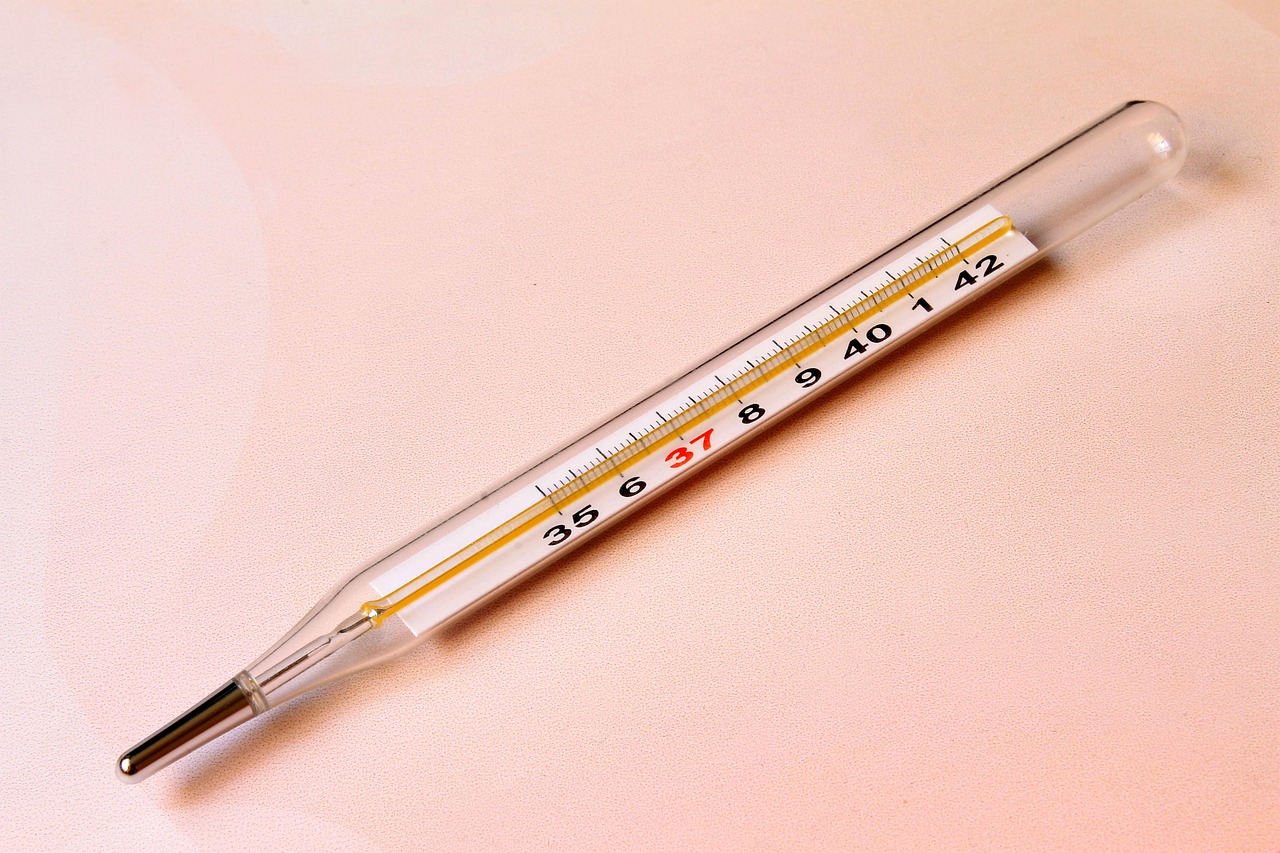
When setting up your cooling system, understanding the correct temperature for white wine fridge compartments ensures optimal preservation.
Grape Varieties and Their Thermal Tolerances
Full-Bodied Red Grapes and Warmth
Robust red varieties like Cabernet Sauvignon and Syrah tolerate slightly higher storage thresholds than delicate white styles. However, exceeding 18 degrees Celsius risks baking the fruit flavors and stripping away the fresh, lively characteristics that define quality winemaking.
The ideal temperature for wine fridge celsius targets for structured reds remain steady near 13 to 15 degrees, balancing fruit expression with subdued tannin perception during the final dining or tasting experience.
Delicate White and Aromatic Grapes
Aromatic white grapes such as Riesling, Gewurztraminer, and Sauvignon Blanc demand cooler environments to preserve their volatile thiol compounds. Excessive warmth rapidly degrades these fragile, floral aromatic profiles and leaves the wine tasting tired and heavy.
Keeping these bottles between 8 and 10 degrees Celsius maintains their vibrant, zesty appeal throughout storage. It locks in the bright fruit notes and crisp acidity that define these refreshing, cool-climate styles.
Sparkling Wine Pressure and Cold
Sparkling wines rely heavily on dissolved carbon dioxide, which stays securely bound to the liquid under colder conditions. Maintaining low temperatures prevents premature effervescence loss upon opening and preserves the lively bubble structure.
Traditional method sparklers handle cooler thresholds exceptionally well, provided the cooling mechanism avoids freezing points that could structurally compromise the bottle glass under high internal pressure.
Viticultural Influences on Storage Potential
Tannin Structures and Aging Dynamics
The concentration of natural phenolics and tannins in a wine directly dictates its capacity for long-term maturation. High-tannin reds require stable, cool conditions to polymerize compounds gracefully over years of quiet bottle evolution.
Monitoring the ideal temperature for wine fridge celsius settings ensures these slow chemical reactions proceed without interruption. Heat accelerates tannin breakdown, leading to flat, unbalanced structural profiles and unpleasant astringency.
Acidity Levels and Microbial Stability
High acidity acts as a natural preservative, protecting the liquid from microbial spoilage and unwanted oxidation. Cool storage temperatures reinforce this defensive barrier, keeping volatile acidity safely in check across extended cellaring periods.
When acidity drops too low due to warm ambient conditions, the beverage loses its structural backbone, resulting in a flabby mouthfeel and unappealing flavor evolution over time that diminishes overall balance.
Harvest Ripeness and Residual Sugar
Late-harvest styles and sweet dessert wines possess high sugar content, which naturally inhibits certain types of spoilage. Even so, these rich bottles require consistent cooling to prevent oxidation and maintain structural vibrancy.
Storing sweet styles at moderate cellar temperatures protects their complex honeyed and dried-fruit characteristics from turning into heavy, oxidized molasses profiles over extended aging periods in storage.
Serving Protocols and Food Pairing Guidelines
Pairing Heavy Proteins with Structured Reds
Pairing rich meats with robust reds requires careful attention to serving temperature. A slightly warmer red highlights savory proteins while softening harsh astringency in the mouth for a more harmonious dining experience.
Ensuring the bottle comes up from the ideal temperature for wine fridge celsius settings to standard ambient room warmth enhances the overall culinary synergy during heavier meals featuring beef or lamb.
Acidic Whites and Delicate Seafood
High-acid white selections cut through rich, buttery seafood textures effortlessly during meals. Serving these chilled wines maintains their refreshing edge and cleanses the palate between savory bites of fish and crustacean dishes.
Precision cooling prevents the beverage from tasting overly sharp or austere, balancing the natural mineral qualities against the delicate sweetness of seafood preparations without masking subtle flavors.
Temperature Transitions During Dinners
Multi-course meals often transition from light whites to heavy reds, requiring thoughtful planning by the host. Decanting and gradual warming allow each bottle to reach its optimal sensory expression before guests pour their glasses.
Avoid artificial heating methods like microwave appliances or hot water baths, as rapid thermal changes destroy delicate aromatic compounds and permanently ruin the balance of the liquid inside the glass.
Before enjoying your meal, make sure you know the ideal temperature to drink red wine for the best tasting experience.
Frequently Asked Questions
What is the ideal temperature for wine fridge celsius settings?
The ideal temperature for wine fridge celsius calibration generally falls between 11 and 14 degrees Celsius for mixed collections. This specific range provides a stable environment that slows premature chemical aging while preventing cork degradation. If you store exclusively red or white varieties, you can make minor adjustments, but this baseline successfully protects the structural integrity and aromatic profile of standard bottles over long storage periods.
Can I store red and white wine together at the same temperature?
Yes, storing red and white bottles together at a single moderate temperature around 12 degrees Celsius is entirely acceptable for medium-term preservation. While whites prefer slightly cooler conditions and big reds can handle a bit more warmth, a unified compromise setting prevents damage. Dedicated enthusiasts often use dual-zone cabinets to optimize both styles simultaneously, but a single stable zone remains a practical and effective option for most casual collectors.
Does rapid temperature change ruin wine permanently?
Rapid temperature shifts can cause the liquid inside the bottle to expand and contract aggressively, pushing past the cork and introducing oxygen. This thermal shock accelerates oxidation, flattens vibrant fruit characteristics, and produces cooked or stewed flavor defects. While a single minor fluctuation may not render a bottle undrinkable, repeated exposure to dramatic thermal swings will severely compromise the flavor profile and ruin the long-term aging potential completely.
Why is 18 degrees Celsius considered too warm for storage?
Temperatures reaching 18 degrees Celsius or higher accelerate chemical reactions within the bottle at an unnatural rate. This accelerated pace causes the wine to age prematurely, losing its fresh aromatic complexity long before its time. Furthermore, sustained warmth encourages the degradation of delicate organic compounds, turning balanced flavors into heavy, dull, and oxidized mixtures that lack the vibrant structural acidity required for proper development.
How does humidity affect wine fridge performance?
Humidity control works hand in hand with temperature regulation inside a dedicated storage unit. An internal humidity level between fifty and seventy percent prevents natural corks from drying out, shrinking, and allowing harmful air infiltration. If the air becomes too dry, the seal fails; if it becomes overly saturated, mold can develop on labels and packaging. Balancing these two environmental factors ensures your collection remains safe.
Should I chill red wine before serving it?
Giving full-bodied red wines a brief chill before opening can significantly enhance their aromatic presentation. Many modern rooms are kept too warm for optimal tasting, making room-temperature reds feel overly alcoholic. Placing a bottle in the refrigerator for twenty to thirty minutes brings it closer to the recommended serving range of 15 to 18 degrees Celsius, which subdues excessive alcohol warmth and highlights fresh fruit flavors.