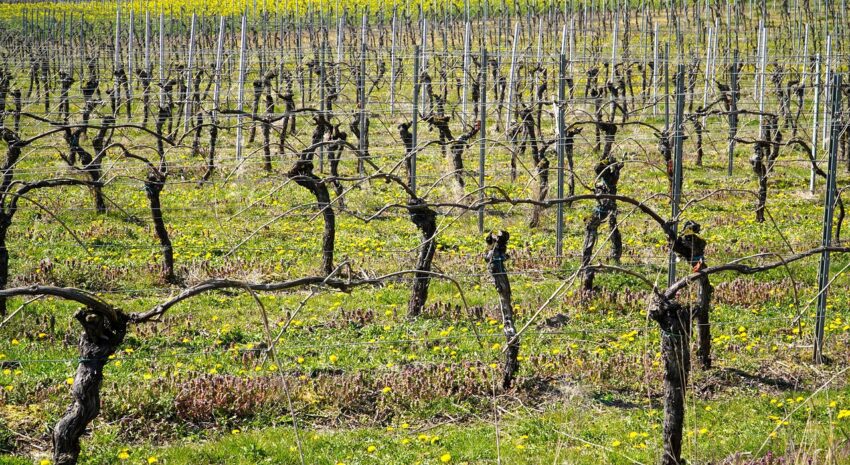
Pruning wine grape vines is a foundational viticultural practice that dictates both fruit quality and vine longevity. By selectively removing one-year-old wood and shaping the permanent structure, growers regulate crop load and canopy microclimates to ensure balanced annual development.
Independent educational resources emphasize that proper pruning requires understanding plant physiology rather than following rigid formulas. Every vine responds to geographical constraints, soil fertility, and variety-specific growth habits, making informed mechanical decisions essential for vineyard productivity.
1. Fundamentals of Grapevine Anatomy and Growth Cycles
Understanding the Permanent Framework
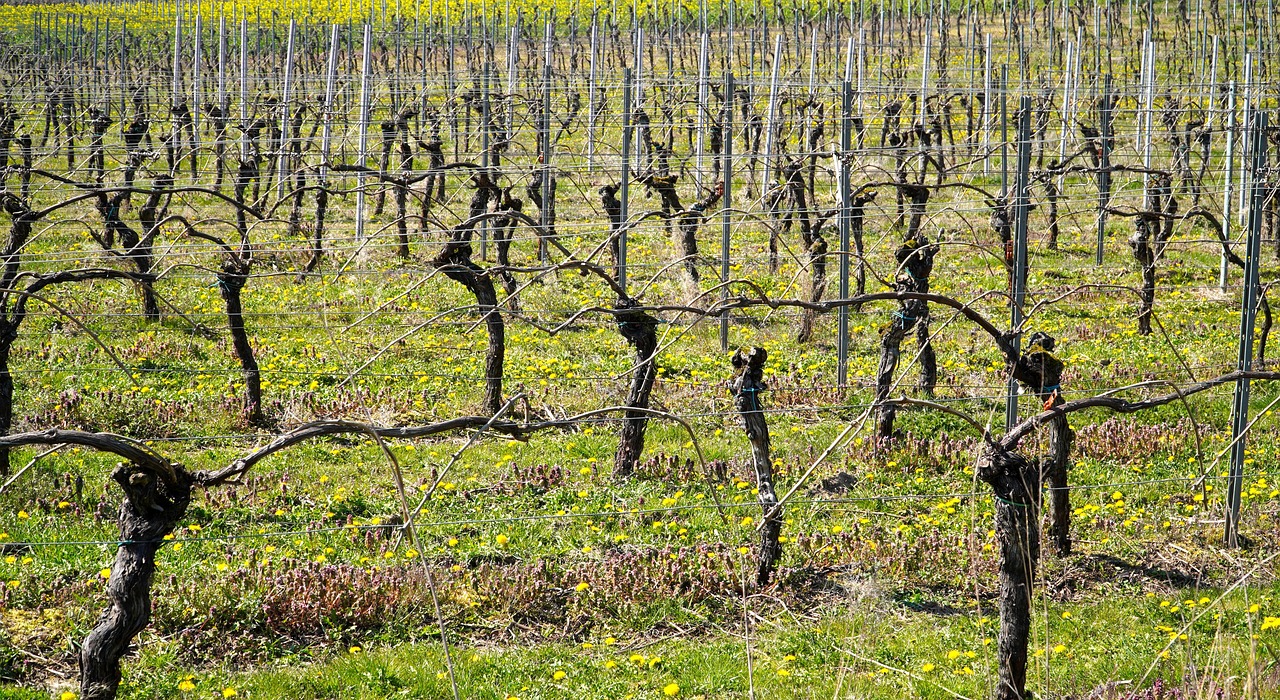
The permanent framework of a cultivated grapevine consists of the trunk, arms, and cordons established over multiple years of growth. This woody structure supports the vascular system that transports water and nutrients from the root system to the canopy. Pruning maintains this infrastructure by removing exhausted wood while preserving healthy, well-positioned components. Recognizing the distinction between old wood and annual growth is the primary step in effective vineyard management.
Annual Shoots and Bud Placement
Annual shoots emerge from buds formed during the previous growing season along one-year-old wood. These current-season shoots carry the leaves, tendrils, and grape clusters. Pruning decisions directly control how many buds remain on the vine, thereby determining the potential crop size for the upcoming vintage. Careful observation of bud spacing prevents overcrowding and ensures each shoot receives adequate sunlight and air circulation.
The Role of Dormancy in Vine Health
Grapevines enter dormancy after leaf fall in autumn, halting active vegetative growth until spring warming triggers bud break. During this dormant window, reserves are stored securely within the roots and permanent trunk tissues. Pruning while the vine is fully dormant minimizes sap loss and prevents shock, allowing the plant to heal minor wounds before spring growth resumes. This timing protects overall vine vigor.
How Pruning Shapes Yield and Vigor
Pruning acts as a natural balancing mechanism between vegetative vigor and reproductive yield. Leaving too many buds results in an over-cropped vine with diluted fruit quality, while severe pruning stimulates excessive leaf growth at the expense of fruit set. Independent educational guides recommend tailoring bud numbers to the specific capacity of individual vines, ensuring sustainable productivity year after year.
For related wine guidance, see cane pruned grape varieties.
2. Core Pruning Systems: Cane Versus Spur Training
Guyot and Cane Pruning Mechanics
Cane pruning, often associated with systems like the single or double Guyot, relies on selecting a single one-year-old cane from the previous season to bear the upcoming crop. This cane is bent and tied horizontally to a trellis wire, while a nearby renewal spur is cut back to two buds. The renewal spur produces the wood that will become next year’s fruiting cane. This method is common in cooler climates where renewal flexibility is essential.
Cordons and Spur Pruning Basics
Spur pruning utilizes permanent horizontal arms called cordons, spaced along trellis wires. Along these cordons, small two-bud growths called spurs are spaced evenly at regular intervals. Each winter, the shoot that grew from the spur is cut back to just two basal buds. This system simplifies annual maintenance and is widely adopted in mechanized or high-vigor vineyards due to its predictable structure.
Selecting Wood for the Upcoming Season
Selecting healthy wood is critical regardless of the chosen training system. Ideal fruiting wood consists of pencil-thick canes with moderate internode length, indicating balanced vigor. Extremely thin canes lack stored carbohydrate reserves, while overly thick, vigorous canes—often called water sprouts or bull canes—typically produce poor-quality fruit. Growers discard substandard wood in favor of resilient, sun-exposed canes.
Balancing Load Across the Trellis Wire
Trellis wire management requires distributing buds evenly to prevent localized crowding. Whether arranging canes or spacing spurs, the goal is a uniform canopy curtain that maximizes light interception. Uneven distribution leads to shaded clusters, uneven ripening, and increased susceptibility to fungal pressure. Proper layout ensures efficient harvesting and canopy maintenance later in the season.
For related wine guidance, see grapes when to harvest.
3. Timing and Seasonal Planning for Vineyard Maintenance
Mid-Winter Dormancy Windows
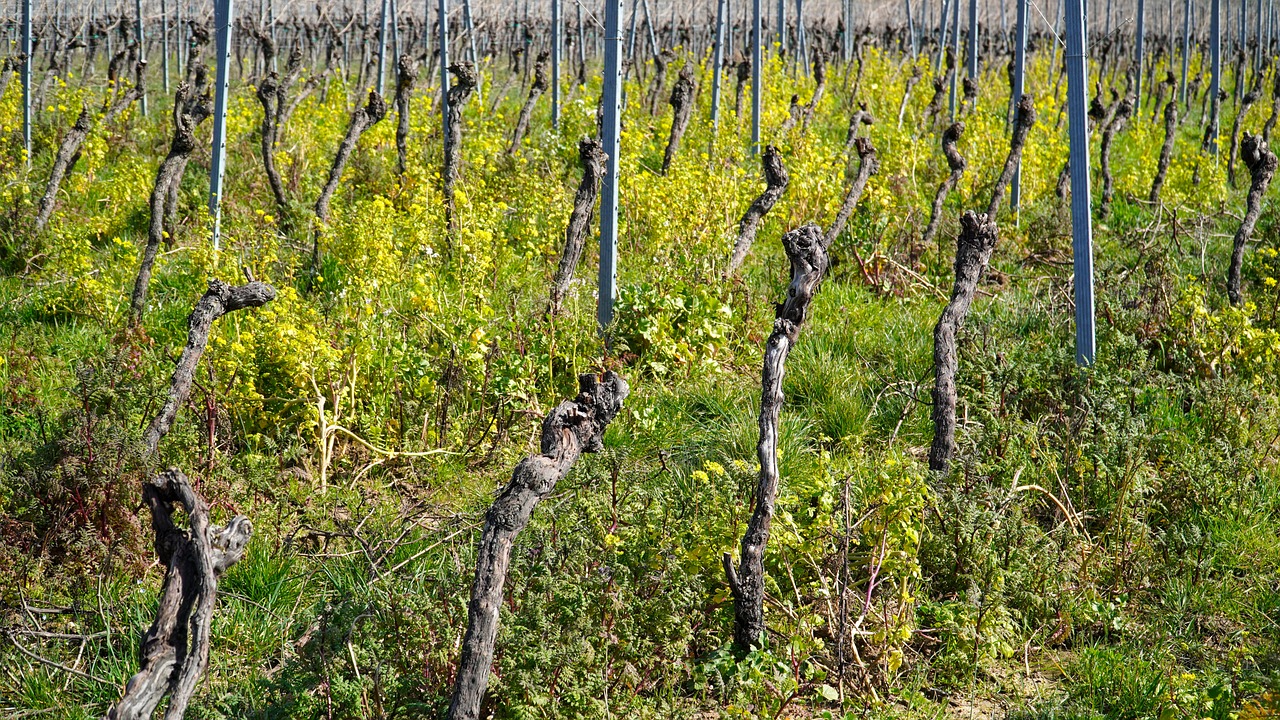
The optimal window for pruning occurs during deep winter dormancy, typically from December through February in the Northern Hemisphere. During this period, ambient temperatures are low enough to keep vines completely inactive, reducing the risk of pathogen entry through fresh pruning wounds. Starting too early in autumn can expose unhardened tissue to frost damage, while waiting until late spring risks heavy sap bleeding.
Managing Late-Frost Risks and Bleeding
Late winter pruning can sometimes induce sap flow, commonly referred to as bleeding, which is a normal physiological response as root pressure resumes. While bleeding rarely harms the vine, it can create moisture on surrounding buds. In frost-prone regions, some growers practice delayed pruning or double pruning—leaving a longer protective stub initially and cleaning it up later—to mitigate the impact of spring frost events.
Tools and Sanitization Protocols
Maintaining clean, sharp tools is essential for making precise cuts that heal quickly. Dull blades crush vascular tissues, creating ragged wounds that invite fungal spores and bacterial infections. Growers routinely sanitize pruning shears and saws between vines using approved solutions to prevent the transmission of trunk diseases such as Eutypa or Esca across the vineyard blocks.
Disposing of Pruned Canes Safely
Pruned canes removed from the canopy often harbor overwintering fungal spores or insect pests. Standard vineyard hygiene involves pulling these canes from the wires and either flailing them with a tractor-mounted shredder to decompose or removing them from the row entirely. Proper disposal reduces inoculum levels and protects the emerging canopy from early-season infections.
For related wine guidance, see wild yeast fermentation wine.
4. Correct Cut Placement and Wound Healing in Vines
Avoiding Stub Death and Dieback
Proper cut placement prevents unnecessary dieback of permanent wood. When removing a shoot, cuts should be made cleanly without leaving an excessively long stub that will dry out and die, nor should they cut flush into the base where they damage the main cordon. A slight angle pointing away from the remaining bud protects the primary growing point from drying winds.
Making Clean Angles for Water Runoff
Cutting at a slight downward angle away from the nearest bud encourages rainwater and condensation to run off the wound surface rather than pooling on the exposed tissue. Keeping the wound face dry inhibits the germination of fungal spores. Precision in hand-tool manipulation ensures that every cut contributes to the long-term structural health of the vine.
Protecting Permanent Cordon Integrity
Permanent cordons represent years of careful training and represent significant capital investment in the vineyard. When removing large, older arms, pruning cuts must be carefully positioned to avoid splitting the main arm. Using specialized pruning saws for thicker wood prevents tearing the bark and safeguards the vascular pathways supplying the distal portions of the vine.
Monitoring Wound Healing Over Time
Grapevines heal wounds by forming callus tissue around the perimeter of the cut rather than regenerating new wood directly over the exposed area. Observing how wound callus develops across different varieties provides valuable insight into overall vine health and vigor. Healthy vines compartmentalize wounds effectively, sealing off dead tissue from active vascular channels.
5. Correcting Over-Cropped and Neglected Vines
Assessing Abandoned or Overgrown Canopies
Restoring neglected or overgrown vines requires a multi-year rehabilitation strategy rather than a single aggressive cut. An initial assessment identifies the original trunk and cordon structure beneath layers of tangled wood and dead canes. Evaluating root strength and overall wood health helps determine whether the vine is worth rehabilitating or if replacement is more practical.
Step-by-Step Structural Restoration
The restoration process begins by removing dead wood and crossing branches to open up the interior canopy. Growers then select strong, well-positioned shoots or canes close to the main trunk to serve as the foundation for new cordons. This selective reduction lowers the immediate crop load, redirecting the vine’s energy reserves into root and trunk recovery.
Rebuilding Cordons from Water Sprouts
Neglected vines frequently produce vigorous water sprouts directly from the lower trunk. These shoots can be utilized strategically to replace damaged or disease-ridden cordons. By training a robust water sprout along the trellis wire and heading it back to the desired length, a grower can re-establish a productive fruiting tier within one or two growing seasons.
Managing Subsequent Season Balance
In the seasons following major structural renovation, vigilance is required to maintain canopy balance. Restored vines often react with excessive vegetative growth as the root system outpaces the reduced canopy. Careful shoot thinning and balanced bud retention prevent the vine from swinging back into an overgrown state, stabilizing productivity for future harvests.
Frequently Asked Questions
What is the primary purpose of pruning wine grape vines?
The primary purpose of pruning is to regulate crop load, manage vegetative vigor, and maintain the permanent structural framework of the vine. By controlling the number of buds left on the plant, growers balance fruit quality with canopy growth, ensuring sustainable yields and optimal light exposure for the ripening grapes each vintage.
When is the best time of year to prune grapevines?
Grapevines are best pruned during mid-winter dormancy, typically between December and February in the Northern Hemisphere. Pruning during this inactive period minimizes sap loss, prevents shock, and reduces the risk of pathogen transmission. Waiting until deep dormancy also ensures that the plant has stored adequate carbohydrate reserves in its root system.
What is the difference between cane pruning and spur pruning?
Cane pruning involves selecting a single one-year-old shoot to bear the upcoming crop, bending it horizontally along a wire, and cutting a separate renewal spur. Spur pruning utilizes permanent horizontal cordons with short two-bud growths spaced evenly along them. Each method suits different climates, training systems, and vineyard management objectives.
How do clean pruning cuts protect vine health?
Clean, precise cuts made with sharp tools prevent ragged edges and crushed vascular tissues that invite fungal spores and bacterial infections. Angled cuts encourage moisture runoff, keeping wound surfaces dry. Proper sanitation between vines further stops the spread of trunk diseases across the vineyard block, preserving overall vineyard longevity.
Can neglected or overgrown grapevines be successfully pruned back into shape?
Neglected vines can be successfully restored through a careful multi-year rehabilitation plan. Growers clear away dead wood, select vigorous water sprouts from the lower trunk to replace damaged cordons, and gradually rebuild a balanced framework. This patient approach prevents severe shock and restores productive fruit-bearing capacity over subsequent seasons.
What should be done with pruned canes after removal?
Pruned canes removed from the canopy often harbor fungal spores and insect pests from the previous season. Standard vineyard hygiene involves pulling these canes off the wires and either shredding them with a tractor-mounted flail mower to decompose or removing them entirely from the row to reduce early-season infection risks.