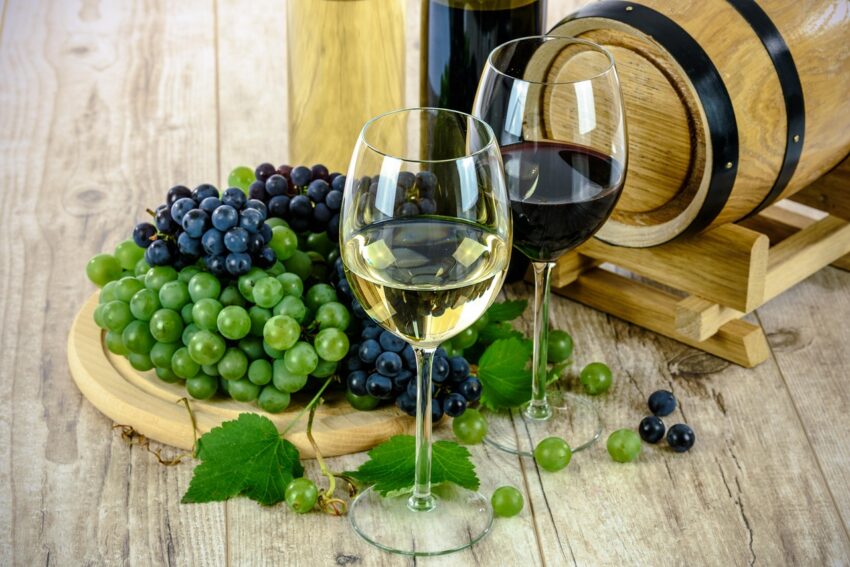
Finding a white wine similar to Pinot Grigio involves looking for bottles that highlight crisp acidity, light body, and refreshing citrus or green apple flavors. Pinot Grigio and Pinot Gris are the same grape variety; the name used often signals regional origin and style — typically delivers a clean palate with minimal oak influence and a straightforward, highly food-friendly profile.
Wine drinkers seeking alternatives often explore other cool-climate or coastal grape varieties that emphasize mineral-driven freshness and bright fruit characteristics. These wines share the versatile food-pairing nature of Pinot Grigio, making them ideal companions for fresh seafood, poultry, light salads, and various warm-weather gatherings.
Numerous wine regions globally produce light, crisp white styles that capture a comparable sensory experience. From coastal European vineyards to emerging New World producers, options abound for enthusiasts wanting to expand their palate beyond standard Italian Pinot Grigio selections without losing their preferred flavor profile or structural lightness.
Exploring Crisp Italian Whites Similar to Pinot Grigio
Vermentino from Coastal Regions
Vermentino is a fantastic Italian alternative for anyone who enjoys the bright, zesty profile of Pinot Grigio. Grown extensively along the sun-drenched coastal areas of Liguria, Tuscany, and Sardinia, this grape variety offers a distinct maritime influence that translates into saline notes, refreshing minerality, and brisk acidity that cleanses the palate effectively.
On the palate, Vermentino typically presents vibrant aromas of green citrus, lime peel, and green almond, accompanied by a pleasingly textured mouthfeel. Its refreshing finish makes it a natural substitute when seeking a light-bodied Italian white wine with a slightly more herbal or floral aromatic complexity that suits casual dining.
Friulano and Regional Expressions
Friulano, historically known as Tocai Friulano, originates from the northeastern corner of Italy and provides a richer yet still refreshing alternative. While it shares the food-friendly acidity found in Pinot Grigio, Friulano often introduces subtle almond skin bitterness, ripe pear fruit flavors, and distinct earthy undertones that elevate the tasting experience.
This grape showcases how northeastern Italian winemakers craft whites that balance structural freshness with textural weight. It remains an excellent choice for individuals looking to explore regional Italian varieties that maintain a clean profile without heavy oak aging or excessive sweetness interrupting the pure fruit expression.
Trebbiano and Fresh Blends
Trebbiano encompasses a family of grape varieties widely planted across Italy, frequently yielding light, neutral, and highly refreshing white wines. When vinified within temperature-controlled stainless steel tanks, Trebbiano produces simple, crisp beverages that function as reliable everyday alternatives to standard Pinot Grigio pours for casual settings and simple seafood pairings.
Many regional Italian blends incorporate Trebbiano to add vital structural acidity and lightness to the final bottling. These wines emphasize straightforward citrus notes, clean minerality, and uncomplicated finishes that appeal directly to fans of unpretentious, dry white table wines meant for immediate consumption without complex cellaring requirements.
For related wine guidance, see spanish wine similar to pinot grigio.
Discovering Spanish and Portuguese Alternatives
Albariño from Rías Baixas
Albariño is a white grape cultivated primarily in the damp, Atlantic-influenced northwest Spanish region of Rías Baixas, and also grown across the border in Portugal’s Vinho Verde region as Alvarinho. It mirrors the high acidity of Pinot Grigio while offering an intensely aromatic profile featuring peach, apricot, and distinct saline minerality that reflects its proximity to the ocean breeze.
The vibrant natural acidity of Albariño gives it a lively structure on the palate, ensuring a crisp, mouth-watering, and lingering finish. This wine stands out as a premium choice for wine lovers who appreciate aromatic intensity alongside the refreshing lightness characteristic of quality Pinot Grigio bottlings.
Verdejo from Central Spain
Verdejo hails from the Rueda region of Spain and delivers an expressive, fruit-forward style that frequently appeals to crisp white wine enthusiasts. The grape yields wines characterized by bright citrus, lime, and subtle herbaceous notes like fennel and cut grass that provide an invigorating sensory contrast.
Winemakers often protect Verdejo from oxygen exposure during production to preserve its vibrant freshness and youthful vigor. The resulting profile provides an exciting twist for those accustomed to Pinot Grigio, introducing slightly more herbaceous aromatics while maintaining a clean, dry backbone suitable for diverse foods.
Vinho Verde Styles
Vinho Verde from Portugal translates literally to green wine, referring to the youthfulness of the wine rather than its actual color. These bottlings are typically light in alcohol, highly refreshing, and occasionally feature a slight natural effervescence that enhances their crisp character during warm weather occasions.
Vinho Verde is produced from a range of native Portuguese grapes — including Loureiro, Alvarinho, Arinto, and Trajadura, among others — and typically offers soaring acidity and delicate citrus flavors. It represents an accessible, light-bodied option for casual gatherings where drinkers desire maximum refreshment, lively effervescence, and minimal heaviness on the palate.
For related wine guidance, see similar to pinot noir.
French Whites Sharing Similar Profiles
Muscadet and Sèvre et Maine
Muscadet, produced in the westernmost Loire Valley of France from the Melon de Bourgogne grape, offers exceptional mineral-driven crispness. Despite its neutral flavor profile, it provides a bone-dry palate and piercing acidity that strongly parallel the structural feel of lean, traditional Pinot Grigio styles.
Many Muscadet bottlings undergo aging on their fine yeast lees, imparting a subtle creamy texture that balances the natural sharpness of the wine. This traditional winemaking technique adds complexity while keeping the overall impression exceptionally clean and refreshing.
Sauvignon Blanc Without Heavy Oak
Un-oaked Sauvignon Blanc, particularly styles originating from cool climates like the Loire Valley, serves as a direct stylistic cousin to Pinot Grigio. These wines forego barrel fermentation entirely, focusing instead on a pure expression of green fruit, fresh grass, and sharp mineral characteristics.
The bright acidity and pronounced aromatic profile provide a bolder sensory experience than standard Pinot Grigio while retaining the same refreshing dryness. Drinkers who enjoy clean citrus flavors and vibrant freshness will find un-oaked Sauvignon Blanc a seamless transition for everyday meals.
Picpoul de Pinet
Picpoul de Pinet is a southern French appellation dedicated exclusively to the Picpoul grape variety, cultivated near the warm Mediterranean coast. The resulting wine features blazing acidity, light body, and distinct notes of lemon, white flowers, and flinty minerality that stimulate the appetite.
This regional specialty delivers an invigorating punch that satisfies anyone searching for a bracing, dry white wine. Its structural similarity to Pinot Grigio makes it an increasingly popular selection in bistros and wine shops worldwide for pairing with raw shellfish.
For related wine guidance, see pinot grigio is it sweet.
New World Options with Crisp Character
Australian Semillon and Sauvignon Blends
Australian wine regions, particularly cooler pockets, produce vibrant white blends combining Semillon and Sauvignon Blanc. These bottles provide a refreshing, citrus-forward profile that mirrors the clean finish and light body expected from classic European white wines found across international markets.
The Semillon component contributes structural weight and subtle texture, while Sauvignon Blanc injects aromatic punch and balancing acidity. This dynamic combination offers a compelling New World alternative for drinkers seeking crispness with an extra layer of flavor complexity during dinner parties.
Cool Climate American Pinot Gris and Blanc
Domestic producers in regions like Oregon and Washington craft excellent expressions of Pinot Gris and Pinot Blanc that rival European benchmarks. Cool climate viticulture allows these grapes to retain crisp natural acidity while developing concentrated pear, apple, and stone fruit notes.
Depending on the specific winemaking choices, these American iterations can range from lean and mineral-driven to slightly more rounded and textured. They provide a direct genetic and stylistic bridge for consumers looking to explore regional variations of familiar grape families.
Chilean Sauvignon Blanc and Chardonnay
Chile leverages its unique geography, wedged between the Andes Mountains and the Pacific Ocean, to produce remarkably fresh white wines. Cool coastal vineyards yield Sauvignon Blanc and unoaked Chardonnay styles marked by crisp acidity and vibrant tropical or citrus notes.
These value-driven bottles offer an accessible entry point for consumers wanting crisp white wine alternatives for everyday meals. The bright, clean finishes ensure they function harmoniously with diverse culinary preparations without overwhelming delicate food flavors or masking subtle dish ingredients.
Frequently Asked Questions
Which white wine is closest in taste to Pinot Grigio?
Several options come remarkably close, depending on whether you prioritize minerality, acidity, or fruit profile. Italian Vermentino and Spanish Albariño both offer comparable levels of crisp acidity and light body, making them exceptionally close stylistic matches for traditional Pinot Grigio.
Additionally, cool-climate Pinot Gris from regions like Oregon is the same variety while often showcasing slightly riper fruit notes due to winemaking choices and site conditions. Exploring these specific varieties ensures a seamless transition when your preferred Pinot Grigio bottle is unavailable at local retailers.
Are all white wines with similar profiles completely dry?
Most white wines categorized as similar to Pinot Grigio are vinified to be dry, meaning the yeast has converted nearly all grape sugars into alcohol. However, natural variations in ripeness can impart a perception of sweetness or fruitiness on the palate, even within dry styles.
Wines such as Vinho Verde or certain regional blends may occasionally retain a tiny fraction of residual sugar to balance intense natural acidity. Checking producer tech sheets or asking knowledgeable wine merchants can help confirm the exact sweetness level of unfamiliar bottles.
How should alternative crisp white wines be served?
Crisp, light-bodied white wines are generally served well chilled, often in the range of forty-five to fifty degrees Fahrenheit, though the ideal temperature can vary by style and personal preference. Serving them at this temperature highlights their refreshing acidity, tight mineral structure, and bright fruit aromatics without muting the subtle flavor compounds.
Standard all-purpose white wine glasses with smaller bowls help concentrate the delicate aromas toward the nose while maintaining cool temperatures in the glass. Storing opened bottles with a stopper in the refrigerator can help slow oxidation, though freshness will diminish over time and varies by wine.