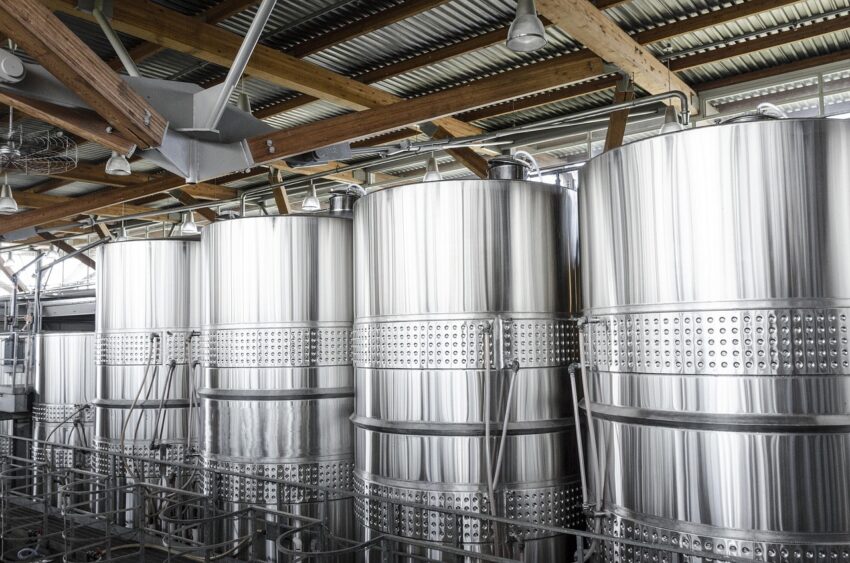
Independent educational guides on adult winemaking and storage frequently examine how modern cellar infrastructure shapes flavor preservation. At the center of contemporary production facilities are stainless steel wine storage tanks, which provide an inert, highly controllable environment for fermentation and aging.
Unlike traditional oak barrels or porous clay vessels, stainless steel introduces no external flavors or structural tannins. This neutral profile allows winemakers to preserve the pure expression of specific grape varieties, making these tanks indispensable tools for both commercial production and advanced educational study.
Winemaking Equipment and Vessel Selection
Evolution of Cellar Infrastructure
Early winemaking relied heavily on local materials like clay, stone, and wood. While these containers served fundamental storage purposes, they introduced variables such as micro-oxygenation and flavor leaching. As viticulture evolved, producers sought materials that offered absolute consistency and sanitary reliability.
The introduction of metal alloys transformed cellar design. Today, stainless steel wine storage tanks represent the pinnacle of structural neutrality and hygiene in modern wineries. They allow producers to isolate variables during fermentation and maturation without unintended chemical interactions from the vessel walls.
Alloy Composition and Grade Standards
Not all steel is suited for acidic liquids like grape juice and wine. Commercial wine tanks typically utilize austenitic grades, specifically Type 304 or Type 316 stainless steel. These specific alloys contain chromium and nickel, creating a passive surface layer that resists corrosion from tartaric, malic, and acetic acids.
Type 316 steel includes molybdenum, enhancing resistance to chloride pitting during cleaning processes. Understanding these metallurgical differences helps operators select vessels that withstand decades of exposure to high-acid environments without degrading or leaching metallic compounds into the wine.
Sizing and Architectural Integration
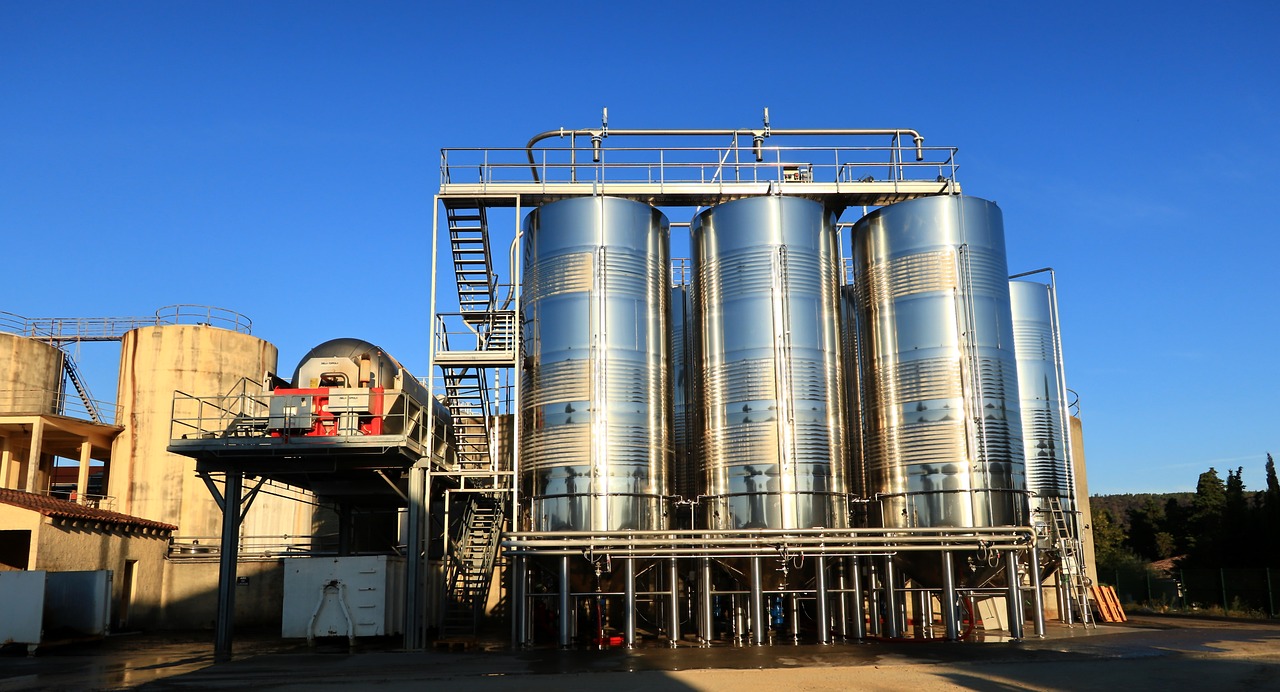
Choosing the correct vessel capacity depends on vineyard yields and facility layout. Tanks range from small, variable-capacity portable units of a few hundred liters to massive industrial silos holding tens of thousands of liters. Vertical orientation optimizes floor space in crowded cellar designs.
Facilities must also account for ceiling heights, crane access for installation, and catwalk integration. Proper architectural planning ensures that large stainless steel wine storage tanks can be safely integrated, cleaned, and managed throughout their operational lifespan.
For related wine guidance, see stainless steel wine fermentation tanks.
The Role of Stainless Steel in Modern Vinification
Preserving Primary Fruit Characteristics
A primary goal in producing crisp white wines and fruit-forward reds is retaining volatile aromatic compounds. Stainless steel wine storage tanks prevent the ingress of oxygen, protecting delicate thiols and esters from premature oxidation during storage.
Because the metal is entirely non-porous, no secondary flavors obscure the natural profile of the grape variety. This transparency is vital for educational tastings, allowing students to experience the true impact of terroir and viticultural practices without barrel influence.
Managing Fermentation Kinetics
Alcoholic fermentation generates substantial heat, which can stress yeast populations or cause volatile aromatics to evaporate. Stainless steel vessels facilitate efficient heat dissipation, allowing cellar teams to maintain strict temperature boundaries throughout active primary fermentation.
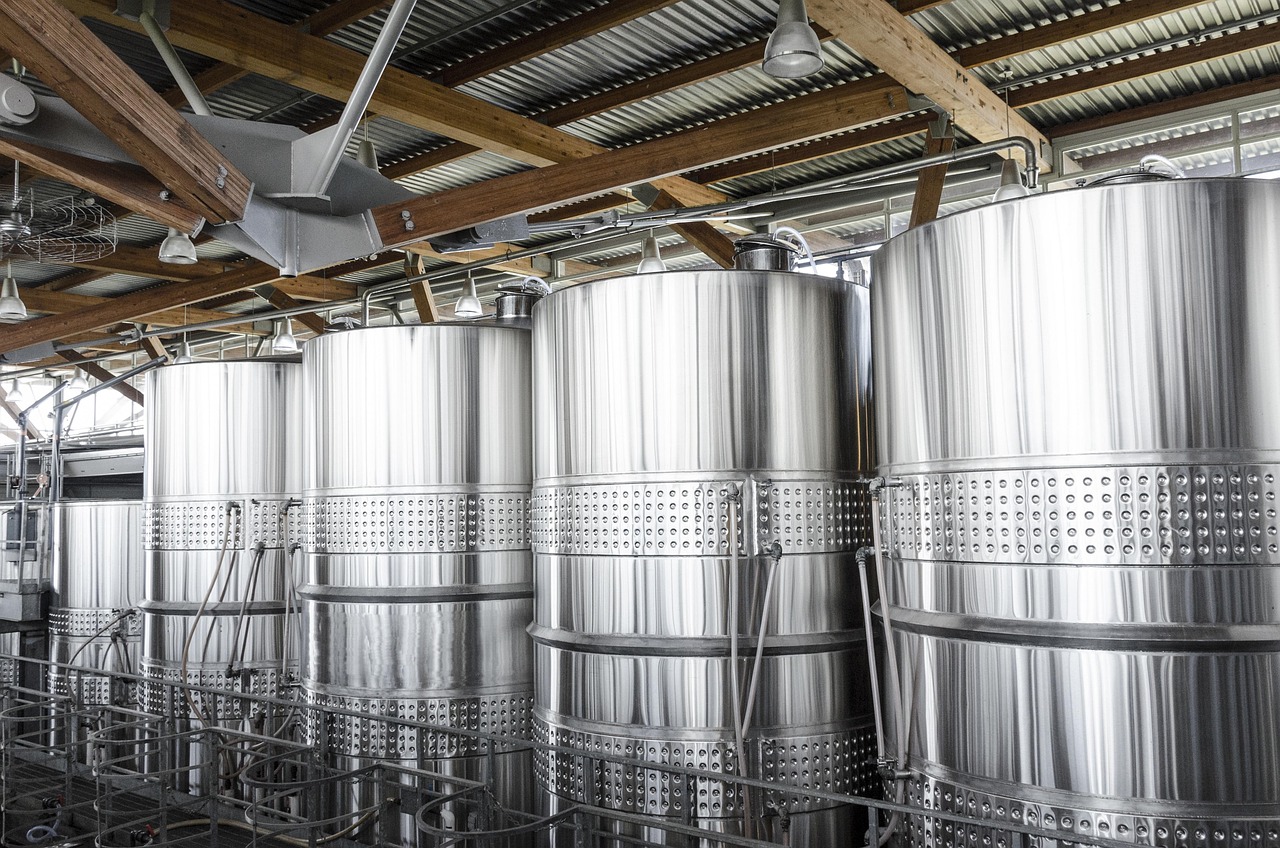
Many modern tanks feature built-in dimple jackets or external cooling plates. Coolant circulation through these channels provides precise thermal regulation, ensuring slow, steady fermentations that maximize aromatic complexity and structural balance.
Facilitating Clarification and Stabilization
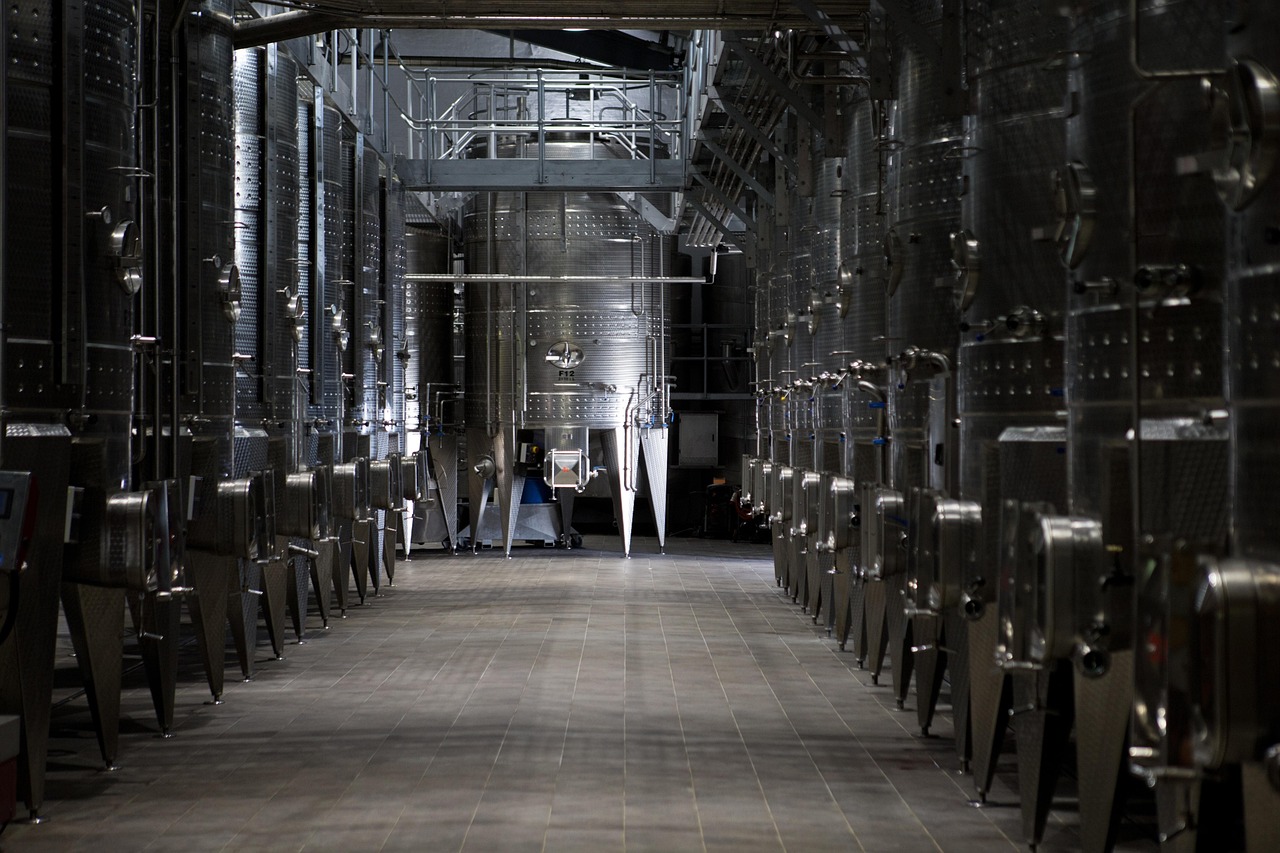
Following fermentation, wines require time to settle, clarify, and undergo stabilization processes. The smooth interior walls of stainless steel wine storage tanks prevent solids from clinging, enabling efficient racking and sediment removal from conical or sloped bottoms.
Cold stabilization is easily performed in these vessels by chilling the contents near freezing temperatures to precipitate excess potassium bitartrate. The durability of the metal withstands these rapid thermal shifts without structural fatigue or cracking.
Winemakers often evaluate how malolactic fermentation in stainless steel affects overall wine texture and acidity during processing.
For related wine guidance, see wine yeast pitching temperature.
Temperature Control and Thermal Management
The Thermodynamics of Fermentation
Yeast metabolism converts sugar into alcohol and carbon dioxide while releasing thermal energy. Without active cooling, tank temperatures can spike rapidly, leading to stuck fermentations or the production of off-flavors such as volatile acidity and harsh fusel alcohols.
Stainless steel wine storage tanks provide excellent thermal conductivity compared to concrete or wood. This physical property makes them uniquely responsive to external cooling systems, keeping internal temperatures within optimal winemaking parameters.
Jacket Design and Coolant Mechanics
Thermal management relies heavily on engineered cooling jackets welded directly to the exterior tank shell. Glycol solutions or chilled water circulate through these channels, absorbing heat generated by the fermenting liquid inside the vessel.
Advanced designs incorporate multiple independent cooling zones. This segmentation allows winemakers to cool specific sections of a tall tank, ensuring uniform temperature distribution even when vessels are only partially filled during smaller vintage yields.
Insulation and Environmental Efficiency
Maintaining precise cellar temperatures requires minimizing energy loss. Many stainless steel wine storage tanks feature exterior layers of polyurethane insulation wrapped in a protective outer metal skin, guarding the contents against ambient room fluctuations.
Effective insulation reduces the workload on central refrigeration compressors. This energy-efficient approach is particularly important for large facilities managing dozens of active vessels through warm harvest months.
Sanitation, Maintenance, and Material Integrity
The Importance of Passivation
Stainless steel relies on a microscopic chromium-oxide layer for its corrosion resistance. When new tanks are fabricated or after aggressive mechanical cleaning, this passive layer can be compromised, requiring chemical passivation treatments using safe acid solutions.
Passivation removes free iron from the surface and encourages the immediate reformation of the protective chromium film. Regular maintenance of this layer ensures that stainless steel wine storage tanks remain inert and free from surface rust over decades of service.
Clean-In-Place (CIP) Protocols
Rigorous sanitation prevents microbial spoilage and cross-contamination between different batches of wine. Clean-in-place systems utilize spray balls mounted inside stainless steel wine storage tanks to distribute caustic detergents and sanitizing rinses uniformly.
The smooth, crevice-free welds typical of high-quality tank construction prevent organic matter from lodging in seams. This hygienic design simplifies daily washing routines and protects wine batches from bacterial taint.
Inspecting Welds and Fittings
Valves, manways, and internal weld seams represent the most vulnerable points in any cellar vessel. Routine visual inspections help detect minor pitting, gasket wear, or stress cracks before they lead to structural leaks or microbiological contamination.
Gaskets made of food-grade elastomers like EPDM or silicone must be checked and replaced periodically. Maintaining these peripheral components ensures that sealed stainless steel wine storage tanks remain entirely airtight during long-term storage.
Comparative Storage: Stainless Steel Versus Wood and Glass
Neutrality Versus Oak Influence
Evaluating different storage vessels highlights the distinct choices available to winemakers. While oak barrels impart vanillin, lactones, and tannins via micro-oxygenation, stainless steel wine storage tanks preserve an entirely neutral profile, emphasizing fruit purity.
This neutrality allows producers to blend components aged in various vessels to achieve a desired balance of texture and aroma. Educational programs often utilize this contrast to teach students how different materials alter sensory perception.
Permeability and Aging Dynamics
Glass carboys and stainless steel tanks share a lack of porosity, meaning zero ambient oxygen transfer occurs through the container walls. This characteristic makes them ideal for prolonged reductive aging, where minimizing oxygen exposure prevents premature oxidation.
Conversely, wood barrels permit continuous, slow oxygen ingress through staves. Winemakers choosing stainless steel must deliberately manage oxygen exposure through controlled micro-oxygenation equipment if they wish to simulate barrel-softening effects without wood flavors.
Durability, Scale, and Economics
Oak barrels have a limited lifespan, losing their flavor-imparting compounds after a few vintages and requiring significant maintenance. In contrast, stainless steel wine storage tanks offer indefinite structural longevity with minimal ongoing degradation.
Although the initial capital investment for high-grade metal tanks is substantial, their durability and massive scale economies make them cost-effective over decades of continuous winery operation, outperforming fragile glass and aging wood containers.
Frequently Asked Questions
Why are stainless steel wine storage tanks preferred over wood for certain styles?
Stainless steel wine storage tanks are favored for styles that prioritize fresh fruit characteristics, crisp acidity, and delicate aromatics. Because the metal is completely non-porous and chemically inert, it does not impart secondary flavors, tannins, or wood-derived compounds. This allows varietals like Sauvignon Blanc or Riesling to retain their natural, unmasked profile during storage.
How do winemakers control temperature inside these metal tanks?
Temperature control is achieved through engineered cooling jackets welded to the exterior walls of the vessel. Glycol solutions or chilled water circulate through these internal channels, absorbing heat generated during active alcoholic fermentation. This setup allows cellar technicians to maintain precise thermal ranges, preventing yeast stress and ensuring steady fermentation kinetics.
What steel grades are standard for wine storage applications?
The most common steel grades used in winemaking equipment are austenitic types 304 and 316. These specific alloys contain optimal balances of chromium and nickel, creating a passive surface layer that resists corrosion from organic acids found in grape juice and wine. Type 316 also includes molybdenum for enhanced resistance to cleaning chemicals.
Do stainless steel tanks allow wine to breathe or age oxidatively?
No, stainless steel wine storage tanks are entirely impermeable, meaning they allow zero oxygen transfer through the vessel walls. This lack of micro-oxygenation makes them ideal for reductive aging and preventing premature oxidation. Winemakers seeking oxygen exposure must introduce controlled amounts manually or utilize alternative aging vessels like oak barrels.
What maintenance is required to keep metal tanks in good condition?
Maintenance involves rigorous cleaning routines using clean-in-place systems, caustic detergents, and acid sanitizers to prevent microbial growth. Operators must also periodically inspect welds, gaskets, and valves for wear. Additionally, chemical passivation treatments may be applied to restore the protective chromium-oxide layer after aggressive mechanical cleaning or fabrication work.
Can stainless steel tanks be used for both fermentation and long-term aging?
Yes, these versatile vessels are utilized throughout the entire winemaking cycle. They serve as primary fermentation vats, holding tanks during clarification, and long-term maturation vessels. Their durability, ease of sanitation, and variable-capacity options make them adaptable to every stage of production from raw juice to finished, stable wine ready for bottling.