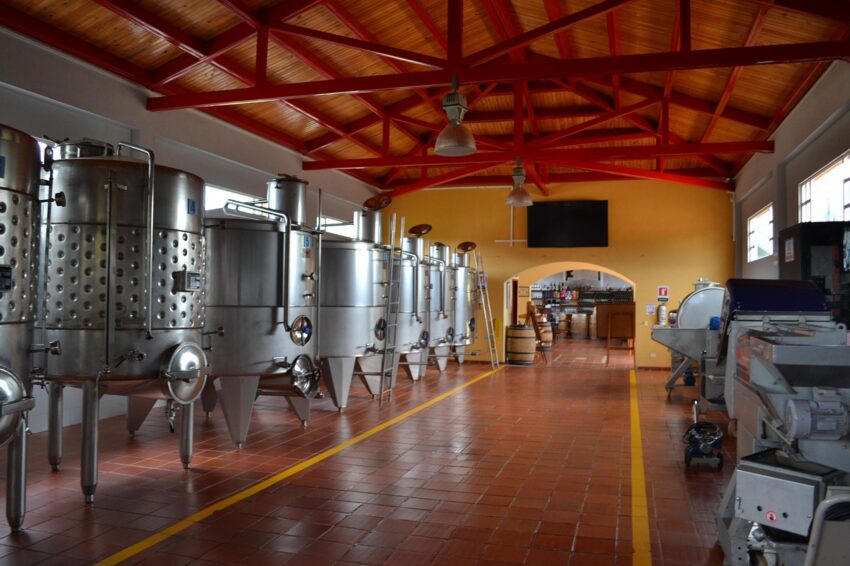
Modern adult wine education encompasses a rich understanding of viticulture, cellar practices, sensory evaluation, and proper service. By exploring how grapes are grown and transformed into finished beverages, enthusiasts gain a deeper appreciation for the complex craft behind every bottle. Central to contemporary winemaking is the technical infrastructure of the cellar, where precise engineering intersects with centuries-old agricultural traditions.
A foundational element in this winemaking evolution is the use of stainless steel wine fermentation tanks, which allow winemakers to maintain strict control over temperature and microbial purity. Understanding these vessels provides valuable insight into how fresh fruit flavors are preserved, distinguishing crisp, aromatic styles from heavier, oak-aged alternatives. Whether studying grape varietals or mastering food pairing, structured education empowers adults to approach wine with confidence and discernment.
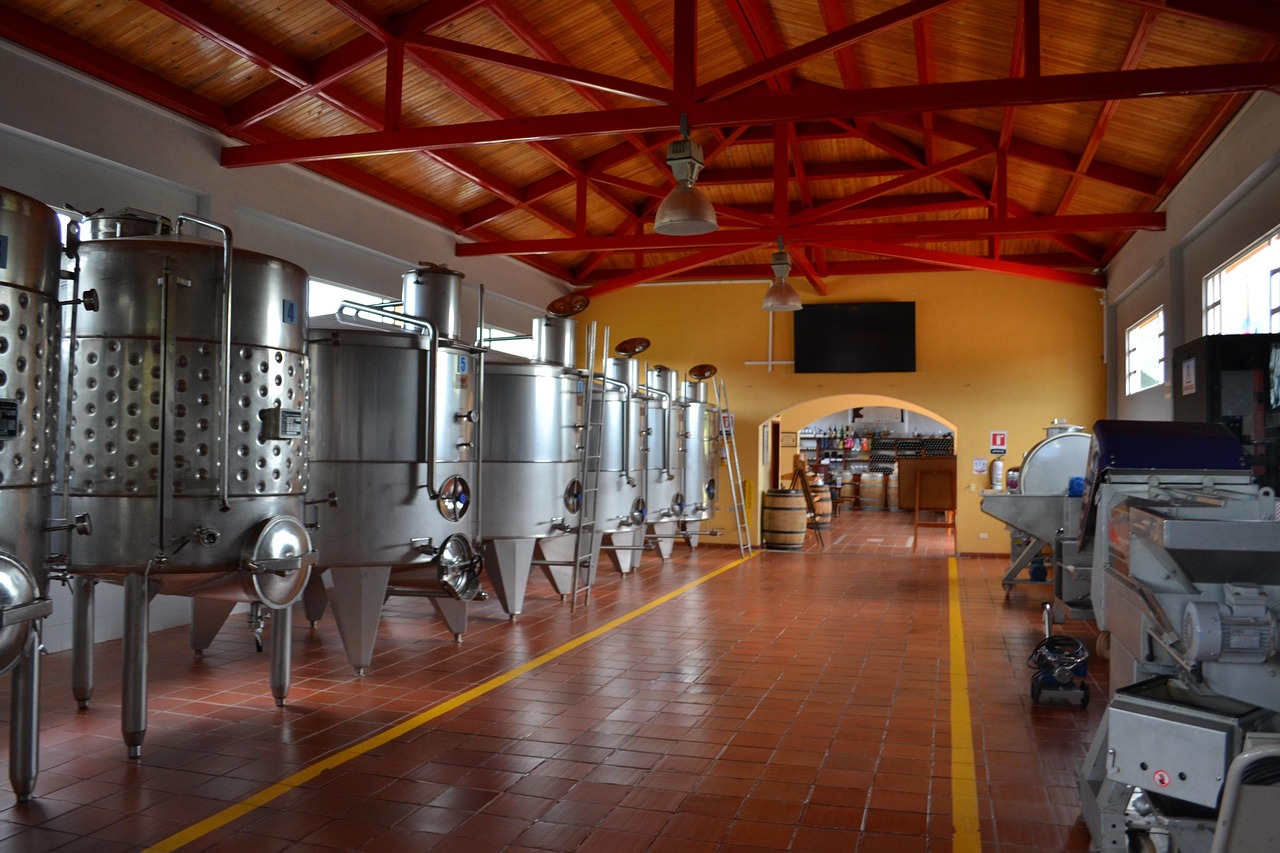
The Role of Stainless Steel Wine Fermentation Tanks in Modern Winemaking
Introduction to Metal Vessels in Cellars
Winemaking relies heavily on the physical vessels chosen for fermentation and storage. For decades, traditional wineries depended entirely on concrete vats or porous wood barrels to manage grape juice as it converted into wine. Today, metal containers have transformed cellar architecture completely.
Stainless steel wine fermentation tanks provide an inert, non-porous environment that prevents unwanted chemical interactions between the wine and the container. This neutrality ensures that the natural characteristics of the grape variety remain pure and unaltered during the critical primary fermentation stage.
Temperature Control and Thermal Dynamics
Fermentation is an exothermic chemical reaction that generates substantial heat as yeast consumes natural grape sugars. If temperatures rise unchecked, yeast cells can die prematurely, or delicate aromatic compounds can evaporate into the surrounding cellar atmosphere.
Modern stainless steel wine fermentation tanks feature built-in cooling jackets through which chilled water or glycol circulates. This engineering allows winemakers to precisely regulate internal temperatures down to a fraction of a degree, preserving fresh fruit profiles in aromatic white and rosé wines.
Sanitation, Inertness, and Flavor Preservation
Hygiene is paramount in any commercial or experimental winery setting. Organic residues left in porous containers can harbor spoilage microorganisms, which eventually introduce off-flavors and acetic acid into subsequent batches of developing wine.
Stainless steel wine fermentation tanks offer smooth, seamless interior surfaces that resist bacterial buildup and simplify routine cleaning protocols. Because the metal does not impart oak tannins or vanillin compounds, wines fermented in these vessels showcase clean, fruit-forward expressions.
Comparing Steel to Traditional Oak and Concrete
Every fermentation vessel imparts distinct physical influences on the developing liquid. While oak introduces micro-oxygenation and flavor compounds like spice and toast, and concrete offers slow thermal inertia, steel focuses strictly on purity.
Winemakers frequently choose stainless steel wine fermentation tanks when they wish to highlight primary fruit characteristics without secondary masking flavors. Many modern production facilities utilize a hybrid approach, fermenting in steel before aging portions of the batch in barrels.
Winemakers often manage secondary processes such as malolactic fermentation in stainless steel vessels to preserve primary fruit characteristics.
For related wine guidance, see wild yeast fermentation wine.
Viticulture Fundamentals and Grape Variety Characteristics
Climatic Influences on Grape Ripening
Grape cultivation depends heavily on regional climate, soil composition, and seasonal weather patterns. Cool climates generally yield grapes with higher natural acidity and lower alcohol potential, making them ideal for crisp white styles.
Conversely, warm-climate regions promote higher sugar accumulation in grape berries, resulting in fuller-bodied styles with elevated alcohol levels. Understanding these climatic realities helps consumers decode label information and anticipate flavor profiles before opening a bottle.
Major White Wine Varietal Profiles
White grape varieties express a vast spectrum of aromatic and structural traits. Varieties like Sauvignon Blanc typically exhibit herbaceous notes and vibrant acidity, often fermented in stainless steel to preserve their characteristic freshness.
Other grapes, such as Chardonnay, display more malleable profiles that adapt dramatically depending on winemaking choices. Whether crafted in a crisp, unoaked style or subjected to malolactic fermentation, white wines reflect both agricultural origin and cellar technique.
Major Red Wine Varietal Profiles
Red wine grapes derive their color, tannin structure, and distinct flavor compounds primarily from their skins during maceration. Varieties like Pinot Noir offer delicate red fruit notes and gentle tannins, requiring careful handling during extraction.
Fuller-bodied red grapes like Cabernet Sauvignon and Syrah feature robust structural elements that benefit from extended skin contact and subsequent maturation. These structural components interact dynamically with food proteins when served at the table.
Vineyard Management and Yield Control
Quality winemaking begins long before harvest in the vineyard itself. Growers manage vine canopy density, cluster thinning, and irrigation to ensure that grape vines direct adequate nutrients and sunlight toward developing fruit.
Controlling crop yields prevents vines from over-producing, which can dilute flavor concentration in the harvested grapes. Meticulous agricultural stewardship ensures that the raw fruit arriving at the winery possesses optimal balance and phenolic ripeness.
Systematic Wine Tasting and Sensory Evaluation
Visual Assessment and Clarity Indicators
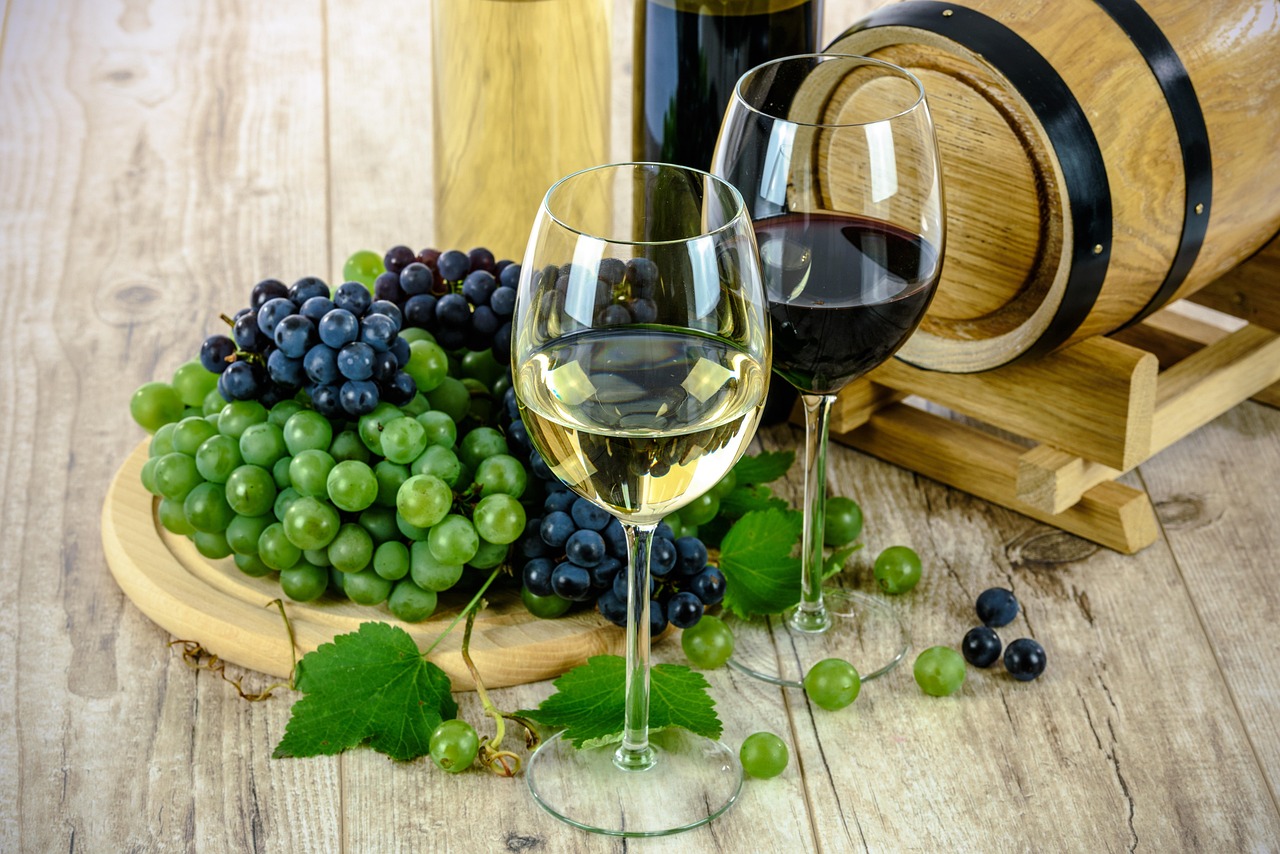
Systematic wine evaluation begins with careful visual inspection under neutral lighting. Observers tilt glasses against a white background to examine color intensity, hue variations, and overall clarity.
Visual cues often reveal clues regarding a wine’s age, grape variety, and potential winemaking history. For instance, deep ruby rims suggest youthful vigor, while amber or brick-orange hues typically indicate older, mature red wines.
Olfactory Analysis: Primary, Secondary, and Tertiary Aromas
The human sense of smell detects thousands of volatile compounds present in wine. Tasters swirl glasses gently to release these aromas before performing short, deliberate inhalations to categorize what they perceive.
Primary aromas stem directly from the grape variety and include fruit, floral, and herbal notes. Secondary aromas arise from fermentation practices, while tertiary aromas develop during bottle aging or extended maturation.
Palate Structure: Acidity, Tannin, Alcohol, and Body
Tasting involves evaluating structural components on the palate rather than simply noting surface flavors. Acidity creates a mouth-watering sensation, while tannins provide drying astringency found primarily in red wines.
Alcohol contributes weight, warmth, and viscosity to the overall mouthfeel. Balanced wines integrate all these structural elements harmoniously, ensuring no single component overwhelms the palate during tasting.
Drawing Conclusions from Sensory Data
Synthesizing visual, olfactory, and palate observations allows individuals to assess wine quality objectively. Key indicators of high quality include flavor complexity, structural balance, and a lingering finish.
Developing sensory proficiency requires regular practice and exposure to diverse styles rather than reliance on subjective preference. Structured tasting frameworks help learners articulate precise descriptors and evaluate beverages consistently.
Temperature, Storage, and Cellaring Mechanics
Optimal Storage Conditions for Aging
Proper storage is essential for preserving wine quality, whether for short-term holding or long-term cellaring. Ideal environments maintain a stable temperature around 55 degrees Fahrenheit, avoiding rapid thermal fluctuations.
Excessive heat accelerates chemical aging reactions, causing wines to lose their freshness prematurely. Maintaining steady, cool thermal conditions protects the delicate balance of maturing bottles over extended periods.
Serving Temperatures for Different Styles
Serving temperature dramatically influences how wine aromas and structural components present themselves in the glass. Serving reds too warm accentuates alcohol, while chilling whites excessively mutes subtle fruit aromatics.
Lighter white wines generally shine when served well-chilled, whereas full-bodied reds express their complex character best at cool room temperature. Adjusting temperature slightly allows tasters to experience optimal flavor profiles.
Managing Humidity and Light Exposure
Environmental factors beyond temperature play significant roles in wine preservation. Cellars should maintain moderate humidity levels around 70 percent to prevent natural cork closures from drying out and failing.
Ultraviolet radiation from sunlight or harsh fluorescent bulbs can trigger chemical reactions that taint wine, producing unpleasant sulfur-like aromas. Storing bottles in dark environments protects them from light-induced degradation.
Bottle Positioning and Closure Integrity
For wines sealed with traditional natural corks, horizontal storage ensures that liquid remains in constant contact with the closure. This contact keeps the cork swelled and prevents air from entering the bottle prematurely.
Wines sealed with alternative closures like screw caps or synthetic stoppers are less sensitive to orientation, though stable storage conditions remain vital. Checking closure integrity ensures long-term protection against oxidation.
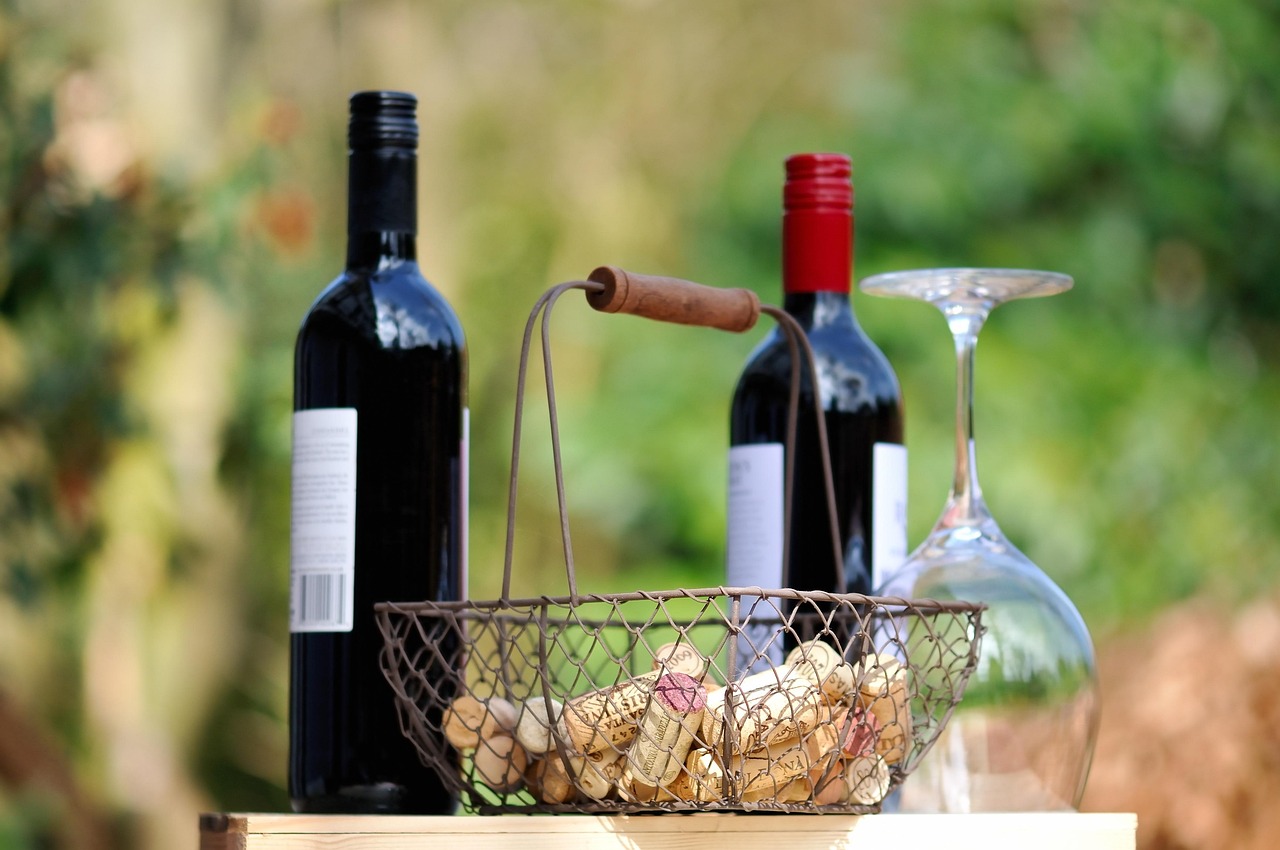
When the primary fermentation finishes, the resulting liquid is frequently transferred into dedicated stainless steel wine storage tanks for maturation.
Principles of Food Pairing and Table Service
Matching Acidity and Fat in Cooking
Food and wine pairing relies on balancing fundamental chemical elements on the palate. High-acidity wines act as a refreshing palate cleanser when paired with rich, fatty, or oily dishes.
The tartness in the wine cuts through heavy textures, preventing richness from overwhelming the diner’s palate. This foundational rule explains why crisp white wines pair naturally with cream-based sauces.
Balancing Tannins with Protein and Salt
Tannins found in red wines interact uniquely with dietary proteins and salt. When tannins bind to proteins in foods like red meat, their astringent drying sensation softens noticeably on the palate.
Conversely, high-tannin wines can taste harsh and metallic when paired with delicate fish or excessive sweetness. Understanding how protein mitigates tannin perception enhances culinary pairing decisions significantly.
Handling Sweetness, Spice, and Heat
Spicy foods require careful wine selection to avoid unpleasant burning sensations on the palate. Wines with high alcohol levels tend to amplify heat from chili peppers, creating an unbalanced dining experience.
Off-dry or moderately sweet wines provide a soothing counterpoint to spicy cuisines by cooling the palate. Balancing residual sugar against heat demonstrates the practical application of sensory pairing guidelines.
Pouring Techniques and Glassware Selection
Proper service enhances the sensory enjoyment of any beverage. Glassware design varies widely, with larger bowl shapes designed to collect and concentrate complex aromas in full-bodied red wines.
Smaller, narrower bowls preserve cooler temperatures and focus delicate floral aromatics for crisp whites. Using clean, appropriate glassware ensures that each wine is presented at its absolute best.
Frequently Asked Questions
What are stainless steel wine fermentation tanks used for?
Stainless steel wine fermentation tanks are industrial vessels utilized during winemaking to hold grape juice while yeast converts sugars into alcohol. These metal containers provide a neutral, non-porous environment that ensures the natural fruit characteristics of the grapes remain pure without absorbing wood flavors.
Winemakers rely on these tanks for both white and red wine production because they allow precise control over cleanliness and chemical stability throughout primary and secondary fermentation stages.
How does temperature control affect steel-fermented wines?
Temperature regulation is critical during fermentation because active yeast generates substantial metabolic heat. Built-in cooling jackets on steel tanks allow cellar technicians to maintain optimal thermal ranges.
Controlling this heat prevents yeast burnout and stops volatile aromatic compounds from evaporating. Maintaining lower temperatures preserves fresh, vibrant fruit characteristics in white and rosé wines.
Why do some winemakers choose oak over stainless steel?
Oak barrels and casks impart physical and chemical changes that steel tanks cannot replicate. Wood allows controlled micro-oxygenation, which softens harsh tannins and helps mature red wine structures.
Additionally, oak contributes secondary flavor compounds such as vanilla, spice, and toast. Winemakers select oak when they want to add complexity and texture that complements specific grape varietals.
What is the difference between primary and secondary fermentation?
Primary fermentation involves yeast consuming natural grape sugars to produce alcohol, carbon dioxide, and heat. This stage transforms sweet grape juice into dry wine within days or weeks.
Secondary fermentation, often referred to as malolactic fermentation, involves lactic acid bacteria converting sharp malic acid into softer lactic acid. This secondary process reduces overall acidity and adds a creamy mouthfeel.
How should opened bottles of white wine be stored?
Opened bottles of white wine should be re-sealed securely and placed immediately into a refrigerator. Low temperatures slow down oxidation and chemical degradation processes significantly.
Even with refrigeration, most opened white wines begin losing their fresh aromatic profile after three to five days. Vacuum pumps or inert gas sprays can help extend this preservation window slightly.
What factors determine a wine’s aging potential?
A wine’s capacity for long-term aging depends on a combination of natural grape constituents and proper cellaring conditions. High levels of natural acidity, robust tannins, and sufficient alcohol act as natural preservatives.
Wines lacking these structural elements are typically crafted for immediate consumption. Additionally, storing bottles in dark, temperature-controlled environments is essential for successful maturation.