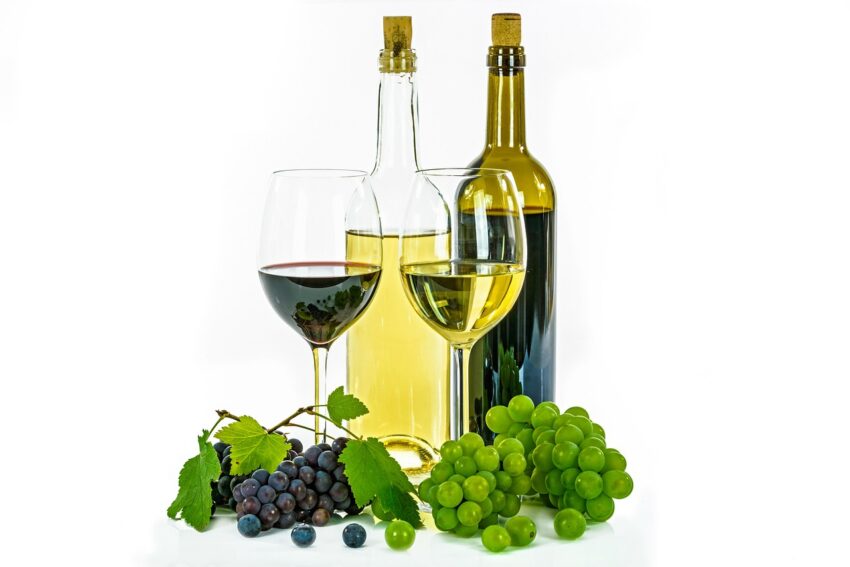
Rose wine tasting notes provide a structured vocabulary for describing the visual, aromatic, and structural characteristics of pink wines. These tasting notes typically capture nuances ranging from pale copper to vibrant cherry red, alongside a spectrum of red fruit, citrus, and herbal aromas.
Developing proficiency in evaluating rose involves understanding how grape varieties, pressing techniques, and fermentation temperatures shape the final liquid. Unlike red wines that rely on prolonged skin contact or white wines made without skins, rose production occupies a versatile middle ground with distinct sensory markers.
Independent wine education emphasizes objective observation over subjective scoring systems. By analyzing acidity, residual sugar, and aromatic compounds without relying on invented sensory tests, tasters can accurately compare diverse stylistic expressions from classic European regions and modern winemaking areas alike.
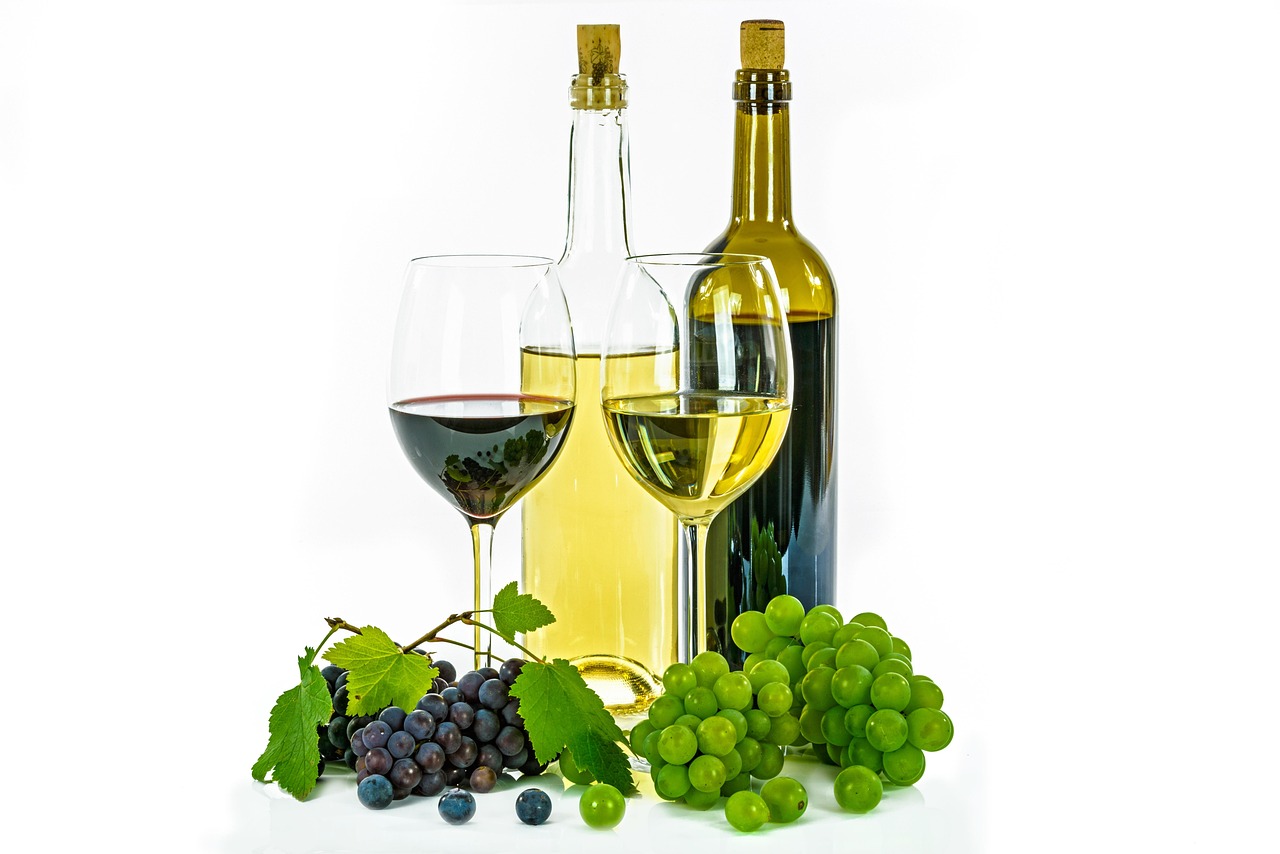
Decoding Rose Color Spectra
Pale Salmon and Copper Hues
Pale salmon and copper hues typically indicate minimal skin contact during production, a method often associated with traditional styles from regions like southern France. These delicate colors reflect careful pressing schedules designed to extract gentle anthocyanin pigments without heavy phenolic compounds or excessive astringency.
When recording professional tasting notes for exceptionally pale roses, observers frequently document these subtle visual traits before evaluating the glass contents. This chromatic range serves as an initial indicator of structural lightness, often correlating with restrained red fruit profiles, distinct mineral undertones, and high perceived freshness on the finish.
Vibrant Pink and Raspberry Shades
Vibrant pink and bright raspberry shades suggest moderate skin contact or the deliberate inclusion of specific red grape varieties like Grenache, Sangiovese, or Tempranillo. These saturated hues signal a notable step up in color density, pointing toward a more expressive aromatic release and enhanced mouthfeel.
Tasters encountering these mid-tone roses often encounter bolder red fruit aromatics and a slightly rounder texture on the middle palate. The visual intensity provides a useful benchmark when contrasting lighter European iterations against more fruit-forward global interpretations available in contemporary wine markets today.
Deep Ruby and Syrah-Driven Tints
Deep ruby, magenta, and dark cherry tints reveal extended skin maceration times or the use of intensely pigmented grape varieties such as Syrah, Malbec, or Cabernet Sauvignon. These robust colors approach the visual threshold of light red wines while retaining characteristic crisp acidity and freshness.
Evaluating deeply colored roses requires a specialized tasting vocabulary that accounts for elevated phenolic compounds, increased tannin levels, and richer flavor components. Tasting notes for these structured styles frequently mention dark berry fruit, savory spice notes, and a firmer frame suited for diverse culinary pairings.
For related wine guidance, see chablis wine tasting notes.
Identifying Primary Fruit Aromas
Delicate Red Berry Profiles
Delicate red berry profiles form the cornerstone of classic rose aromatics, frequently encompassing scents of fresh wild strawberry, crushed red raspberry, and tart red currant. These primary fruit notes derive directly from volatile aromatic compounds extracted from grape skins during early vinification.
When documenting these aromas, wine observers focus on identifying precise aromatic markers rather than assuming generalized qualities. Pinpointing the exact perceived ripeness level of the red fruit helps clarify whether the specific wine leans toward crisp tartness or riper fruit expressions.
Crisp Citrus and Orchard Fruit Notes
Crisp citrus and orchard fruit notes add a refreshing dimension to comprehensive rose tasting notes, frequently featuring prominent aromas of pink grapefruit, fresh lemon peel, white peach, and crisp green pear. These bright elements are especially common in cooler-climate expressions and high-altitude vineyards.
The presence of pronounced citrus aromatics often signals elevated natural acidity and a clean, refreshing structural profile on the palate. Documenting these specific attributes allows wine enthusiasts to select bottles that emphasize zesty refreshment over heavy fruit concentration or excessive alcohol warmth.
Subtle Tropical and Melon Accents
Subtle tropical and melon accents occasionally appear in rose wines crafted through specific commercial yeast selections or slightly warmer fermentation temperatures, revealing distinct hints of ripe cantaloupe, fresh watermelon, and yellow passionfruit. These elements expand the standard tasting lexicon.
These aromatic descriptors help distinguish modern stylistic expressions from traditional European benchmarks. While less common in classic Old World regions, these tropical nuances provide valuable context for understanding how regional climate conditions and deliberate winemaking choices directly influence the final sensory presentation.
For related wine guidance, see montepulciano wine tasting notes.
Assessing Structural Palate Elements
Balancing Refreshing Acidity Levels
Balancing refreshing acidity is crucial when evaluating the structural integrity and overall longevity of any rose wine. Natural acidity provides the necessary skeletal backbone that prevents the liquid from tasting flabby or overly heavy, actively driving a clean, vibrant, and energetic finish.
Tasting notes should carefully specify whether the observed acidity feels bright, sharp, or harmonious with surrounding fruit components. This structural assessment determines how effectively the wine can cleanse the palate during various dining scenarios and complex food pairings.
Navigating Dryness Versus Residual Sugar
Navigating dryness versus residual sugar requires distinguishing between a strictly bone-dry finish and a perceptible hint of off-dry sweetness. While many commercial roses are fermented to complete dryness, certain styles retain small, measured amounts of unfermented sugar to soften flavor profiles slightly.
Tasting documentation should objectively report these sweetness levels rather than relying on ambiguous marketing terms. Recognizing residual sugar accurately helps drinkers align their bottle selection with specific culinary pairings and personal preference parameters without confusion.
Recognizing Minimal Tannin Integration
Recognizing minimal tannin integration separates rose evaluation from traditional red wine assessment frameworks. Because skin contact is purposefully brief, extracted tannins remain extremely low, resulting in a smooth mouthfeel largely devoid of heavy astringency or palate dryness.
When a slight tannin presence is detected in structured styles, tasting notes should describe it as a gentle grip or subtle textural element rather than a dominant drying structure. This practical distinction highlights the specific winemaking techniques utilized during production.
For related wine guidance, see port wine tasting notes.
Exploring Regional Style Variations
Classic Southern French Expressions
Classic southern French expressions, particularly those from Provence, set a recognized global standard for pale, dry, and mineral-driven rose wines. Tasting notes for these benchmark styles frequently highlight herbal garrigue, wet stone minerality, and crisp tart red cherry aromas.
The restrained fruit profile and bracing natural acidity make these European wines exceptionally versatile for varied gastronomy. Independent observers note that longstanding regional traditions heavily influence the consistent elegance found across multiple producers within this specific viticultural zone.
Fruit-Forward New World Styles
Fruit-forward New World styles originate from regions across the Americas and Australasia, embracing warmer growing climates that naturally yield bolder fruit flavors. Tasting notes for these accessible wines often feature ripe strawberry, juicy watermelon, and expressive candied citrus peel notes.
These expressions prioritize immediate aromatic accessibility over subtle mineral nuances or strict structural austerity. Documenting these clear stylistic differences helps consumers navigate diverse global wine offerings without experiencing unexpected flavor profiles in the glass.
Savory Italian and Spanish Interpretations
Savory Italian and Spanish interpretations utilize indigenous grapes like Sangiovese, Nebbiolo, or Garnacha, producing structured wines with distinctive flavor profiles. Tasting notes for these styles frequently mention earthy undertones, blood orange peel, and subtle bitter almond skin.
These regional Mediterranean variations often display deeper pigmentation and a firmer overall palate presence compared to their Provençal counterparts. Recognizing these distinct regional characteristics ensures accurate sensory descriptions that reflect local grape attributes and historical winemaking practices.
Frequently Asked Questions
How do winemakers create different rose colors?
Winemakers primarily create different rose colors by controlling the duration of skin contact between the juice and the red grape skins, a process known as maceration. Shorter contact times yield pale salmon hues, while longer contact results in deeper pinks.
Alternatively, the saignee method involves bleeding off a portion of juice from a red wine tank early in fermentation, producing a darker rose as a byproduct. Direct pressing of red grapes without prior maceration also produces exceptionally pale wines consistently.
Does rose wine improve with bottle age?
Most rose wines are crafted for immediate consumption and are intended to be enjoyed within one to two years of release while their fresh fruit aromas remain vibrant. These styles do not generally benefit from prolonged bottle maturation.
A small subset of structured, high-acid or highly extracted traditional roses may evolve over several years, developing secondary notes of dried fruit and toasted nuts. However, conservative guidance advises storing and consuming standard roses while young.
What is the ideal serving temperature for rose?
The ideal serving temperature for rose typically ranges from 45 to 50 degrees Fahrenheit, allowing the refreshing acidity to shine without muting delicate fruit aromas. Lighter styles benefit from slightly colder temperatures.
Serving rose too cold can suppress aromatic compounds, while serving it too warm can emphasize alcohol and reduce crispness. Using standard white wine glassware helps concentrate the aromas effectively for optimal evaluation.
How does food pairing influence rose wine tasting notes?
Pairing rose with various culinary dishes can dramatically shift how its structural elements are perceived on the palate during a meal. When a dry, high-acid rose is served alongside oily fish, roasted poultry, or rich Mediterranean vegetable tarts, the wine’s natural acidity cuts through the culinary richness. This interaction often makes the primary fruit notes taste crisper, more vibrant, and distinctly defined compared to tasting the liquid on its own.
Conversely, pairing a structured rose with heavily spiced or intensely savory dishes can suppress subtle red berry aromatics while accentuating mineral, earthy, or herbal undertones. Recognizing these culinary shifts helps wine enthusiasts understand that tasting notes reflect a dynamic experience rather than a static chemical profile, proving that food accompaniment actively alters the sensory presentation in the glass.
What is the distinction between direct press and saignée rosés?
Direct press rosés are crafted by immediately loading freshly harvested red wine grapes into a mechanical press, gently extracting clear juice with minimal skin contact. This deliberate technique prioritizes structural delicacy, resulting in pale chromatic expressions, bright citrus aromatics, and a light-bodied, highly refreshing palate profile that shapes delicate rose wine tasting notes.
In contrast, the saignée method involves bleeding off a portion of juice from a tank of red grapes intended primarily for robust red wine production after several hours of maceration. This secondary approach yields deeper pink or ruby colors, higher phenolic levels, and richer structural weight, often displaying bolder red berry characteristics that define robust rose wine tasting notes.