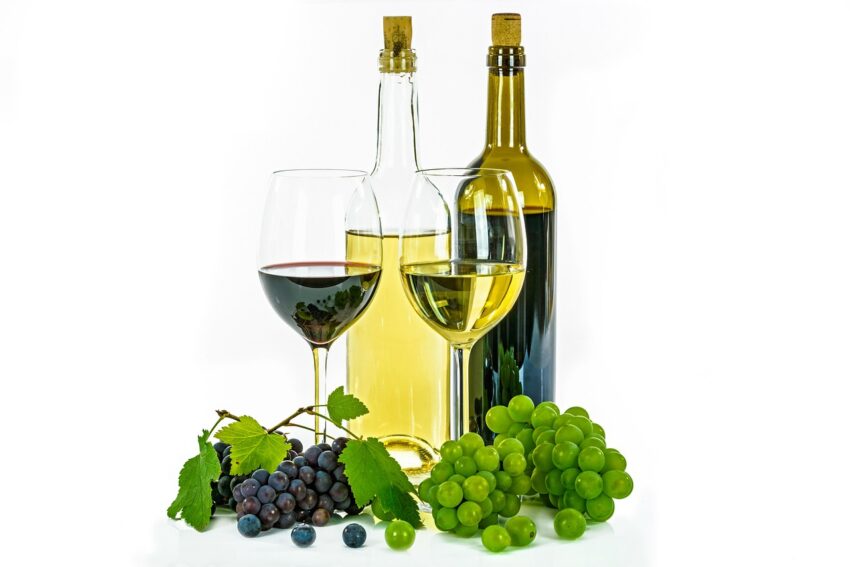
Storing unfinished wine successfully relies primarily on minimizing oxygen exposure and managing storage temperatures to slow down chemical degradation. When a bottle is opened, ambient oxygen interacts immediately with volatile compounds, initiating oxidation processes that alter aromas and flavor profiles within hours or days.
To preserve an open bottle, seal it tightly using a secure stopper, store it upright in a consistently cool environment like a refrigerator, and consume it within a reasonable timeframe based on the wine style. Utilizing specialized preservation tools such as vacuum pumps or inert gas sprays can further extend freshness by displacing remaining oxygen from the bottle headspace.
Fundamental Mechanisms of Wine Oxidation
Chemical Processes Following Uncorking
Once a cork or closure is removed, molecular oxygen enters the bottle and initiates complex chemical reactions. Phenolic compounds, particularly catechins and anthocyanins, begin to react with dissolved oxygen.
This initial phase transforms fresh fruit characteristics into more subdued, nutty, or bruised fruit notes. Without intervention, acetaldehyde builds up rapidly, signaling the transition of wine toward an undesirable state.
Temperature and Light Acceleration Factors
Thermal energy directly accelerates the chemical kinetics governing wine degradation. Higher ambient temperatures speed up oxidation rates exponentially, degrading delicate aromatic profiles in a fraction of the time.
Ultraviolet and visible light also catalyze harmful reactions, especially involving riboflavin and amino acids. Protecting opened bottles from direct sunlight and heat sources remains vital for slowing down chemical breakdown.
The Role of Headspace in Bottle Dynamics
Headspace refers to the empty volume of air trapped between the liquid surface and the bottle closure. A larger volume of trapped air contains a greater absolute amount of oxygen available to react with the remaining wine.
As a wine is consumed, the increasing headspace ratio accelerates the staling process. Transferring leftover wine into smaller, fully filled sample bottles effectively minimizes this vulnerable airspace.
Recognizing Premature Spoilage Indicators
Identifying early spoilage helps determine whether an open bottle remains pleasant to drink. Common indicators include a loss of vibrant fruit aromatics, replaced by flat, cardboard, or honeyed secondary notes.
If volatile acidity rises sharply, the wine may develop a distinct sharp or nail-polish-like aroma. Noting these sensory shifts prevents serving compromised wine to guests or utilizing flawed liquid in cooking.
Extended exposure to air creates chemical shifts where wine tastes like vinegar after just a few days of sitting open.
Mechanical and Vacuum Preservation Tools
Standard Re-corking and Vertical Storage
Re-inserting the original cork upside down provides a quick, rudimentary seal for short-term holding. Storing the bottle vertically minimizes surface area contact compared to resting at an angle, though air remains trapped inside.
While this method does not prevent oxidation entirely, it keeps dust and fruit flies away. It works adequately for holding sturdy red wines for twenty-four hours before noticeable decline occurs.
Vacuum Pumps and Oxygen Extraction Limits
Hand-operated vacuum pumps attempt to extract air from the bottle headspace to create a partial vacuum. While this reduces total oxygen pressure, it cannot remove every trace of gas present inside the container.
Care must be taken with aromatic white or sparkling wines, as reducing pressure can strip volatile compounds from the liquid. Vacuum sealing provides modest protection for robust reds over a short weekend window.
Inert Gas Blanketing Systems Explained
Inert gas preservation systems utilize heavier-than-air gases like argon or nitrogen delivered from pressurized canisters. Because these gases are chemically unreactive, they form a protective blanket directly over the liquid surface.
This barrier effectively displaces oxygen away from the wine, preventing direct contact and oxidation. Professional and home enthusiasts alike favor this method for preserving high-value bottles over multiple days.
Evaluating Cost Versus Preservation Efficacy
Choosing a preservation tool involves balancing financial investment against actual performance requirements. Simple silicone stoppers cost very little but offer minimal chemical protection beyond dust control.
Advanced gas canisters and preservation systems involve higher upfront costs but deliver superior longevity for fine wines. Assessing how frequently unfinished bottles occur helps determine the most sensible equipment investment.
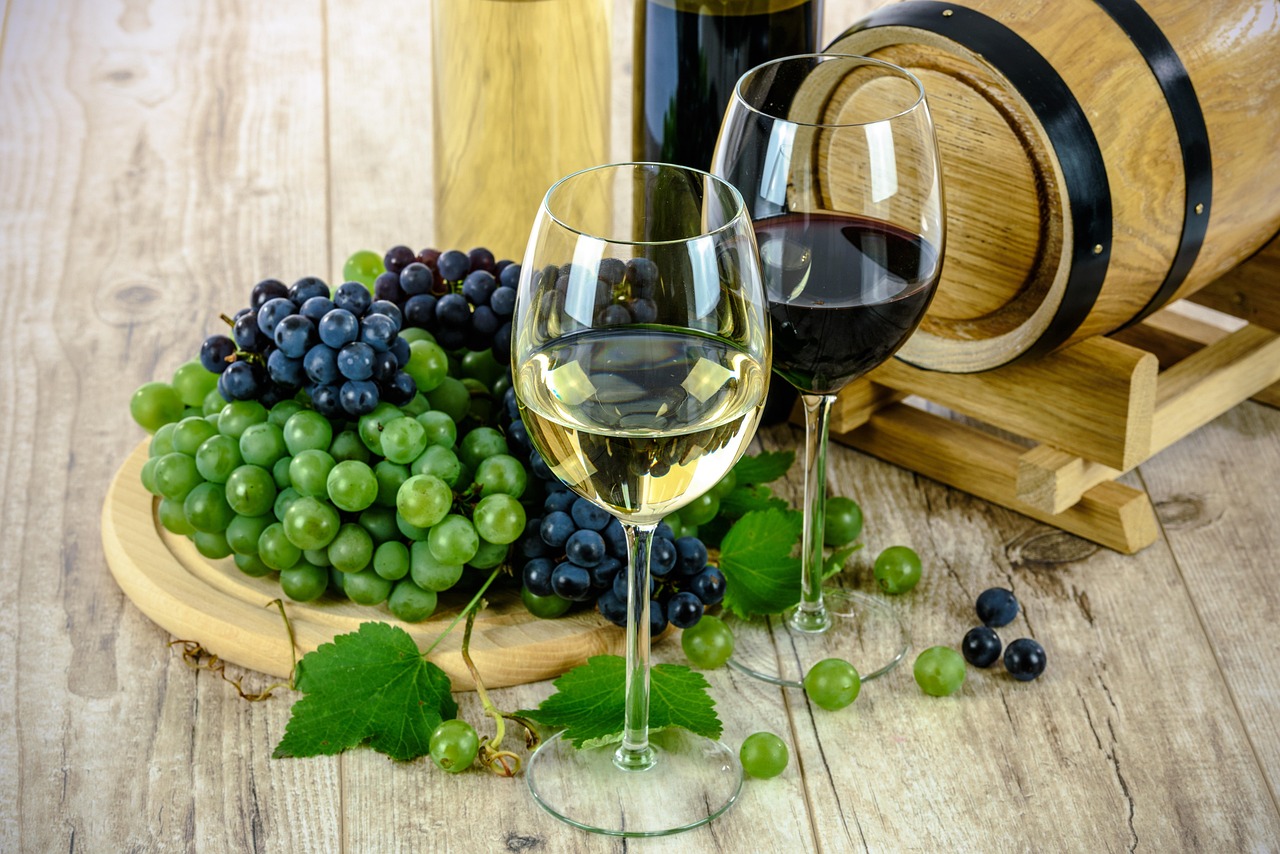
Specialized storage techniques are not limited to table varieties, as you must also store marsala wine after opening using airtight seals.
Refrigeration Strategies for Opened Bottles
Temperature Reduction and Chemical Kinetics
Placing an open bottle into a refrigerator significantly slows down molecular movement and chemical reaction rates. Lower thermal energy reduces the speed at which ambient oxygen breaks down delicate flavor structures.
While refrigeration does not stop oxidation entirely, it roughly doubles or triples the viable lifespan of an opened bottle. Bringing chilled wine back up to optimal serving temperature later requires only brief counter resting.
White Versus Red Storage Protocols
White and rosé wines, possessing lower tannin levels and lighter structures, benefit immensely from immediate refrigeration. Their fresh fruit and floral characteristics degrade rapidly at room temperature.
Red wines also benefit from cool storage, contrary to traditional advice about leaving reds on the counter. Storing opened reds in a refrigerator overnight preserves their fruit integrity far better than ambient room conditions.
Managing Bottle Thermal Shock Risks
Rapid temperature fluctuations can occasionally stress glass containers or alter seals, though modern bottles are structurally robust. Moving wine repeatedly between extreme heat and cold should be avoided.
Maintaining a stable cool environment, such as a dedicated wine refrigerator or a consistent kitchen shelf, prevents unnecessary thermal stress. Gradual temperature adjustments protect the overall structural harmony of the liquid.
Maximum Safe Holding Windows by Style
Light-bodied white and sparkling wines typically remain enjoyable for one to three days when properly sealed and refrigerated. Medium-bodied reds can often persist for up to three to five days with minimal oxidation.
Fortified wines, possessing higher alcohol and sugar levels, tolerate air exposure for weeks or even months. Understanding these natural stylistic boundaries ensures wine is consumed at its peak quality.
When managing your leftover collection, it helps to understand how to store opened white wine properly inside standard domestic refrigerators.
Practical Culinary Uses for Expired Wine
Assessing Suitability for Cooking Applications
Wine that has passed its peak for direct drinking can still find valuable purposes in the kitchen. If a wine tastes flat or slightly oxidized but lacks sharp vinegar notes, it remains safe for culinary use.
However, if a wine smells overwhelmingly of volatile acid or chemical spoilage, it should be discarded entirely. Cooking will concentrate unpleasant defects rather than masking them effectively in savory dishes.
Reduction Techniques for Sauces and Braises
Simmering leftover wine in a saucepan allows volatile compounds and alcohol to evaporate while concentrating natural flavors. This reduction creates a rich, complex foundation for pan sauces, gravies, and stock reductions.
The residual acidity in the wine helps balance rich meats and heavy fats during long braising processes. Incorporating wine into pan deglazing lifts browned fond from the bottom of cooking vessels seamlessly.
Freezing Leftover Wine for Future Recipes
Pouring unfinished wine into clean ice cube trays provides a convenient method for long-term kitchen storage. Once frozen solid, the wine cubes can be transferred into a sealed freezer bag for later use.
These frozen portions can be dropped directly into simmering soups, stews, or pasta sauces as needed. This approach eliminates waste and ensures cooking wine is always accessible on demand.
Distinguishing Degradation from Vinegar Formation
Natural microbial activity can sometimes convert remaining ethanol into acetic acid over extended periods. This transformation turns acceptable leftover wine into harsh kitchen vinegar over several weeks of exposure.
Recognizing the difference between simple oxidation and true acetification ensures appropriate culinary use. While oxidized wine works well in braises, finished vinegar requires distinct dilution or seasoning considerations.
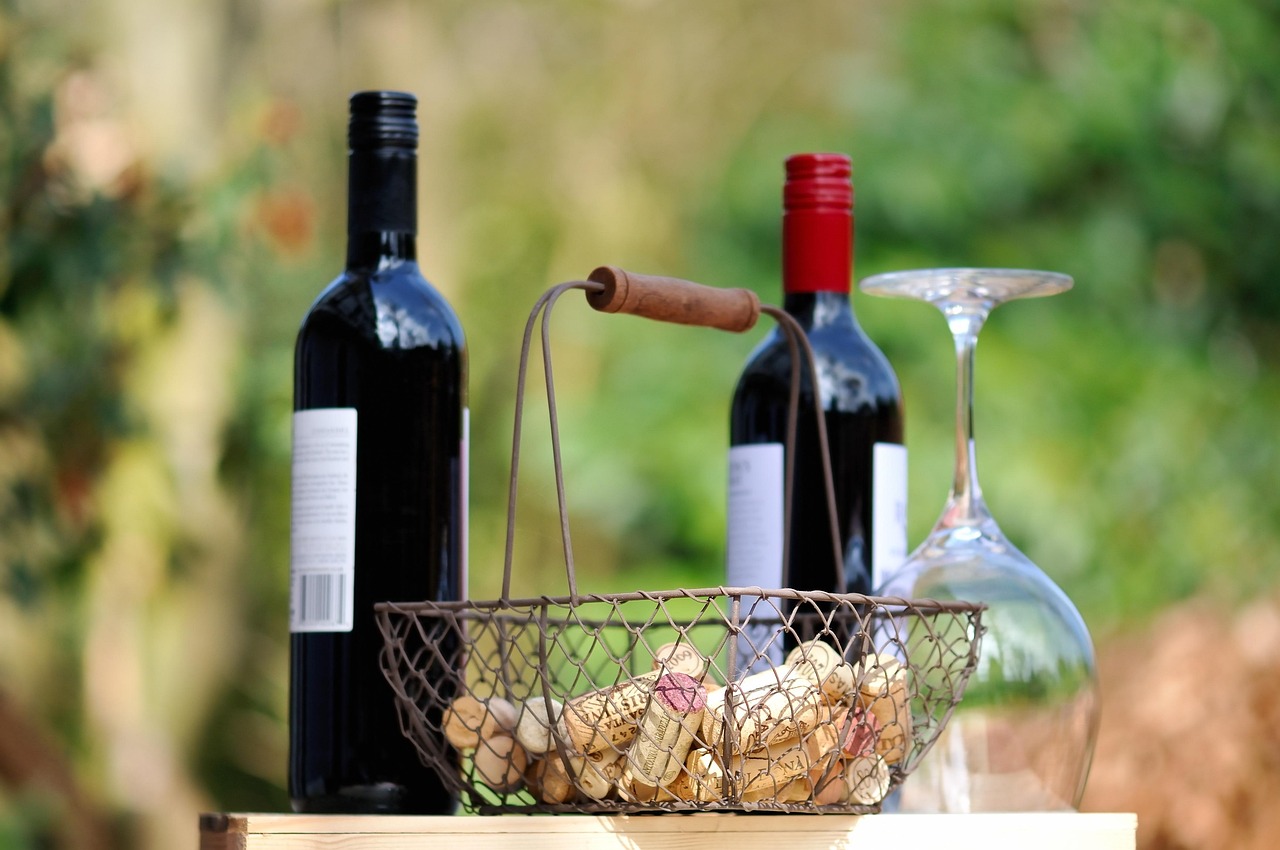
Overview of Viticultural and Winemaking Basics
Grapes, Tannins, and Natural Acidity
Grape composition dictates how any wine ages, both inside the bottle and after opening. Tannins, extracted from skins, seeds, and stems, act as natural antioxidants that protect structured red wines over time.
Acidity provides structural backbone and freshness, contributing to the longevity of white styles. Varieties naturally high in acid and tannin generally exhibit greater resilience when exposed to air.
Fermentation and Oxygen Management Principles
Winemaking involves controlled exposure to oxygen during fermentation and aging to build complexity. Winemakers carefully manage gas exchange using stainless steel, concrete, or oak barrels of varying ages.
Understanding these production choices illuminates why certain commercial styles age gracefully while others demand immediate consumption. Every winemaking decision sets the baseline for post-purchase handling.
Understanding Sulfur Dioxide in Winemaking
Sulfur dioxide serves as a vital antimicrobial and antioxidant additive utilized throughout modern winemaking. It binds with free oxygen molecules, preventing premature browning and microbial spoilage in finished bottles.
The presence of residual sulfur dioxide explains why commercial wines withstand initial air exposure better than unpreserved alternatives. This compound gradually dissipates once the bottle is uncorked and exposed to air.
How Production Methods Impact Shelf Life
Wines subjected to extensive oak aging, lees stirring, or high sulfur additions often display robust resilience after opening. Conversely, minimalist natural wines lacking preservatives oxidize much faster upon uncorking.
Recognizing stylistic indicators on labels helps consumers anticipate how long an opened bottle will remain viable. Matching storage expectations to winemaking techniques prevents disappointment and wasted portions.
Frequently Asked Questions
Does keeping an open bottle in the refrigerator prevent all oxidation?
Refrigeration slows down molecular activity and chemical reaction rates significantly, but it does not completely halt oxidation. Cold temperatures reduce the speed at which oxygen interacts with the wine, extending its drinkable window by a few days, though progressive changes still occur gradually over time inside the sealed container.
Can sparkling wine be saved effectively after the cork is removed?
Sparkling wine loses carbon dioxide rapidly once opened, leading to a flat texture within a day. Utilizing a specialized hinged sparkling wine stopper helps maintain pressure temporarily, but carbonation naturally escapes over twenty-four to forty-eight hours, making prompt consumption the most reliable preservation strategy for sparkling styles.
What is the best way to store a half-empty bottle of red wine?
The most effective method involves transferring the remaining red wine into a smaller, clean glass jar or bottle to minimize headspace. Seal the container tightly, place it inside the refrigerator to lower the temperature, and consume the contents within two to three days for optimal flavor retention.
Are expensive wines more resistant to air exposure than budget wines?
Price alone does not dictate resistance to air exposure, though structural elements often found in premium wines help. Higher tannin levels, concentrated extracts, and balanced natural acidity commonly found in complex structured wines provide better resilience against oxidation compared to light, simple everyday table wines.
How can you tell if leftover wine has spoiled completely?
Spoiled wine typically exhibits sharp vinegar aromas, intense chemical off-notes, or a complete absence of fresh fruit character. If the liquid smells unpleasantly sharp or resembles household vinegar rather than wine, it has degraded past the point of culinary usability and should be discarded safely.
Is it safe to drink wine that has been left open overnight on a counter?
Drinking wine left open overnight at room temperature poses no toxic risk, provided the bottle was protected from insects and dust. However, the flavor profile will likely be heavily oxidized, flat, and muted, offering diminished sensory enjoyment compared to freshly opened wine poured directly from a newly unsealed bottle.