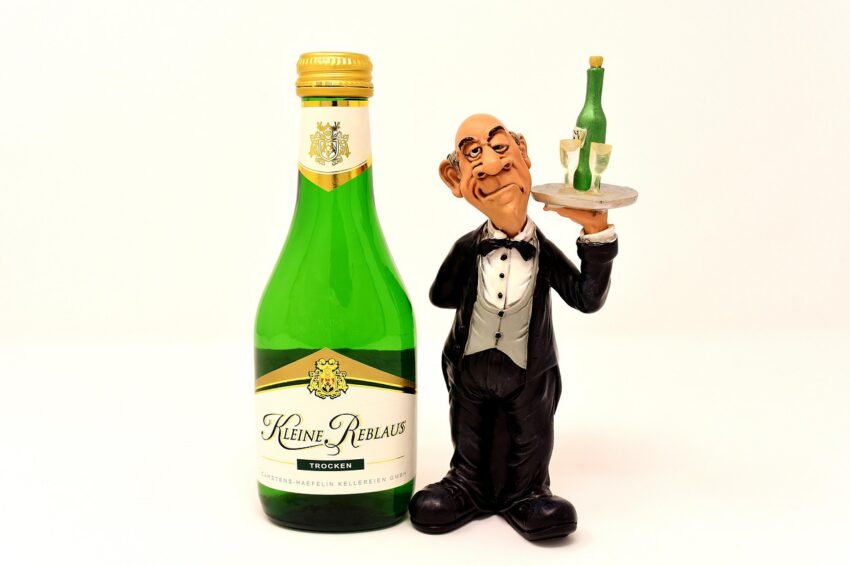
Serving white wine correctly relies on managing temperature, selecting appropriate glassware, and understanding basic pouring techniques to enhance the beverage’s natural characteristics. Unlike red wines, most white wines benefit from being chilled, which preserves their refreshing acidity, highlights fruit aromas, and balances structural components.
Mastering these service fundamentals allows you to present any white wine under optimal conditions, ensuring that its distinct aromatic profile and flavor structure are clearly expressed from the first pour to the last.
Temperature and Thermal Management for White Wine
Ideal Serving Temperatures by Style
Different white wine styles require distinct serving temperatures to showcase their profiles. Light-bodied, crisp whites like Sauvignon Blanc and Pinot Grigio shine at cooler temperatures between 45°F and 50°F. This range accentuates their zesty acidity and floral aromatics.
Full-bodied styles, such as barrel-aged Chardonnay or Viognier, benefit from slightly warmer service between 50°F and 55°F. Allowing these richer wines to warm up slightly reveals complex secondary notes like brioche, toasted nuts, and vanilla without masking their core fruit structure.
Refrigerator vs. Ice Bucket Cooling Times
Achieving the correct serving temperature requires understanding thermal transfer rates. A bottle stored at room temperature typically needs about two to three hours in a standard refrigerator to reach ideal chilling levels for crisp white styles.
When time is limited, an ice bucket filled with equal parts ice and water cools a bottle significantly faster, usually within twenty to thirty minutes. Adding a handful of salt to the ice bath accelerates the cooling process further by lowering the freezing point of the water mixture.
Temperature Impact on Flavor Perception
Temperature directly alters how human palate receptors perceive wine components. Excessively cold temperatures, near 35°F, numb the taste buds and suppress volatile aromatic compounds, causing high-acid white wines to taste overly tart and muted.
Conversely, if a white wine becomes too warm, the alcohol component dominates the aromatic profile, masking delicate fruit notes and rendering the wine unbalanced. Monitoring temperature ensures that neither extreme compromises the tasting experience.
Selecting the Correct Glassware for White Wines
Bowl Shape and Aroma Concentration
White wine glasses feature smaller bowls compared to red wine glassware. This compact design maintains cooler temperatures longer while concentrating volatile aromatic compounds toward the rim, making it easier to perceive subtle floral, citrus, and mineral notes.
The narrower opening directs the wine toward the front and center of the palate, hitting the taste receptors responsible for detecting acidity. This structural alignment highlights the crisp, refreshing qualities that define many classic white wine styles.
Stemware Options for Full-Bodied Whites
Full-bodied white wines, particularly those with oak influence, require slightly larger bowls with wider apertures. This expanded surface area allows the wine to breathe, encouraging complex tertiary aromas to develop and release smoothly.
The broader bowl shape also directs the flow of wine slightly wider across the tongue, engaging a larger surface area of the palate. This helps balance the rich texture, creamy mouthfeel, and subtle tannin presence found in mature, barrel-fermented whites.
Standard Universal White Wine Glasses
For everyday tasting and casual service, a standard universal white wine glass serves as a versatile option. These medium-sized glasses accommodate everything from sparkling wines to crisp aromatics without requiring an extensive collection of specialized stemware.
Choosing stemware with a clear, colorless bowl is essential for evaluating wine appearance, clarity, and color saturation. Avoid tinted or heavily patterned glasses, as they obscure visual assessment during the initial inspection phase.
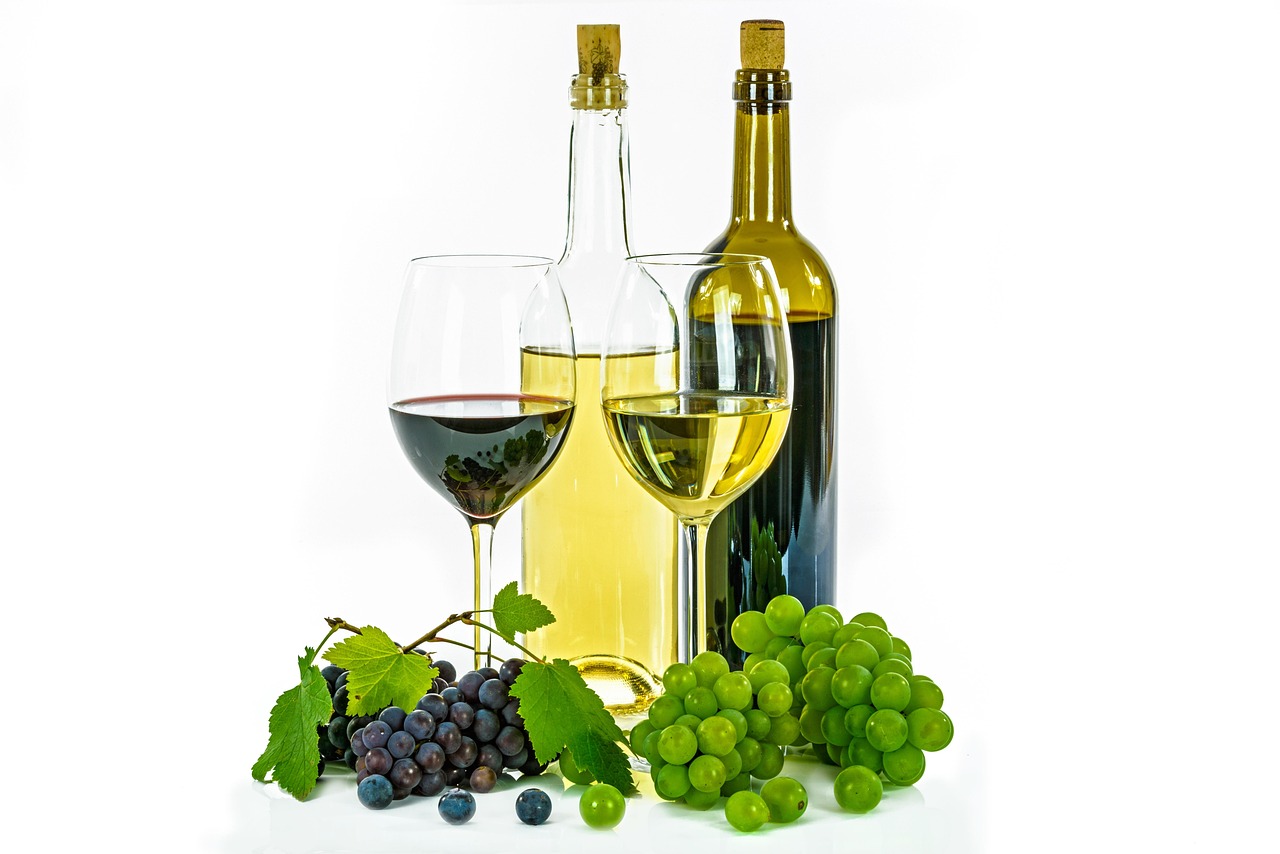
Opening, Pouring, and Initial Presentation
Removing Capsules and Corks Cleanly
Proper bottle opening begins with cutting the foil capsule cleanly beneath the lower lip of the bottle neck to prevent wine from contacting the metal foil during pouring. A sommelier knife with a serrated blade makes this step straightforward and precise.
When inserting the corkscrew worm, center it vertically and twist straight down, avoiding an angle that could break the cork. Pull the cork upward gently in a steady motion, using the leverage notch of the opener to extract it quietly.
Screw Cap Mechanics and Pouring Angles
Many modern white wines utilize screw caps, which offer reliable protection against cork taint and simplify the opening process. Simply grip the cap firmly and twist counterclockwise until the seal breaks, then lift it cleanly off the bottle neck.
When pouring, maintain a steady grip on the base of the bottle with the label facing upward so guests can easily view the producer and varietal. Tilt the bottle gently, maintaining a smooth, controlled flow into the center of the glass.
Measuring Standard Pours and Decanting Basics
A standard restaurant pour for still wine is generally five ounces, yielding roughly five glasses per standard 750ml bottle. Pouring smaller, consistent amounts keeps the wine at the proper temperature in the glass and allows for better aeration.
While most white wines do not require traditional decanting, exceptionally bold or slightly reduced white wines benefit from thirty minutes of breathing time in a clean carafe to soften aggressive aromatics and open up integrated flavors.
Before pouring a glass for your guests, identifying a white wine not sweet ensures it matches their personal palate preferences.
Short-Term Storage and Preservation Principles
Countertop and Refrigerator Constraints
White wines kept in standard household refrigerators for extended periods risk quality degradation due to constant vibration and fluctuating temperatures when the door opens. Long-term storage in a standard kitchen fridge is generally discouraged beyond a few weeks.
Countertop storage exposes bottles to direct sunlight and damaging heat fluctuations, which rapidly accelerate oxidation. Keep opened or unopened backup bottles in a cool, dark, vibration-free environment until they are ready to be chilled and served.
Using Vacuum Pumps and Gas Preservers
Once opened, white wine begins to oxidize as oxygen interacts with its chemical compounds. Inserting a manual vacuum pump stopper removes excess air from the bottle, slowing the oxidation process and preserving freshness for an extra day or two.
Alternatively, inert gas preservers spray a blanket of heavier-than-air gas, such as argon, over the wine’s surface. This creates a protective barrier against oxygen, effectively maintaining the wine’s primary fruit characteristics for a slightly longer duration.
Recognizing Signs of Oxidation
An oxidized white wine loses its vibrant primary fruit flavors, shifting toward dull, flat notes reminiscent of bruised apples or stale nuts. The color also deepens noticeably, turning from pale straw or green-gold to a dark amber hue.
Detecting these signs indicates that the bottle has been open too long or exposed to detrimental storage conditions. While not harmful to consume, heavily oxidized wine no longer reflects the winemaker’s intended flavor profile.
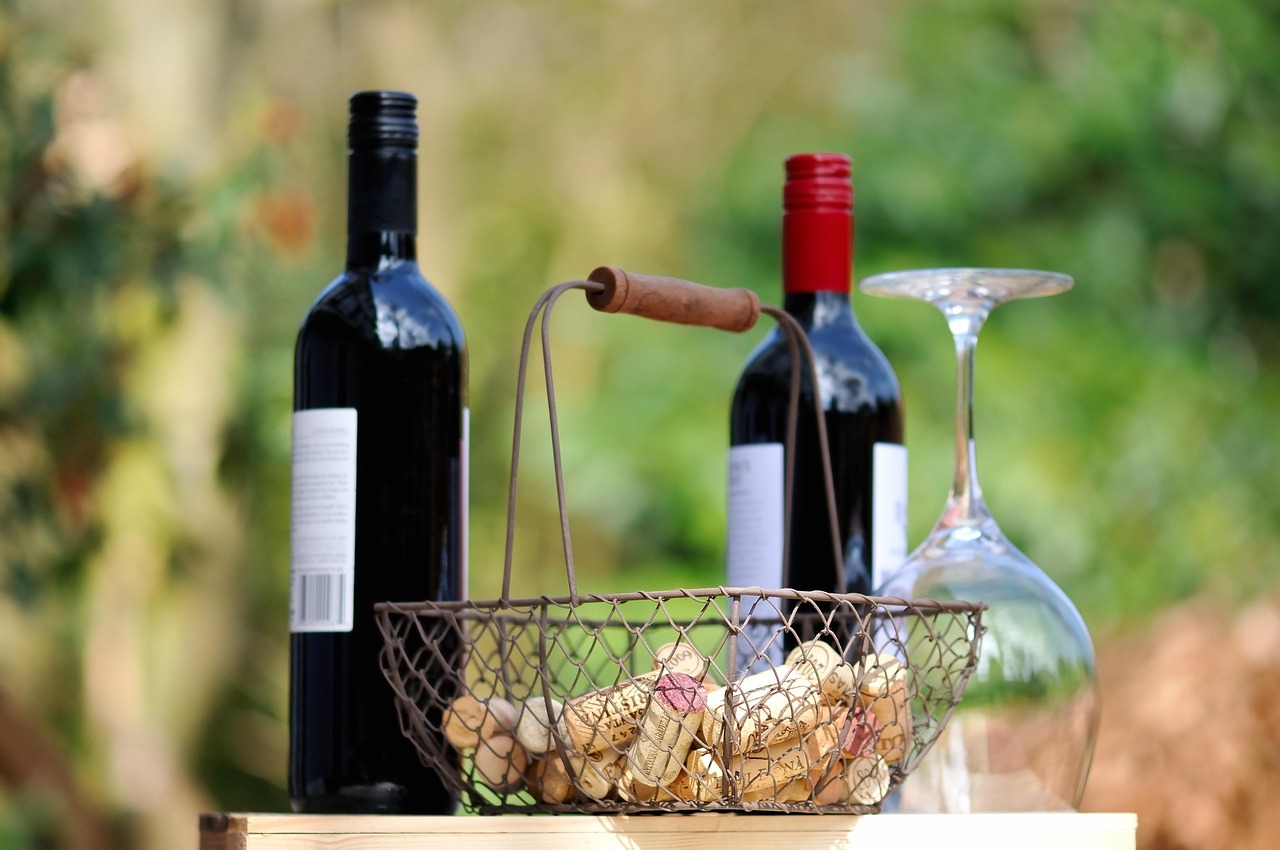
When dealing with leftover bottles, understanding how to store opened white wine correctly preserves flavor integrity and prevents premature oxidation.
Basic Food Pairing Fundamentals for White Wine
Matching Acidity with Rich Foods
The high natural acidity found in crisp white wines acts as a palate cleanser when paired with rich, fatty, or creamy dishes. The acidity cuts through heavy fats, refreshing the palate between bites and creating a harmonious culinary balance.
Classic examples include pairing high-acid Sauvignon Blanc with goat cheese or serving a sharp, mineral-driven Riesling alongside rich pork belly. The contrasting elements enhance both the food and the wine simultaneously.
Balancing Sweetness and Spice
Off-dry and lightly sweet white wines provide exceptional contrast when paired with moderately spicy cuisines, such as Thai or spicy Asian dishes. The residual sugar in the wine softens the perception of heat on the palate.
A wine with low alcohol and balanced sweetness prevents spice from overwhelming the palate, whereas high-alcohol dry wines can make spicy food taste uncomfortably hot and harsh. Always match sweetness levels thoughtfully.
Weight and Texture Coordination
Successful pairing also involves matching the body and texture of the wine with the density of the food. Light-bodied, delicate whites pair best with lighter fare like raw shellfish, delicate white fish, and simple green salads.
Full-bodied, oak-aged whites possess the structural weight required to stand up to richer proteins, roasted poultry, and cream-based sauces. Aligning texture ensures that neither the food nor the wine overwhelms the other.
Exploring specific regional dishes, such as a traditional pecorino wine food pairing, elevates the overall tasting experience significantly.
Frequently Asked Questions About White Wine Service
Should all white wines be served ice cold?
No, serving all white wines ice cold is a common misconception that mutes their complex aromatic profiles. While crisp, light-bodied whites benefit from colder temperatures around 45°F, full-bodied, barrel-aged whites taste better slightly warmer, between 50°F and 55°F, allowing their rich secondary flavors and textures to express themselves fully on the palate.
How long does an opened bottle of white wine last?
An opened bottle of white wine typically remains fresh for two to three days when stored properly sealed inside a refrigerator. Using a vacuum pump or inert gas preservation system can occasionally extend this window slightly, but delicate aromatics begin to fade and oxidation occurs progressively after the initial opening.
Is a decanter necessary for white wine?
Decanting is rarely necessary for most white wines, as they are generally crafted for immediate freshness and do not possess heavy tannins requiring extensive aeration. However, exceptional older vintage whites or tightly wound, full-bodied styles can benefit from brief decanting to soften reductive notes and release closed aromatics.
What is the best way to chill a warm bottle quickly?
The fastest way to chill a warm bottle of white wine is to submerge it in an ice bucket filled with equal parts ice, cold water, and a handful of salt. The water ensures maximum surface contact with the glass, while the salt lowers the freezing point, chilling the bottle thoroughly in twenty to thirty minutes.
Can white wine be served in a red wine glass?
While you can technically pour white wine into a red wine glass in a pinch, it is not ideal. Red wine glasses feature larger bowls that allow white wine to warm up too quickly and fail to concentrate delicate floral and citrus aromas toward the rim as effectively as standard white wine stemware.
How do I know if a white wine has spoiled?
A spoiled white wine typically exhibits a dark amber color, unlike its original pale straw hue, accompanied by aromas of bruised apples, vinegar, or stale nuts instead of fresh fruit. Tasting a spoiled wine reveals flat, oxidized flavors with missing acidity, indicating that the bottle has been compromised by heat or excessive air exposure.