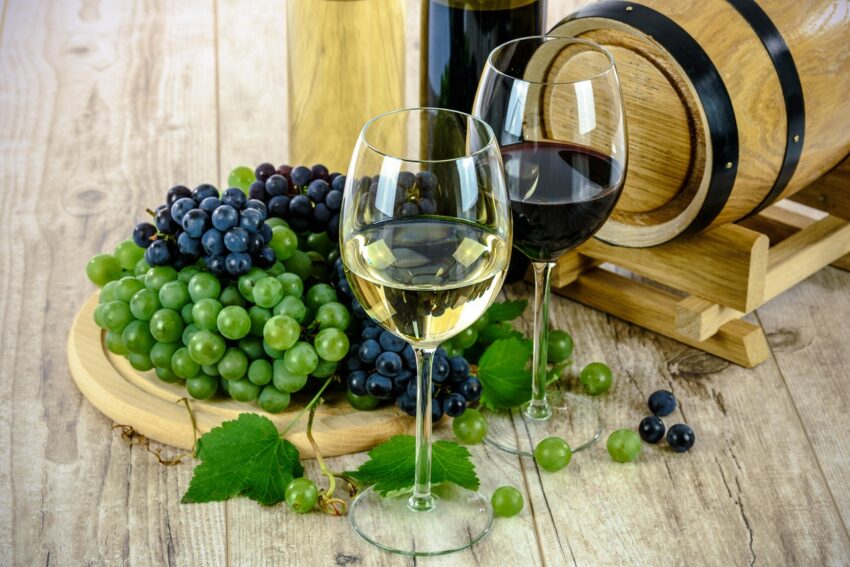
Cabernet Franc tasting notes typically center around a distinctive aromatic profile combining red fruit, green bell pepper, and graphite notes. Genetically, Cabernet Franc is one of the parent grapes of Cabernet Sauvignon and is also a parent of Merlot, making it a foundational variety in many classic blends. This variety offers a lighter-bodied yet complex structure that appeals to diverse wine enthusiasts.
When evaluating this varietal, tasters frequently encounter bright raspberry and strawberry flavors underpinned by savory pyrazine compounds. These organic chemical compounds deliver characteristic herbal nuances like crushed mint, tobacco leaf, and tomato vine, setting the grape apart from heavier reds.
Regional climate heavily dictates the resulting glass, shifting profiles from lean, herbaceous styles in cooler European zones to lush, blackberry-driven formats in sun-drenched growing regions. Understanding these structural components helps consumers anticipate flavors before pulling the cork.
Primary Aromas and Fruit Profiles
Red Fruit Characteristics
Fresh red fruits form the vibrant core of many classic Cabernet Franc tasting profiles. Tasters routinely identify prominent notes of tart red cherry, fresh raspberry, and wild strawberry.
These cheerful red fruit descriptors provide an inviting brightness upon the initial entry on the palate. They prevent the wine from feeling overly austere while balancing the herbal undertones.
Dark Fruit Expressions
Warmer growing climates encourage the development of deeper dark fruit flavors within the wine. Expressions frequently shift toward black cherry, ripe plum, and occasional hints of blackberry.
This fruit evolution adds weight to the mid-palate without overshadowing the grape’s signature aromatic complexity. The darker fruit spectrum often harmonizes seamlessly with subtle oak aging influences.
Floral and Herbal Undertones
Distinctive pyrazine compounds impart signature herbal and green characteristics to the tasting experience. Expect noticeable aromas of fresh bell pepper, crushed mint, tobacco leaf, and tomato vine.
Delicate floral notes like dried violet or lavender frequently emerge alongside these savory elements. This intricate interplay between herbaceous greens and florals defines the unique personality of the varietal.
If you enjoy lighter styles, exploring rose wine tasting notes provides a fascinating comparison to green bell pepper notes.
Structural Elements and Mouthfeel
Acidity Levels and Balance
Natural acidity plays a critical role in shaping the overall mouthfeel of Cabernet Franc. Moderate to high acidity levels provide a refreshing, food-friendly backbone across various regional styles.
This structural freshness lifts the denser fruit flavors and prevents the wine from tasting flabby. It creates a lively tension on the finish that encourages continued food pairing exploration.
Tannin Texture and Grip
Tannin levels in this variety are typically moderate, offering a finer grain than Cabernet Sauvignon. Tasters often describe the mouthfeel as supple, silky, or lightly dusty rather than aggressively astringent.
Younger bottles may display a firmer grip from youthful tannins, which tend to integrate over time with cellaring. This approachable texture makes the wine accessible relatively early in its bottle life.
Alcohol and Body Impressions
Alcohol levels generally range from moderate to medium-full depending on the harvest region. Cool-climate examples tend to display lighter bodies, whereas warmer regions yield fuller impressions.
The resulting body rarely feels heavy, maintaining an elegant medium-weight profile on the palate. This structural lightness distinguishes the wine from heavier global red counterparts.
For another medium-bodied red experience, reviewing montepulciano wine tasting notes highlights contrasting tannin and acidity levels.
Regional Variations in Tasting Profiles
Cool-Climate Expressions
Cool-climate regions emphasize the savory, herbal, and mineral dimensions of the grape. Tasting notes frequently highlight green bell pepper, pencil lead, wet gravel, and tart red berries.
Such wines often exhibit lighter bodies, higher acidity, and lean profiles that appeal to traditionalists. These restrained expressions showcase the botanical side of the varietal profile clearly.
Warm-Climate Expressions
Warm-climate iterations produce softer, fruit-forward tasting profiles with reduced herbaceousness. Expect lush blackberry, stewed plum, cocoa powder, and sweet baking spice characteristics to emerge.
The physical structure adapts with riper tannins, lower relative acidity, and increased alcohol warmth. These rich styles offer a plush drinking experience distinct from European benchmarks.
Old World Versus New World Styles
Old World iterations prioritize earthy complexity, dried herbs, and structural minerality over overt fruitiness. They rely on subtlety, earth, and secondary development to drive the tasting profile.
New World counterparts lean toward cleaner fruit extraction, polished oak integration, and approachable textures. Both styles reflect distinct viticultural philosophies while retaining the core varietal identity.
Contrast these red characteristics by examining chablis wine tasting notes to understand entirely different regional expressions.
Aging Potential and Evolution in Bottle
Youthful Primary Stage
In its youth, the wine highlights bright primary fruit and dominant pyrazine herbaceousness. The aromatic profile feels energetic, featuring punchy red berries, fresh pepper, and brisk acidity.
Tannins during this early window can feel slightly pronounced and angular before integration occurs. Consuming bottles young captures the vibrant, unadulterated essence of the grape variety.
Transitional Development
During mid-life maturation, primary fruit characters gradually recede into the background. Secondary notes begin to appear, introducing elements of leather, forest floor, cedar, and subtle roasted nuts.
The palate undergoes a softening transformation as tannins polymerize and gradually integrate over time. Acidity harmonizes with the developing tertiary complexity to create a balanced, cohesive sip.
Characteristics at Maturity
Fully mature bottles reveal deep tertiary layers dominated by truffle, cigar box, earth, and dried fruit. The original herbal notes integrate seamlessly into a harmonious, complex aromatic tapestry.
Mouthfeel at this stage feels seamless, velvety, and fully resolved without aggressive edges. Careful storage conditions remain essential for achieving this graceful structural evolution successfully.
Frequently Asked Questions
What does Cabernet Franc smell like?
The aromatic profile centers on red berries, bell pepper, and graphite. Natural pyrazine compounds create distinct herbal aromas like crushed mint, tobacco leaf, and tomato vine.
Depending on climate and ripeness, secondary notes like violet flowers, wet gravel, and cedar may also appear. This complex aromatic mix provides a clear sensory departure from heavier red wines.
Is Cabernet Franc heavy or light?
The wine is generally categorized as medium-bodied, sitting comfortably between lighter reds and heavy powerhouses. It offers a refreshing, elegant mouthfeel rather than a thick, heavy structure.
While warmer regions produce slightly fuller styles, the natural acidity and moderate tannins prevent heaviness. This versatile weight makes the wine exceptionally adaptable for various dining occasions.
How does Cabernet Franc differ from Cabernet Sauvignon?
While genetically related, Cabernet Franc features lighter body, softer tannins, and higher natural acidity. It typically exhibits more pronounced herbal pyrazine notes compared to Cabernet Sauvignon.
Cabernet Sauvignon generally yields bolder black fruit flavors, heavier structure, and greater overall density. Cabernet Franc emphasizes savory freshness, aromatic florals, and quicker approachability in youth.
What foods pair best with Cabernet Franc?
The wine’s moderate tannin structure, vibrant acidity, and savory pyrazine notes make it exceptionally versatile at the dinner table. Herb-driven culinary preparations, roasted meats, and earthy vegetables find a natural partner in its botanical flavor profile. Classic regional pairings often include roasted lamb seasoned with rosemary, pork loin rubbed with fennel, or vegetarian dishes featuring roasted peppers and lentils.
Furthermore, the wine’s natural acidity can complement creamy goat cheeses and lighter proteins; pairings with oily fish are less conventional and depend on preparation and personal preference. Matching the wine’s inherent herbal components with fresh kitchen herbs like mint, thyme, or oregano creates a seamless harmony on the palate. This structural flexibility allows the wine to bridge the gap between delicate white wine dishes and heavy red meat formats.
What is the ideal serving temperature for Cabernet Franc?
Serving temperature significantly influences how the tasting notes and structural elements present themselves in the glass. The ideal temperature ranges between 60 and 65 degrees Fahrenheit, slightly cooler than standard room temperature. A brief chill in a refrigerator before opening can help bring the wine closer to the target range, though the time needed will vary depending on the wine’s starting temperature.
If the wine is served too warm, the alcohol can dominate the aromatic profile and obscure the delicate floral and pyrazine compounds. Conversely, serving the wine too cold mutes the fruit expressions and makes the moderate tannins feel overly astringent and rigid. Striking the right balance allows the complex aromatic layers to emerge cleanly without distraction.
Why is Cabernet Franc frequently used in wine blends?
Winemakers often value this grape as a blending component because it introduces aromatic complexity, structural lift, and herbal freshness. In traditional Bordeaux blends, it adds a distinct lift of red fruit, pencil lead, and savory spice alongside varieties like Cabernet Sauvignon and Merlot. Its natural acidity helps balance heavier, lower-acid lots, ensuring the final blend maintains balance.
In regions outside Europe, producers use the variety to add aromatic nuance without overwhelming the core fruit expression of a cuvée. Even a small percentage can alter the aromatic trajectory of a wine, introducing floral undertones and subtle botanical grip. This versatility makes the grape an indispensable tool for winemakers seeking to build multi-dimensional red blends.
Which glassware shape works best for tasting Cabernet Franc?
A standard Bordeaux-style glass with a moderately tall bowl and a slightly tapered rim provides the optimal vessel for evaluation. This shape allows the wine to breathe and concentrates the vibrant red fruit and floral aromas toward the nose; whether brief glass aeration meaningfully alters pyrazine perception varies by wine and taster. The generous surface area supports even distribution of the wine on the palate.
Excessively oversized bowls may disperse aromas more rapidly, which can make delicate herbal notes harder to evaluate. A well-proportioned red wine glass ensures that the moderate tannins and refreshing acidity remain balanced from the first sip to the final finish. Proper glassware enhances the appreciation of the wine’s structural nuances significantly.
Does Cabernet Franc require decanting before tasting?
Decanting requirements depend largely on the age, style, and structural profile of the specific bottle you are evaluating. Younger, firmer expressions or structured cool-climate bottlings may benefit from thirty to sixty minutes of aeration in a clean decanter. Effects vary by bottle: some wines show more open fruit after aeration, while perceived structural changes are less predictable and not guaranteed.
Conversely, older mature bottles require careful handling and minimal aeration to preserve fragile tertiary aromas like forest floor, tobacco, and dried fruit. Excessive oxygen exposure can cause aged wines to fade rapidly and lose their subtle nuances in the glass. Assessing the bottle’s age and weight helps determine whether decanting will enhance the tasting experience.
What visual clues does the color of Cabernet Franc provide?
Observing the color of the wine in the glass offers preliminary clues regarding climate, grape ripeness, and aging progression. The variety typically exhibits a translucent ruby-red hue with bright garnet or purple highlights in its youth. Cool-climate or early-harvest wines often display lighter, paler ruby rims, indicating higher acidity and lighter overall phenolic extraction.
As the wine matures in the bottle over several years, the vibrant red color gradually shifts toward brick-orange or tawny hues along the edges of the glass. Warmer-growing iterations display a deeper, more opaque crimson core with slightly denser pigmentation. Examining these visual characteristics helps tasters anticipate the structural weight and developmental stage before the first sip.