
A white wine reduction sauce is a fundamental culinary preparation created by simmering wine until a significant portion of its water content evaporates. This process concentrates the natural acids, sugars, and aromatic compounds of the beverage, transforming a fluid liquid into a rich, flavorful pan sauce.
In cooking applications, this technique relies on thermal evaporation to drive off harsh volatile alcohols while leaving behind complex flavor residues. Mastering the reduction process requires careful attention to heat management, wine selection, and subsequent pan integration.
Whether paired with seafood, poultry, or vegetables, a properly executed reduction elevates simple ingredients through concentrated acidity and savory depth. Understanding the underlying mechanics ensures reliable results across various culinary styles and ingredient combinations.

Selecting the Right Wine for Reduction
Acid and Sugar Balance
Choosing a wine with adequate natural acidity is essential for preventing the final reduction from tasting flat or overly heavy. High-acid white wines retain their structural brightness even after prolonged simmering concentrates their flavor profiles.
Wines with high residual sugar require careful handling because the evaporation process concentrates sweetness rapidly. Selecting dry styles generally provides better control over the final flavor balance of savory pan sauces.
Alcohol Content and Boiling Dynamics
Standard table wines typically range from eleven to fourteen percent alcohol by volume, which directly influences evaporation behavior. The presence of alcohol alters the surface tension and boiling point of the liquid during initial heating stages.
As the wine simmers, volatile compounds evaporate alongside water molecules, leaving behind non-volatile acids and extracts. Managing the heat prevents scorching and ensures a smooth, gradual reduction of the base liquid.
Varietal Characteristics in Cooking
Light-bodied, crisp white wines impart clean, fruit-forward acidity without overwhelming delicate proteins like fish or poultry. Sauvignon Blanc and Pinot Grigio offer reliable structural profiles for bright, citrus-noted reductions.
Oaked or heavier varieties introduce distinct secondary notes, such as vanilla or toast, which can interact unpredictably with savory pan drippings. Evaluating the specific flavor profile of the grape variety helps maintain harmony in the finished dish.
When you want to experiment beyond standard options, you might prepare a rich port wine reduction sauce for deeper flavor.
Essential Culinary Technique and Pan Physics
Heat Control and Evaporation Rates
Maintaining a steady, gentle simmer rather than a violent boil allows for controlled reduction without splattering or scorching. Moderate heat ensures that water molecules escape efficiently while delicate aromatics are preserved.
Wide, shallow pans maximize surface area, significantly accelerating the rate of evaporation compared to deep pots. This physical geometry helps reduce the liquid evenly and quickly before the pan contents over-concentrate.
Fond Integration and Deglazing
Pouring wine into a hot pan immediately after searing proteins dissolves the caramelized food particles stuck to the bottom. These browned bits, known as fond, contribute deep umami characteristics to the developing sauce.
Scraping the pan surface with a wooden utensil during the initial splash incorporates the fond smoothly into the liquid. This dissolution bridges the flavors of the cooked protein with the reduced wine base.
Consistency Stages and Thickness
As water evaporates, the liquid transitions from a thin broth to a syrupy consistency defined by natural grape sugars and acids. Recognizing this visual and physical shift prevents over-reduction and bitter taste development.
A properly reduced wine should coat the back of a spoon lightly before secondary ingredients or finishing fats are added. This foundational stage prepares the liquid to accept emulsions smoothly and evenly.
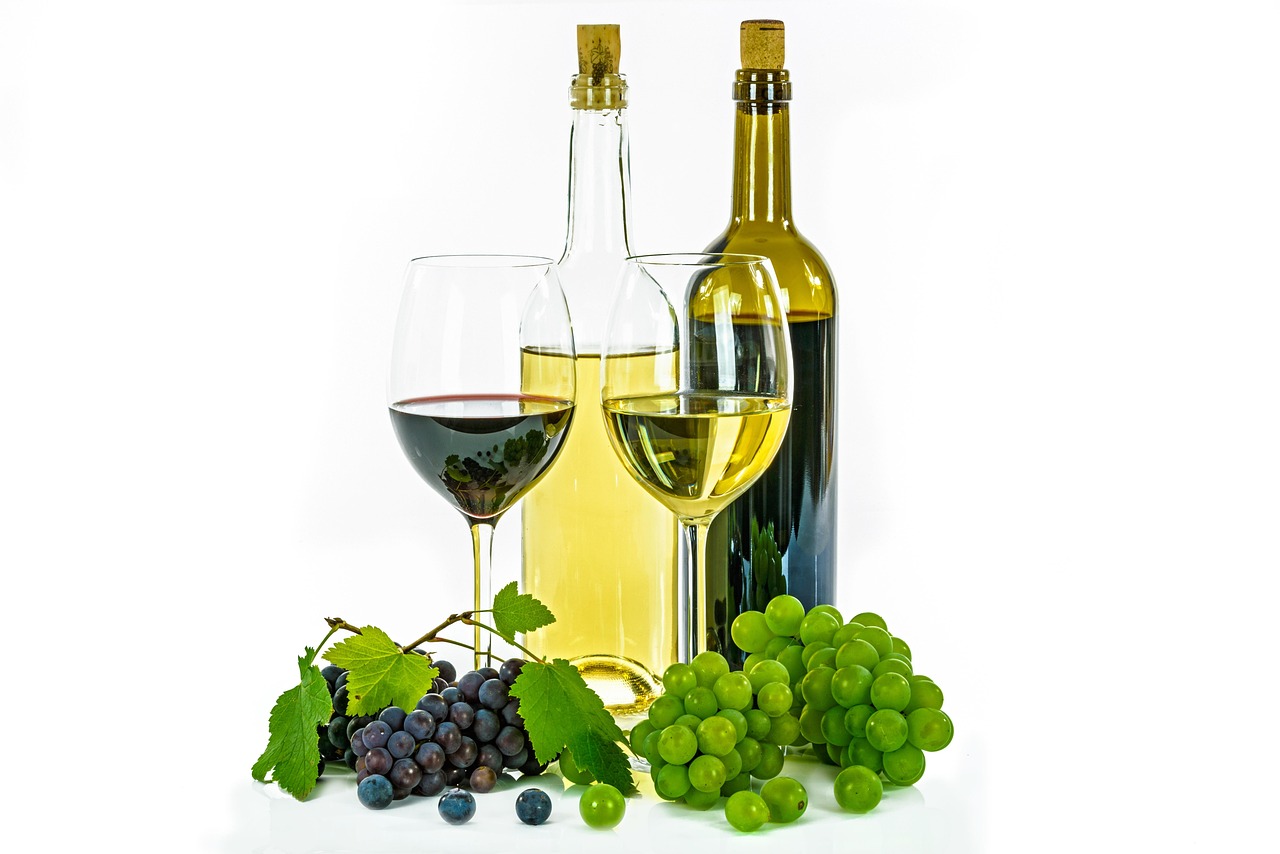
Acid levels play a crucial role during simmering, and understanding the exact ph of white wine helps balance flavors.
Incorporating Fats and Emulsification
Mounting with Cold Butter
Whisking chilled butter pieces into a warm wine reduction creates a stable, glossy emulsion known in culinary terminology as mounting. The milk solids and fats suspend within the concentrated liquid, softening harsh acidic edges.
The butter must be added off the heat or over very low flames to prevent the emulsion from breaking into separated oil and liquid. This final step adds a velvety mouthfeel and rounds out the flavor profile.
Cream and Dairy Additions
Heavy cream introduces dairy fats and proteins that blend harmoniously with reduced wine acids to create richer pan sauces. Simmering cream alongside the reducing wine thickens the mixture primarily through concentration as moisture evaporates.
Adding cream to a very hot, highly reduced wine base too quickly can cause protein coagulation and a grainy texture, so simmering the wine down first and introducing cream gradually is advisable. This sequential approach ensures a smooth, homogeneous texture without graininess.
Preventing Sauce Separation
Emulsified reductions remain stable only when temperature thresholds and fat-to-liquid ratios are carefully maintained during finishing. Excessive heat after adding butter or cream causes the emulsion to fracture and release grease.
Stirring continuously while incorporating finishing fats helps distribute the droplets evenly throughout the reduced wine base. Monitoring thermal intensity safeguards the visual appeal and velvety texture of the sauce.
Flavor Enhancements and Aromatics
Shallots, Garlic, and Alliums
Sweating minced shallots or garlic in the pan before adding wine establishes a savory aromatic foundation for the reduction. The natural sugars in these alliums caramelize slightly, adding depth that complements the wine’s acidity.
Straining the final sauce removes solid allium pieces if a completely smooth, professional texture is desired for service. Alternatively, leaving them intact provides rustic texture and robust flavor bursts.
Herbs, Zest, and Finishing Elements
Adding fresh herbs like thyme, tarragon, or parsley near the end of the reduction cycle infuses volatile essential oils. Delicate herbs release their flavors quickly without developing bitter cooked notes from prolonged simmering.
Citrus zest introduced during the final stages brightens the overall flavor profile by reinforcing the natural fruit notes of the wine. Small additions of citrus juice can also adjust perceived acidity balance.
Seasoning Adjustments and Salt
Salt should be added carefully at the very end of the reduction process because concentration intensifies existing salinity. Tasting the sauce after full reduction prevents accidental over-salting as the liquid volume diminishes.
Balancing drops of acid or pinches of sugar allows fine-tuning of the flavor profile just before plating the dish. Proper seasoning highlights the complex interplay between wine extracts and savory pan drippings.

Proper storage matters before cooking, so always consider practical steps on how to keep white wine fresh for your recipes.
Frequently Asked Questions
What types of white wine work best for savory pan sauces?
Dry, crisp white wines with moderate alcohol levels and high acidity function best for savory reduction sauces. Varieties like Sauvignon Blanc, Pinot Grigio, and unoaked Chardonnay provide reliable structural balance without overpowering other ingredients.
Avoid sweet dessert wines or heavily oaked styles, as concentrated sugars and pronounced oak flavours can create unbalanced or bitter results. The ideal cooking wine should feature clean fruit characteristics and refreshing natural acidity.
How do you fix a reduction sauce that tastes too acidic?
A reduction that tastes overly sharp can often be balanced by whisking in small amounts of cold butter or heavy cream. The milk fats coat the palate and soften the perception of harsh acids without masking underlying flavors.
Alternatively, adding a tiny splash of unsalted stock, a pinch of sugar, or a drop of water can dilute and soften the concentration. Adjusting the seasoning gradually prevents over-correcting the flavor profile.
Does all the alcohol completely cook out of a wine reduction?
A significant portion of alcohol evaporates during prolonged simmering, but trace amounts always remain in the finished reduction. The exact residual percentage depends on cooking time, pan surface area, and initial alcohol concentration.
Complete elimination of alcohol requires extended boiling times that would typically ruin the consistency and flavor of a standard pan sauce. Culinary reductions retain a complex balance of acids, sugars, and minimal residual spirits.
Can you use commercial cooking wine for a white wine reduction sauce?
Commercial cooking wine should generally be avoided when preparing a white wine reduction sauce because it typically contains added salt, and sometimes other additives, that can distort flavor balance. These bottled products often contain elevated sodium levels added as a preservative, which concentrates during evaporation and can make the final sauce unpleasantly salty.
Instead, select an affordable, potable table wine that you would actually enjoy drinking by the glass. Standard dry table wines provide clean fruit characteristics and predictable acidity without artificial additives or masking agents. As a practical guide, wines with clean fruit character and balanced acidity generally produce better reductions than those with strong off-flavours or very high added salt.
How should leftover white wine reduction sauce be stored and reheated?
Leftover white wine reduction sauce can be safely stored in a sealed airtight container inside the refrigerator for up to three days, though its texture may shift slightly as cooling fats solidify. Sauces that have been mounted with cold butter or heavy cream require careful handling during storage because dairy components can separate or alter in consistency upon chilling.
When you are ready to reheat the sauce, use low heat on the stovetop and whisk gently, occasionally adding a tiny splash of water, broth, or fresh wine to help restore the original glossy emulsion. Avoid high microwave settings, as intense thermal spikes will rapidly break dairy-based emulsions and cause the fats to separate, ruining the smooth mouthfeel of the finished reduction.
Why does a white wine reduction sauce sometimes turn cloudy or separate?
A white wine reduction sauce can turn cloudy or separate when residual proteins from the wine, pan drippings, or dairy additions coagulate unevenly due to thermal shock. If heat is applied too aggressively after mounting with cold butter or cream, the milk solids detach from the liquid fats, resulting in a broken, greasy, and grainy sauce texture.
Using high-quality wines and ensuring the reduction cools slightly off the burner before incorporating finishing fats helps maintain a stable, homogeneous emulsion. Additionally, choosing wines with minimal sediment and straining the finished liquid through a fine-mesh sieve removes suspended particulate matter, yielding a clear, brilliant sheen and a uniformly velvety appearance on the plate.
Can non-alcoholic wine substitutes be used effectively to make a reduction sauce?
Non-alcoholic wine substitutes can be used to make a reduction sauce, but results vary considerably depending on the product. Dealcoholised wines are produced from fermented wine with the alcohol subsequently removed, so they retain most fermentation-derived acids and aromatic compounds; grape-juice-based or blended substitutes, by contrast, may lack the acid structure and complexity of fermented wine and can taste overly sweet or flat after reduction.
To compensate for this structural deficit when using non-alcoholic substitutes, culinary practitioners frequently need to add a splash of fresh lemon juice or vinegar to restore necessary brightness. Tasting the reduction during simmering allows you to monitor the acid balance before incorporating finishing fats, though results will vary depending on the specific substitute used.