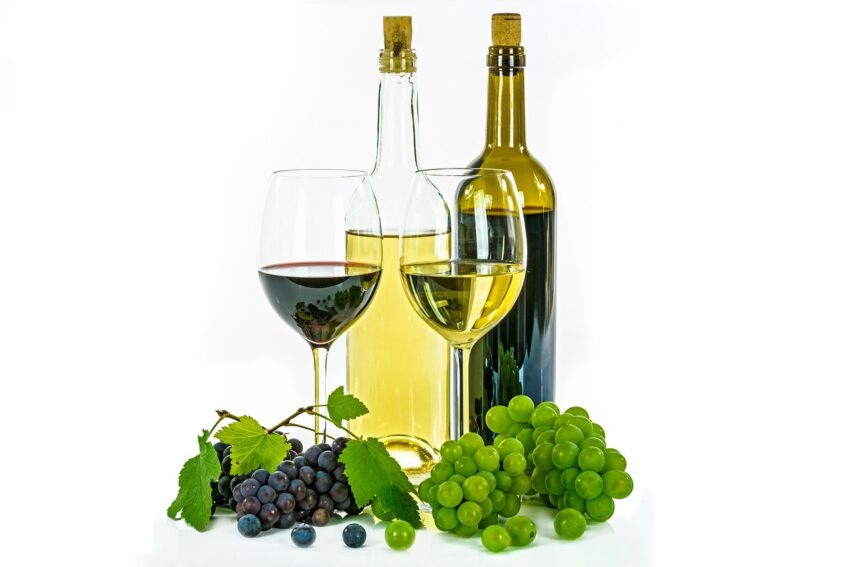
Serving Syrah wine effectively involves managing temperature, aeration, and glassware to highlight its distinct dark fruit, savory spice, and robust structural elements. Because this grape variety spans diverse regional styles ranging from cool-climate pepper-driven expressions to warm-climate fruit-forward bottlings, targeted service adjustments ensure optimal tasting results.
Proper service methods focus on presenting the wine at a cool cellar temperature rather than warm ambient room levels. Utilizing appropriate large-bowl glassware allows complex aromas to concentrate while softening the impact of pronounced tannins during consumption.
Decanting practices further refine the experience by smoothing out tight structural elements in younger bottles while separating natural sediment in mature vintages. Careful attention to these fundamental steps elevates the enjoyment of both Old World and New World interpretations.
Temperature and Decanting Protocols
Ideal Serving Temperature Ranges
Syrah reveals its complex aromatic profile best when served at a cool cellar temperature, typically between sixty and sixty-five degrees Fahrenheit. Serving the wine too warm amplifies the perception of alcohol while muting delicate floral, dark fruit, and savory herbal aromatics present in the glass.
Conversely, chilling the bottle too much locks in volatile chemical compounds and makes the natural tannins feel excessively harsh and astringent on the palate. A brief twenty-minute refrigeration period before opening often brings a warm room-stored bottle down to an appropriate baseline level for optimal drinking.
Decanting Young and Bold Syrah
Young and powerfully structured Syrah wines frequently benefit from extended decanting periods to soften aggressive structural tannins and encourage overall flavor integration. Exposing the liquid to oxygen helps dissipate reductive sulfur compounds that occasionally appear upon opening heavy commercial bottles.
Pouring the wine firmly into a wide-bottom decanter accelerates this essential aeration process significantly before table service. Allowing the wine to breathe for one to two hours transforms tightly wound structures into a much more harmonious, aromatic, and accessible tasting experience.
Managing Older Vintage Sediment
Mature Syrah bottles accumulate natural sediment over years of bottle aging, consisting of precipitated tannins and pigment compounds. Careful physical handling prevents these particles from disturbing the visual clarity and mouthfeel of the poured wine.
Keeping the bottle upright for several hours prior to opening allows sediment to settle firmly at the base. Pouring the liquid slowly under a strong light source lets the server stop immediately before particulate matter reaches the bottle neck during service.
When exploring proper handling techniques beyond specific varietals, understanding how to serve red wine properly ensures optimal flavor delivery.
Glassware Selection and Geometry
Bowl Shape for Aromatic Release
Selecting a large-bowled wine glass is essential for capturing the broad aromatic profile characteristic of fine Syrah. The expansive surface area inside the bowl permits volatile organic compounds to collect and concentrate effectively before reaching the nose of the taster during evaluation.
Cool-climate expressions featuring delicate notes of white pepper, violet, and smoked meat require adequate space for oxygen interaction. A classic Bordeaux or dedicated Syrah-specific glass provides the correct volumetric capacity for optimal aromatic development, swirling space, and sensory presentation.
Rim Width and Palate Delivery
The width of the glass rim dictates how the wine flows onto the tongue, directly influencing overall taste perception. A slightly tapered rim directs the liquid toward the center of the palate, balancing acidity, alcohol, and dark fruit concentration uniformly.
Wide rims can cause the wine to spread too quickly across the mouth, emphasizing perceived acidity and sharp structural tannins inappropriately. Matching rim dimensions to structural weight helps regulate flow delivery and perceived intensity across the palate during consumption.
Stemware Material Considerations
Thin crystal stemware enhances the tactile experience of drinking Syrah by minimizing the physical barrier between lip and liquid. Thicker glass may be less thermally neutral than thin crystal, though the practical difference during casual service is modest.
While quality crystal requires careful hand washing and maintenance, its smooth texture elevates the overall tasting ritual significantly. Choosing high-clarity stems also allows drinkers to fully appreciate the deep, opaque purple coloration typical of this noble grape variety.
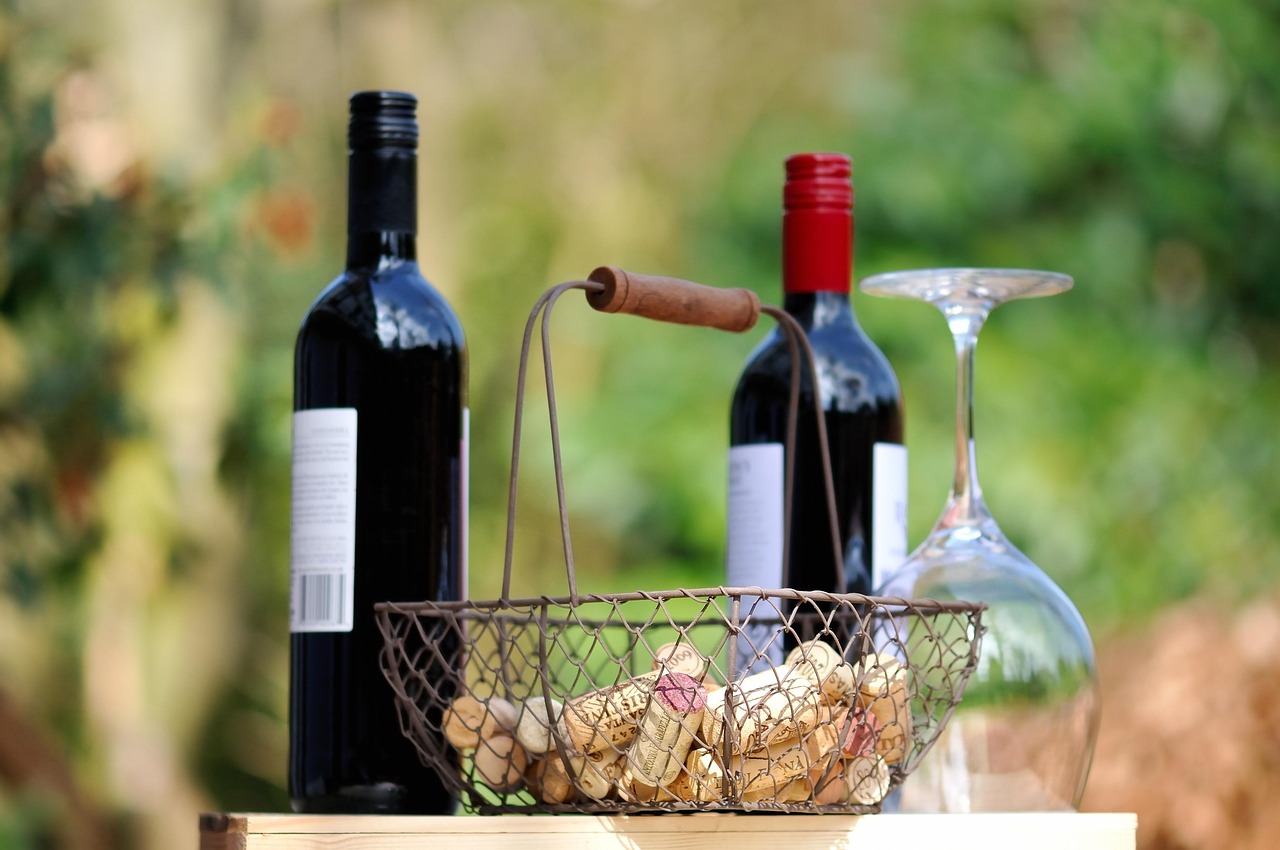
Different styles require distinct vessel shapes, similar to instructions on how to serve pinot noir wine in appropriate bowls.
Culinary Pairings and Flavor Interactions
Matching Meats and Protein Structures
Syrah tends to pair well with robust protein sources; tannins can interact with proteins and fats in food, which many tasters find softens the perception of astringency. Grilled lamb chops, roasted duck, and game meats provide the ideal structural weight to balance the wine’s natural intensity.
The rich umami flavors found in red meats soften the perception of astringency, making the wine taste rounder and fruitier on the finish. Leaner meats offer less fat to moderate tannin perception, which can sometimes leave a bold red wine tasting more austere on the palate.
Navigating Pepper and Spice Notes
The characteristic cracked black pepper note found in cool-climate Syrah creates natural bridges with boldly spiced culinary preparations. Dishes seasoned with rosemary, thyme, juniper, and black peppercorns echo the inherent aromatic flavor compounds found in the glass.
Heavily sweetened sauces can also pose pairing challenges, as noticeable residual sweetness tends to make dry red wines taste austere while exaggerating perceived alcohol heat. Earthy elements like roasted mushrooms or grilled root vegetables enhance the savory profile of the wine without competing against it.
Cheese Selections for Red Wines
Serving cheese alongside Syrah requires selecting aged, firm varieties that can withstand intense structural tannins. Sharp cheddar, aged Gouda, and firm sheep milk cheeses offer the necessary fat and salt needed to tame the wine.
Soft, tart goat cheeses can be a less straightforward pairing, as their brisk acidity and creamy profile may contrast with the firm tannins and elevated alcohol of a bold red wine, though individual results vary. Hard cheeses featuring savory salt crystals provide a harmonious textural contrast during a formal tasting course.
Similar bold varietals share heavy tannin profiles, much like learning how to serve malbec wine alongside rich proteins.
Timing, Pouring, and Storage Dynamics
Opening and Allowing Wine to Breathe
Pulling the cork well in advance of service allows any initial reductive bottle odors to dissipate and tight aromatics to begin opening before pouring. While simple uncorking provides minimal surface oxygen exchange due to the narrow bottleneck, it remains a helpful preliminary step for dense reds.
Temperature stability during this resting period ensures the wine does not warm up excessively on a warm room counter. Keeping the opened bottle in a shaded, cool environment prevents thermal degradation while waiting patiently for the designated dining pouring time.
Pouring Volumes and Bottle Service
Standard wine glasses should receive no more than five to six ounces of Syrah to maintain proper swirling clearance. Overfilling the bowl prevents volatile aromas from gathering correctly in the headspace above the liquid surface during evaluation.
Consistent pouring volumes ensure each guest receives an identical tasting experience throughout the course of the bottle service. Holding the heavy wine bottle near the base provides steady control and prevents accidental spills during the pour.
Temporary Resealing and Preservation
Unfinished bottles of Syrah can be preserved for a short period by inserting the original cork tightly back into the bottle neck. Storing the resealed bottle in a standard refrigerator slows down oxidation and chemical degradation processes significantly.
Allowing a refrigerated leftover bottle to warm up slightly before the next serving restores its aromatic expression and mouthfeel. Consuming the remaining wine within two to three days ensures optimal freshness and flavor integrity without severe loss.
Frequently Asked Questions
Should Syrah always be served at room temperature?
Syrah should not be served at modern ambient room temperatures, which often exceed seventy degrees Fahrenheit in typical heated homes. Serving the wine too warm emphasizes alcohol heat and obscures delicate fruit and spice characteristics completely.
A cool cellar temperature between sixty and sixty-five degrees provides the ideal structural balance for tannin and aroma. Giving the bottle a brief twenty-minute chill before opening achieves this optimal serving condition reliably for drinkers.
How long should a bold Syrah decant before pouring?
Young, robust Syrah wines typically benefit from one to two hours of decanting to soften aggressive tannins and encourage aromatic expression. Exposing the dense liquid to oxygen helps eliminate reductive notes and smooths the palate texture effectively.
Older vintage bottles require much shorter aeration periods, often just thirty minutes, to prevent fragile fruit notes from fading away. Tasting the wine periodically during the decanting process can help identify when it has opened sufficiently for service.
Does Shiraz differ from Syrah in serving protocol?
While Shiraz and Syrah are made from the exact same grape variety, warm-climate Australian Shiraz typically features higher alcohol and riper fruit profiles. These differences mean a slightly cooler serving temperature can help tame the perception of higher alcohol content.
Both styles benefit from large-bowled glassware and careful decanting, but robust Shiraz bottlings may require more substantial food pairings to balance their richness. Adjusting for style rather than label nomenclature ensures the best possible tasting outcome.
Can a standard universal wine glass replace a dedicated Syrah stem during service?
While large-bowl Syrah or Bordeaux stemware optimizes aromatic concentration, a standard universal wine glass works acceptably for casual service when specialized stemware is unavailable. Most quality universal stems feature adequately proportioned bowls that still permit sufficient swirling space and oxygen interaction for both cool-climate and warm-climate expressions. The physical structure still allows proper temperature retention and comfortable handling during a meal.
The primary compromise when using smaller glassware is a reduced surface area for volatile compounds to collect, which can occasionally mute subtle secondary notes like cracked pepper, smoke, and delicate floral aromatics. To compensate for this limitation, pour slightly smaller portions of around four ounces to preserve adequate headspace above the liquid surface for proper aromatic accumulation during evaluation and tasting.
How do vacuum preservation systems affect leftover opened Syrah?
Vacuum pumps and inert gas preservation systems offer effective methods for extending the drinkability of opened Syrah bottles beyond the standard two-day freshness window. Manual vacuum stoppers actively remove excess oxygen from the interior headspace to slow down the chemical degradation of fragile phenolic compounds and deep dark fruit pigments. This mechanical removal helps maintain structural integrity for an extra day or two without significant flavor loss or premature oxidation.
Alternatively, inert gas dispensers spray gases such as argon—which is denser than air—or blended inert gas mixtures that settle over the liquid surface, creating a protective layer against airborne oxidation. Regardless of the chosen preservation device, storing the resealed bottle upright in a cool refrigerator remains essential to slow overall chemical reactions until the next planned tasting occasion arrives.